Read parts 1 to 3 first:
Over the previous three parts of this series, I made the case for the Toyota Camry 2.5 HEV as a financially sound choice for company directors and senior management — a car that retains its value, costs less to run, and no longer asks its owner to sacrifice visual presence for prudence. What I have not yet covered is what the car is actually like to live with, day to day, behind the wheel. That is what a weekend is for, and it is where I will close this series.
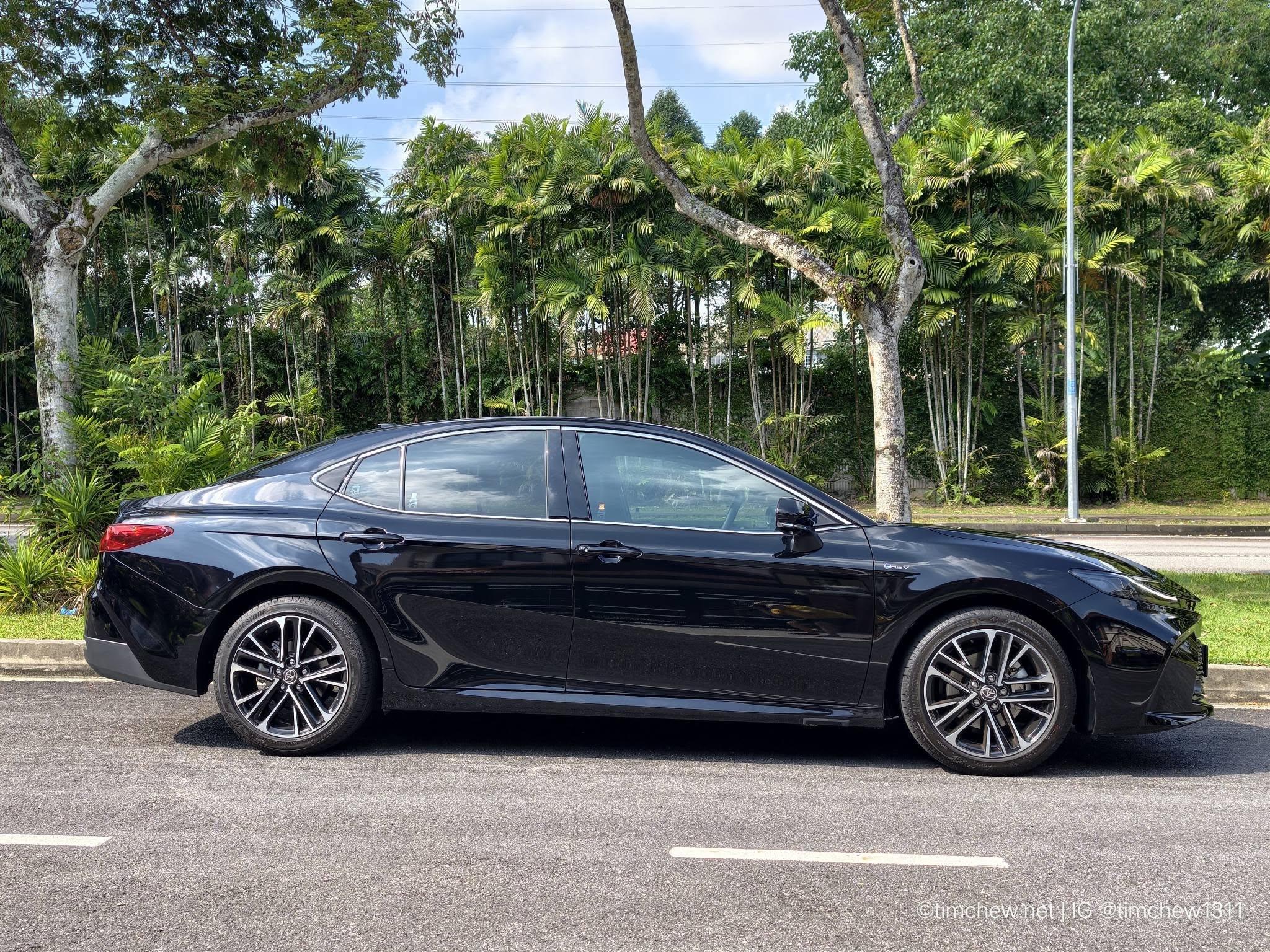
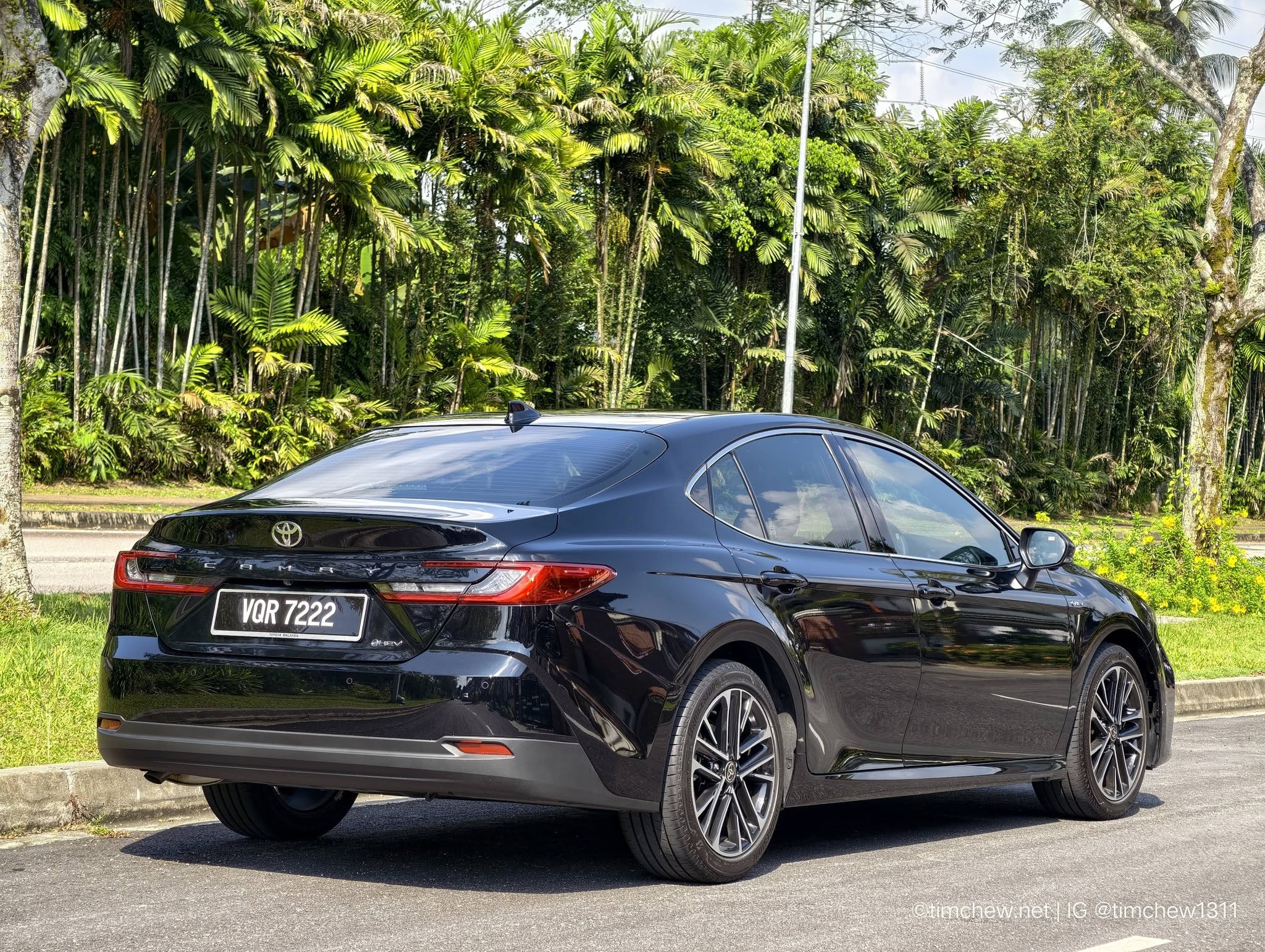
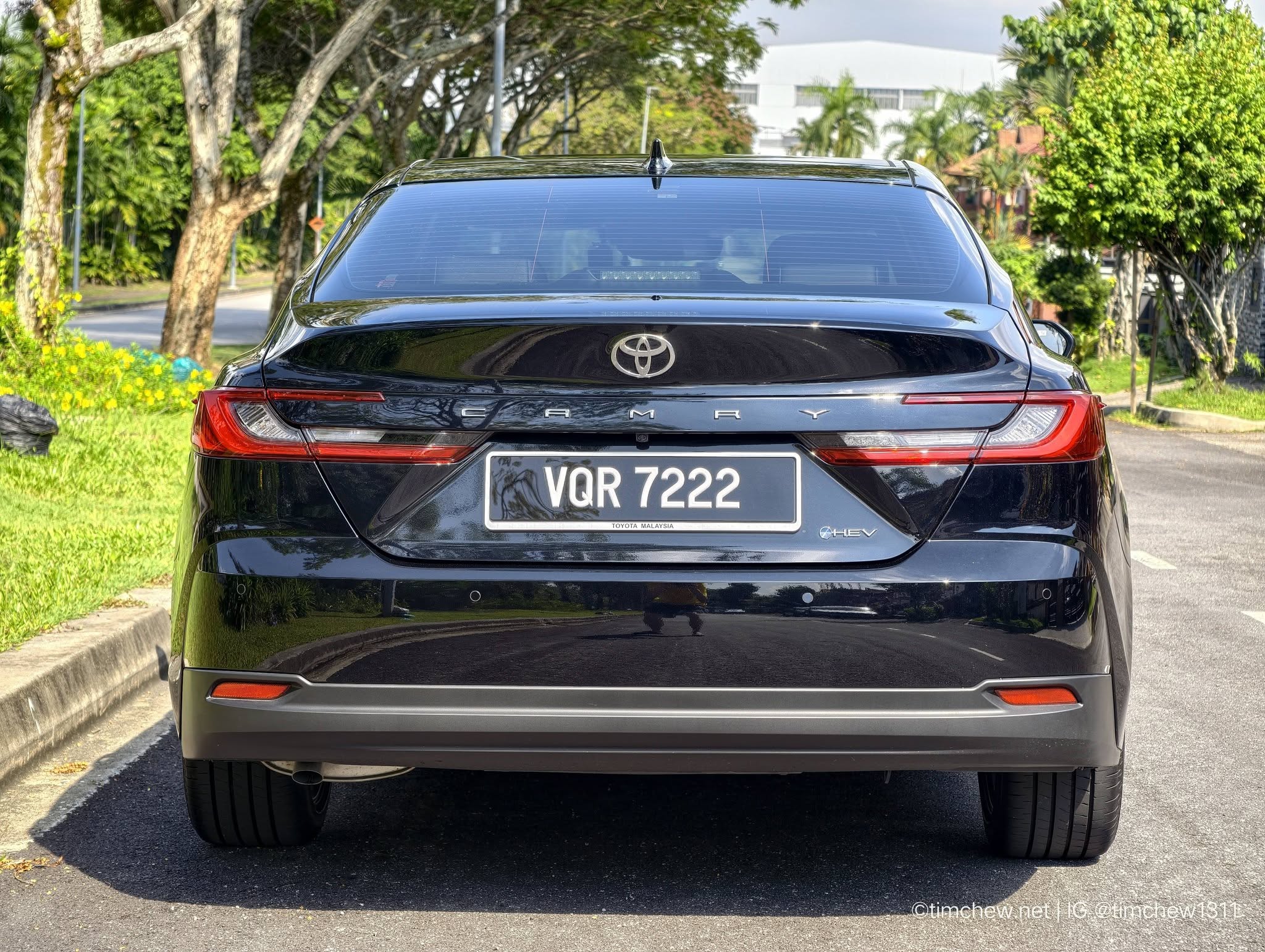
I will say this plainly: previous generations of the Camry carried a reputation in Malaysia as something of an “uncle car” — a perfectly capable sedan, but one that signalled a certain stage of life rather than any particular enthusiasm for driving. The ninth generation does not carry that baggage. Pulling into Jhol at The MET, Château Dionne, Meat Feds, and Vin’s across the weekend, the car drew a noticeably different reaction than I expected — more than one person asked if it was the new model, which is not a question the previous Camry tended to invite. For a 46-year-old who has no interest in driving something that reads as a retirement purchase, that distinction mattered more than I anticipated going in.
The interior lives up to the exterior’s new ambition. It is not pretending to compete with a Lexus or a German executive saloon, and it does not need to — what it offers instead is a cabin that feels genuinely well put together for its segment, with materials and details that suggest Toyota gave real thought to how the space would be experienced rather than simply specified.
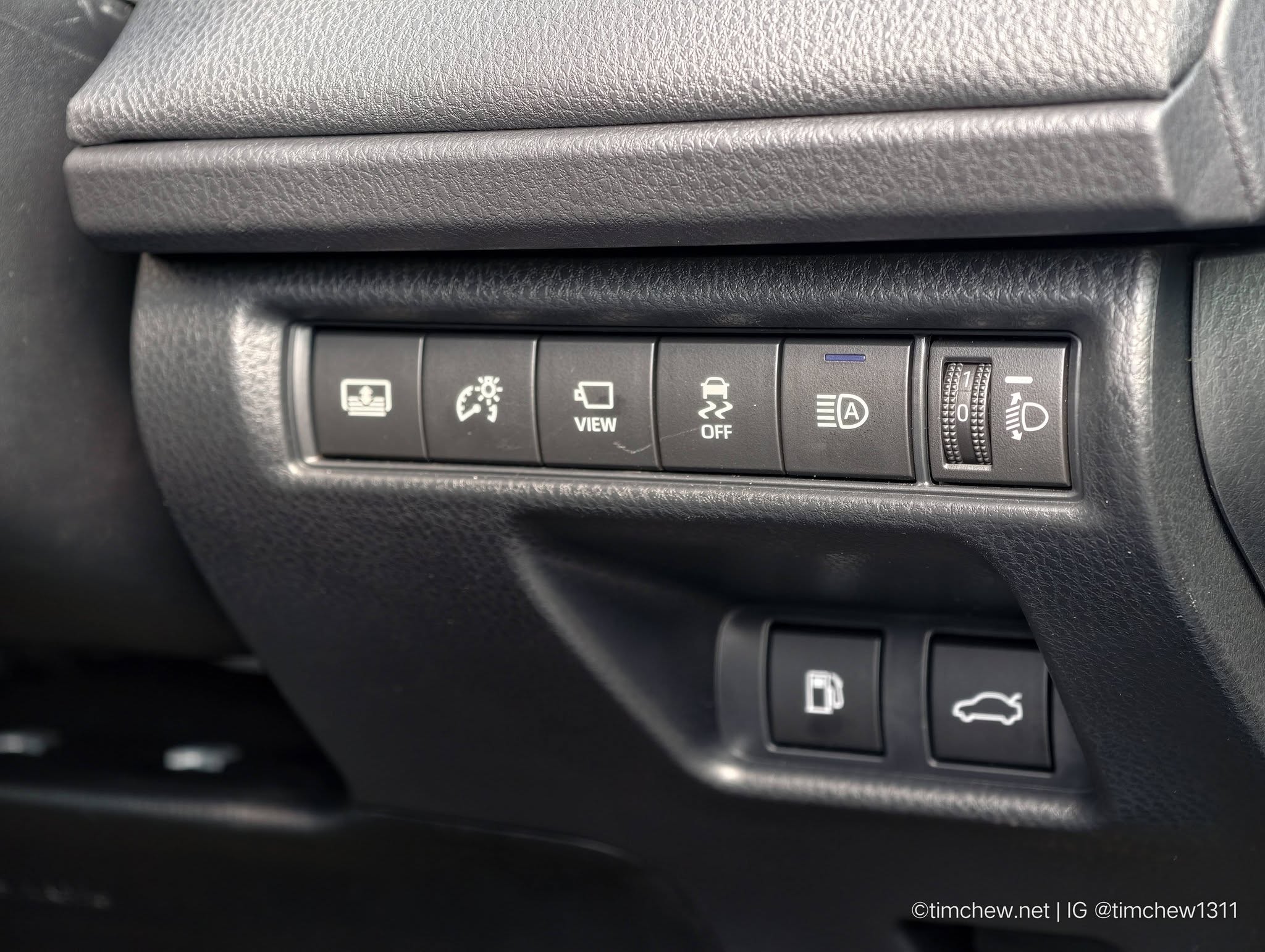
Two details stood out enough that I want to single them out, because they reflect a kind of design thinking I wish more manufacturers still practised. The air-conditioning controls are physical, tactile buttons and dials — not buried in a touchscreen menu requiring two or three taps to adjust. After a weekend of use, I came to appreciate this more than I expected to; reaching for a dial without looking away from the road is simply better ergonomics, and it is a small mercy that Toyota resisted the industry trend of digitising everything for its own sake.


The ventilated front seats were the second standout, and in Malaysian weather, I would go as far as to call them essential rather than a nice-to-have. Climbing into a car that has been sitting in a KL car park under midday sun and having the seat actively pull the heat away within moments is the kind of feature that sounds minor on a spec sheet and proves itself within the first five minutes of any drive.
The Camry is, by any measure, a large D-segment sedan, and I expected it to feel that way in the tighter confines of basement parking and narrow commercial driveways. It did not. The 360-degree camera system and parking sensors made manoeuvring the car genuinely easy — reversing into tight bays at Château Dionne and Vin’s TTDI required none of the careful inching I associate with cars of this footprint.
The 2.5 HEV badge refers to Toyota’s fifth-generation hybrid system, pairing a 2.5-litre petrol engine with an electric motor and a small battery pack that recharges itself through braking and deceleration — no plug, no charging routine, no change to how the car is used day to day. The practical effect of that electric motor is what struck me most on the road: its torque is delivered instantly, and the result is a car that feels considerably quicker off the mark than its sedate reputation would suggest — useful when merging onto the Federal Highway or making a gap in KL traffic.
Over sections of road on my route with humps and potholes (thanks to the heavy rains lately), and through some quicker corners on the way back from Petaling Jaya, the Camry settled and composed itself well, with a ride quality that absorbed bumps without becoming floaty or losing its composure when pushed.
The JBL sound system deserves its own mention here. I am not someone who is easily impressed by a car’s audio system, but this one earned genuine appreciation over the weekend — rich, well-balanced, and good enough that I found myself extending a few drives simply to keep listening.
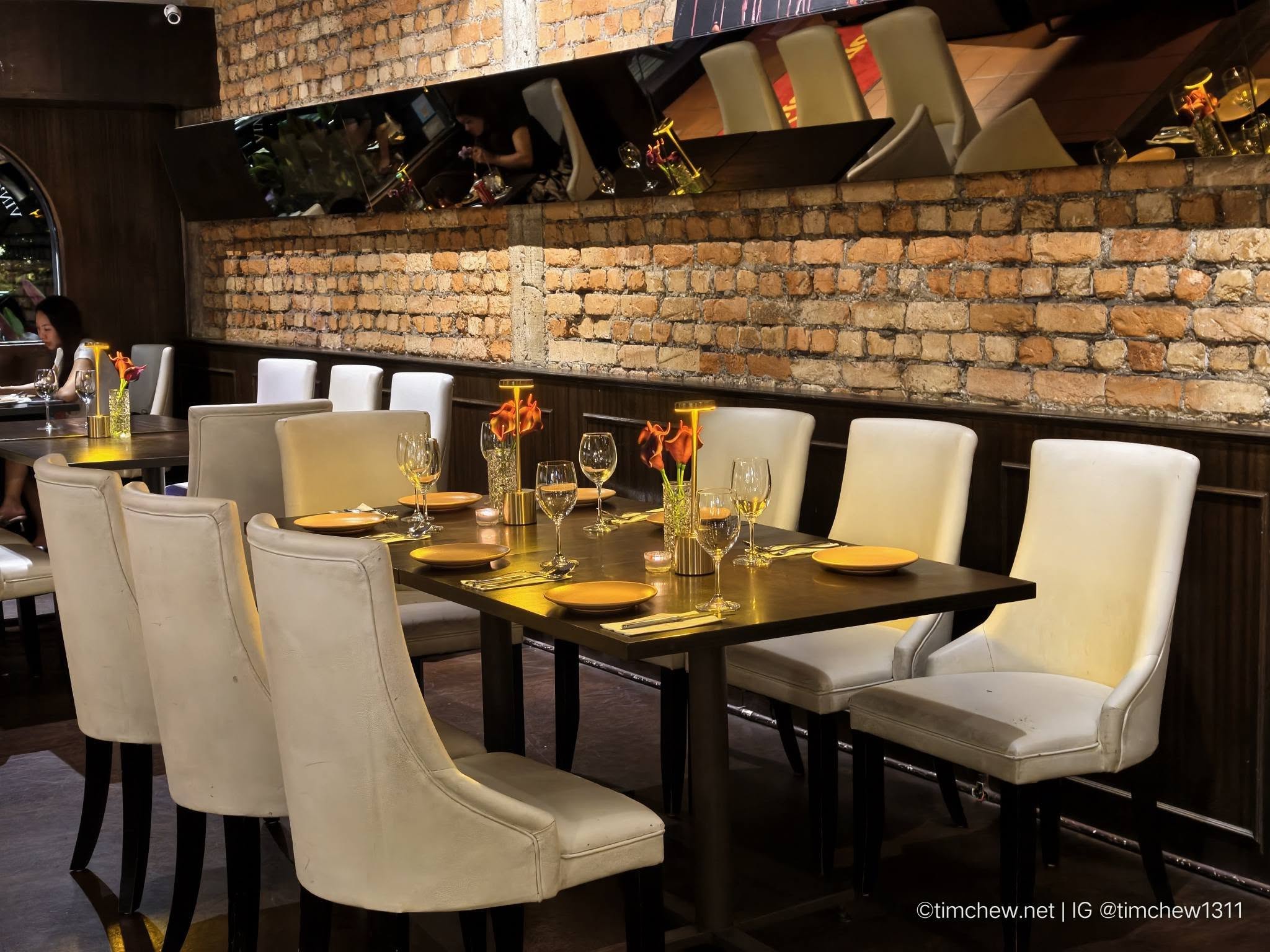
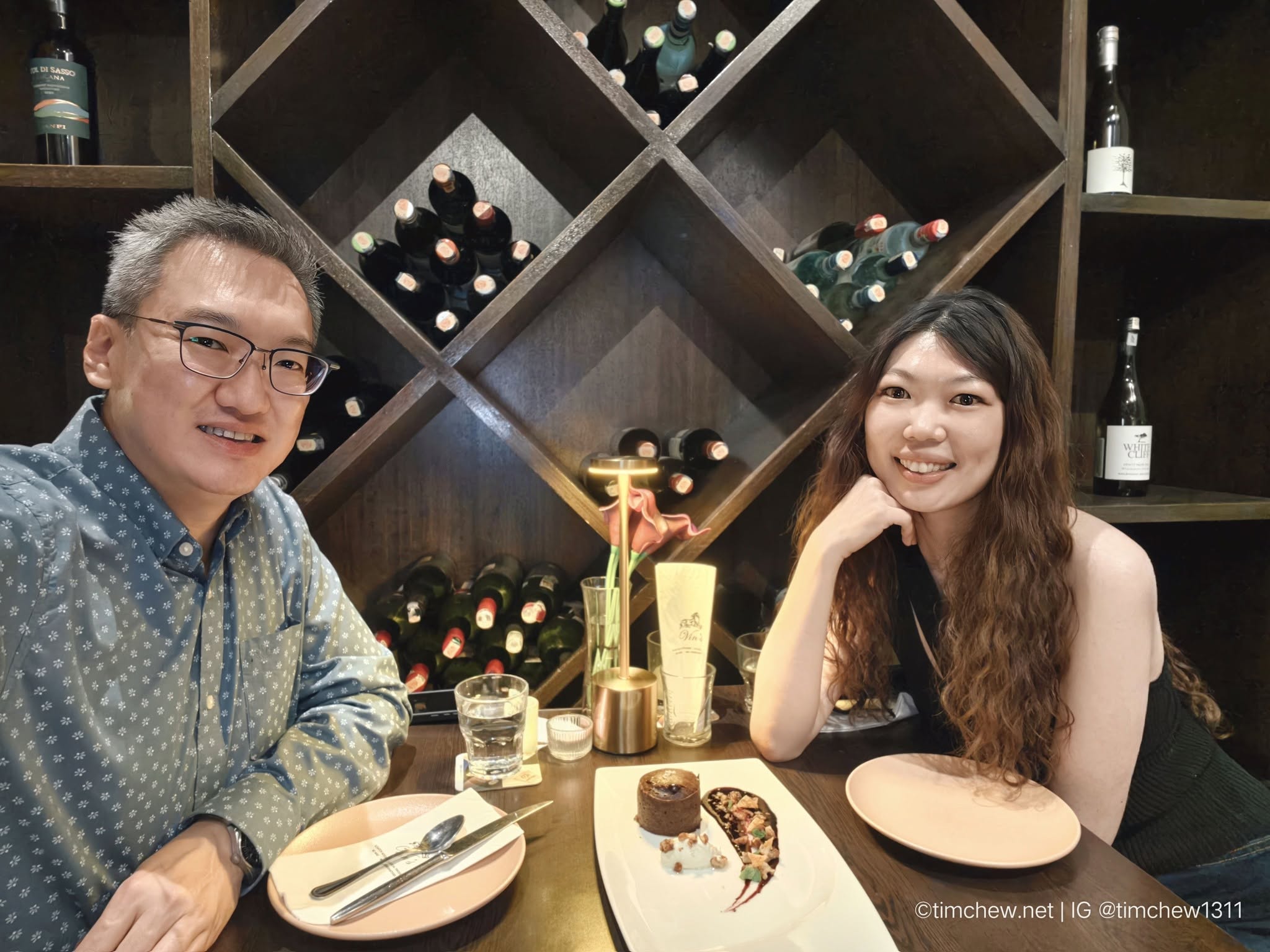
Sunday evening’s stop on this weekend with the Camry took us to Vin’s in Taman Tun Dr Ismail — a scratch kitchen that has operated since 2010 around a straightforward premise: European cooking technique applied to ingredients sourced closer to home. The restaurant’s own description of itself, “Inspired by Italy, Perfected in Malaysia,” is a fair summary of what is on the menu. Fresh pasta is hand-made daily using kampung egg yolks rather than store-bought alternatives, seafood is drawn from East Malaysia, and the pizza dough goes through a 48-hour fermentation before it ever reaches the oven. Sauces, stocks, condiments, and even the dressings on the menu are made in-house from whole ingredients — bones, shells, and vegetables rather than premixed bases — and the kitchen is explicit about avoiding MSG and artificial flavourings across the board. It is the kind of operational detail that rarely announces itself on the plate, but tends to be the difference between a dish that tastes considered and one that tastes assembled.
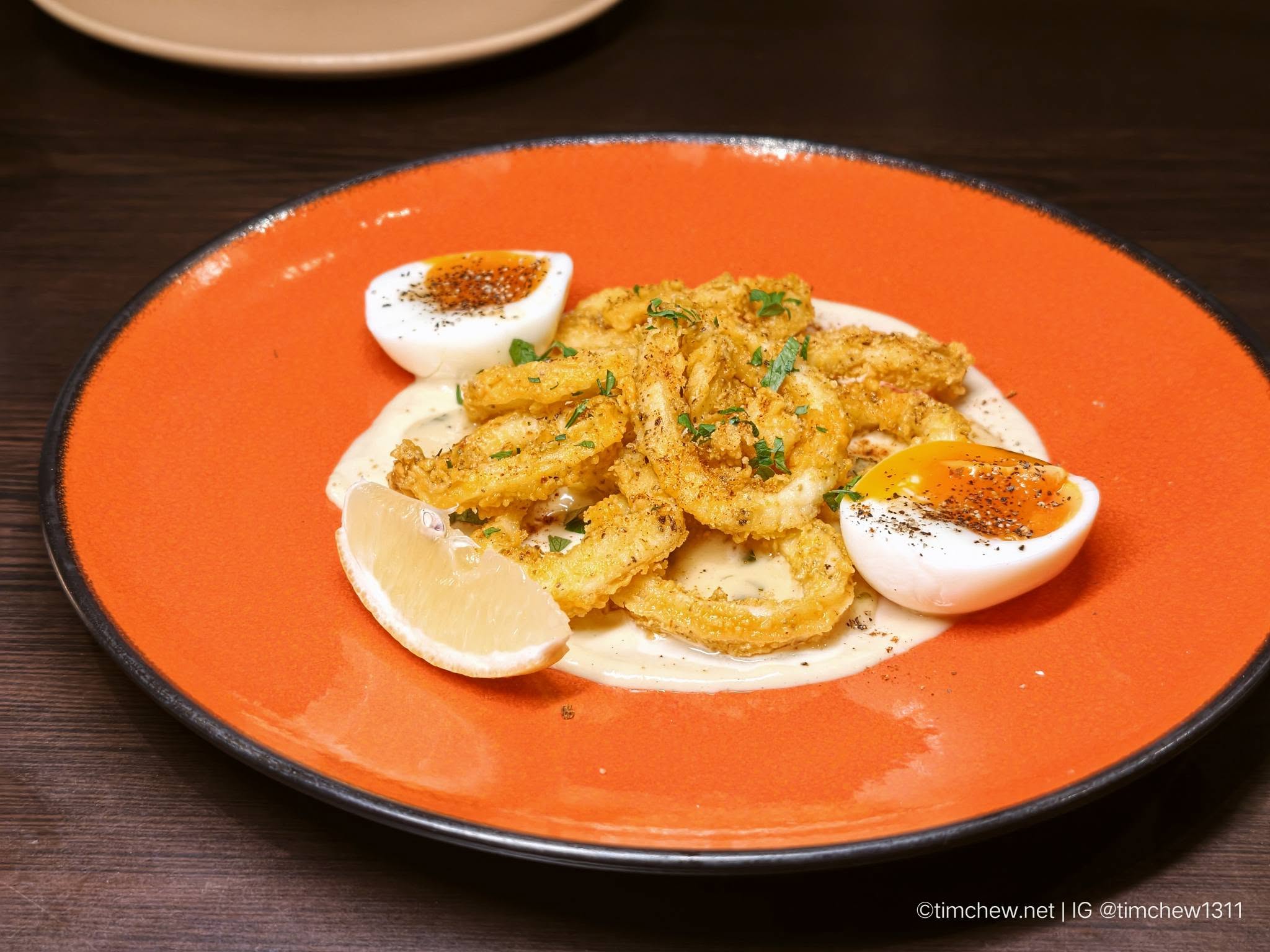
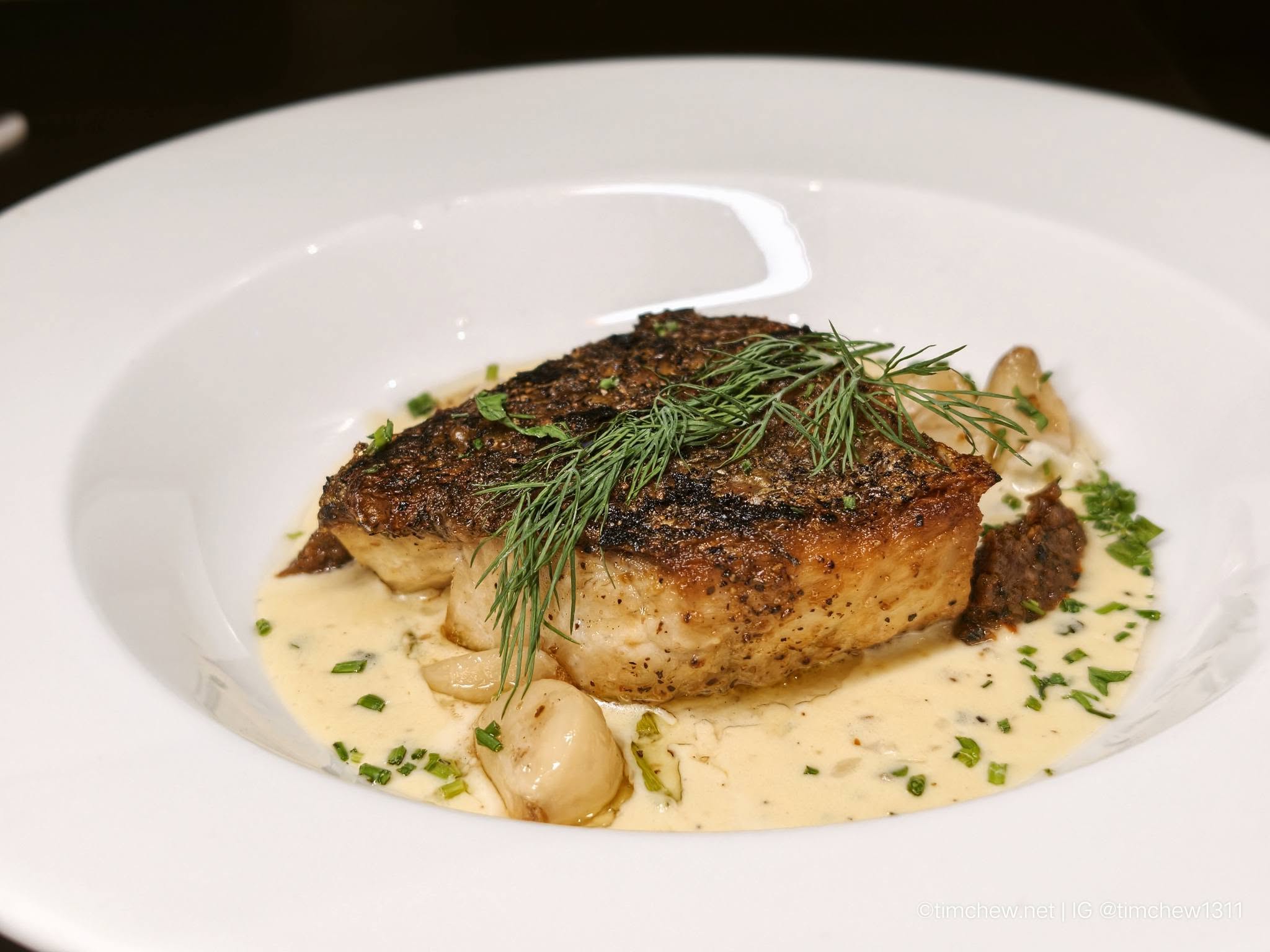
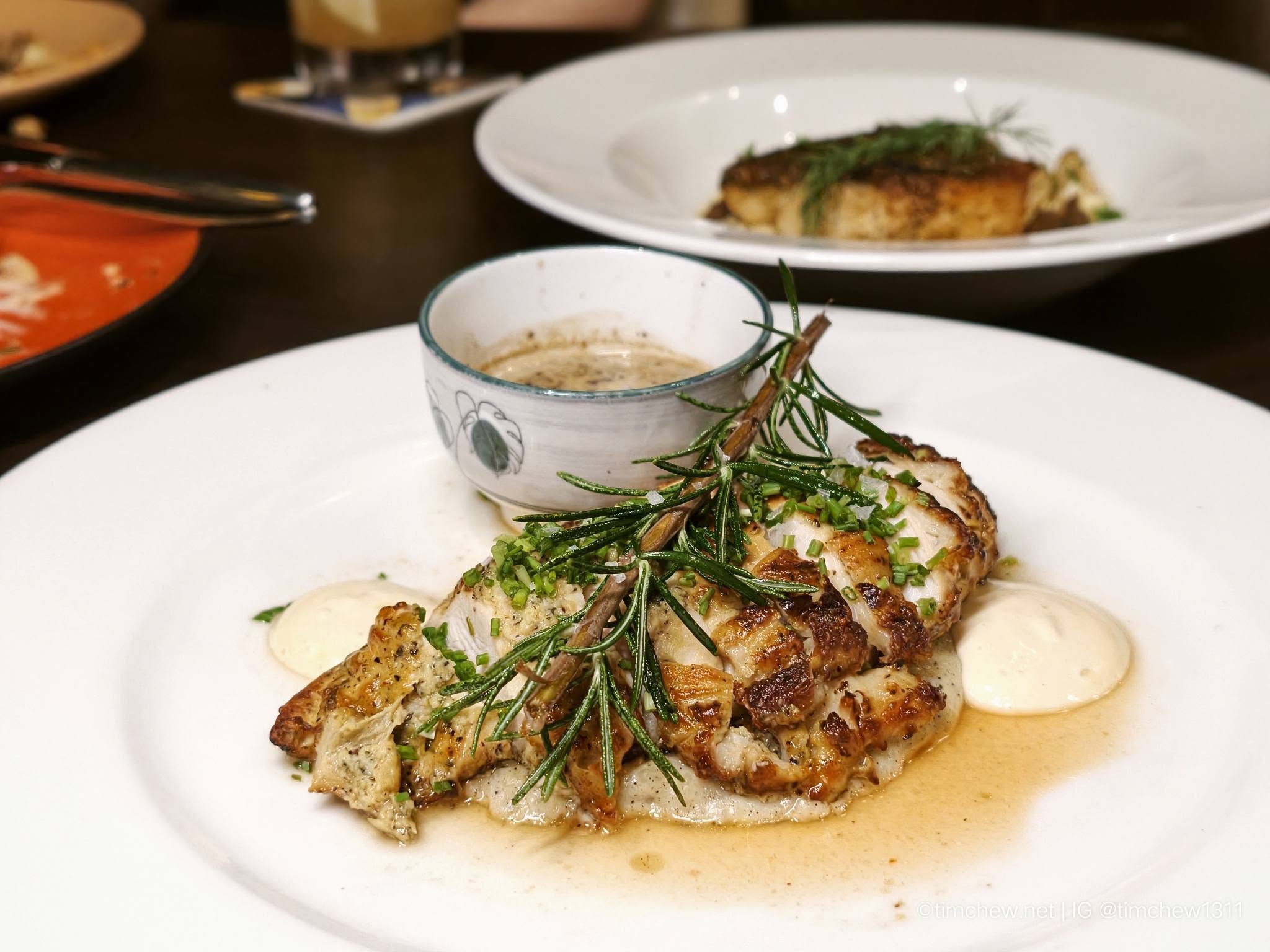
The menu itself is broad without losing coherence. Appetisers range from the Calabria Lamb Meatballs and Veneto Crab Cake to lighter options like the Fresh Feta & Avocado Salad, alongside a tartine selection — small toasts topped with anything from tomato confit and basil to smoked duck and onion jam. The pasta section covers both fresh and dried formats, with the Salmon & Mascarpone Tagliatelle and the Lamb Ragout with Hand-Cut Pappardelle among the more established orders, alongside richer options such as the Porcini & Truffle Mushroom Pappardelle for those inclined toward something more indulgent. Mains are organised by protein — beef, lamb, chicken, and fish — with the Porcini-Rubbed Ribeye and the Creamy Mustard Lamb Striploin representing the kitchen’s more substantial offerings. The pizza list, built on that long-fermented dough, includes the Basil Mozzarella with Walnut Pesto and the Sicilian Smoked Duck Pizza, while desserts close the meal with options like the Guanaja Warm Chocolate Cake and the Vanilla Mascarpone with Salted Caramel Pecan. Each dish on the menu comes with a suggested wine, cocktail, or kombucha pairing, a detail that points to a kitchen built around a sit-down, occasion-driven dining experience rather than a quick meal.
What makes Vin’s particularly relevant to this series, though, is less the food itself than where it sits. TTDI has, over the past decade or so, established itself as one of Kuala Lumpur’s more upmarket residential and dining neighbourhoods — a quieter, more settled alternative to the city centre, home to a concentration of well-regarded independent restaurants rather than chain outlets or food courts. For a director or senior manager based in or around the Klang Valley, that positioning is genuinely useful: a venue in TTDI offers something more personal and considered than a hotel dining room downtown, without sacrificing the sense of occasion that a client dinner or a milestone celebration calls for.
The restaurant is set up well for that range of use cases. It works comfortably as a relaxed family dinner or a birthday celebration on one end of the spectrum, and as a company dinner or a more deliberate client meeting on the other — the kind of dual-purpose venue that is genuinely useful to have on a shortlist. Vin’s also offers group bookings and customised set menus for functions and celebrations, which makes it a workable option for a small private function or a team dinner, not just an à la carte weekend meal. For a director weighing where to host a smaller, more personal client dinner outside of the usual hotel or fine-dining circuit, Vin’s combination of an established TTDI address and a kitchen that clearly puts in the work behind the scenes makes a reasonable case for itself.
Vin’s is located at 6, Lorong Datuk Sulaiman 1, Taman Tun Dr Ismail, 60000 Kuala Lumpur, and is open daily — Sunday to Thursday from noon to 11pm, and Friday and Saturday from noon to midnight. For more info, head over to https://www.vinsrestaurant.com/




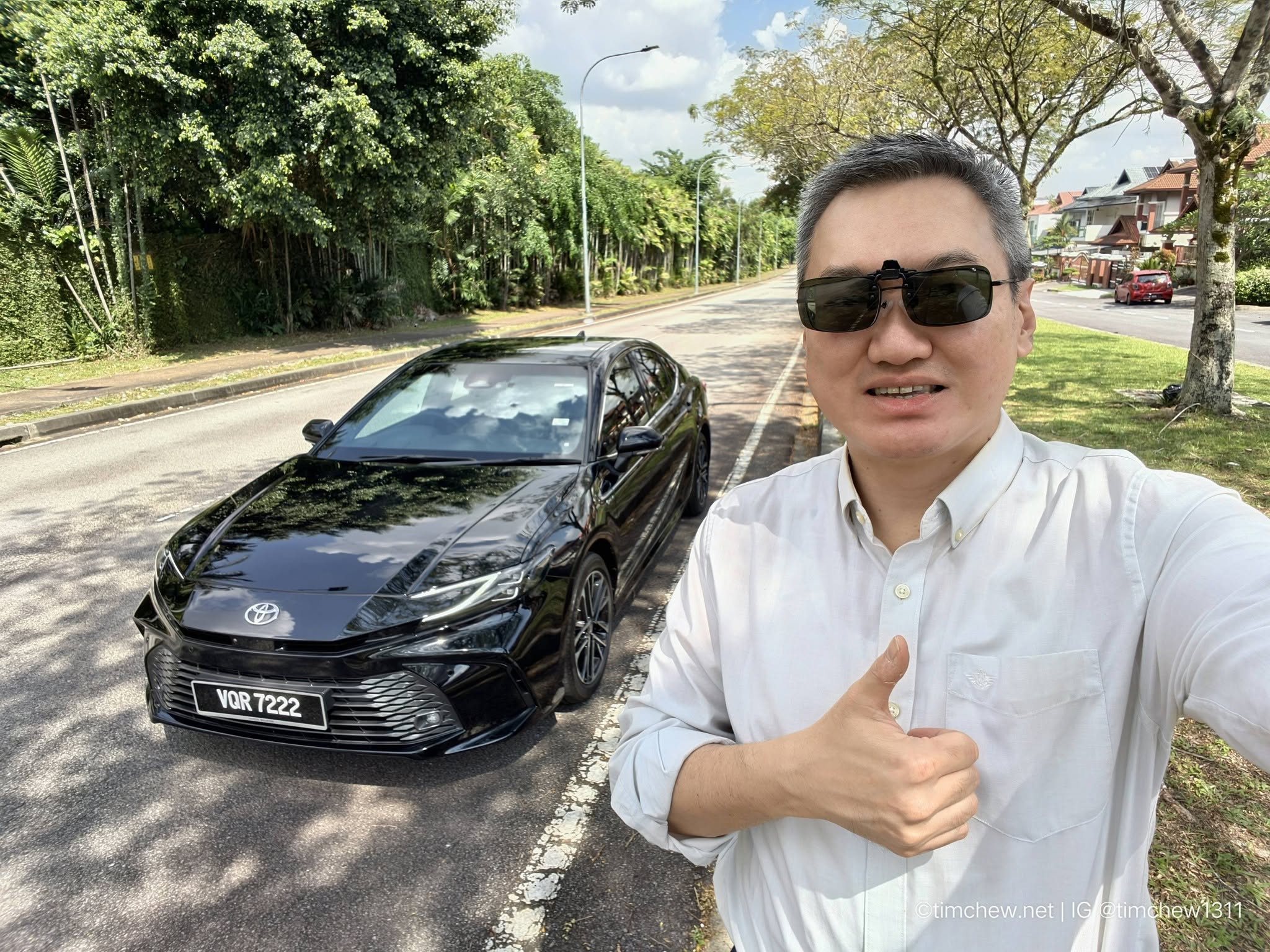
I live in Petaling Jaya, and the Camry suited that life better than I expected it to going in. It looked right in a porte-cochère or outside a restaurant, it was comfortable enough that traffic did not feel like a penalty, and it never once made me feel like I was driving something chosen purely for sensible reasons.
That, ultimately, is the most persuasive thing I can say about it. The financial argument I made in Part 1 — the resale value, the running costs, the warranty — remains entirely true. But after a weekend with the car, I would choose the Camry 2.5 HEV on its own merits, not just its spreadsheet ones. For a director or senior manager who has spent years assuming the sensible choice meant the unexciting one, this car is worth a proper look.
This concludes the four-part Weekend with the Toyota Camry 2.5 HEV series. The Toyota Camry 2.5 HEV is priced at RM248,800 in Malaysia. For more information, visit https://www.toyota.com.my/en/models/camry-hybrid-electric.html#overview
Photos shot with the vivo X300 Pro.


