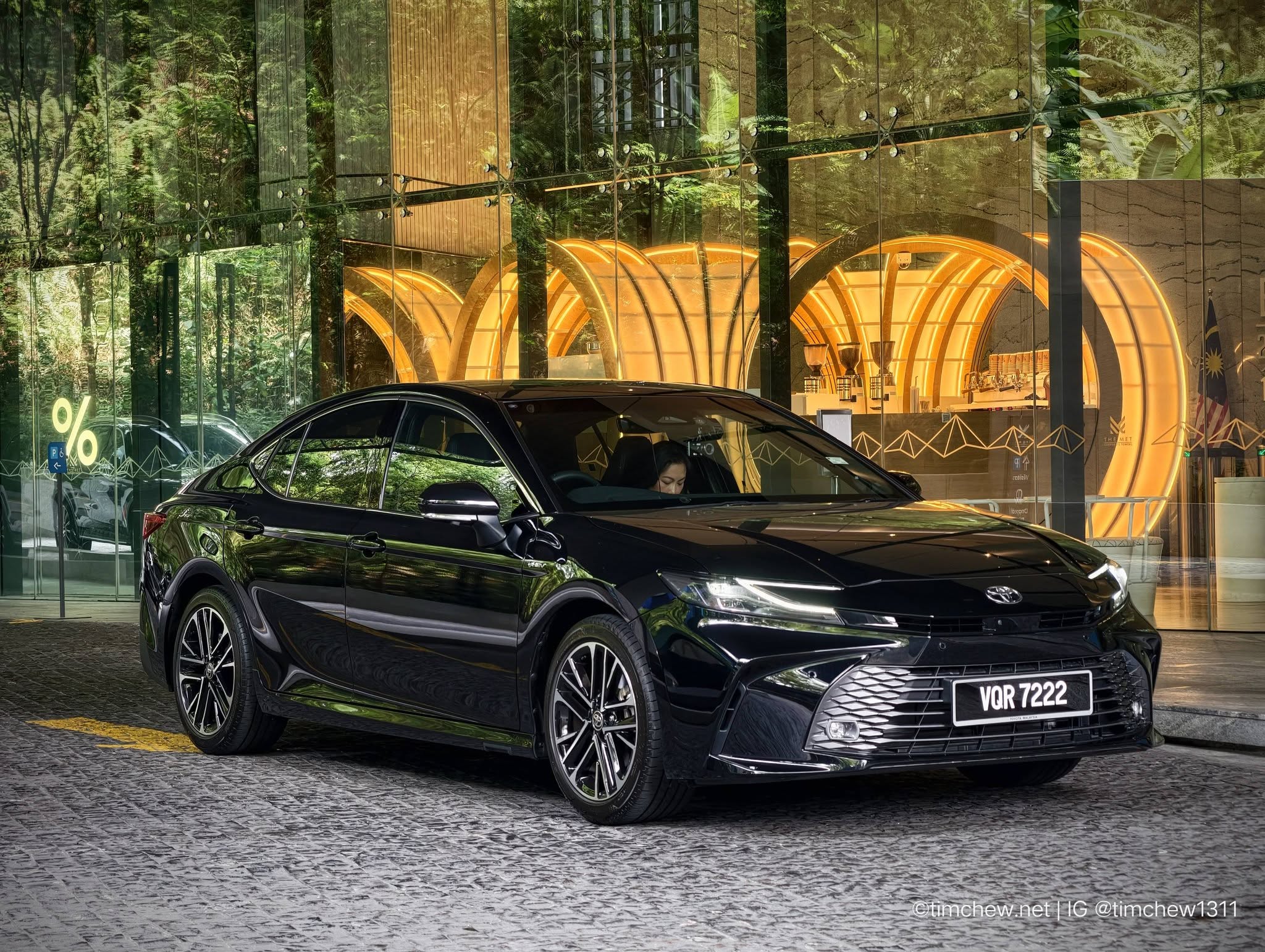
There is a particular kind of status that comes not from spending the most, but from spending wisely. In Malaysian corporate culture, the car a director or senior manager drives to the office says something — not just about taste, but about judgement. For years, the reflexive answer in the D-segment has been a European marque. The badge carries weight at the valet stand, no question. But after five to seven years, when the finance period ends, and the reality of depreciation sets in, the calculus looks rather different.
UMW Toyota Motor recently passed me their Toyota Camry 2.5 HEV for a weekend — four days, four restaurants, church service, and a bit of highway and lots of driving around various suburbs like Damansara, Petaling Jaya and Subang Jaya in between. This is the first in a four-part series, and rather than lead with specifications, I want to start where I think the conversation ought to begin (as we have a prominent focus on leadership and business): with the question of whether the Camry makes sense as a company car, or personal executive vehicle, for directors and senior management who think carefully about value.
The Malaysian used car market has a clear and well-documented hierarchy when it comes to retained value. Japanese mainstream brands — consistently hold their value far better than their European counterparts. Used car buyers in Malaysia typically prioritise reliability and ease of maintenance, which explains why Japanese brands tend to hold their resale value well over the years, while European marques often experience steeper depreciation. Some European models in Malaysia have recorded a depreciation rate of around 35 per cent to 40 per cent in just the first three years of ownership.
The Toyota Camry, by contrast, sits at the top of the D-segment for value retention among Malaysian buyers. Toyota holds approximately 65 per cent of its value after five years in the Malaysian market, with the Camry and Vios ranking among the top sedans for retention.
For a company purchasing a vehicle — whether for a director’s use or as part of a managed fleet — this is not a trivial distinction. A car purchased at RM248,800 that retains 65 per cent of its value after five years leaves a very different residual on the balance sheet compared to one depreciating at 50 per cent or more. The monthly cost of ownership, factoring in that residual, tells a story that a badge alone cannot.
There is also the matter of running costs. The Camry 2.5 HEV is a self-charging hybrid, requiring no external charging infrastructure and no adjustment to driving habits. Servicing is carried out at any of UMW Toyota’s authorised service centres nationwide, with parts availability that is, frankly, unmatched in the Malaysian market by any European nameplate.
The Toyota Camry is not a new proposition in Malaysia. It arrived here in 1994, replacing the Corona as Toyota’s D-segment offering, and has been a fixture of the local executive car market ever since. By 2015, UMW Toyota Motor had sold 116,000 units of the Camry since its introduction in the country. For context, that figure predates the current and previous generation entirely.
The name “Camry” is derived from the Japanese word kanmuri, meaning “crown” — which fits neatly into Toyota’s long tradition of aspirational model names, alongside Crown, Corona, and Corolla. It was a name chosen to signal a particular positioning: not the entry point, and not the top of the range, but a considered, confident choice for buyers who knew what they wanted.
The model went through several generations in Malaysia, including a period of local assembly at ASSB in Shah Alam before transitioning to its current CBU form, imported from Toyota’s regional production hub in Thailand. The ninth generation — the one I spent the weekend with — was introduced at the Kuala Lumpur International Mobility Show (KLIMS) in late 2024.
A great deal of automotive media coverage in Malaysia follows a predictable pattern: feature walkthrough, acceleration figures, infotainment demo, price reveal – reading more like a sales brochure. It What it rarely addresses is the broader question of fit — whether a particular car makes sense for the life a buyer actually leads.
For a company director or senior manager in Kuala Lumpur, the car serves a specific function. It needs to present well at client meetings and hotel lobbies. It needs to be comfortable over the half-hour crawl on the Federal Highway during rush hour. It needs rear seat comfort adequate for the occasional passenger — a client, a board member, spouse, or family. And when the time comes to hand it back or trade it in, it should not represent a quietly painful line item.
The Camry 2.5 HEV addresses all of these requirements. Whether it does so with enough flair to justify the choice over a European alternative is a question of priorities — and increasingly, of financial literacy. In a market where corporate governance and responsible management of company assets are taken more seriously than they once were, a car that holds its value, costs less to run, and requires less maintenance is not the boring option. It is, arguably, the smart one.
Over the next three parts of this series, I will take the Camry through three restaurants in Damansara and Petaling Jaya, covering the car’s design and interior in Part 2, its powertrain and driving dynamics in Part 3, and my overall impressions in Part 4. But the value proposition, I think, deserved to come first.
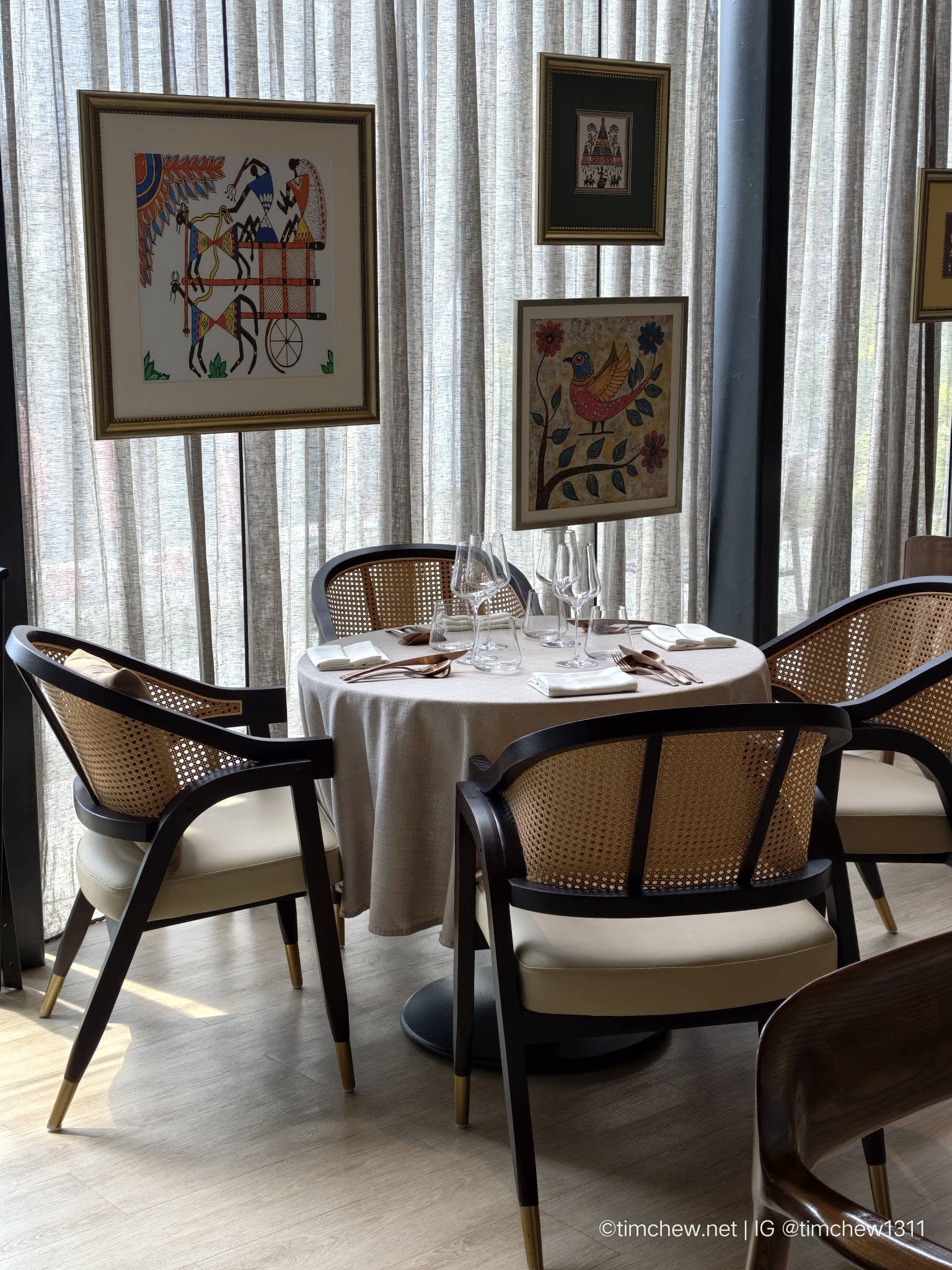
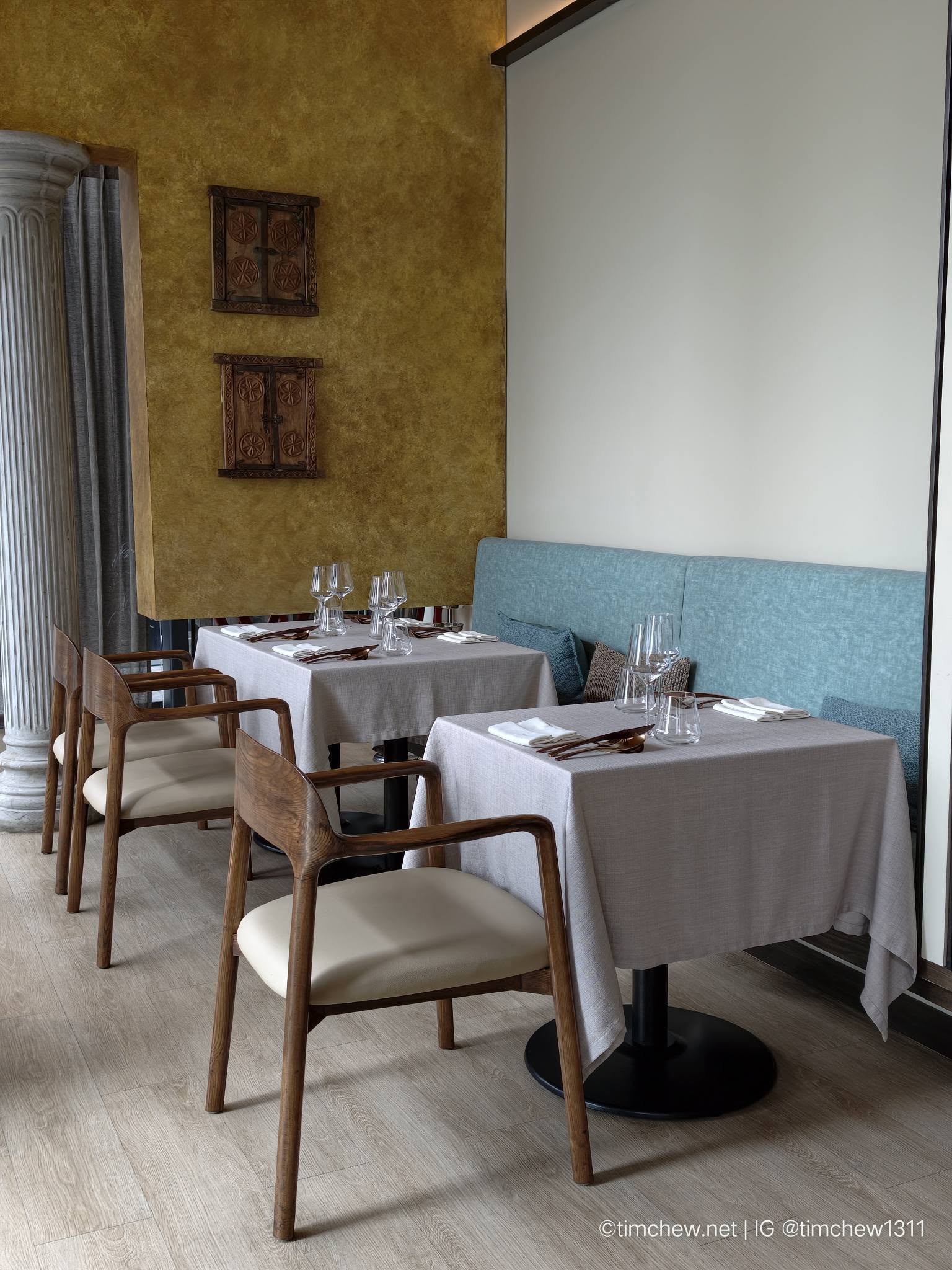
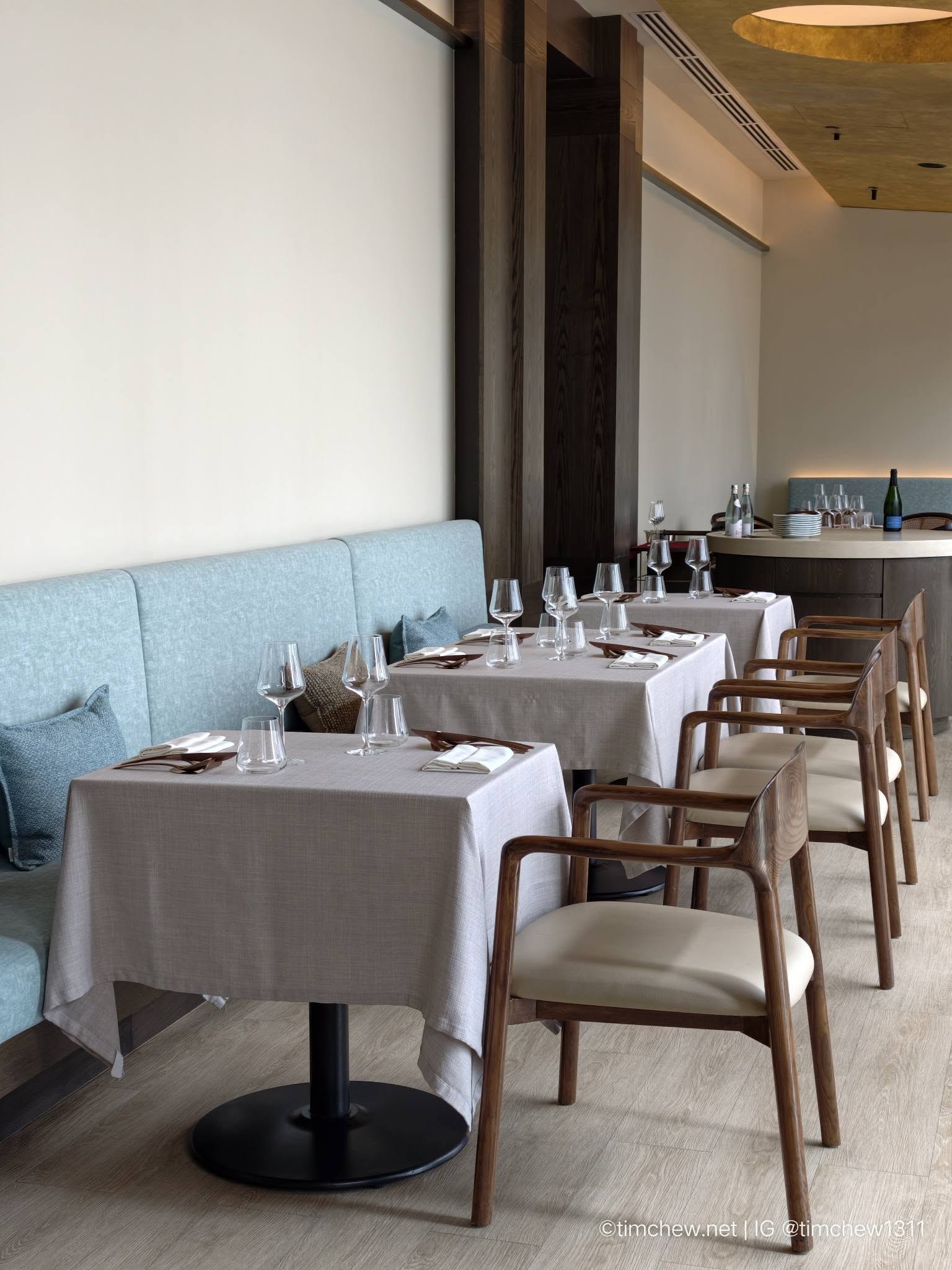
The first destination on my little weekend eating and driving tour was Jhol at The Met Corporate Towers in Kuala Lumpur. It was not my first visit to Jhol (you can read about my first visit below), but this time it was to try their recently launched lunch set menu, which caters to busy senior management and corporate leadership working around the area.
JHOL is the Kuala Lumpur outpost of chef Hari Nayak’s Bangkok restaurant of the same name, brought to the city under Clifftop Group Asia. The Bangkok original has built a track record since opening in 2020, including entries in the Michelin Guide and Asia’s 50 Best Discovery list. The Kuala Lumpur location, which opened on the ground floor of The Met in May 2025, builds its menu around India’s coastal states, pairing recipes from regions such as Gujarat, Goa, Kerala, Tamil Nadu, Odisha and West Bengal with locally sourced Malaysian ingredients.
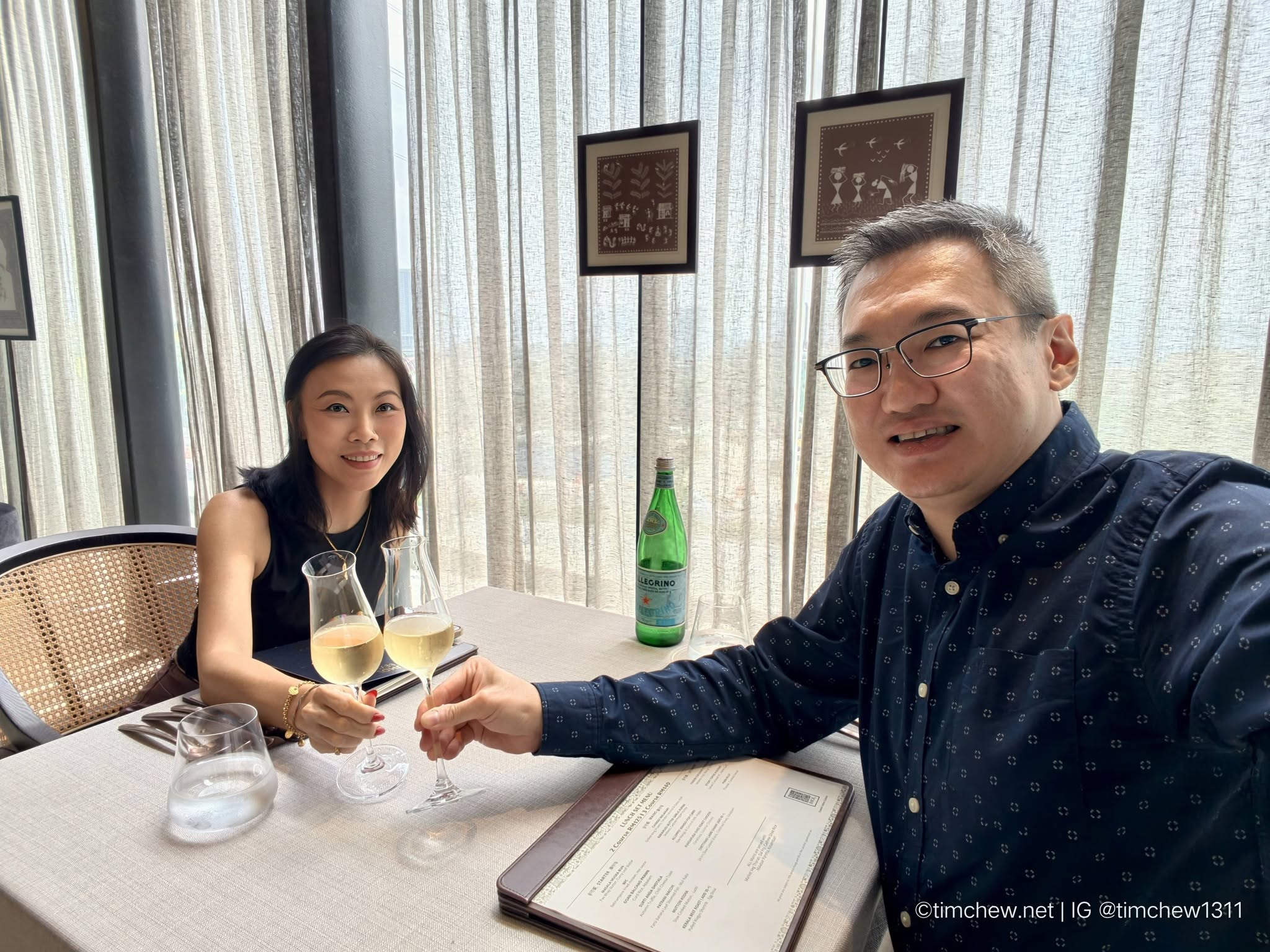
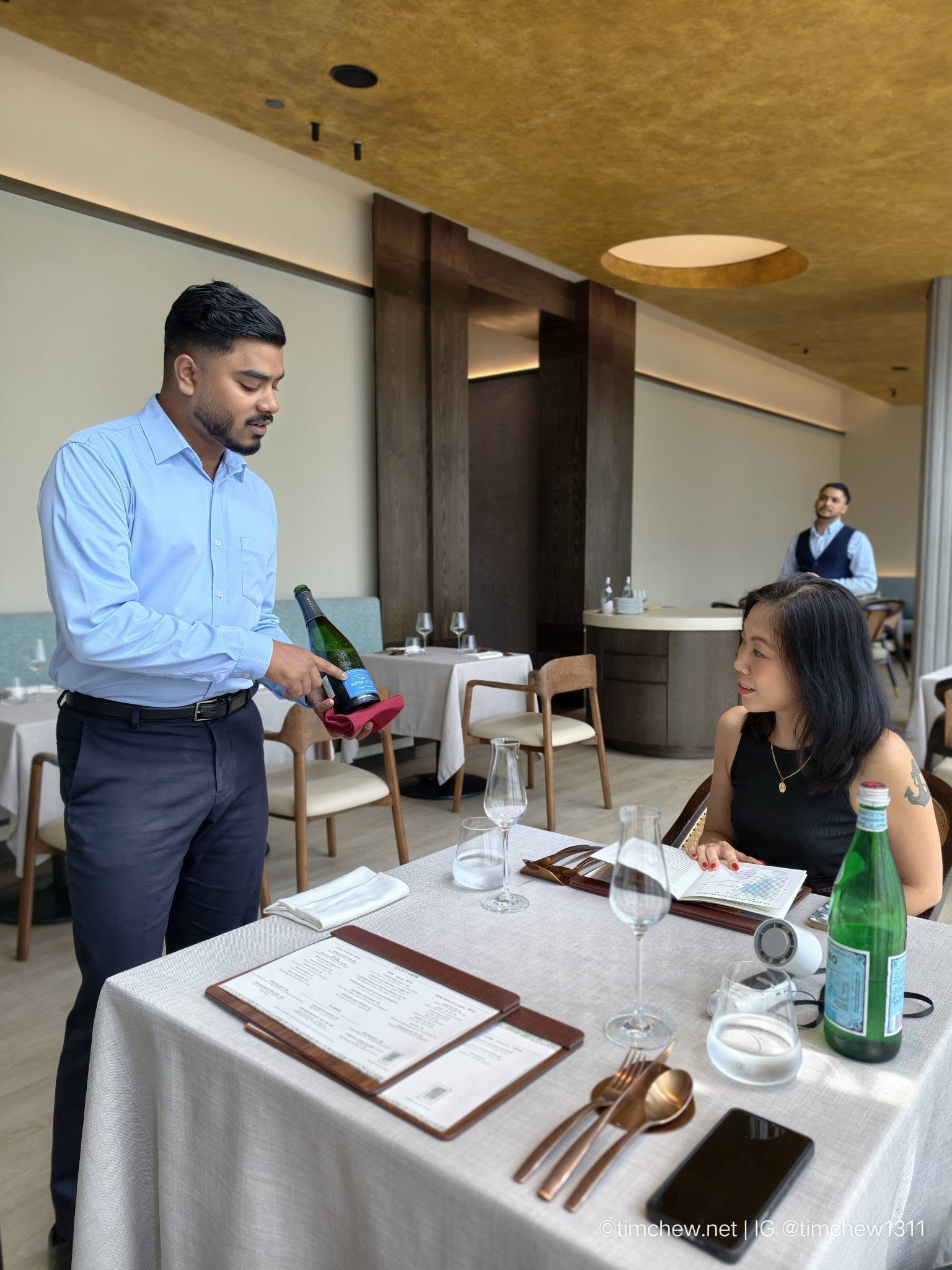
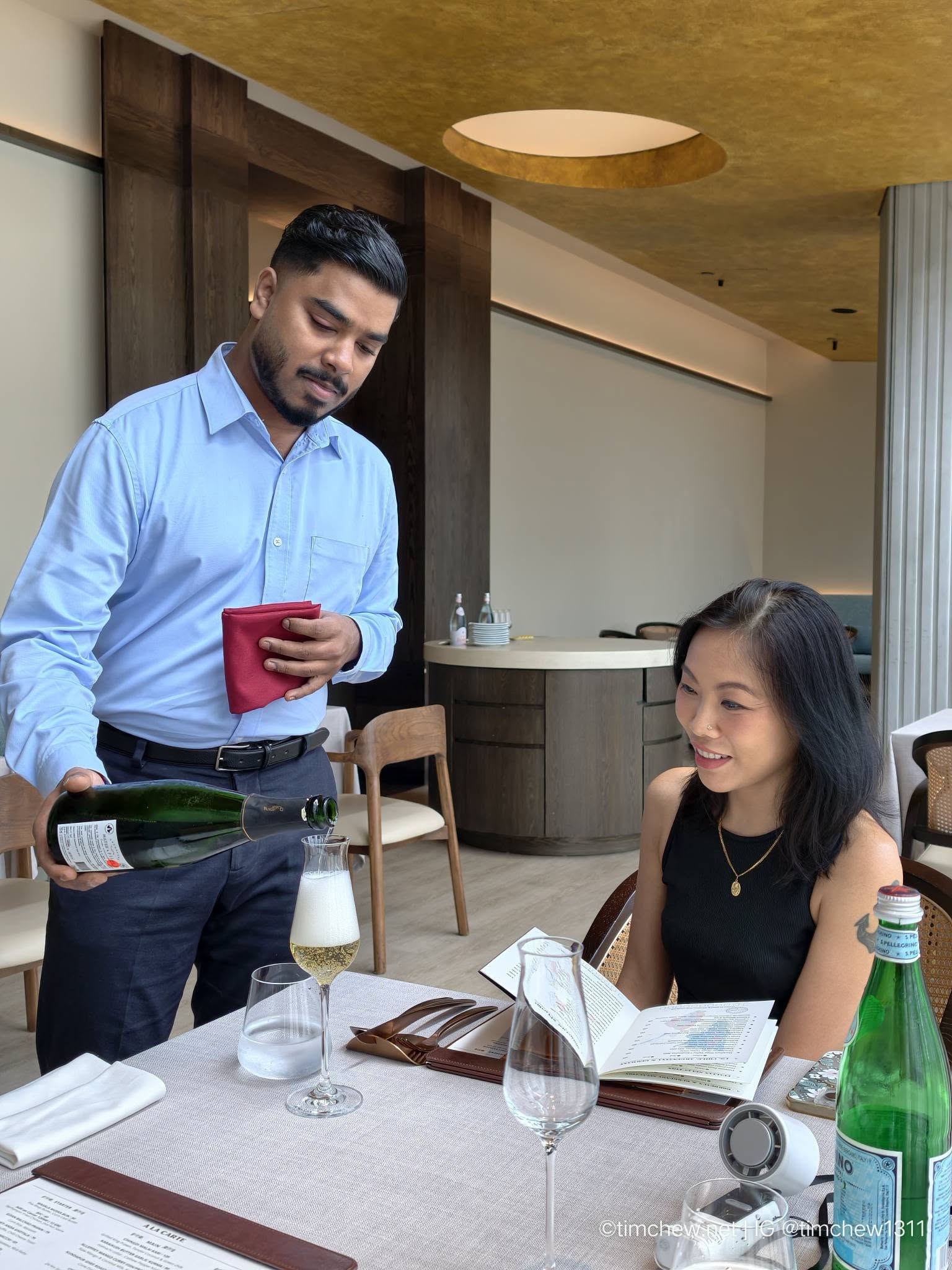

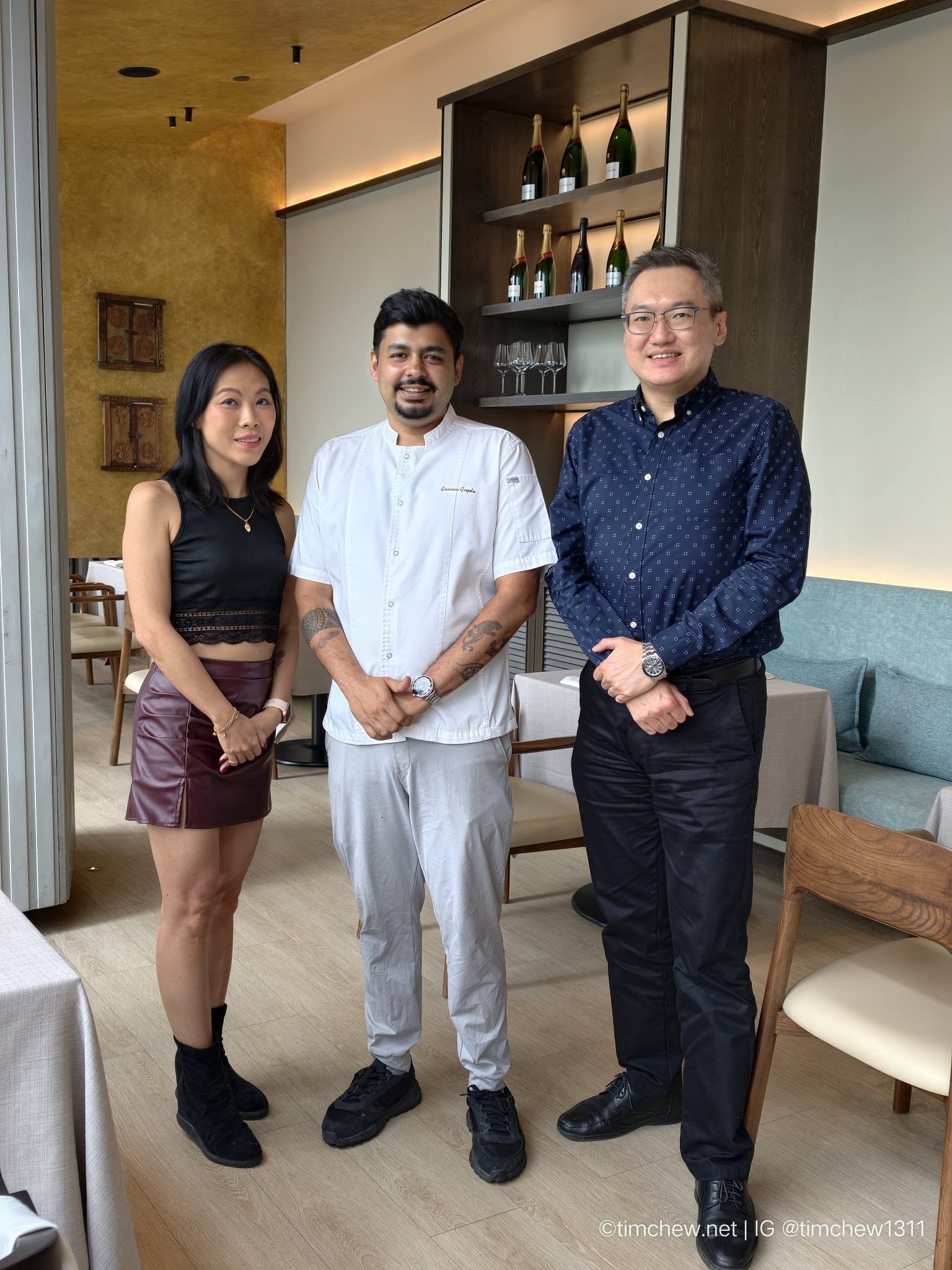
Coastal Indian restaurant JHOL is helmed by Executive Chef Gaurav Gupta, whose résumé spans Taj Hotels, Indian Accent, acclaimed kitchens in Bangkok, and the original Jhol Sukhumvit. They recently rolled out a dedicated lunch set menu structured around the kind of two- or three-course meal that suits a business lunch. Priced at RM125 for two courses and RM140 for three, the offering comes in two formats — a vegetarian set and one built around meat and seafood — giving diners with mixed dietary preferences a workable option when hosting colleagues or clients.
Both versions follow the same structure: a starter course, a main course and dessert, with all mains served alongside market vegetable thoran, dal fry, cashew ghee rice, Malabar parotta and kosambari. The non-vegetarian set includes dishes such as Chingdi Malaikari, grilled king prawns with tender coconut and green chilli; Karaikudi Butter Garlic Kurma with seabass; and Kundapura Ghee Roast Chicken served with cone dosa and coconut chutney, alongside add-on options including a Chettinad lamb shank and a Kerala beef roast made with pulled wagyu short rib. The vegetarian set mirrors this structure with dishes such as Karaikudi Cashew Cauliflower, Goan Mushroom Caldin and Kundapura Ghee Roast Eggplant. Desserts — tender coconut payasam, sticky toffee pudding and paan kulfi — are shared across both menus.
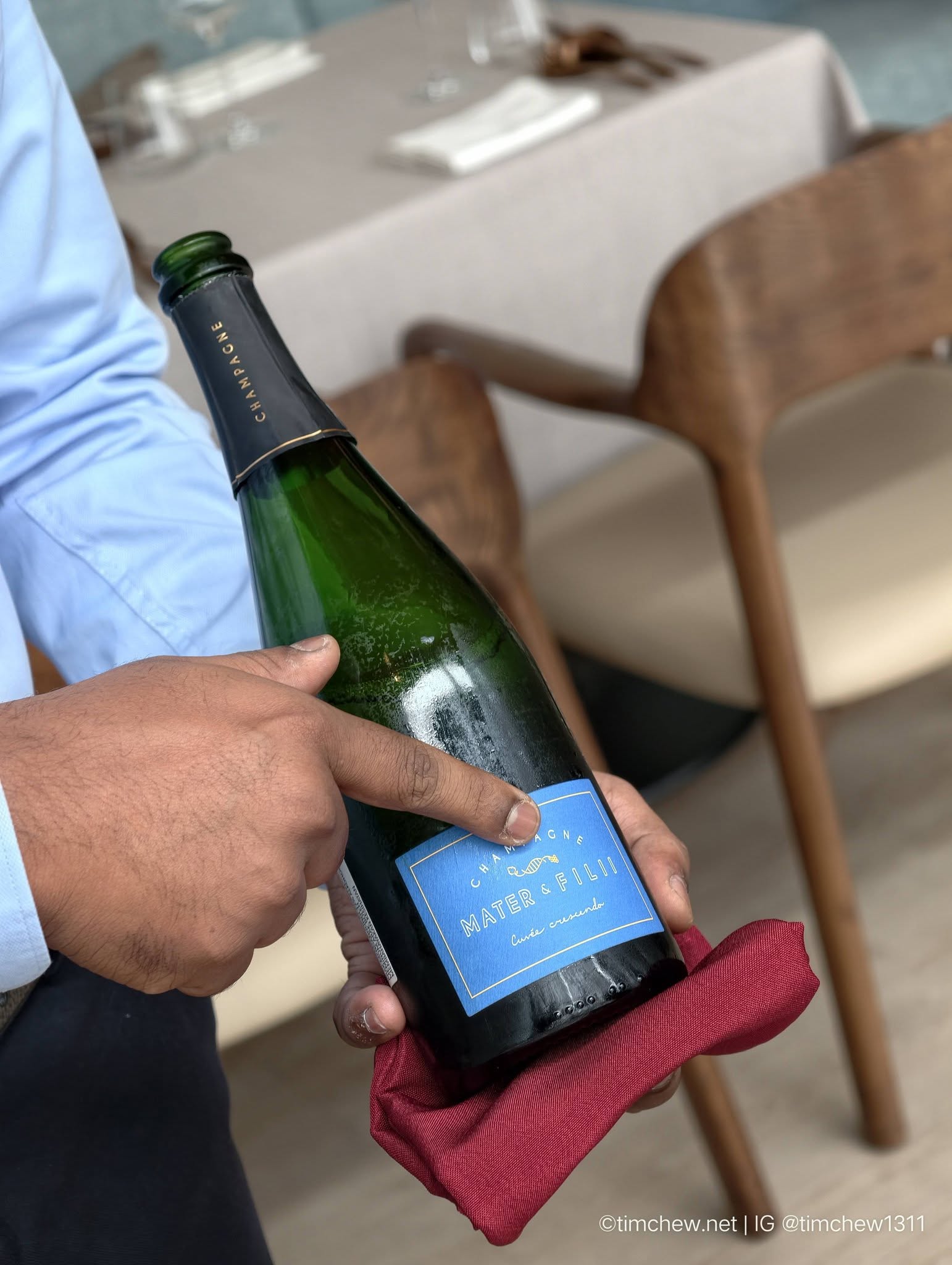
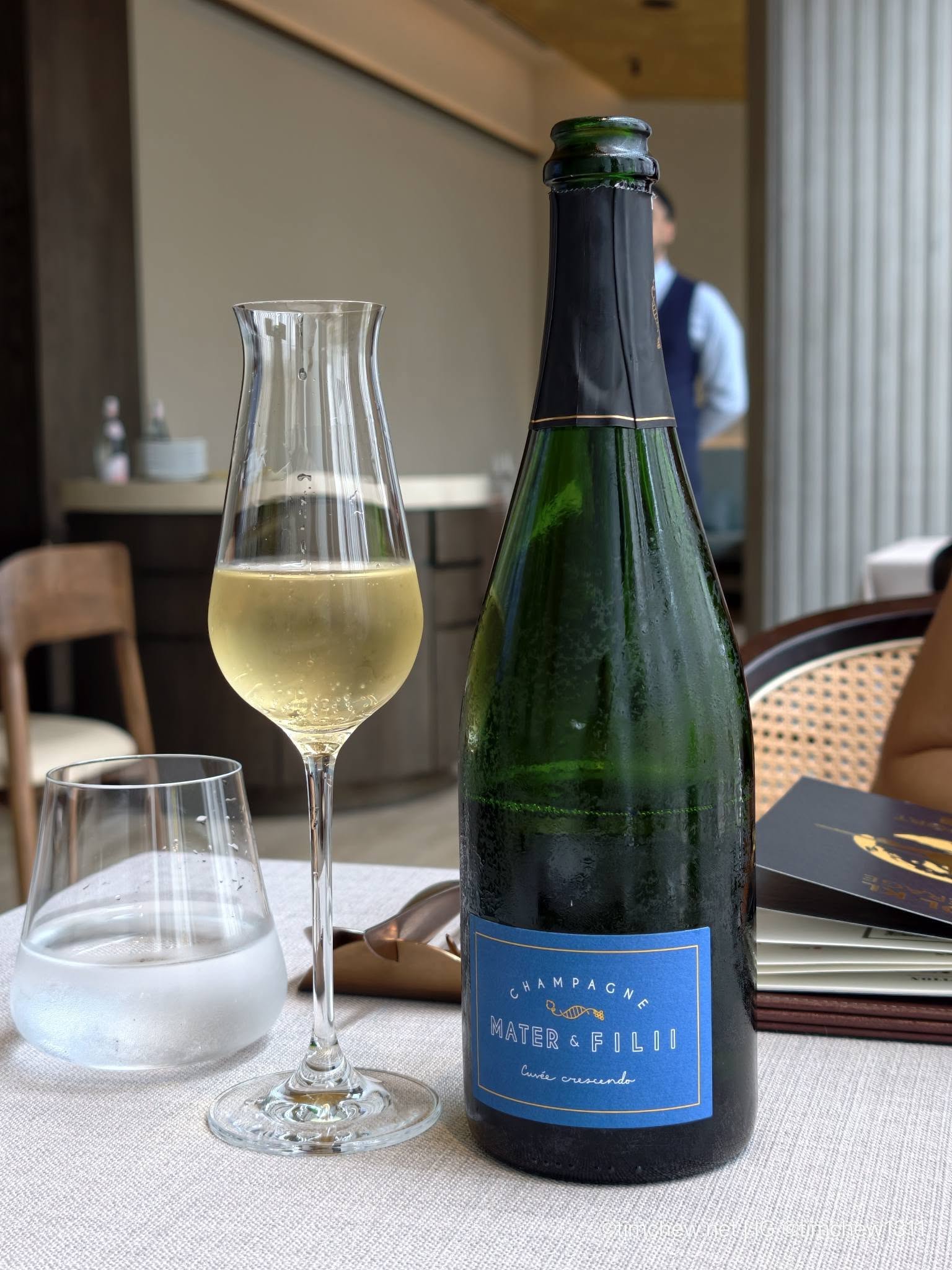
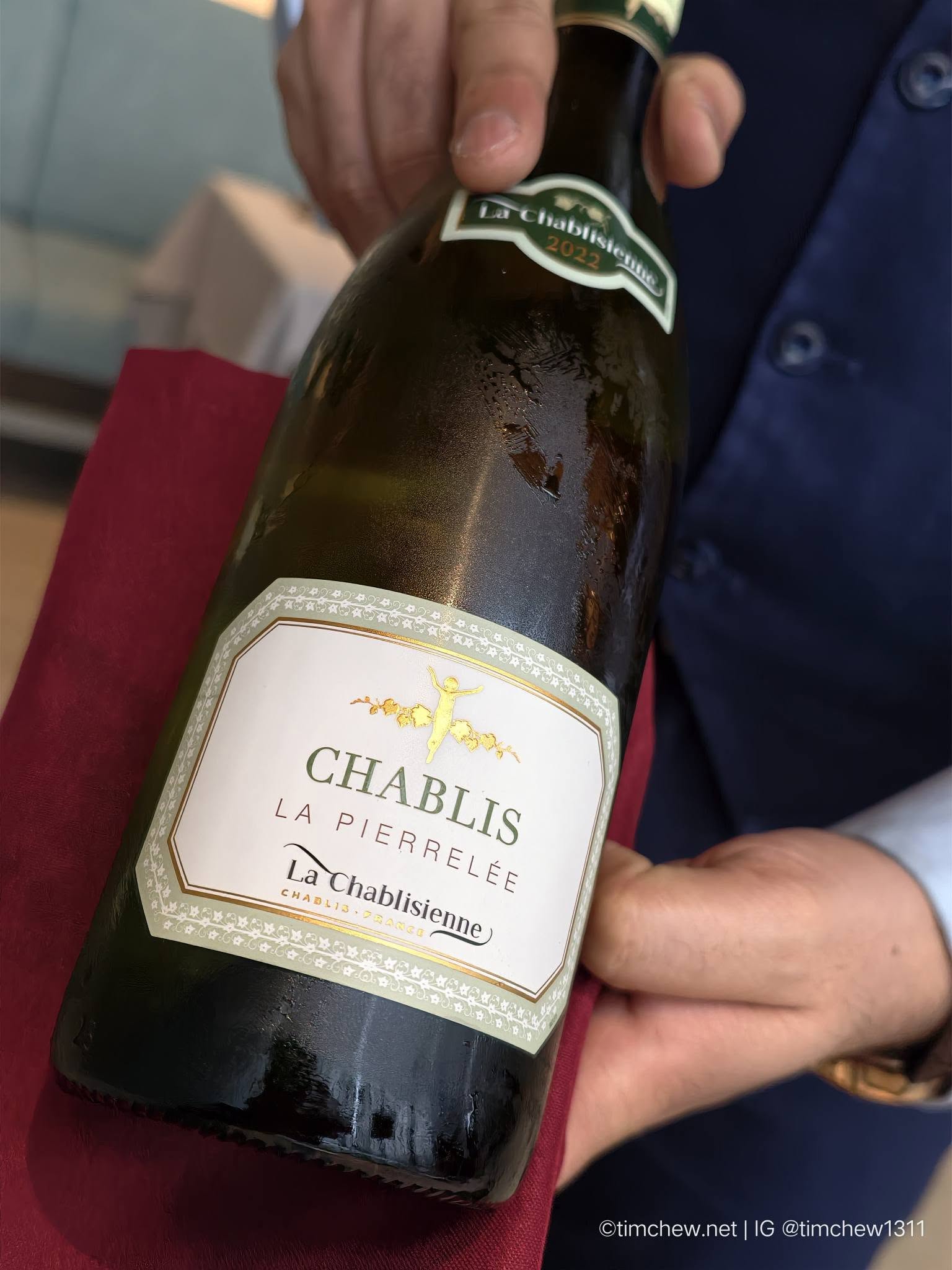
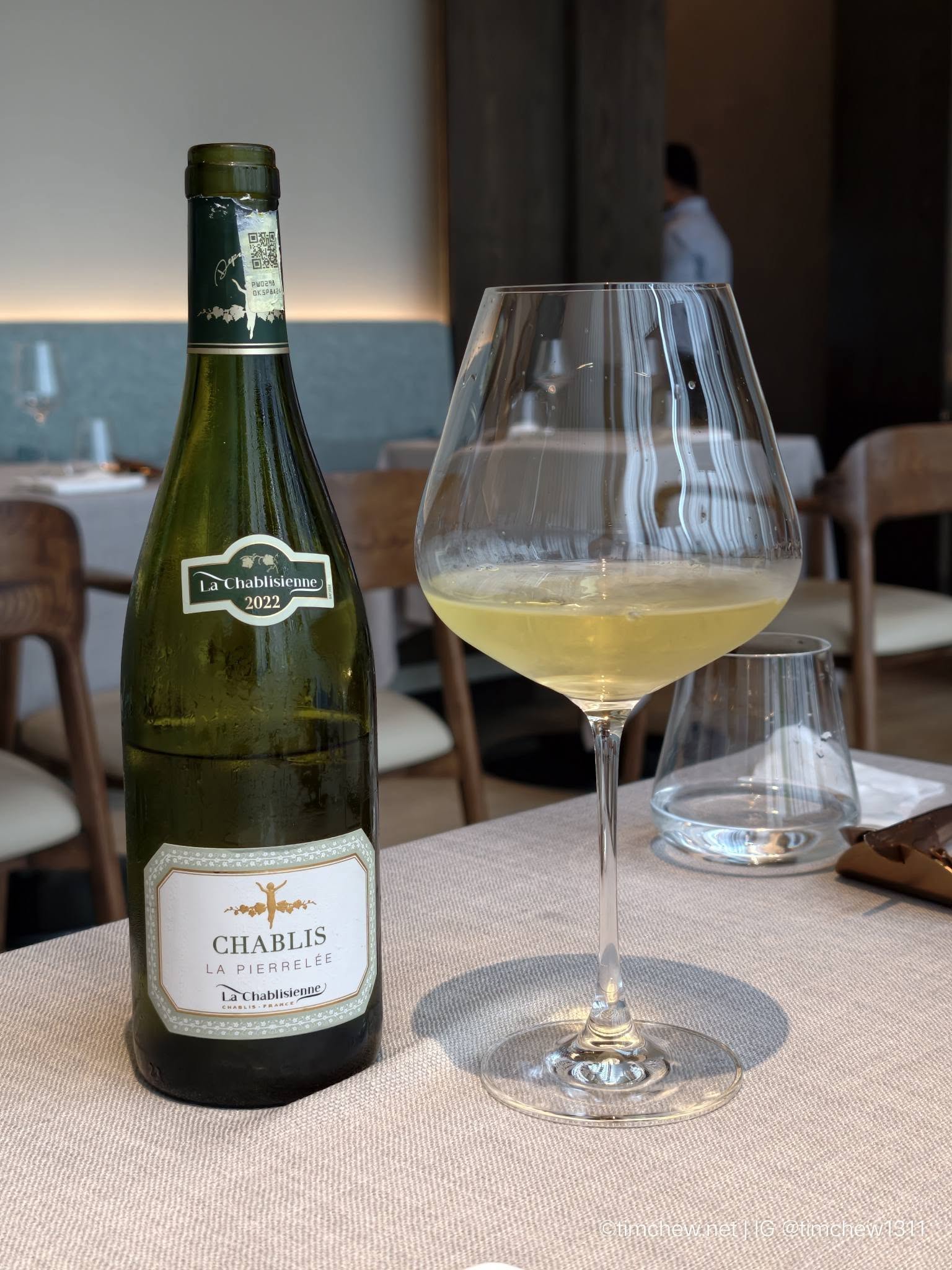
For corporate diners weighing where to host a working lunch (there are two private rooms upstairs which can comfortably fit 10 pax in each, or joined to fit 20 pax), the format is worth noting: the set is structured to move efficiently within a midday meeting window, while the option to add courses or premium proteins gives hosts room to scale the meal up for a more significant occasion. JHOL also serves alcohol, including a beverage programme built around a collaboration with champagne house Bollinger, which extends its appeal to entertaining clients beyond the lunch hour.
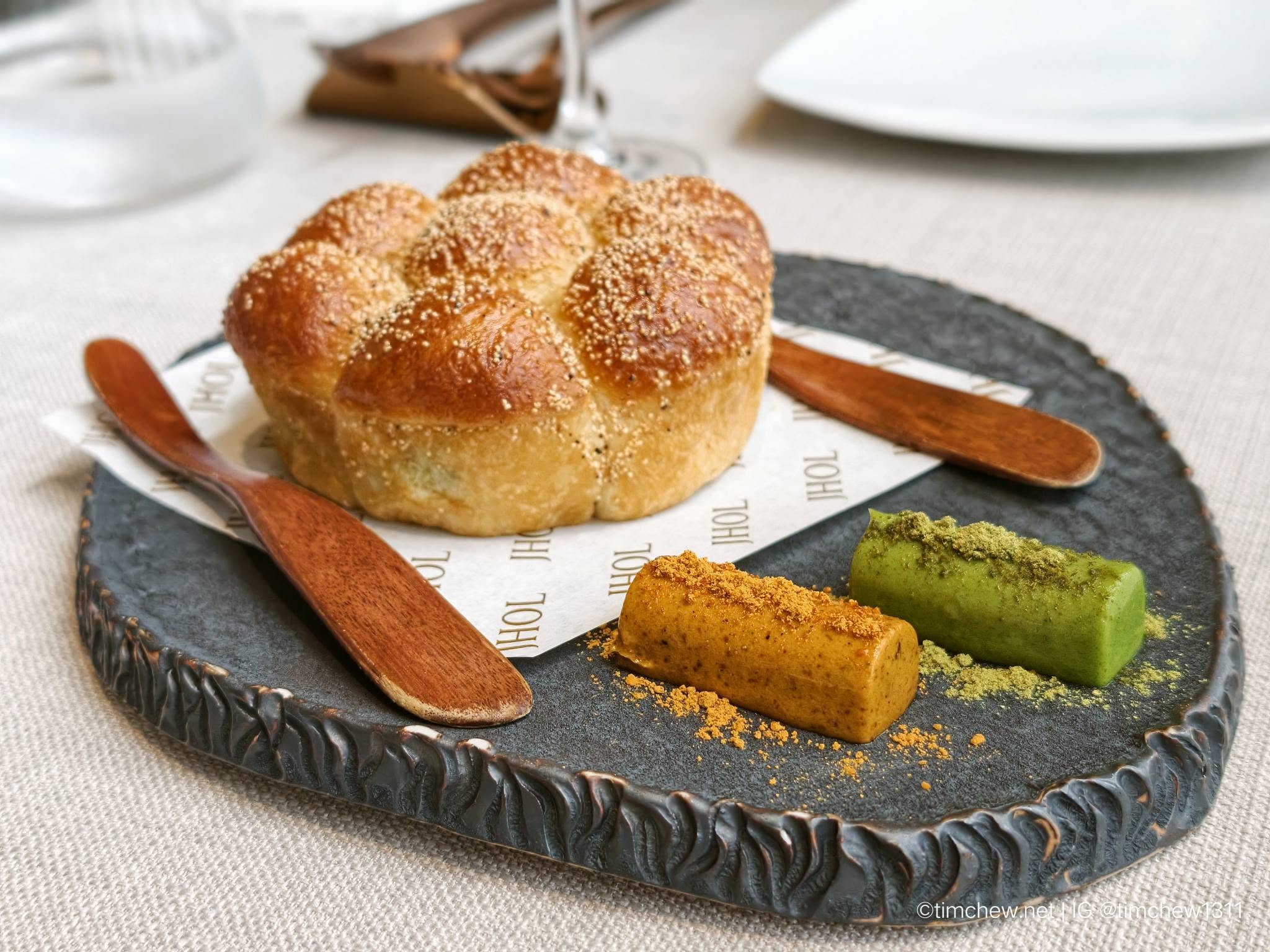
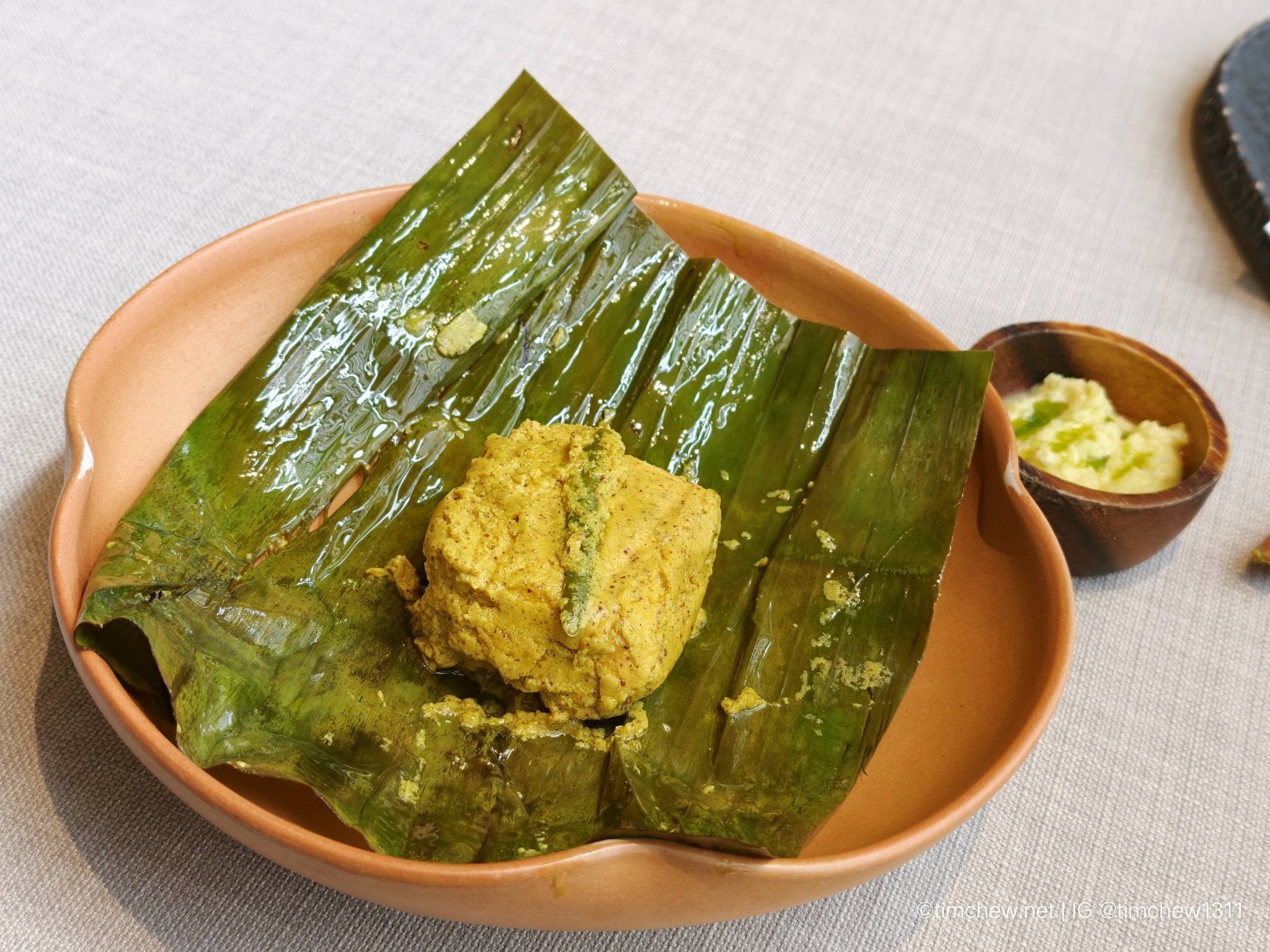
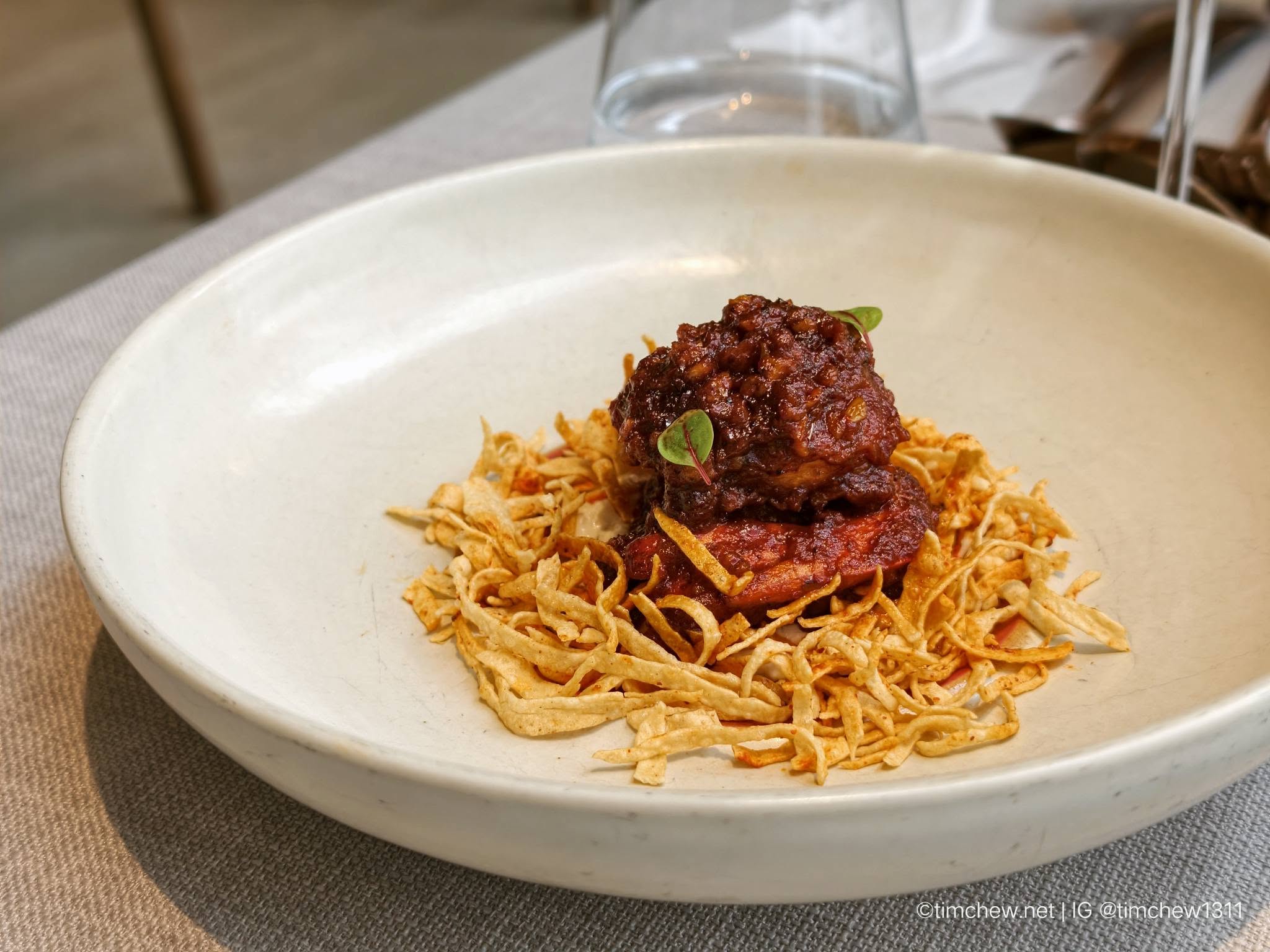
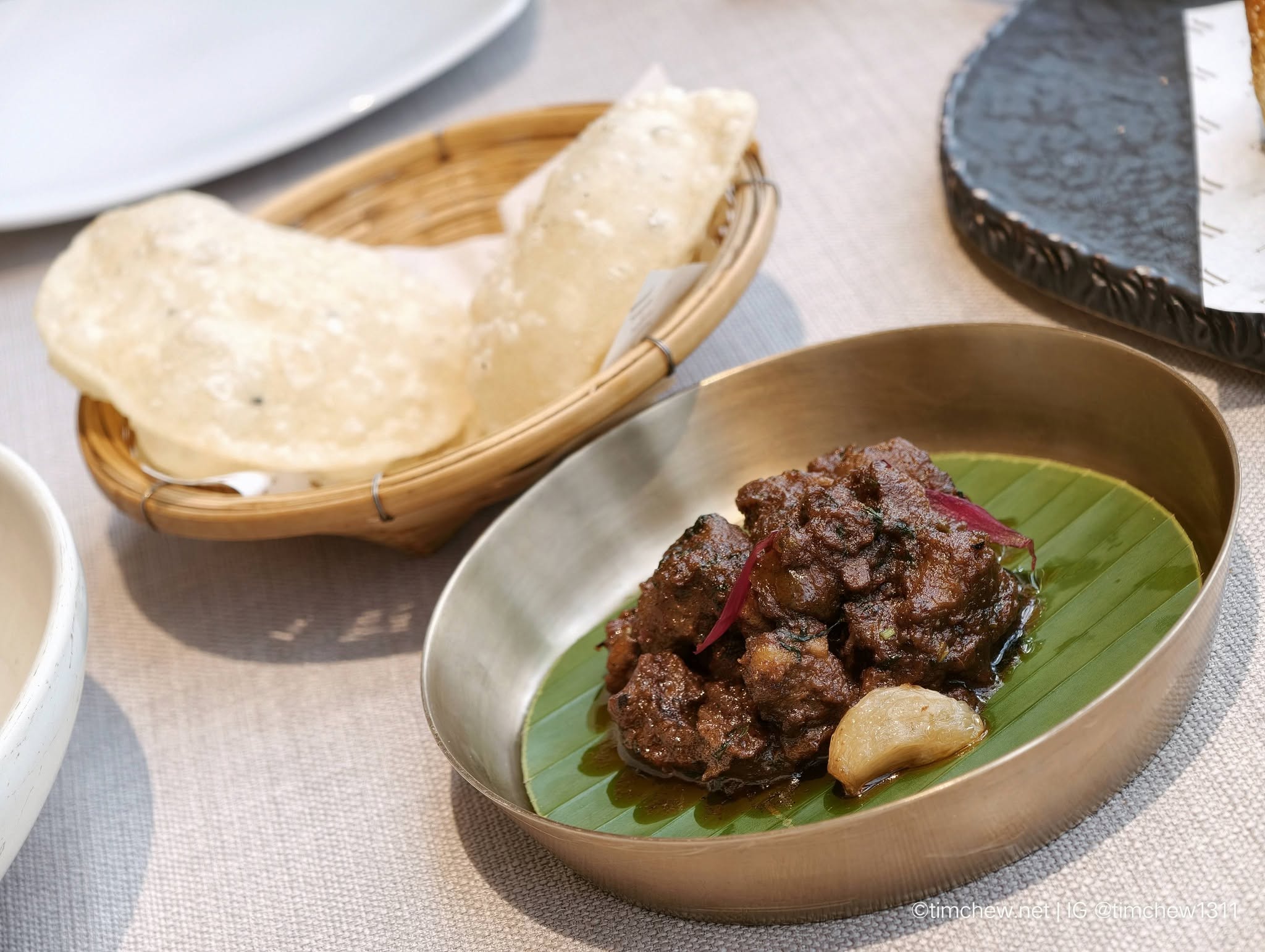
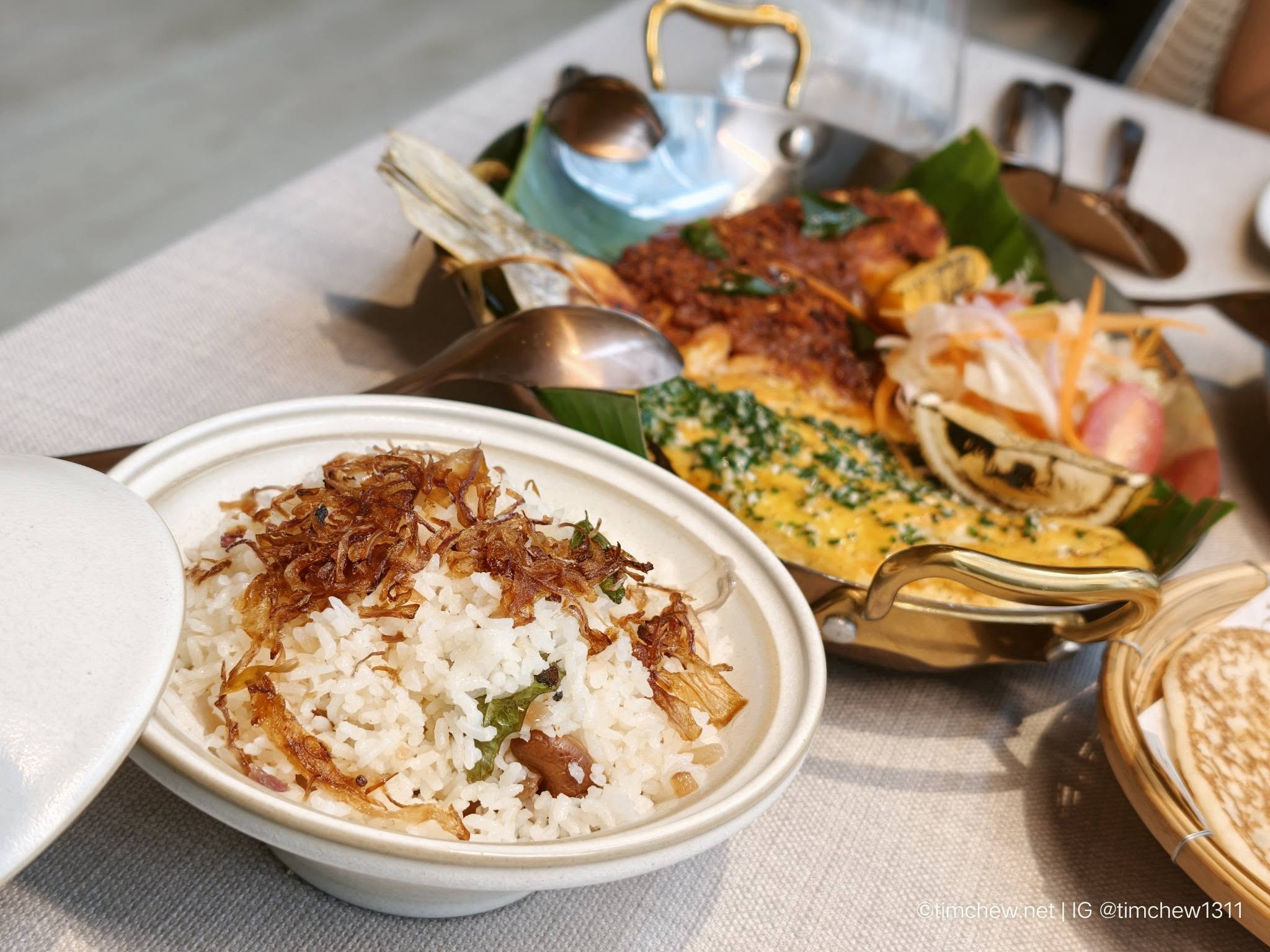
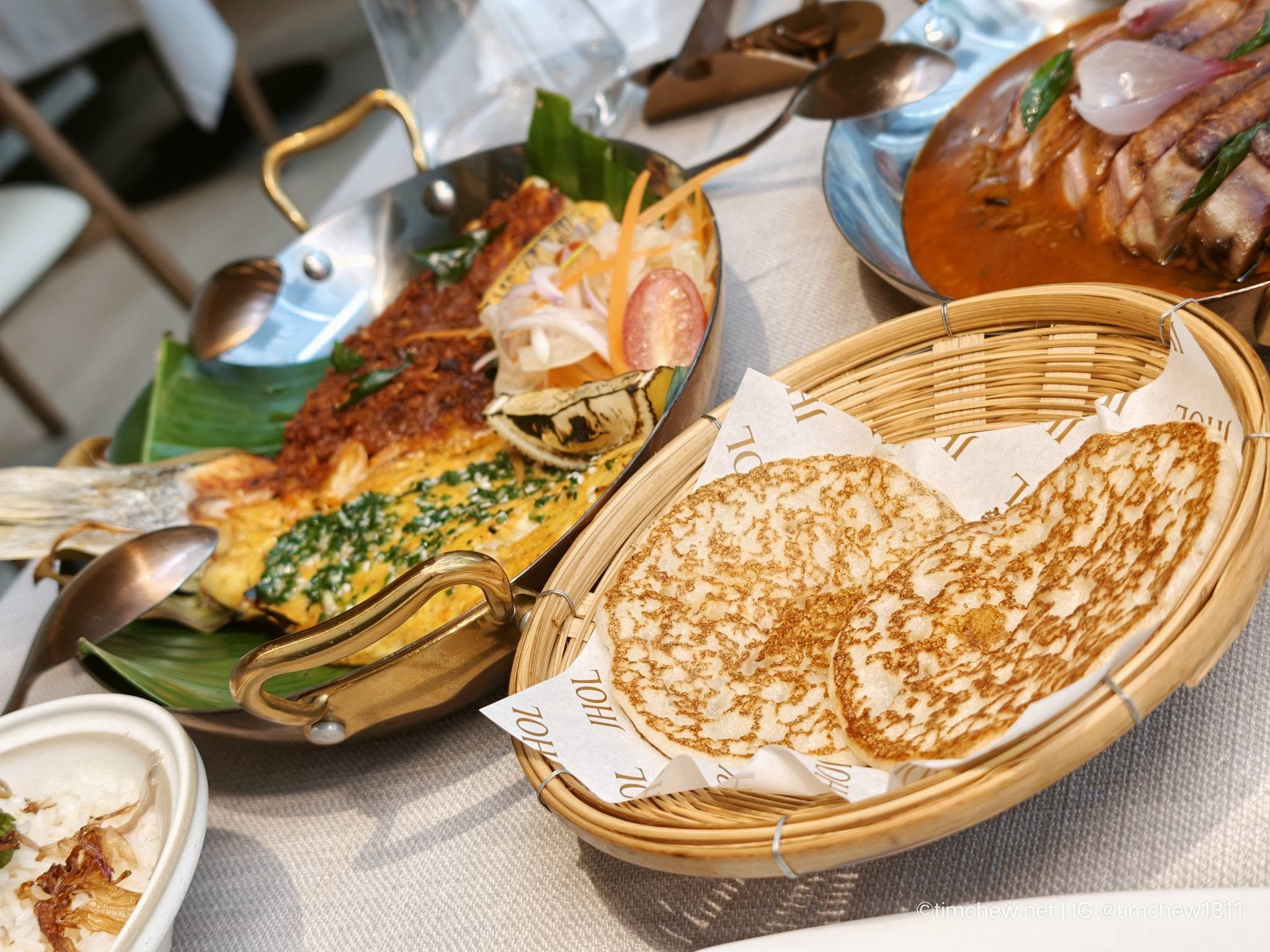
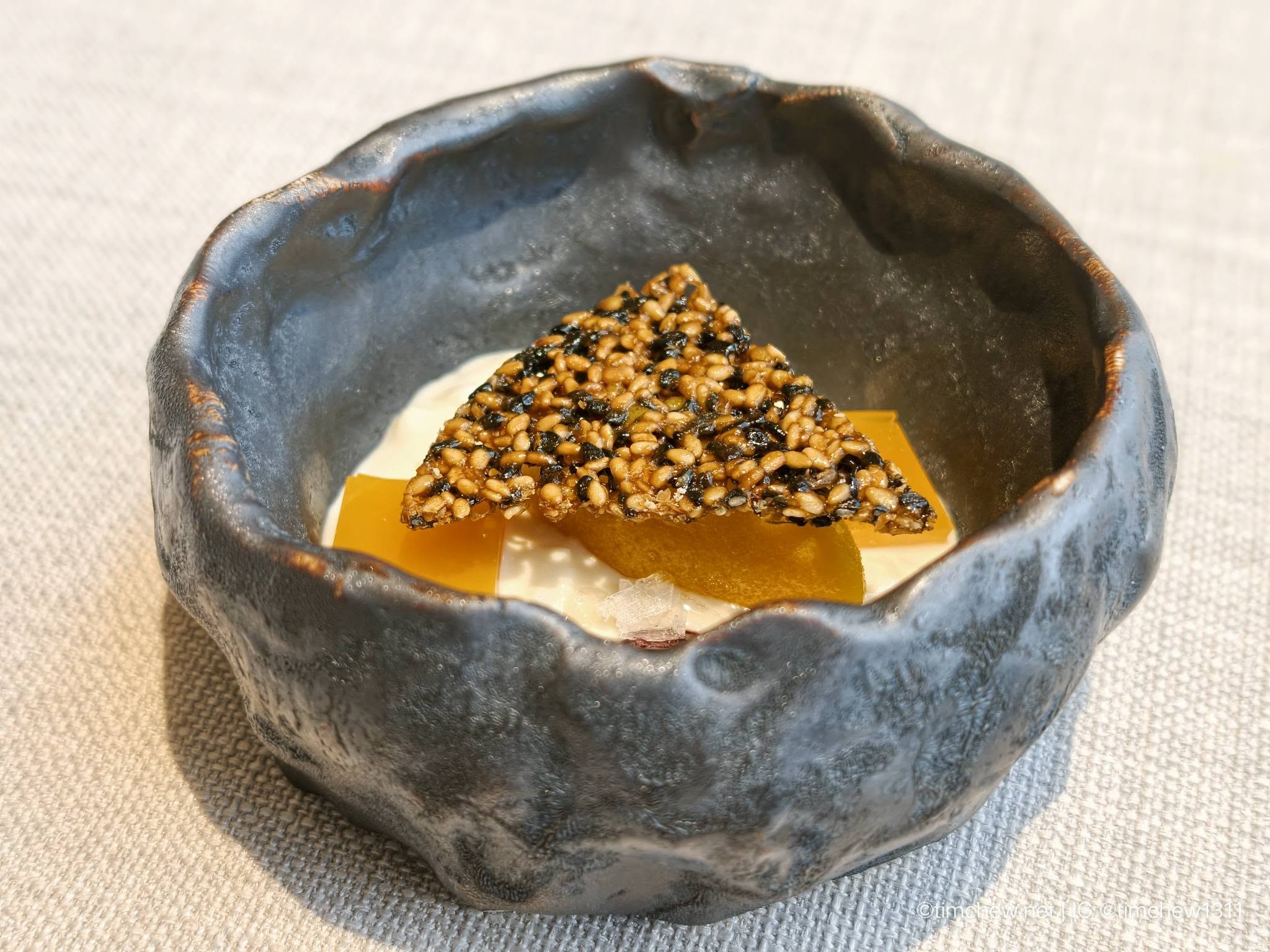
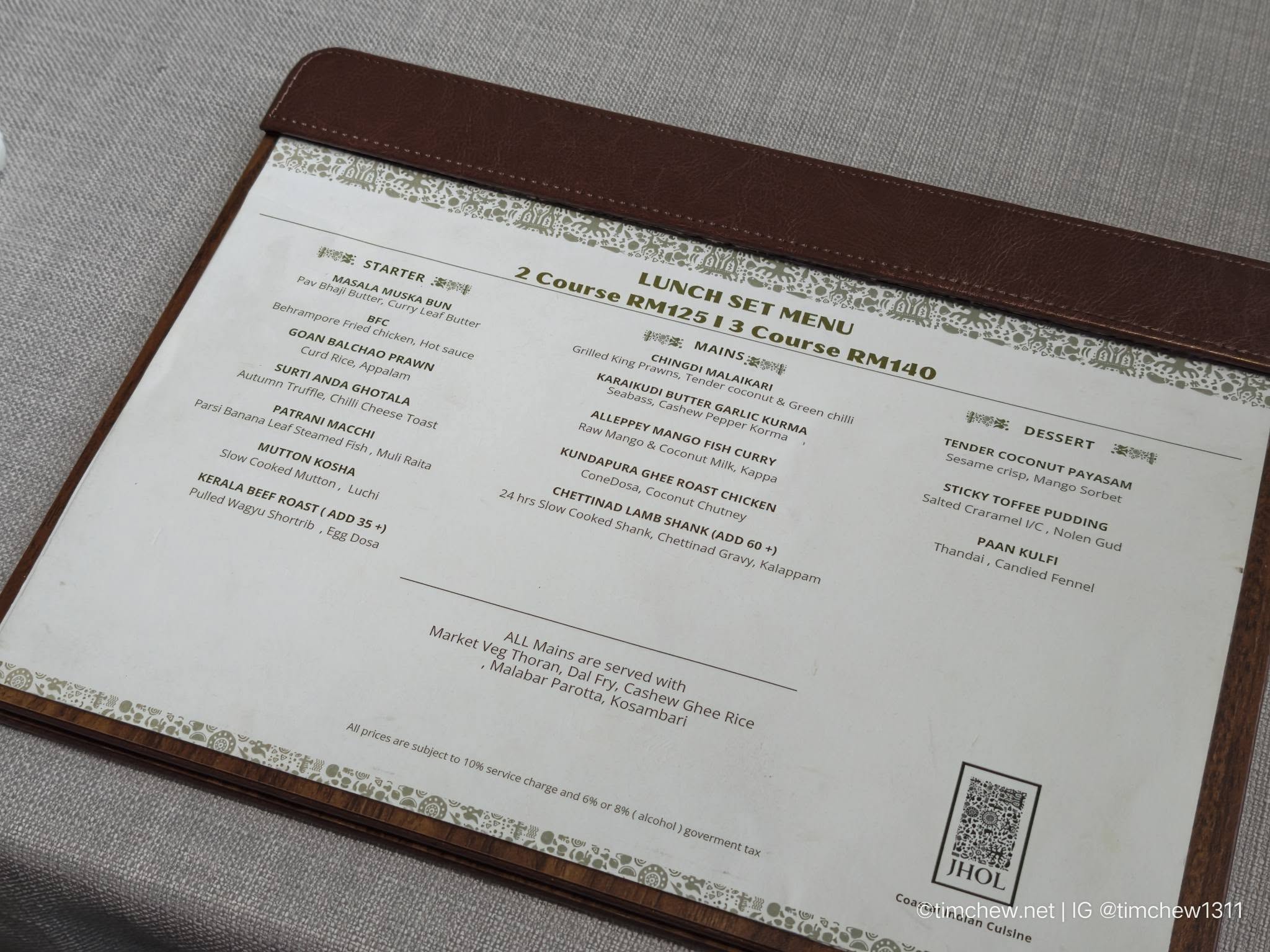
During a recent visit hosted by the restaurant, we sampled dishes from Jhol’s lunch set menu that caters to busy senior corporate leadership/ management looking to entertain clients/ guests, or lawyers (the courthouse is located just a few minutes away).
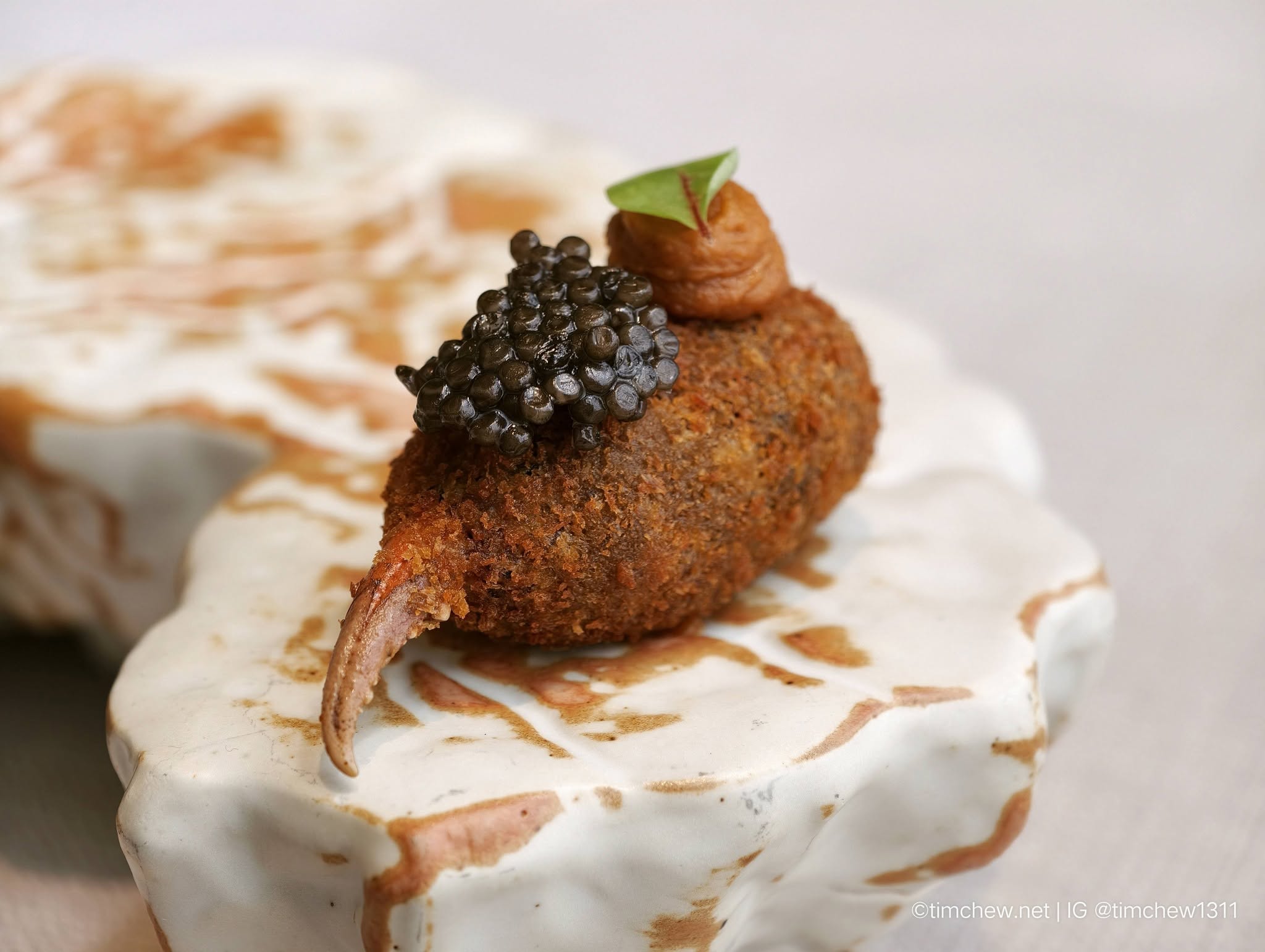
The meal opened with a prelude of three small plates: an avocado acchapam, a sesame rice cracker topped with spiced avocado mousse and tamarind gel; a mini appam, a fermented rice cup filled with curd rice, mango pickle and pomegranate; and a crab urundai, a pulled pepper crab croquette finished with tomato chutney and caviar. Each plate carried a distinct regional identity while staying light enough to set up the courses that followed.
The starters carried that same range. Bhapa maach, a mustard- and poppy seed-marinated salmon steamed in banana leaf, came with a pickled daikon raita that cut through the richness of the fish. Balchao prawn, a spicy and sour preparation served over curd rice with crisp appalam, leaned into bolder, more assertive spicing. Mutton kosha, a slow-cooked mutton dish finished with mustard oil and an onion seed-flavoured puffed bread, rounded out the trio with a deeper, more textured curry.
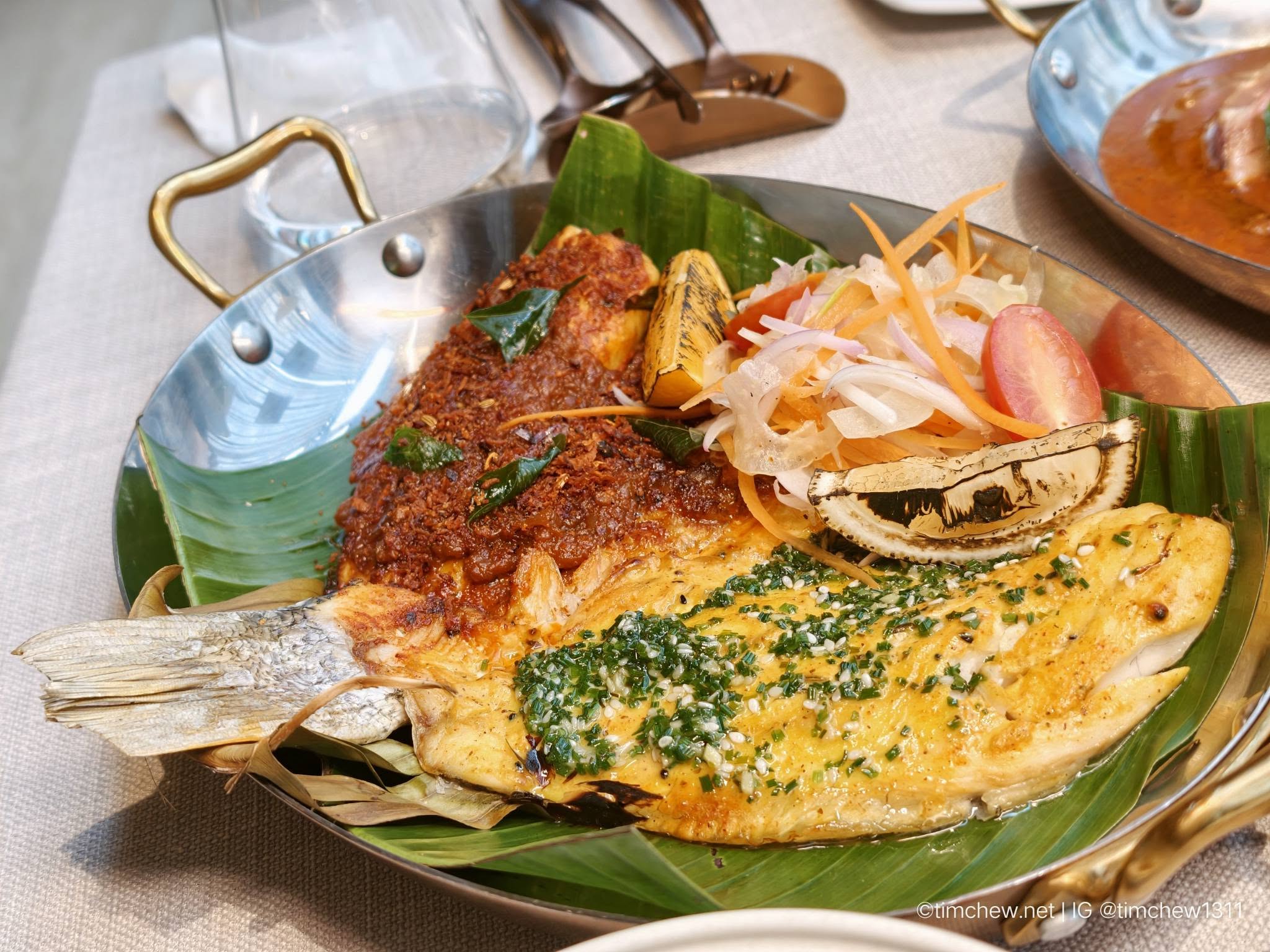
Among the mains, two dishes stood out. The coast-to-coast preparation, a golden snapper marinated two ways, used kashundi mustard to represent the eastern coastline and a red chilli-tamarind masala for the west, finished with a shallot and tomato relish — a dish built specifically to illustrate the geographic range the kitchen draws on.
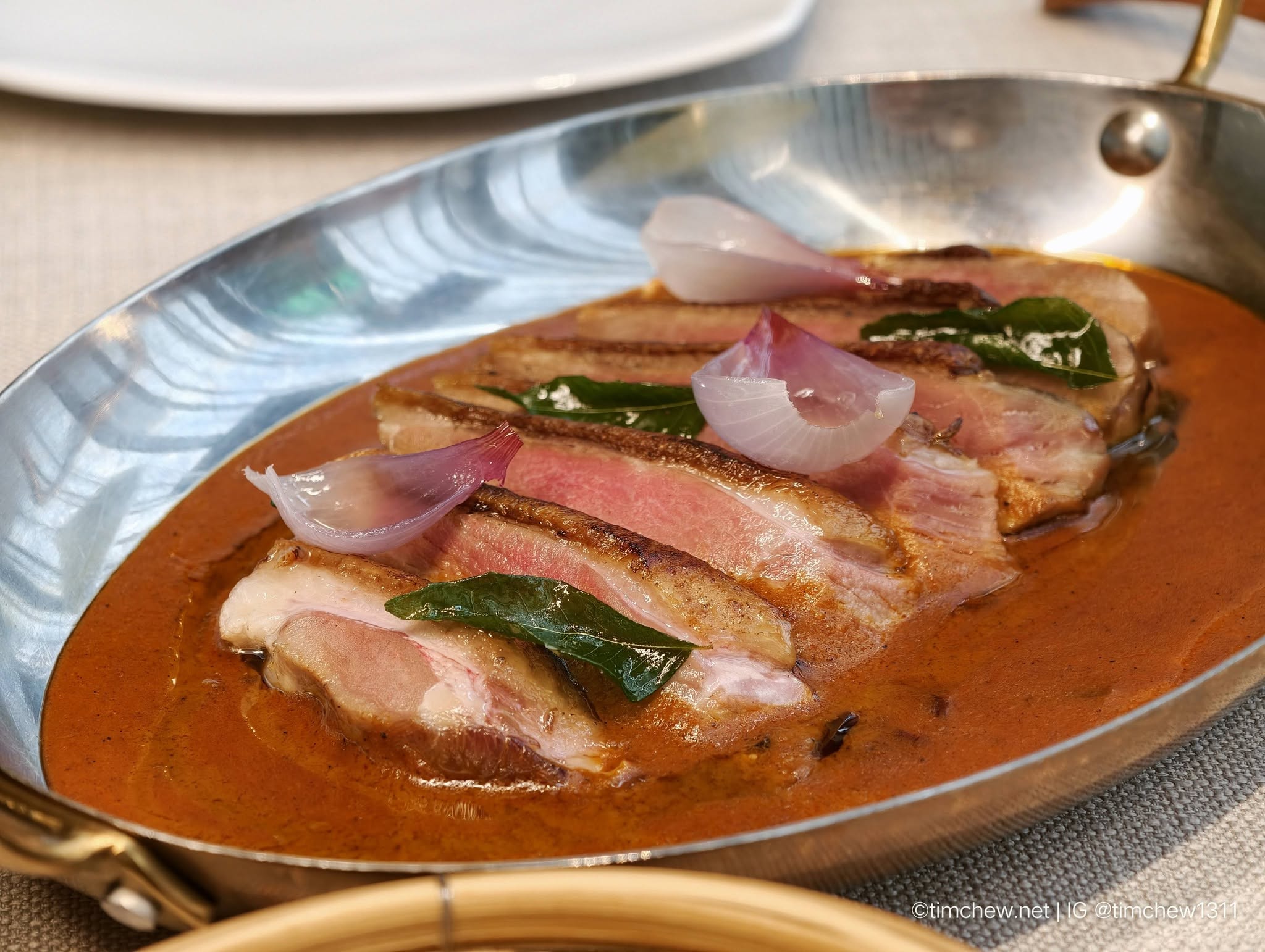
The clear highlight, however, was the duck mappas, an à la carte addition priced at RM110: Perak-sourced duck breast in a coconut, black pepper and fennel gravy, served with kal appam, a fermented rice pancake flavoured with cumin and garlic. The duck was cooked with notable precision, and the gravy’s balance of spice and coconut sweetness made it the most memorable dish of the meal (although not part of the lunch set menu, I do encourage you to add it on!).
Dessert closed the meal with a tender coconut payasam — a young coconut and milk pudding paired with mango sorbet, berry gel, passionfruit jelly and a salted sesame cracker — offering a light, well-balanced finish.
The execution on display in that tasting menu reflects the same kitchen behind the new lunch set, which gives corporate diners a more accessible entry point into JHOL’s coastal Indian repertoire. With two course structures, a fully vegetarian menu, add-on proteins and a full beverage list (including wine), the lunch set positions JHOL as a practical option for companies looking to host working lunches or entertain clients without committing to the full tasting menu format.
JHOL is located at G-01, The Met Corporate Towers, Jalan Dutamas 2, 50480 Kuala Lumpur, and is open daily for lunch and dinner.
Reservations can be made at +60125024528 or reservations@jholrestaurantkl.com
For more info, head over to https://jholrestaurantkl.com/
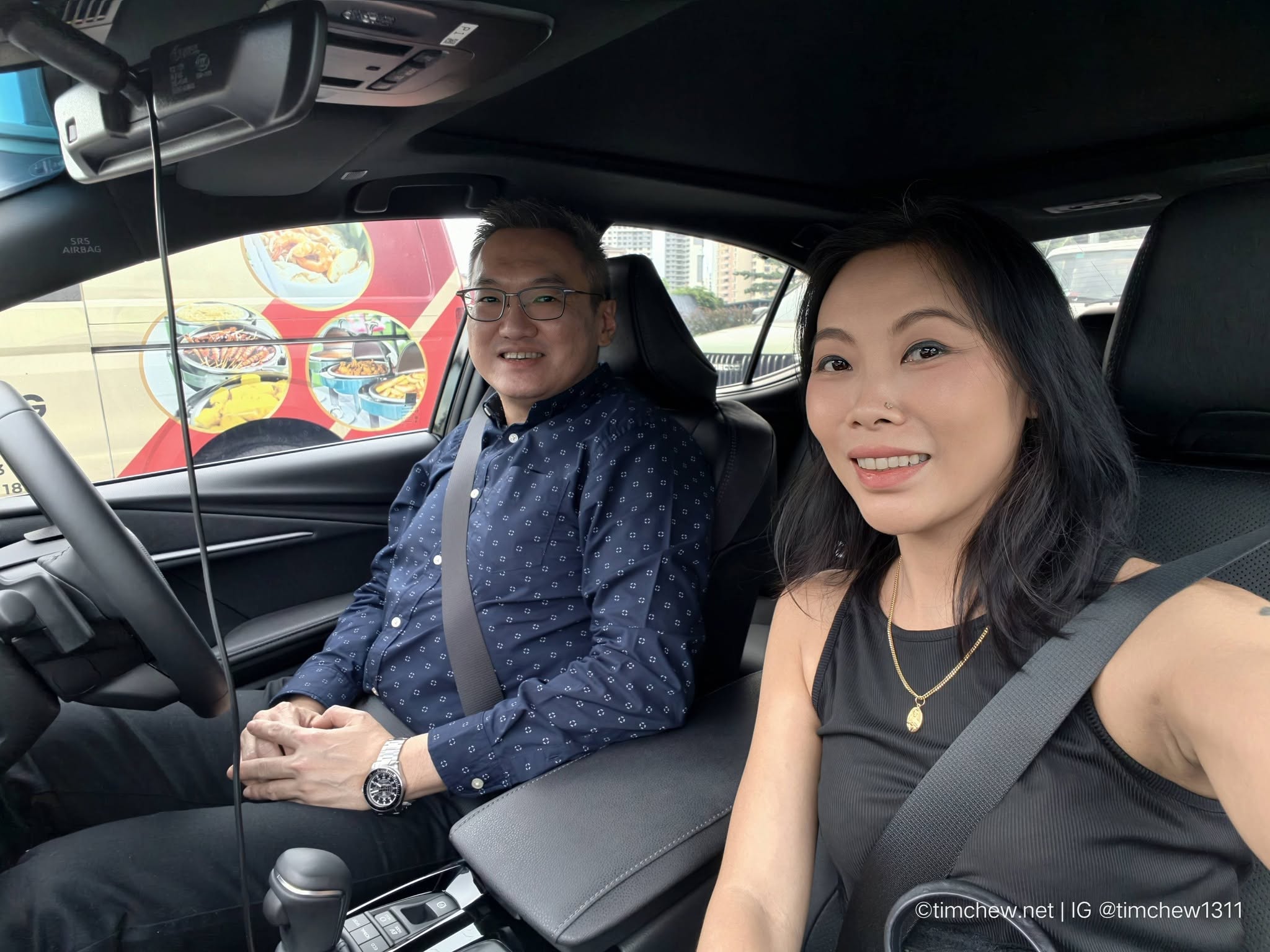
More pics of the car will be in parts 2, 3 and 4.
The Toyota Camry 2.5 HEV is priced at RM248,800 in Malaysia. For more information, visit toyota.com.my
Photos by the author using a vivo flagship smartphone.


