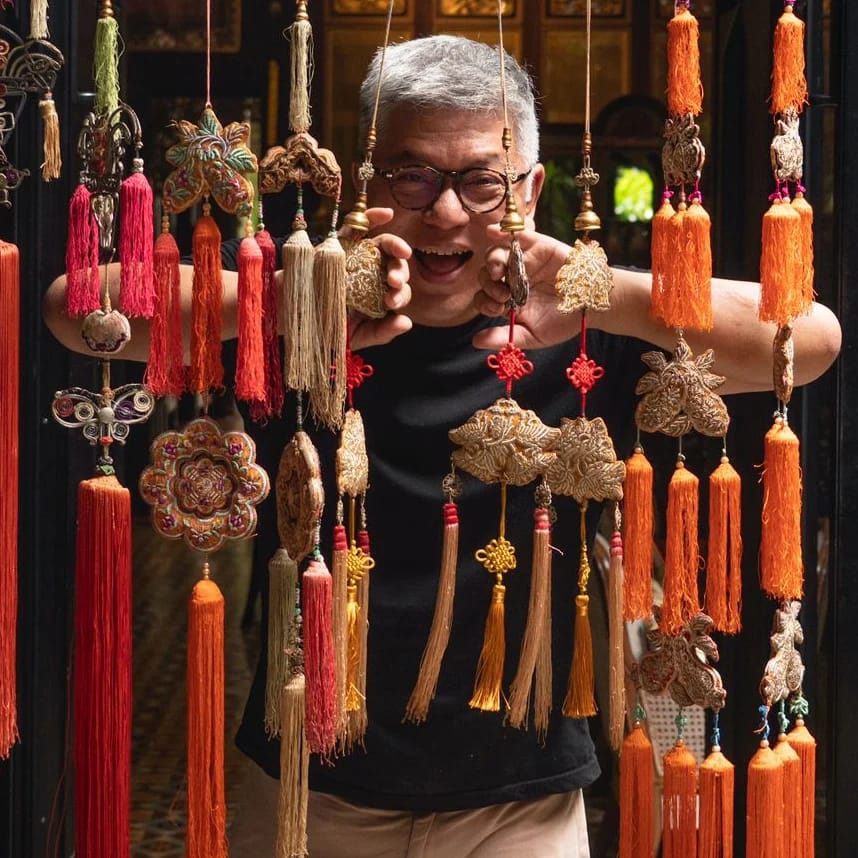
Colin Yap has spent his career moving between worlds — London hotel groups and independent restaurants, Kuala Lumpur’s dining scene and the heritage lanes of George Town — and each transition has been deliberate.
Born in Ipoh and educated in the United Kingdom, Yap is the Group General Manager of George Town Heritage Hotels (GTHH), a collection of boutique properties in Penang dedicated to the preservation of the city’s UNESCO World Heritage architecture and culture. He works closely alongside founder and Managing Director Chris Ong, one of Malaysia’s most recognised figures in heritage conservation and hospitality.
His path to Penang was not a straight one. After graduating in the UK, Yap built his early career in London, taking on food and beverage and revenue management roles with Hilton, Thistle and Radisson Hotels. At the Mountbatten Hotel, he met his conference and banqueting sales targets within six months before moving to the flagship Hampshire Hotel, where he delivered comparable results. At the Berkshire Hotel, he led the restaurant to win AA and RAC four-rosette food awards in consecutive years — a benchmark that reflects both the calibre of the establishment and the discipline required to sustain it.
He subsequently moved into the independent restaurant sector, working with Busaba Eathai and the Red Fort Group, and was involved in launching a franchise operation at a UK airport — an experience that added a different operational dimension to his background.
In 2008, he returned to Malaysia and opened Albion, a British restaurant in Bukit Bintang, Kuala Lumpur. The restaurant developed a following within the city’s expatriate community and went on to win recognition from Tatler and Time Out KL, among other awards.
Ten years later, in 2018, Yap made a different kind of move — not toward a larger market, but toward a more personal one. He relocated to George Town to reconnect with his roots, drawn by both the city’s character and the opportunity to work on something with longer-term significance than the restaurant trade.
That opportunity was GTHH. Under Yap’s management, the group’s properties have undergone careful, considered development. He played a central role in securing Tourism Malaysia’s upgrade of Seven Terraces from a three-star to a four-star classification — a recognition that reflected improvements not just in facilities but in the overall standard of the guest experience. More recently, he led the restoration of Argus Residence, a 100-year-old property shaped by Penang’s historic Eurasian community, with close attention to authentic materials and the building’s original character.
His background in F&B — stretching from rosette-winning kitchens in London to his own restaurant in Kuala Lumpur — also informs how the group approaches its dining offerings. Peranakan cooking was part of his earliest food memories, and that connection runs through the culinary identity that GTHH has cultivated across its properties.
Yap’s career is, in many ways, a study in how hospitality expertise accumulates across different contexts — and how those accumulated skills eventually find a purpose that goes beyond operations or revenue management. Heritage preservation is a discipline that demands patience, knowledge and a certain conviction that what is being protected is worth the effort. His move to Penang in 2018 suggests he had arrived at that conviction some time before he acted on it.
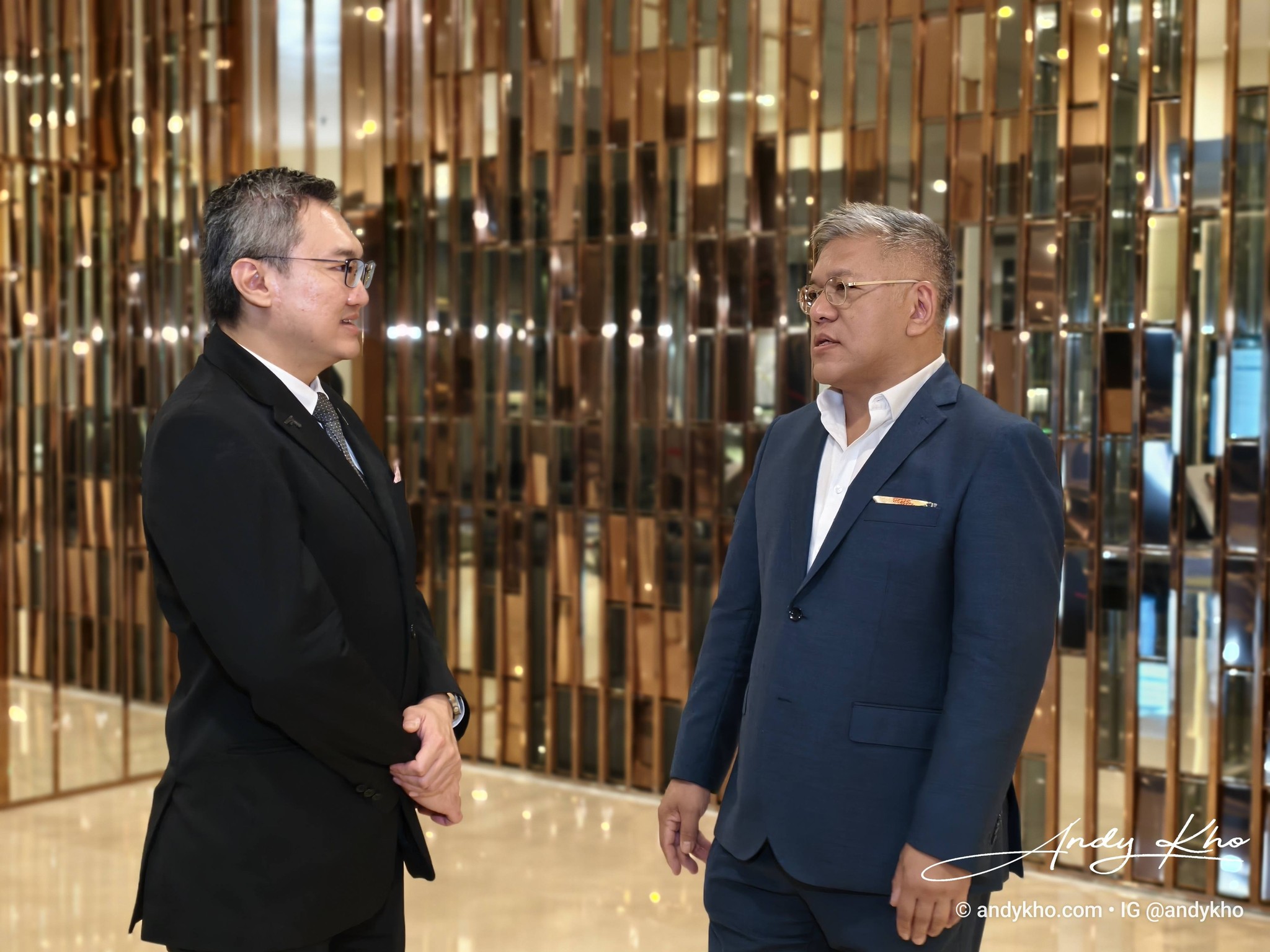

The following is the transcript of our conversation with Colin Yap, Group General Manager of George Town Heritage Hotels.
Tim Chew: How would you describe our leadership style and how has it evolved throughout your hospitality career?
Colin Yap: My leadership style is grounded in our core values of integrity, compassion, and fairness. I am a people-centred leader who invests time in understanding and supporting the team, because strong team well-being drives guest satisfaction. I am also hands-on and lead by example. I value open communication to maintain clear, accessible channels for team feedback.
As I progressed in my career, my leadership style evolved with each role. As a supervisor, I focused on SOPs, task completion, and coaching junior staff. As a head of department, my focus shifted to team development, conflict resolution, and cross-department collaboration. Now, as a General Manager, I focus on building culture, driving financial performance, strengthening brand alignment, and delivering on strategic goals.
Tim Chew: What are the most important skills a leader must have today in hospitality?
Colin Yap: In hospitality, leadership has a direct impact on the guest experience, so the most important skills today are empathy, cross-cultural awareness, and the ability to respond quickly in a crisis. With ongoing labour shortages and the rapid adoption of service technology, leaders must combine personal connection with operational efficiency.
Tim Chew: What are the biggest challenges facing the Malaysian hospitality industry right now and how is your property responding?
Colin Yap: The Malaysian hospitality industry is facing major structural challenges, including severe labour shortages, rising utility and labour costs, competition from unregulated short-term rentals, and high OTA commissions. These pressures are further intensified by broader economic uncertainty and global market volatility.
To respond, we have cross-trained our teams so we can deploy manpower more flexibly across departments and properties.
The increase in Sales and Service Tax (SST) to 8%, together with sharp rises in electricity tariffs and the higher minimum wage, has significantly raised hotel operating costs in Malaysia. In response, we closely manage utility consumption and promote greener operating practices.
Unlicensed alternative accommodations and Air B&B-style rentals continue to put pressure on room rates without being subject to the same taxes, safety standards, or licensing requirements as legitimate hotels. Combined with high OTA commissions, this narrows margins for independent properties. As competing on price is difficult, we focus on creating value-added experiences that are available only through direct bookings.
Tim Chew: How is your property approaching sustainability and what tangible steps have you taken that guests can actually see and experience?
Sustainability has been part of George Town Heritage Hotels (GTHH) from the beginning. In developing our properties, we repurpose architectural materials such as granite, timber, and tiles, and we use vintage pieces alongside furniture made from reclaimed materials. Guests can see this commitment through the creative upcycling found throughout our hotels.
We have also reduced single-use plastics and other disposable items as much as possible. Instead of mini plastic bottles, we provide refillable ceramic dispensers for shampoo, conditioner, and body wash, and we use glass bottles for filtered water. We also source produce locally for our restaurants, use energy-efficient lighting, and set the air-conditioning at 23°C.
Tim Chew: What role do you believe Malaysia hotels should play in preserving local culture, communities and the environment for future generations?
Malaysian hotels should act as active custodians of the nation’s heritage by embedding cultural preservation, community support, and environmental responsibility into daily operations. As tourism grows, hotels have a unique opportunity to help safeguard Malaysia’s distinct identity for future generations. Hotels can support sustainability and heritage preservation through practical, high-impact initiatives.
At GTHH, we have restored historic buildings into boutique hotels within George Town’s UNESCO World Heritage Site. Each property is designed to reflect the city’s cultural heritage and give guests a distinctive local experience. We also organise authentic cultural activities such as traditional cooking masterclasses, Pai Tee Kong celebrations, Heritage Day exhibitions at The Seven Terraces Gallery, Hungry Ghost Festival events, and Peranakan cultural showcases. For ten years, GTHH sponsored the Penang Heritage Trust Living Heritage Awards, which recognise local artisans.
From an environmental perspective, hotels can take practical steps such as:
- Zero-Waste Initiatives: eliminating single-use plastics, implementing on-site food waste composting, and using smart energy-saving systems.
- Green Building Certifications: constructing and retrofitting properties to meet recognised eco-standards, such as Malaysia’s Green Building Index (GBI), to reduce carbon emissions, water use, and urban heat effects.
Tim Chew: Where do you see Malaysian hospitality in 10 years, and what must leaders do today to ensure it thrives sustainably?
Colin Yap: By 2036, Malaysia’s hospitality industry will transform into a hyper-personalised, eco-centric, and tech-driven ecosystem anchored firmly by its legendary cultural warmth (budi bahasa). To ensure this future thrives sustainably, current hospitality leaders must immediately bridge the gap between cultural heritage and emerging technologies.
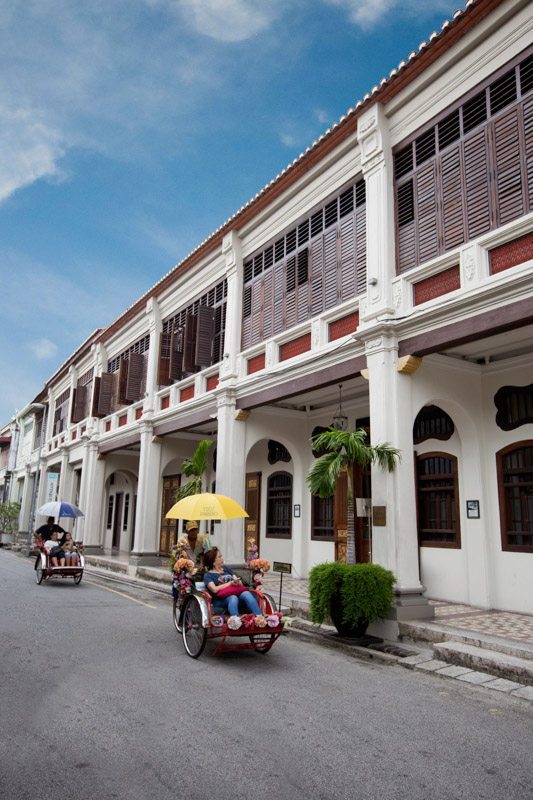
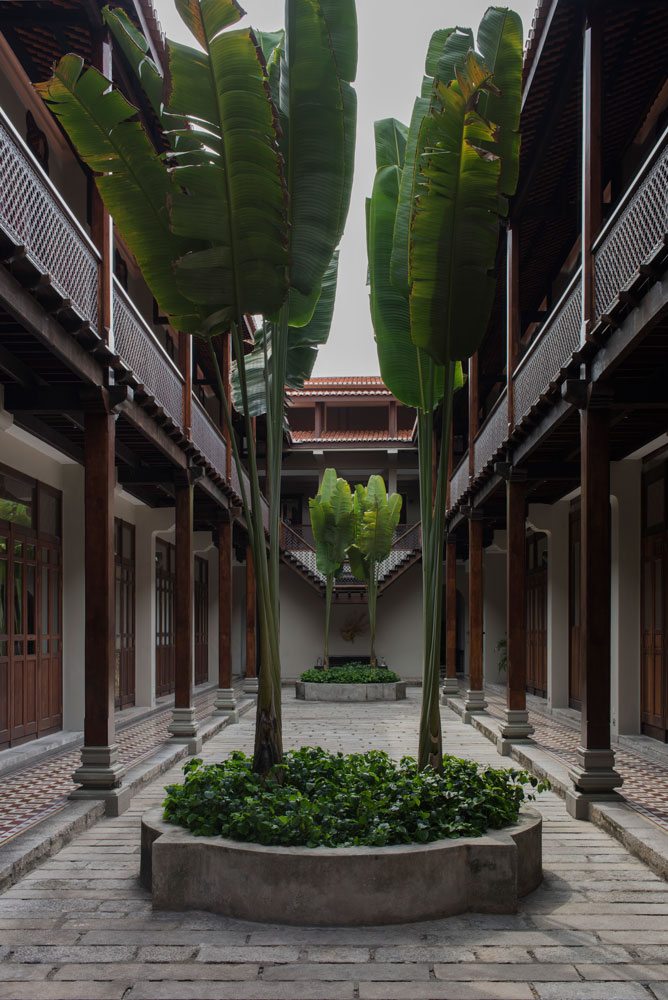
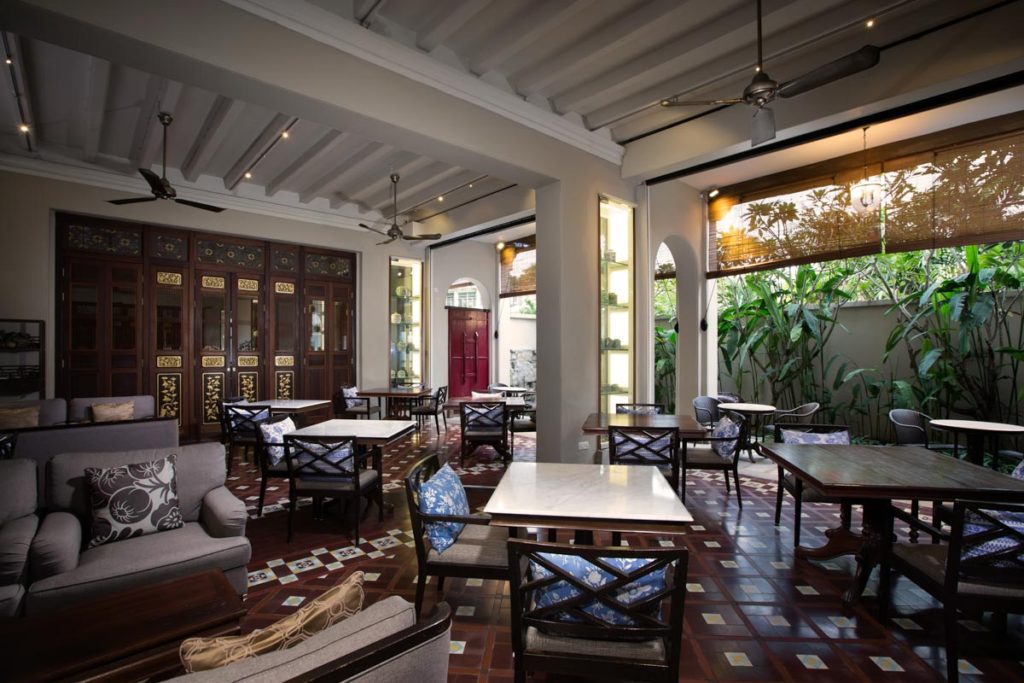
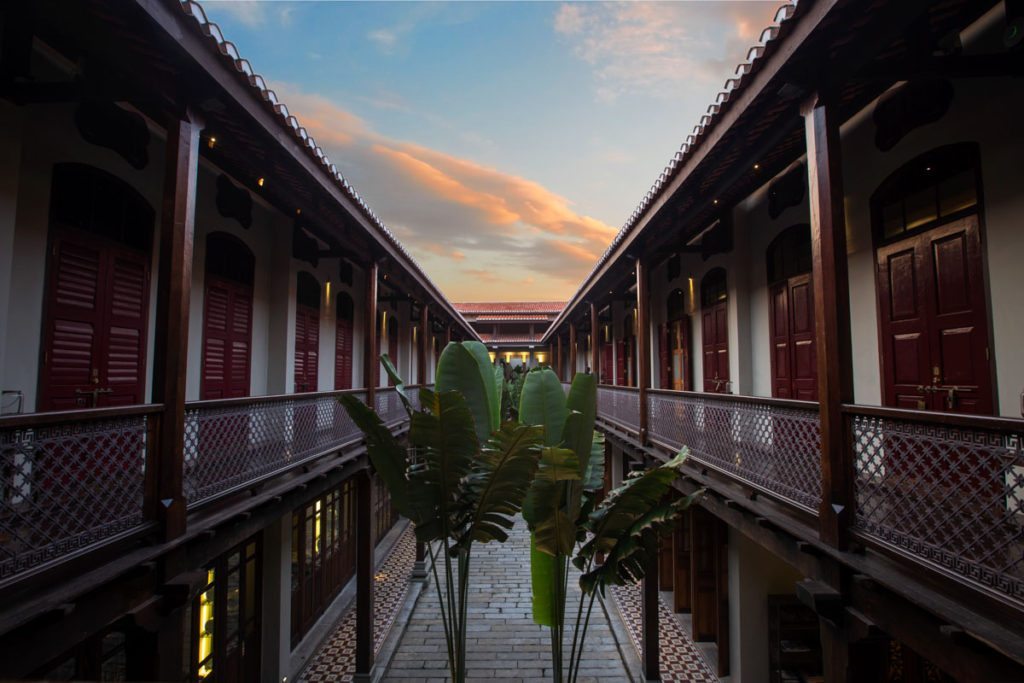
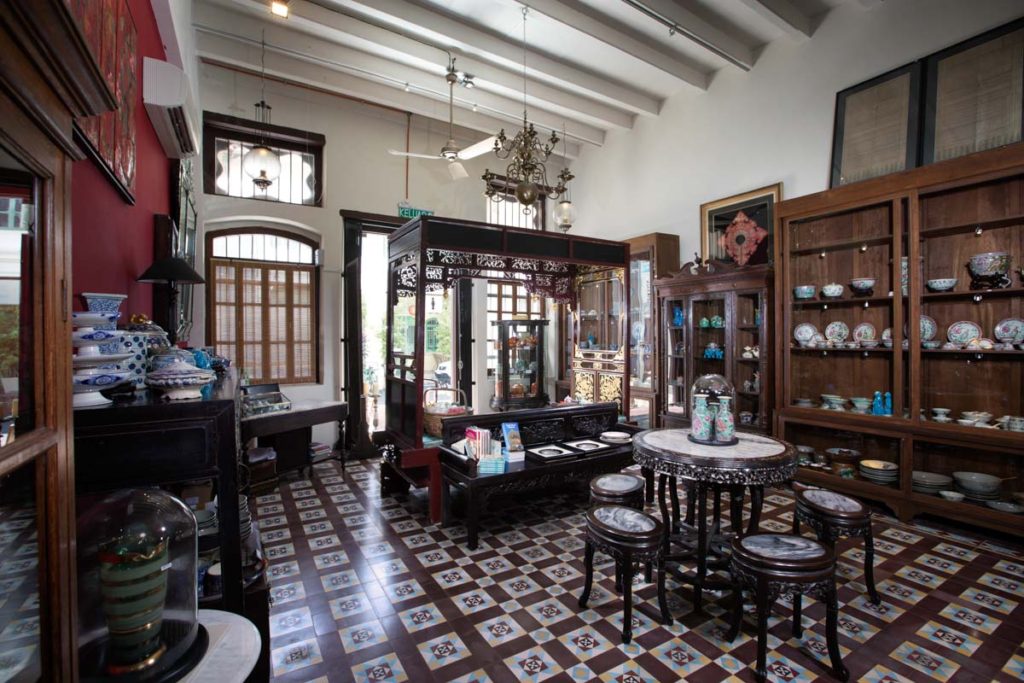
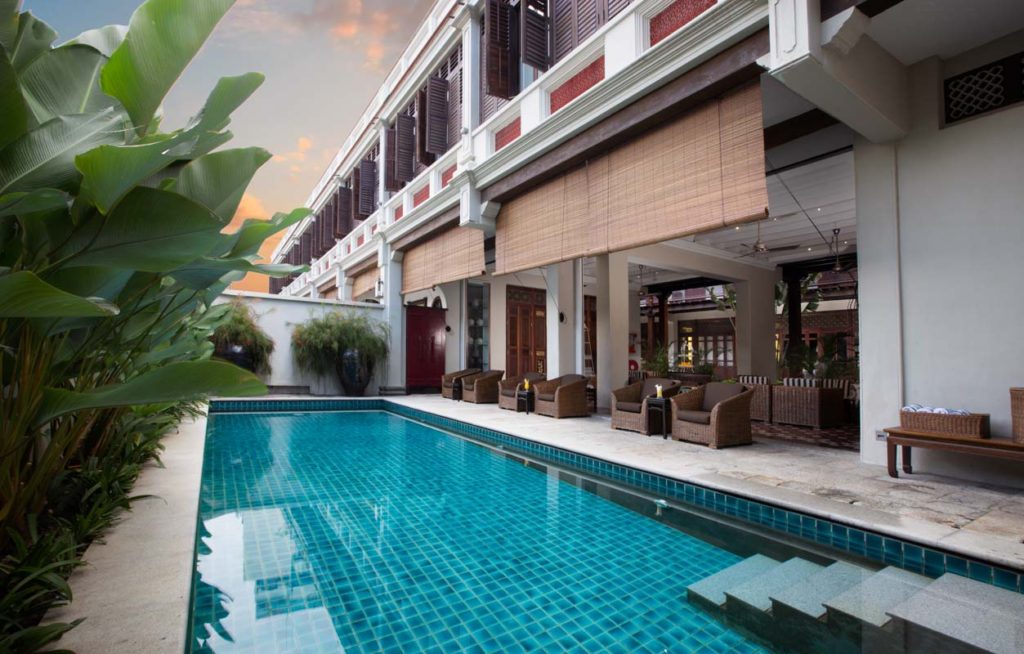
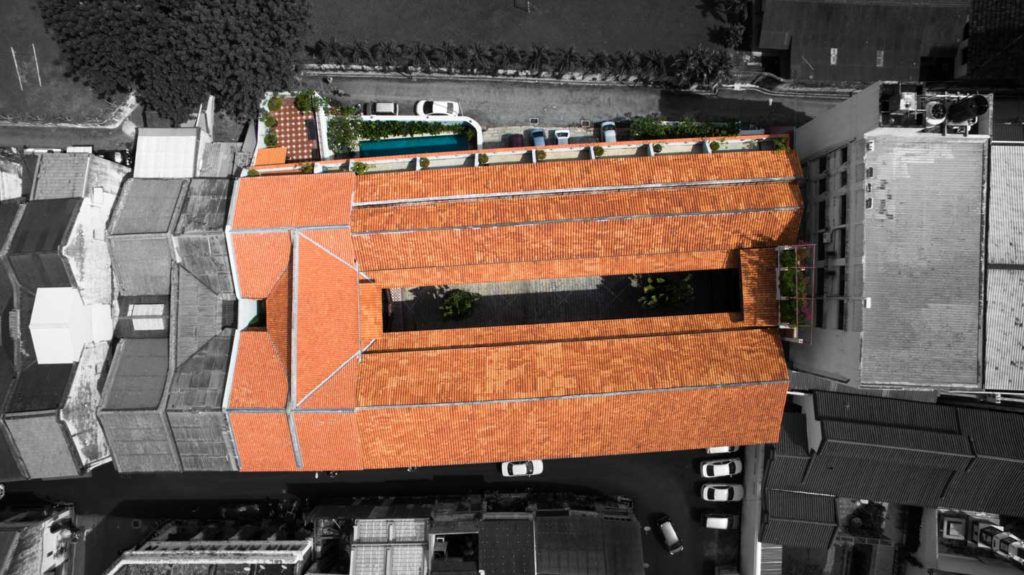
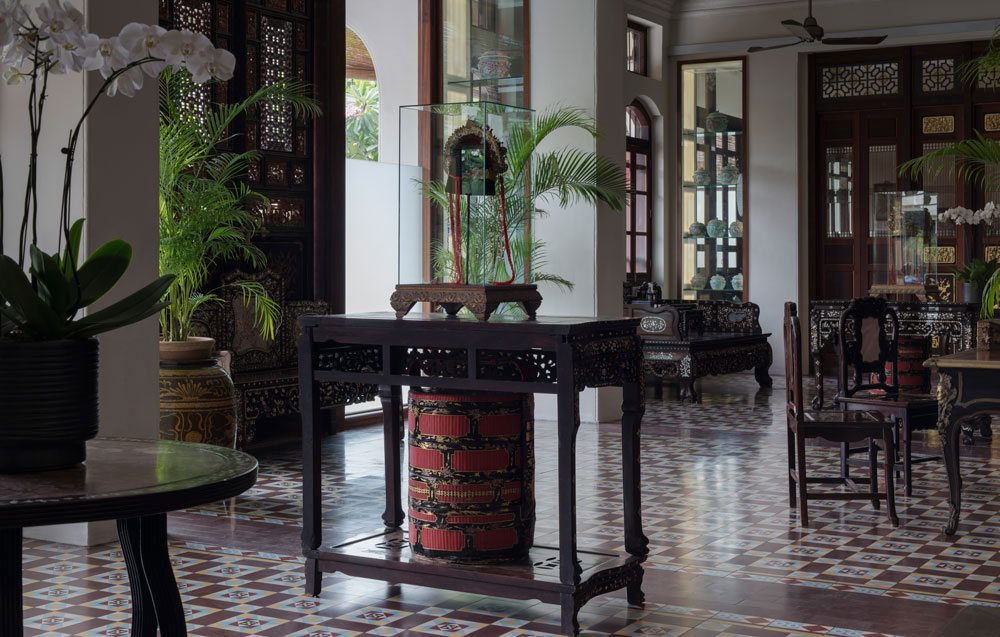
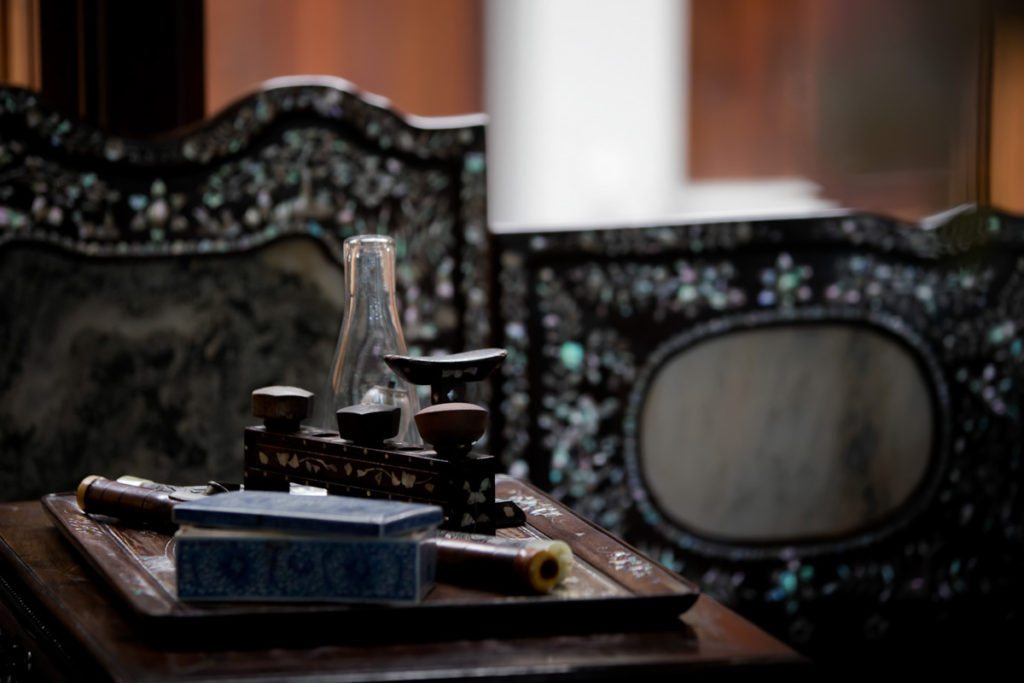
Photos of Seven Terraces – Hotel (a brand under GTHH)
George Town Heritage Hotels (GTHH) is a collection of boutique properties in the UNESCO World Heritage core zone of George Town, Penang, founded by Chris Ong — an investment banker turned hotelier whose career in heritage restoration began in Sri Lanka, where his Galle Fort Hotel received the UNESCO Asia-Pacific Award of Distinction in 2007.
Upon returning to Penang in 2007, Ong turned his attention to the city’s neglected pre-war buildings, acquiring and restoring a series of properties that now form the GTHH portfolio. The group currently comprises six properties, each occupying a distinct architectural chapter of Penang’s past.
Seven Terraces is a row of seven Anglo-Chinese late 19th-century terrace houses, featuring decorative details originally imported from England alongside traditional southern Chinese architectural elements. It has been recognised by TripAdvisor as the top small hotel in Malaysia and ranked among the country’s leading hotels for both service and romance. Under Yap’s management, it also achieved an upgrade from three-star to four-star status by Tourism Malaysia.
Muntri Mews occupies a row of late 19th-century communal mews originally built for horse carriages — one of the more unusual building typologies in the heritage zone — now adapted into boutique accommodation. Muntri Grove, nearby on Muntri Street, was once a row of mid-19th-century shophouses and has been transformed into a contemporary boutique hotel with a quieter, more secluded character.
Jawi Peranakan Mansion, which began operations in 2017, is set in an Anglo-Indian-Muslim tropical bungalow on what was historically a street of Indian-Muslim merchants. The property draws on Mughal design influences, expressed through a considered mix of textiles, ceramic tiles and period detailing. It was ranked second in Malaysia for hotel service by TripAdvisor.
The most recently restored property, Argus Residence, is a 100-year-old building shaped by Penang’s Eurasian community — a restoration led by Yap with careful attention to authentic materials and the building’s cultural history.
On the dining side, GTHH’s Kebaya Dining Room has been recognised as Malaysia’s best fine dining restaurant and ranked 12th across Asia by TripAdvisor’s Travellers’ Choice awards, serving Nyonya cuisine interpreted through French culinary techniques. The Mews Cafe provides a more casual option within the portfolio.
The group has been featured in The New York Times, The Daily Telegraph and Time Out, among other international publications.
Reservations and further information at http://georgetownheritage.com
Photos by Andy Kho (http://andykho.com) using a vivo flagship smartphone, Colin Yap and George Town Heritage Hotels


