

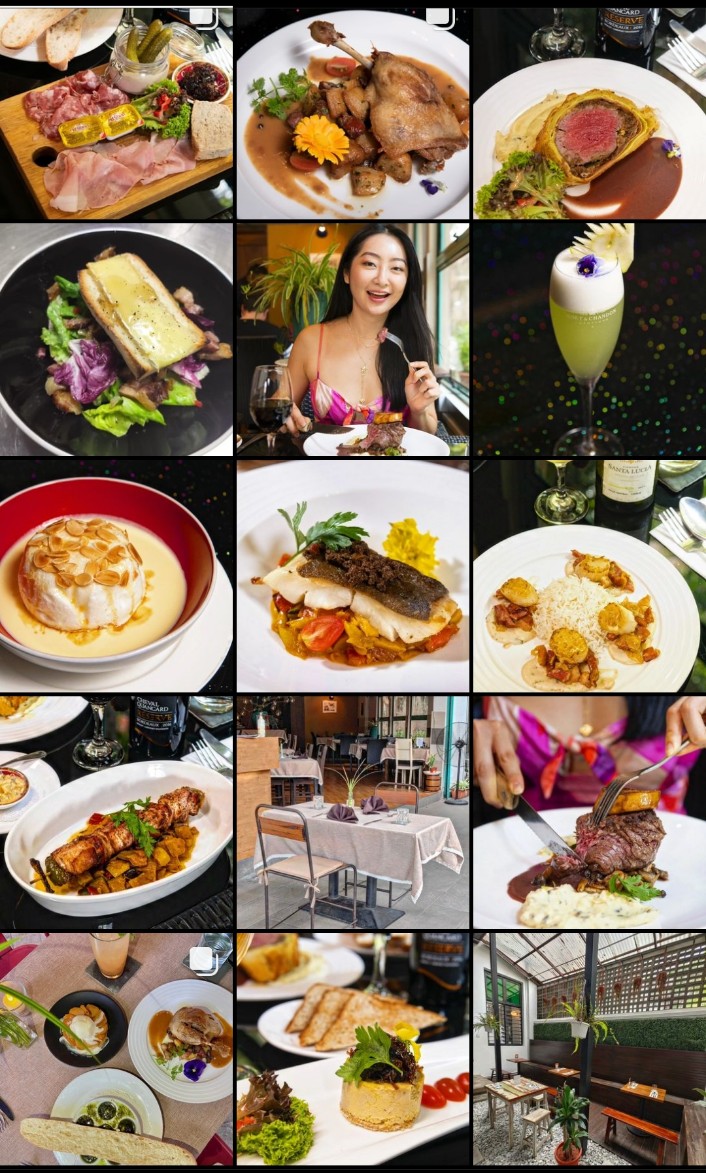
Guests form a view of your restaurant before they ever walk in. They see a photo, read a review, notice who is behind the place. Long before they consider booking a table, you have to give them a reason to believe the visit will be worth their time and their money.
Since 2011, we have worked with global brands, local corporations, SMEs and restaurants. The pattern is consistent: the restaurants that build lasting brands make a few deliberate choices and keep to them. Here are seven.
1. Don’t fake it with AI visuals
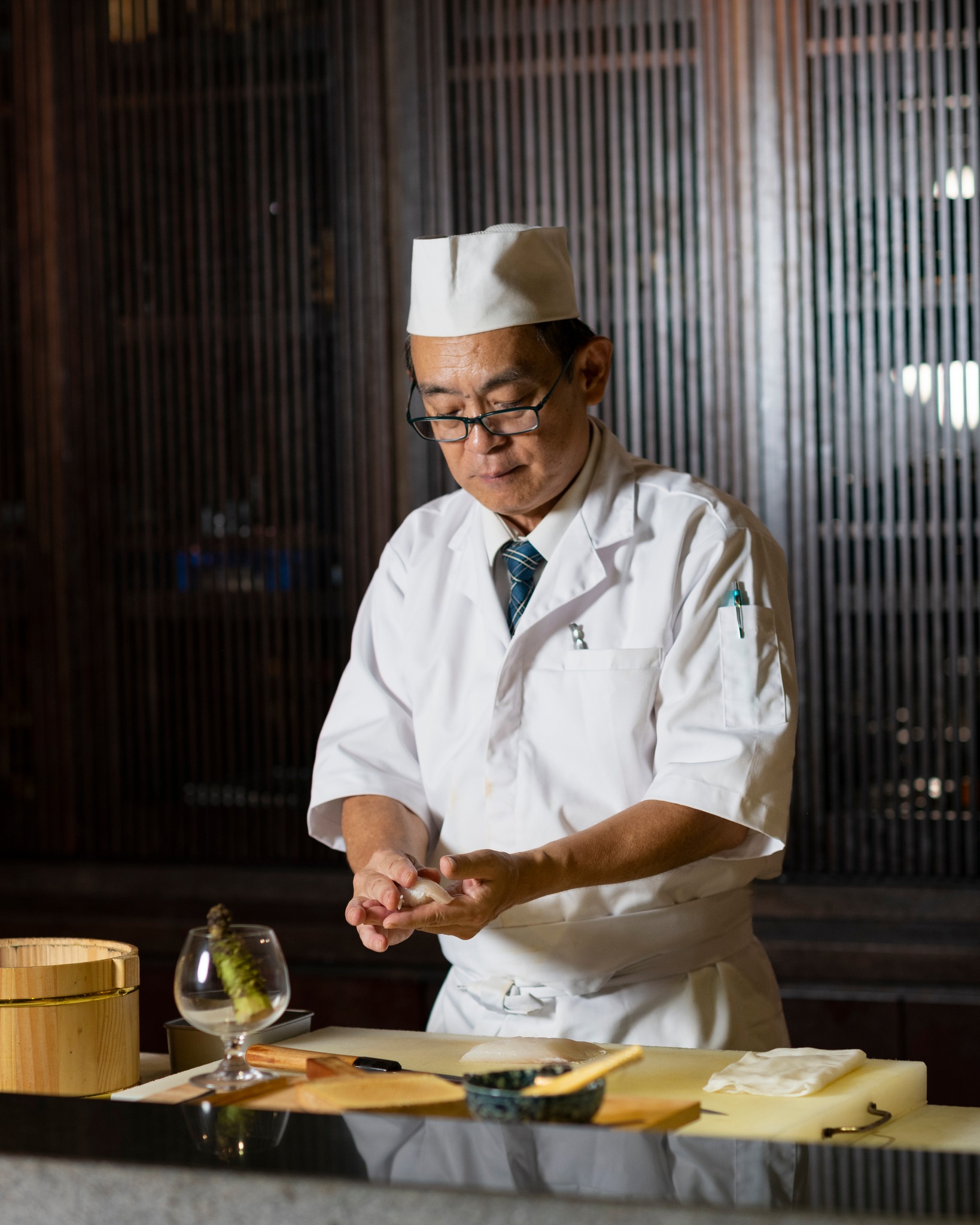
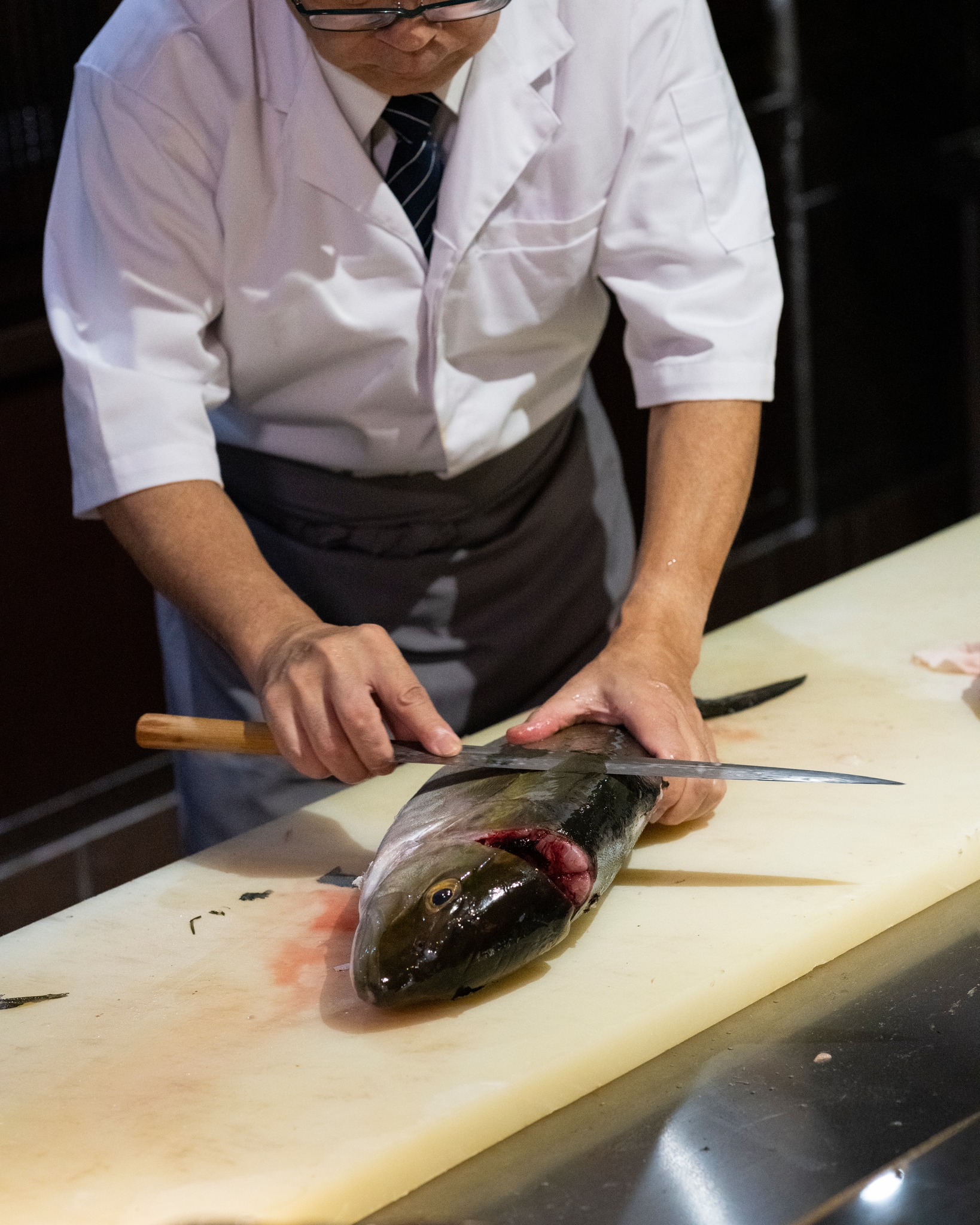
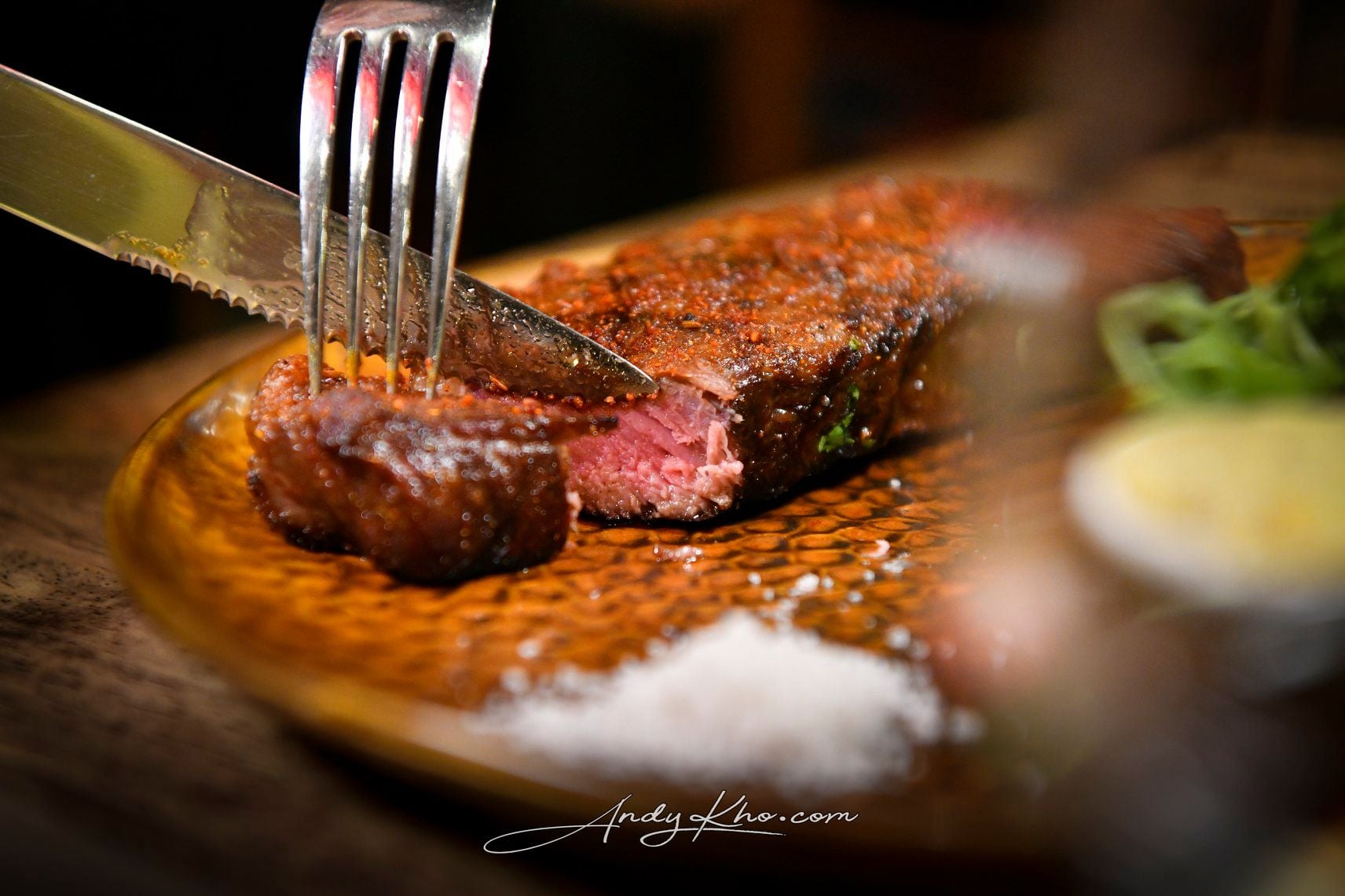
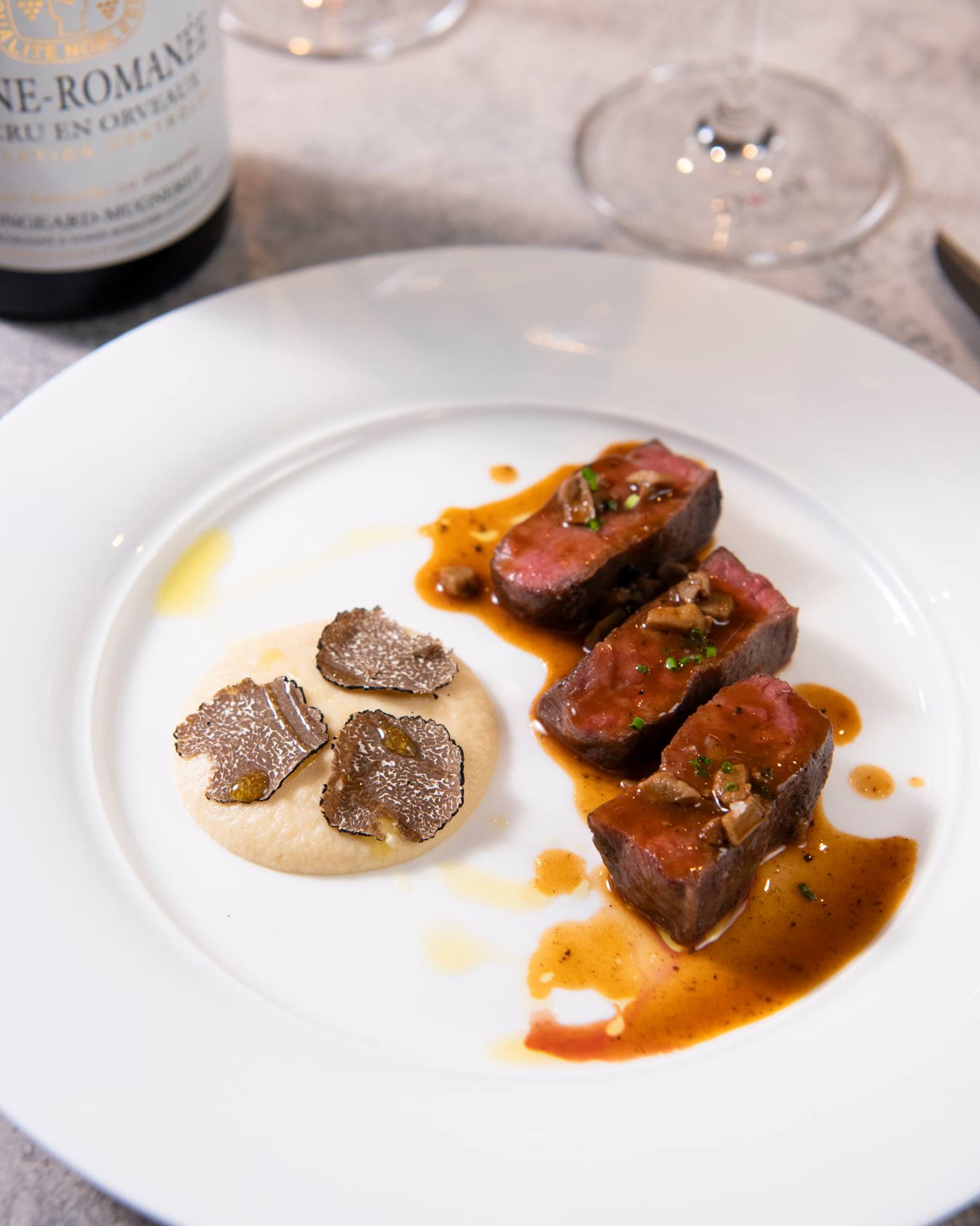
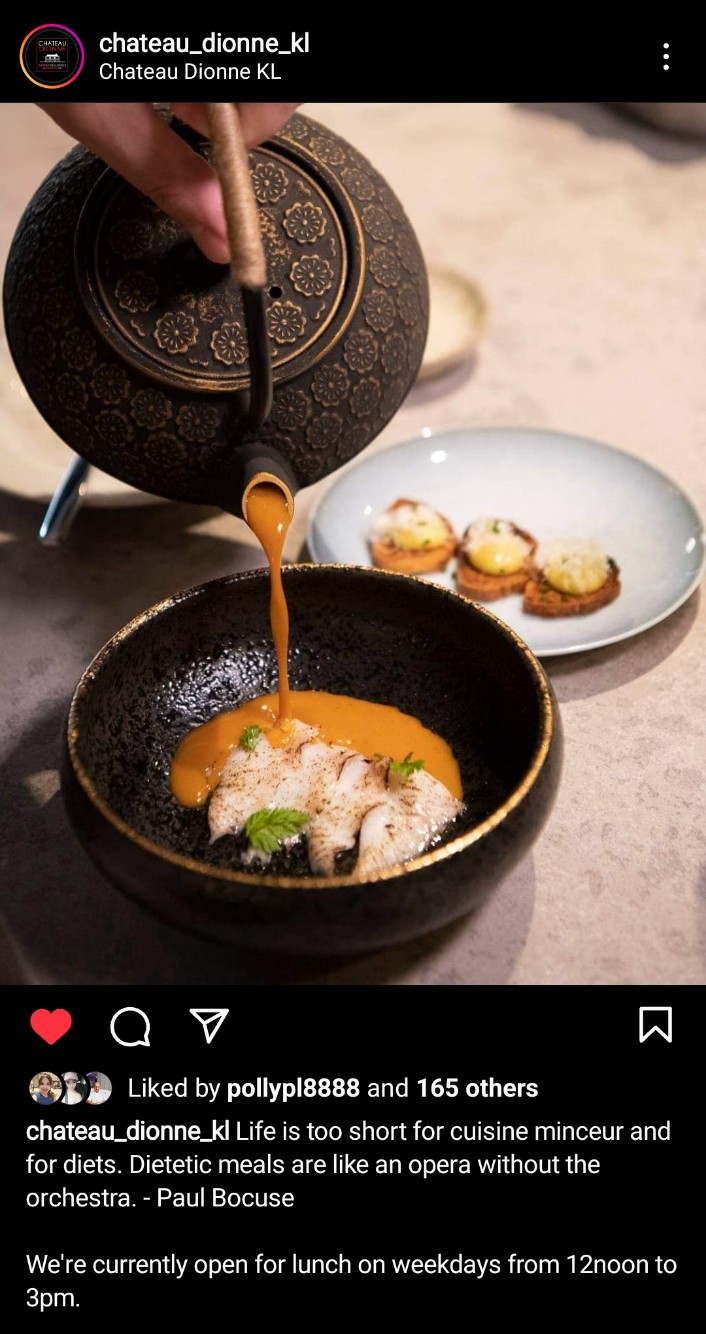
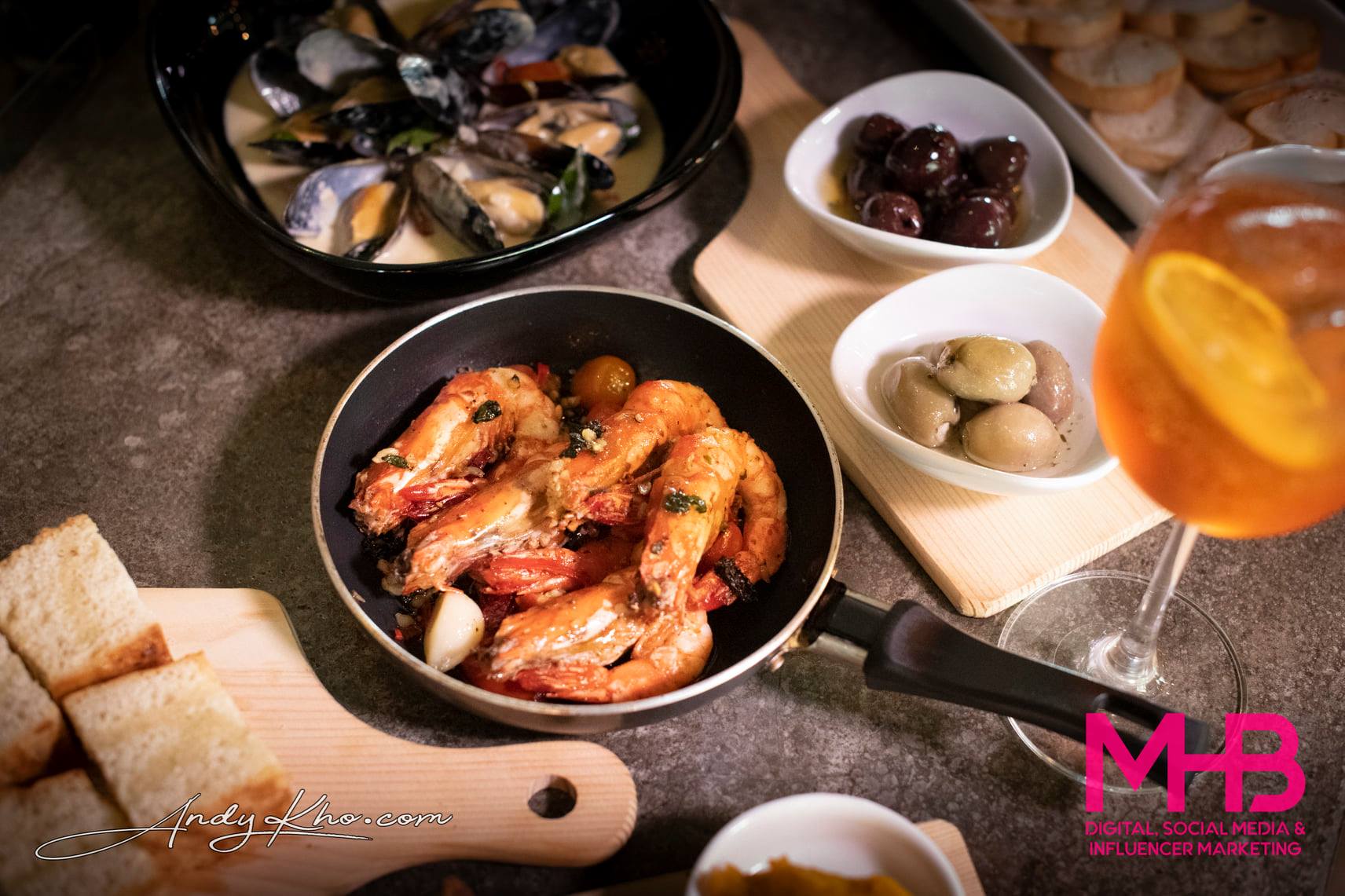
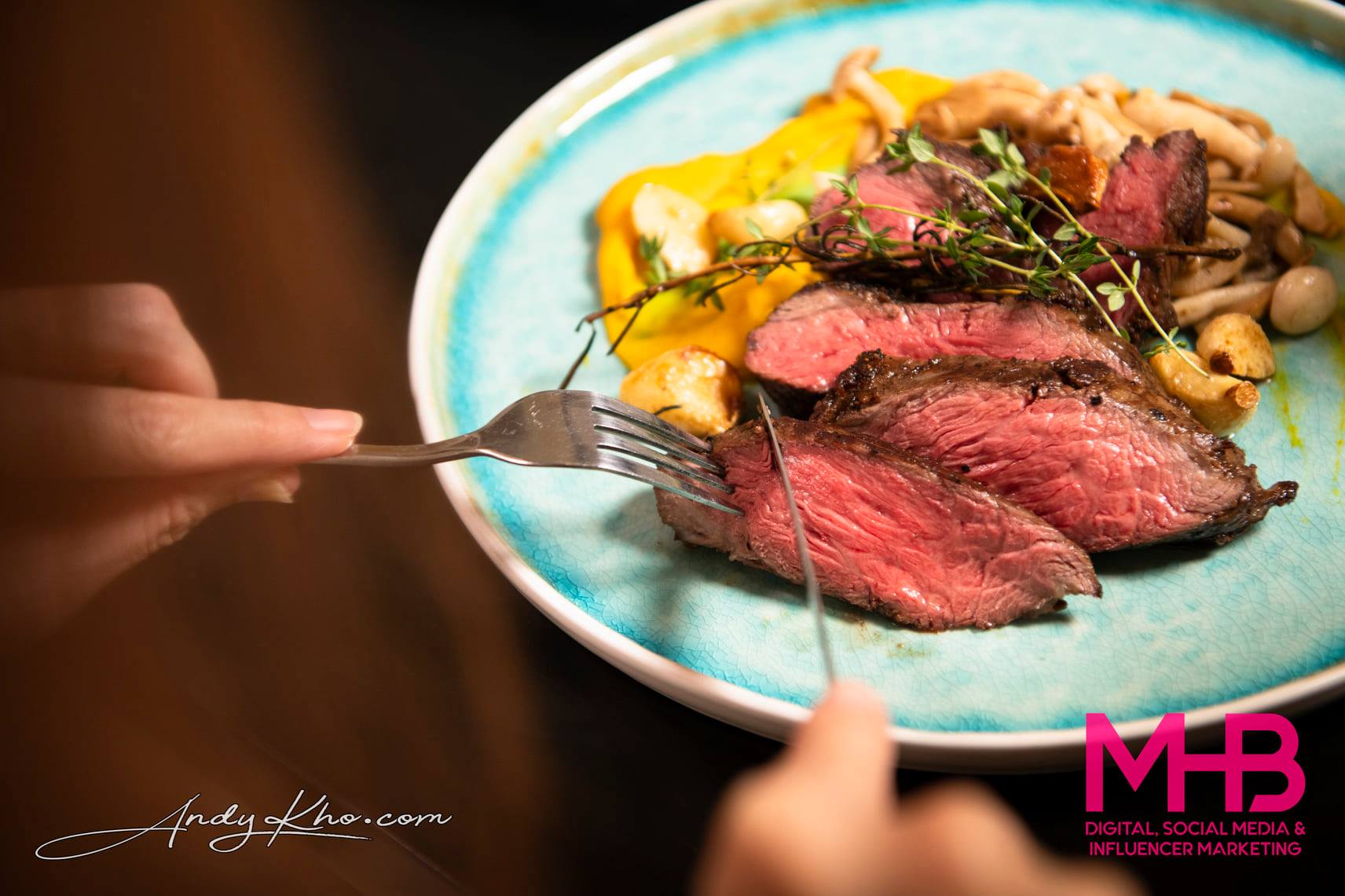
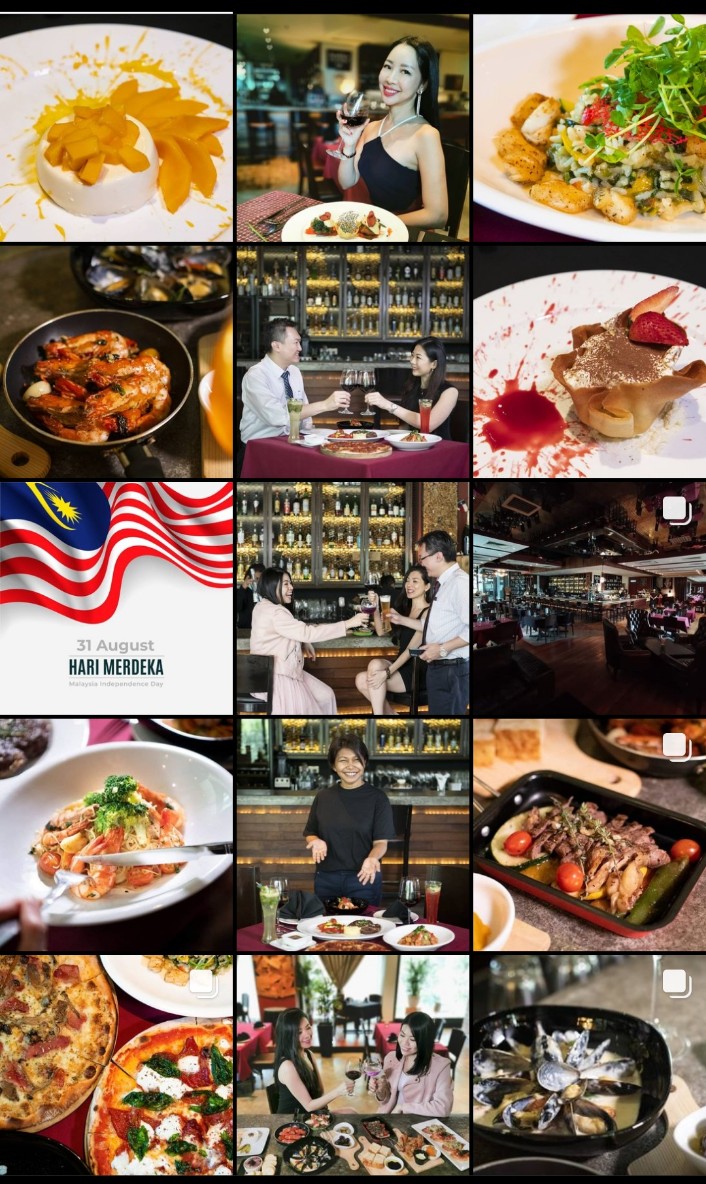
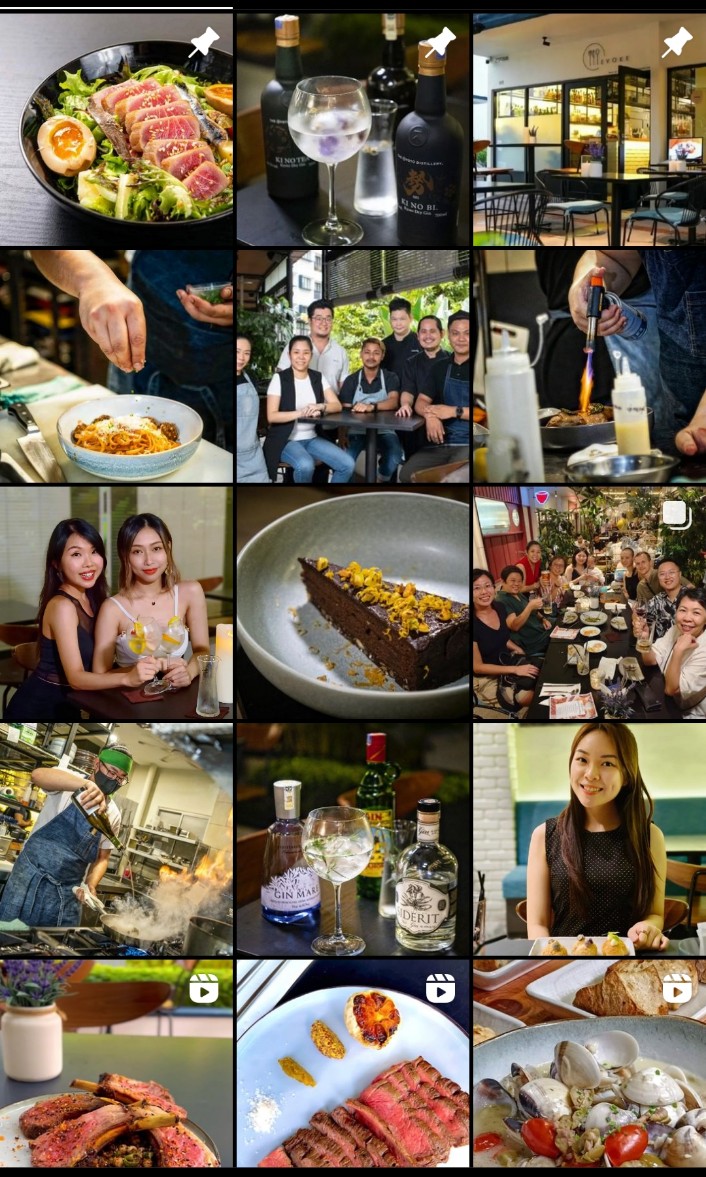
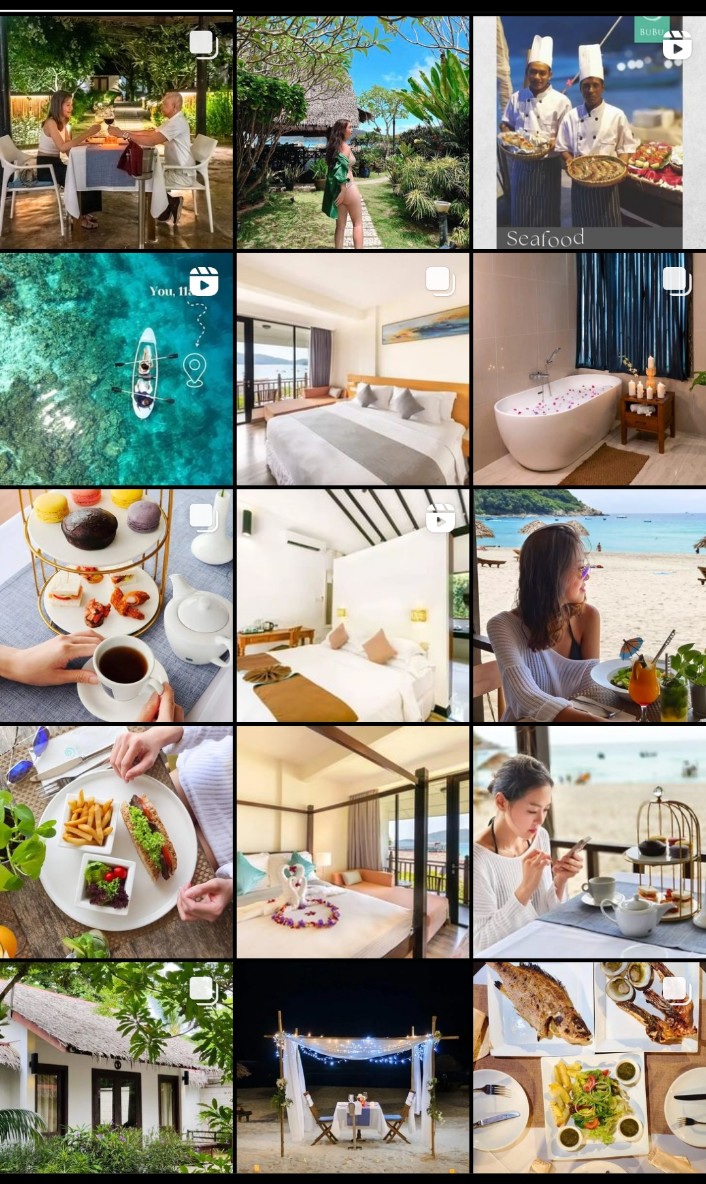
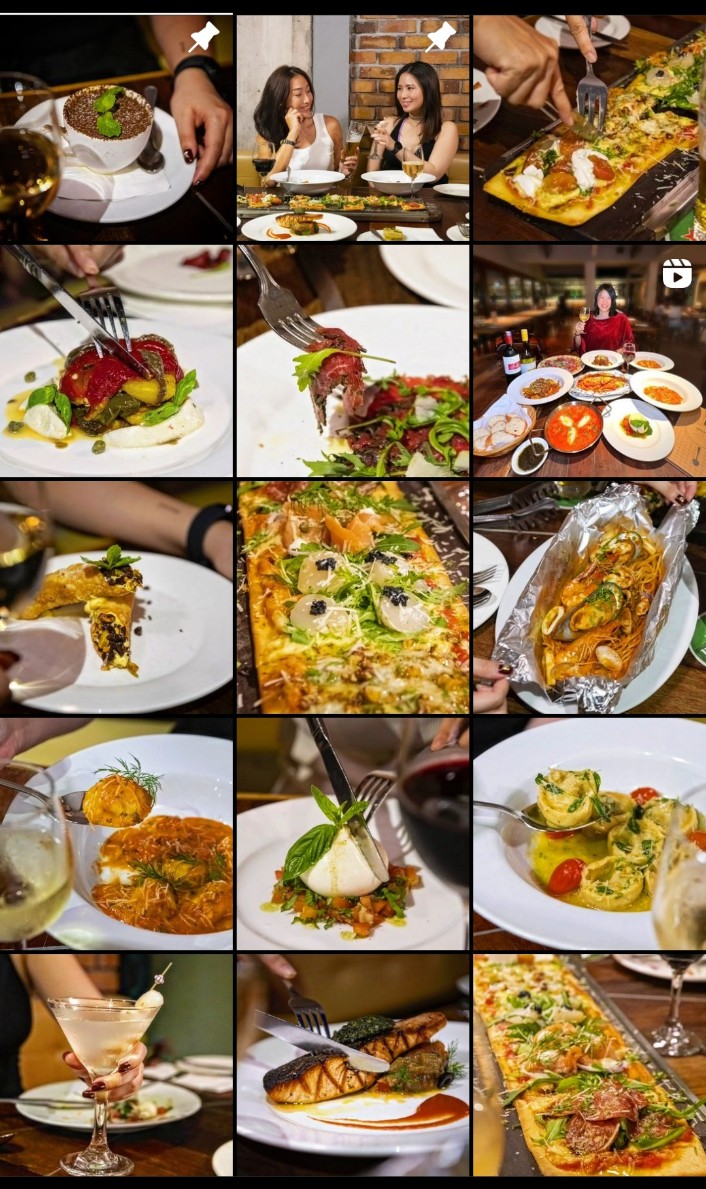
AI-generated images of food, diners, chefs or staff can look real at first glance. They also look generic, and premium guests notice when something isn’t real. A plate that doesn’t match what arrives at the table breaks trust. A made-up “chef” or “guest” does not inspire confidence. Real professionally shot photographs of your dishes, your room and your team will always serve you better, even if there are fewer of them.
2. Favour earned coverage over constant promotion
Advertising tells guests what you want them to think. A thoughtful feature written by a credible industry expert is read differently, because the reader knows the restaurant didn’t write it. That distance is what gives it credibility.
It also lasts. A well-written feature continues to turn up in search results and gets shared and referred to long after a promotion has been forgotten. Over a year or two, a few pieces of credible coverage do more for a premium brand than a constant stream of paid posts.
3. Treat private and corporate dining as a deliberate segment
Companies choose venues they trust, because their own reputation is at stake. Someone booking a client dinner or a leadership offsite isn’t only choosing a menu. They’re choosing a place that won’t let them down in front of people who matter to them.
That makes private dining a branding question as much as a sales one. The restaurants that win this business have clearly thought about it: rooms, capacity and service are presented simply and well, and enquiries are answered quickly and professionally. A restaurant that treats corporate guests as an afterthought will be treated as one in return. Once a company finds a venue it trusts, it tends to return, and it brings colleagues and clients along.
4. Make the founder or chef part of the brand
People trust people. The owner’s or chef’s story, how they started, what they refused to compromise on and what they learned along the way, is usually the most underused asset a restaurant has, and it can’t be copied.
Guests who know the story look at the restaurant differently. A dish becomes the result of someone’s years of training and choices, not just something on a plate, and the price starts to feel earned. Corporate guests respond to this in particular, because they’re often founders or senior leaders themselves and recognise the effort behind a business. Many owners find it uncomfortable to talk about themselves, which is exactly why the story stays untold and why those who tell it well stand out.
5. Define what you want to be known for, and make everything look like it
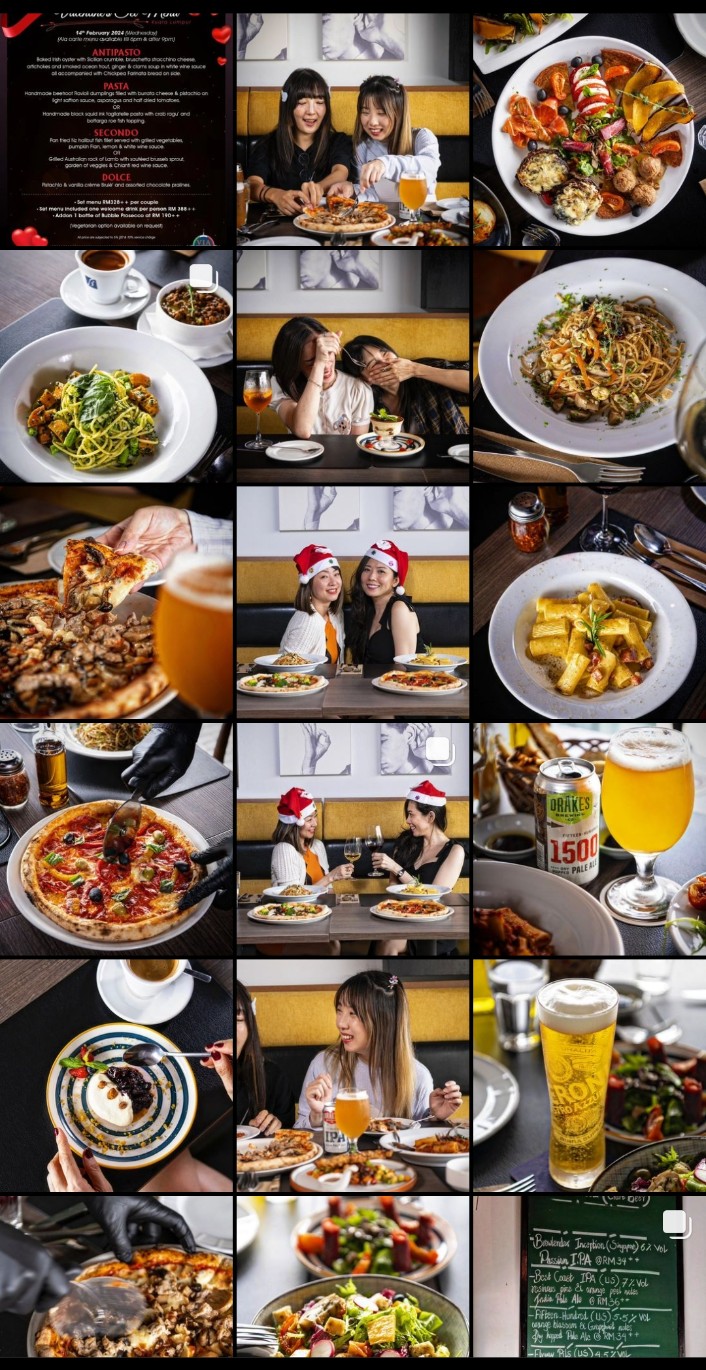
Premium positioning has to be consistent. Your prices, your room and your service make one promise, and your online presence must make the same one. This is where smartphone snapshots posted to save money do real damage. They tell guests the restaurant cuts corners, however good the kitchen is. Professional visuals signal care and self-respect.
6. Show the people and the craft, not just the plate
A plated dish is only part of the story. The chef’s hands at work, the team during service and a table in use show what’s behind the menu. It’s also what can’t be faked.
7. Choose reach that fits your restaurant, not just reach
A video with a million views can feel like a win. But viral food content is usually built on hard-sell, deal-driven formats, and it attracts people who are shopping for a bargain, not a premium evening out. They’ll like the post, share it and may visit once. They’re rarely the guests who return, celebrate with you or book your private room.
The guests who shape a premium restaurant’s year are often business owners, senior professionals and corporate leaders. They entertain clients, host team lunches and book dinners for company events, and they decide quickly when they trust a venue. They tend to be found where serious business stories are read, not where deals are shouted.
That’s the thinking behind our series, [Leadership Lessons Revealed]([series link]), which profiles the people behind Malaysia’s businesses for exactly that audience.
Knowing it and doing it are different things
None of these seven needs a large budget. They need consistency and judgement, and that’s usually where restaurants struggle. Owners are busy running a kitchen and a floor, and a brand is built or lost in the details, week after week.
If you’d like your story told to the business leaders who matter to you, we’d be glad to discuss a feature in Leadership Lessons Revealed (https://timchew.net/2026/07/14/leadership-lessons-revealed-2026-restaurants-bars-edition-shou-emi-of-sushinosuke-kuala-lumpur/).
If you’d rather have your social media handled by a team that knows what premium restaurants need, we at MHB Digital (http://mhb-digital.com) are highly experienced and have worked with some of the top restaurants in the Klang Valley.
Tim Chew is Managing Editor of MHB Digital, a content, social media and influencer marketing agency in Kuala Lumpur.


