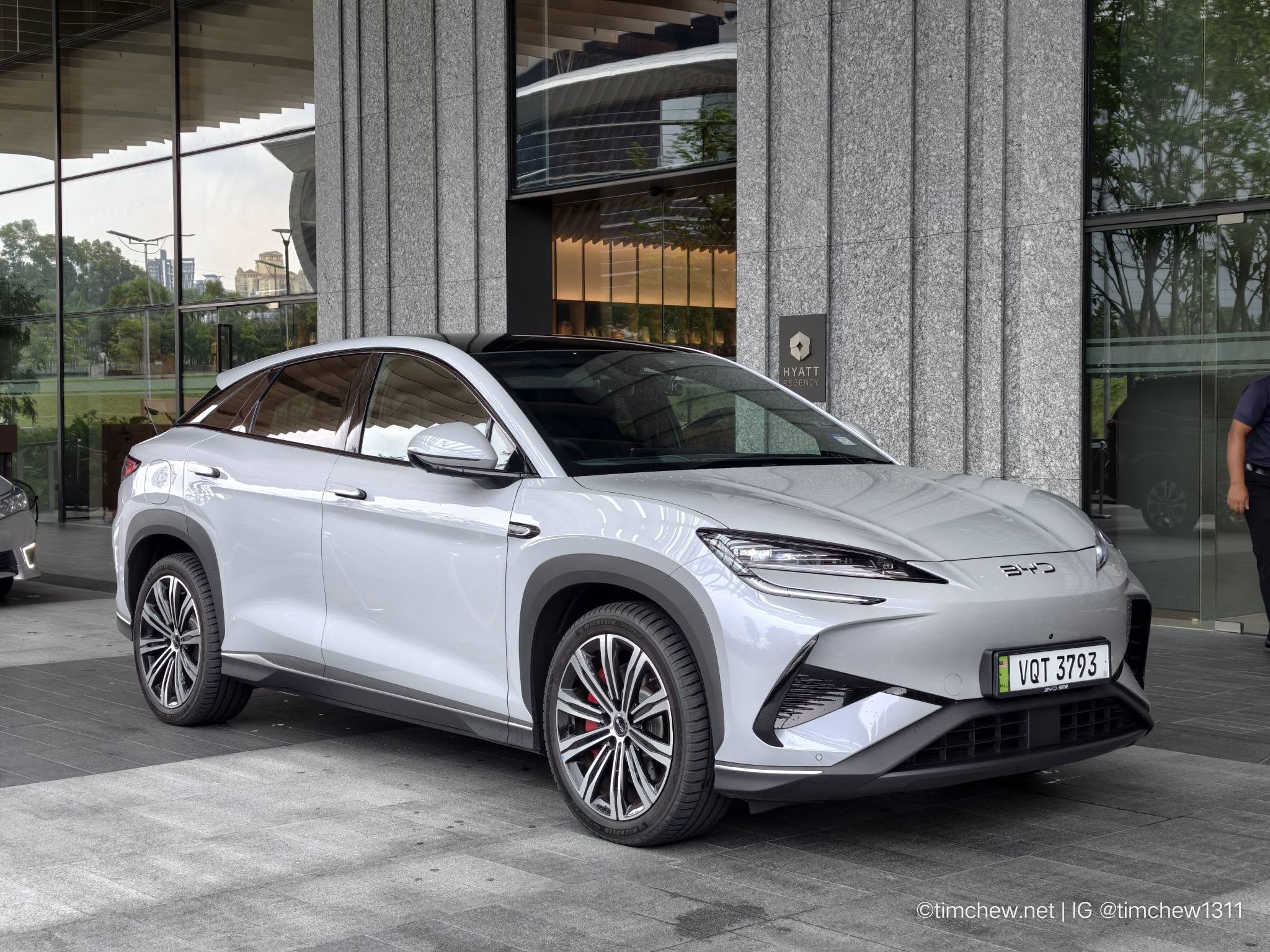
Part 2 is the 2nd instalment of our 2-part series with the (2024) BYD Sealion 7 Performance. You can read Part 1 here:
We drove the Sealion 7 for a short business stay at Hyatt Regency Kuala Lumpur at KL Midtown. Read about it here:
Part 1 of this series covered the BYD Sealion 7 Performance’s exterior design and the all-wheel-drive system underpinning its 4.5-second 0-100 km/h time. This second instalment turns to what the driver and passengers experience once inside, and to the safety systems working quietly in the background over a weekend of ordinary use.
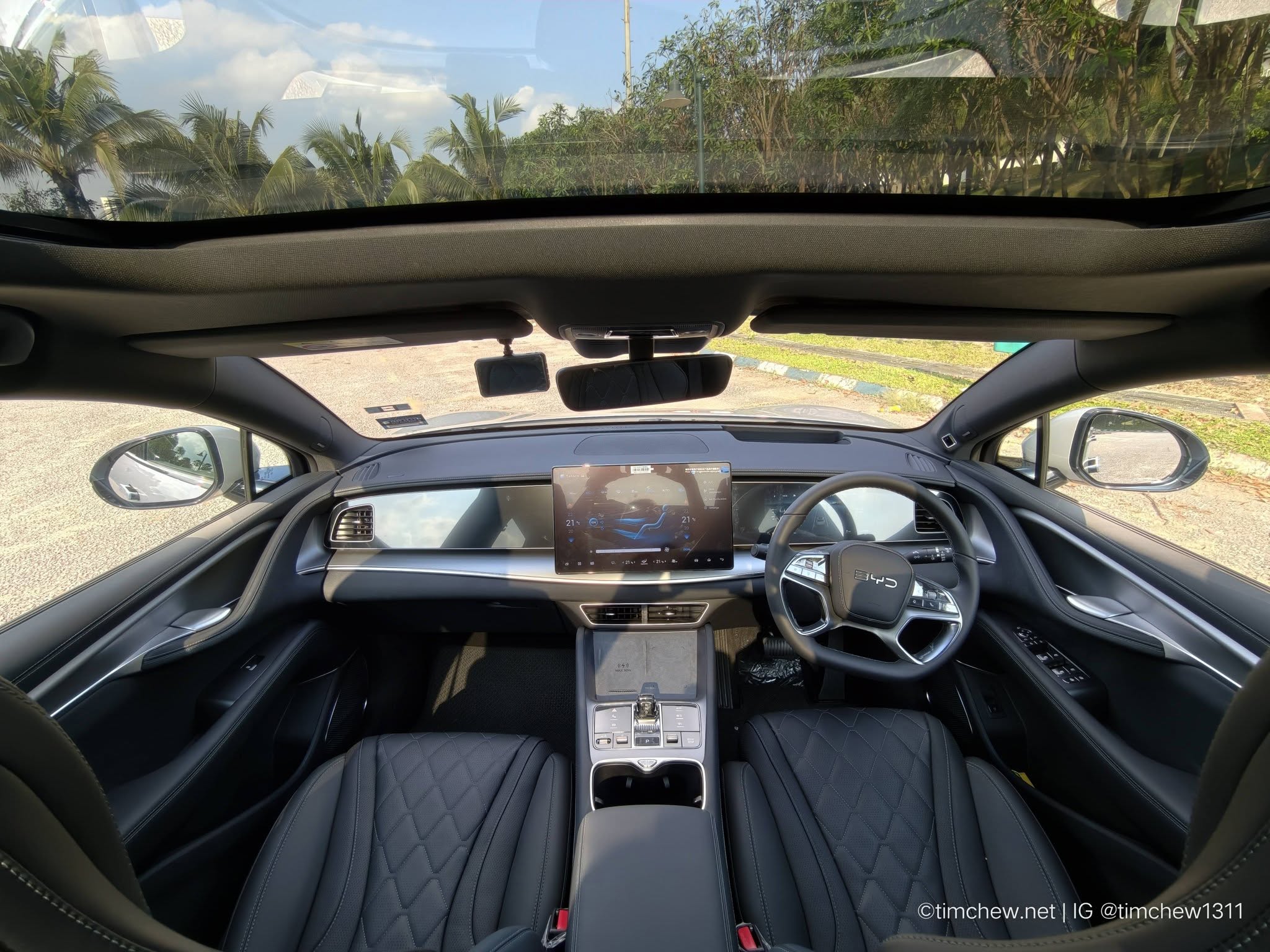
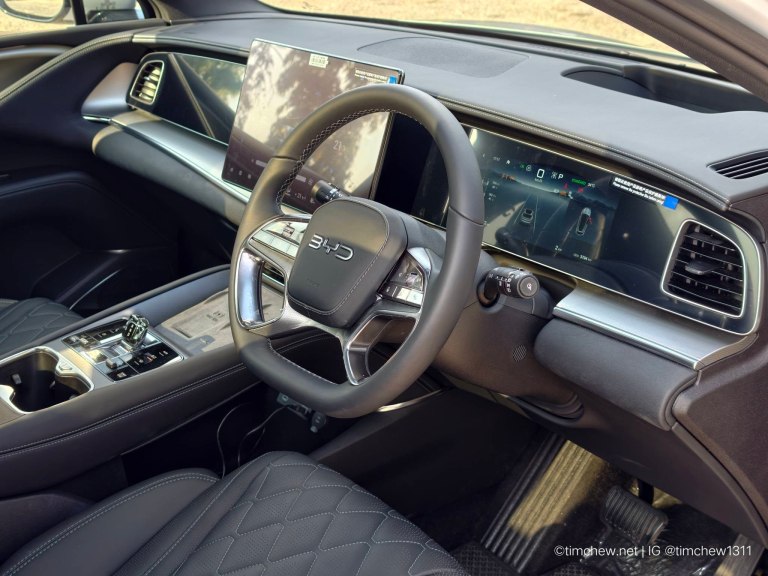
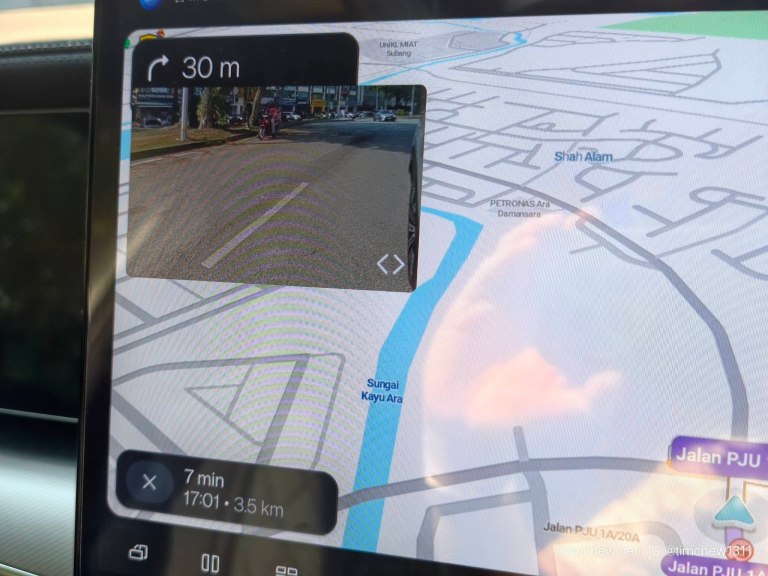
BYD describes the Sealion 7’s interior as inspired by sailboat racing, an idea reflected in a dashboard layout that curves toward the driver rather than running flat across the cabin. The centrepiece is a 15.6-inch touchscreen that rotates between landscape and portrait orientation, a feature that proved genuinely useful rather than gimmicky — portrait mode suited navigation, while landscape felt more natural for media and split-screen views in city traffic. Alongside it sits a separate 10.25-inch driver display and a head-up display projected onto the windscreen, keeping speed and navigation prompts in the driver’s line of sight without a glance down.
Seats are trimmed in quilted leather, with BYD citing vegan leather across more than 80 per cent of the remaining interior surfaces. Both front seats are power-adjustable, with the driver’s seat including position memory and four-way lumbar adjustment — a detail that mattered on the longer highway stretches, where lower-back support tends to be the first thing drivers notice on a two-hour drive.
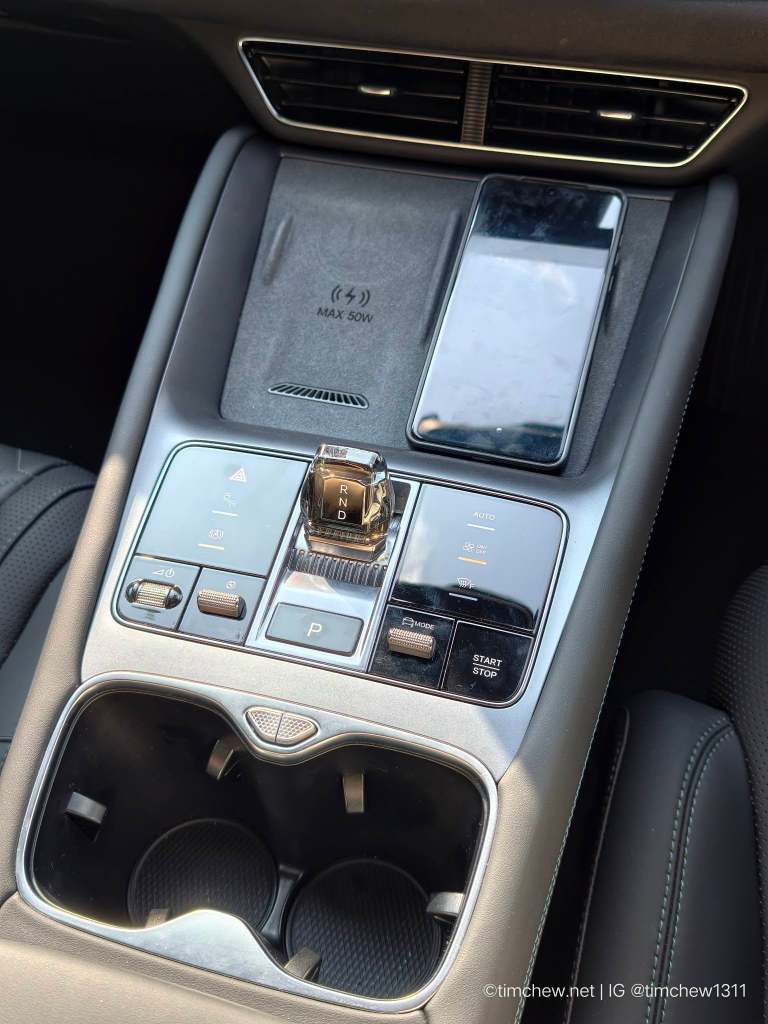
A huge panoramic glass roof runs the length of the cabin, brightening what is otherwise a dark-themed interior, and rear passengers get their own air-conditioning vents, a consideration often left out of SUVs pitched primarily on driver-focused performance. A wireless charging pad is built into the centre console alongside cupholders and covered storage, and the console itself carries physical drive controls rather than burying every function in the touchscreen.
Connectivity runs through wireless Apple CarPlay and Android Auto, a 12-speaker Dynaudio sound system, and two USB-C and USB-A ports across both rows — enough for four devices to charge simultaneously without cable-sharing arguments on a family trip. Entry and start are keyless, with an NFC digital key allowing a smartphone or card to unlock and start the vehicle, useful for sharing access with a second driver without duplicating a physical key.
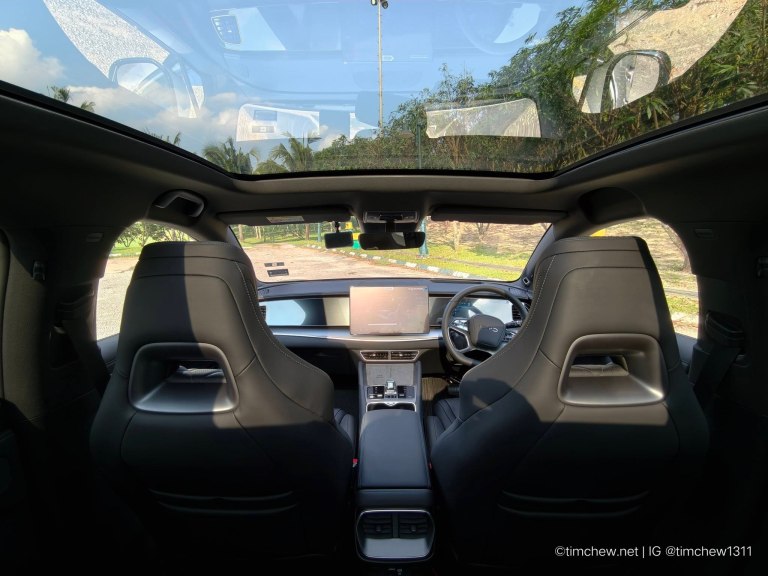
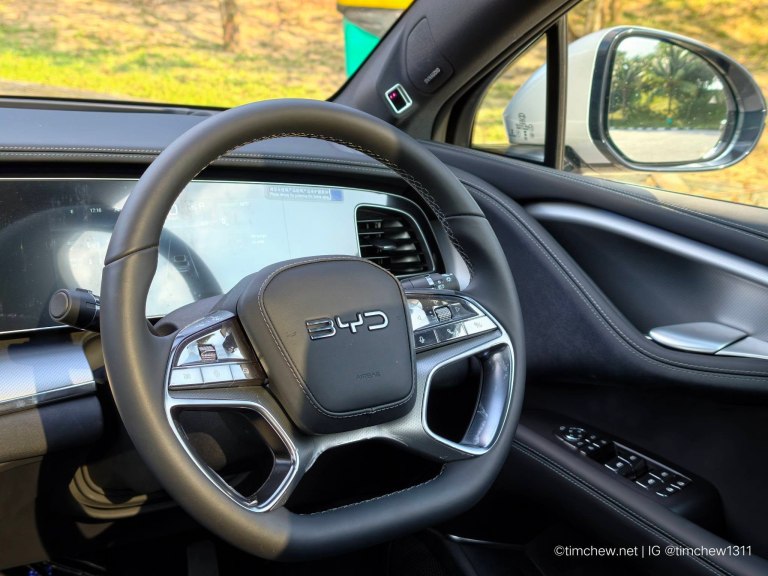
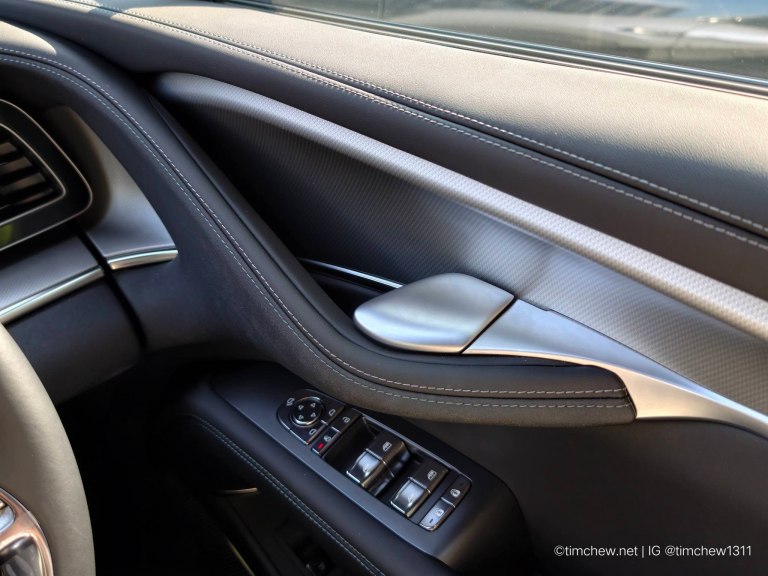
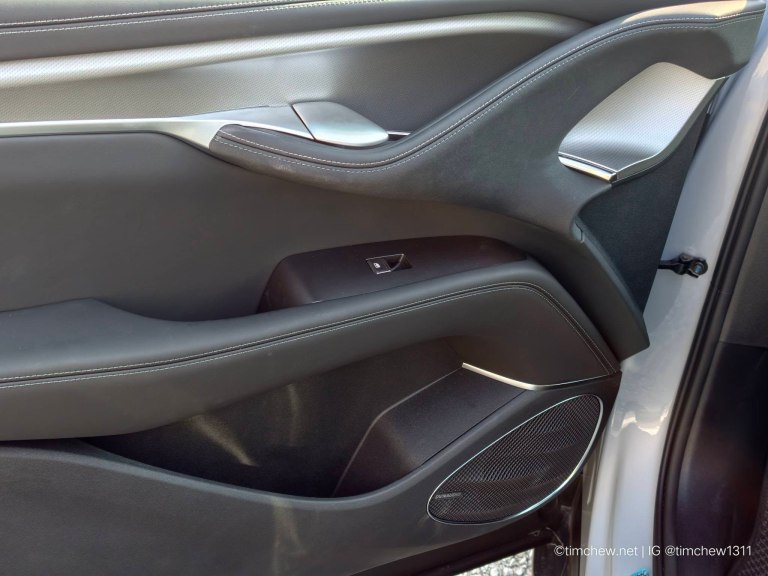
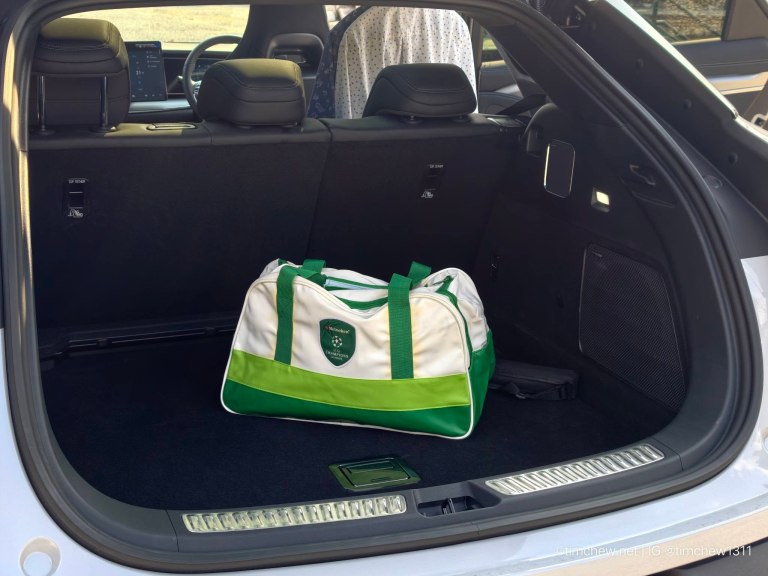
With a 2,930mm wheelbase, rear-seat space is generous by the standards of the segment, with enough knee room for adult passengers on a two-hour drive without complaint. Boot capacity is rated at 500 litres, sufficient for a weekend’s luggage for a small family, and the foot-activated tailgate detailed in Part 1 makes loading easier when hands are already full. A frunk-style front storage capacity of 58 litres — modest, but enough for a charging cable — adds some additional practicality.
The Sealion 7 Performance carries BYD’s Advanced Driver Assistance Systems suite, which includes predictive collision warning, adaptive cruise control, lane departure warning and prevention, and traffic sign recognition that displays posted speed limits on the driver display. A driver attention warning system monitors for signs of fatigue over longer drives, while door open warning alerts occupants to approaching traffic or cyclists before a door is opened — relevant on the narrower streets and roadside parking common in parts of the Klang Valley, where dooring incidents involving motorcyclists are a recurring road safety concern.
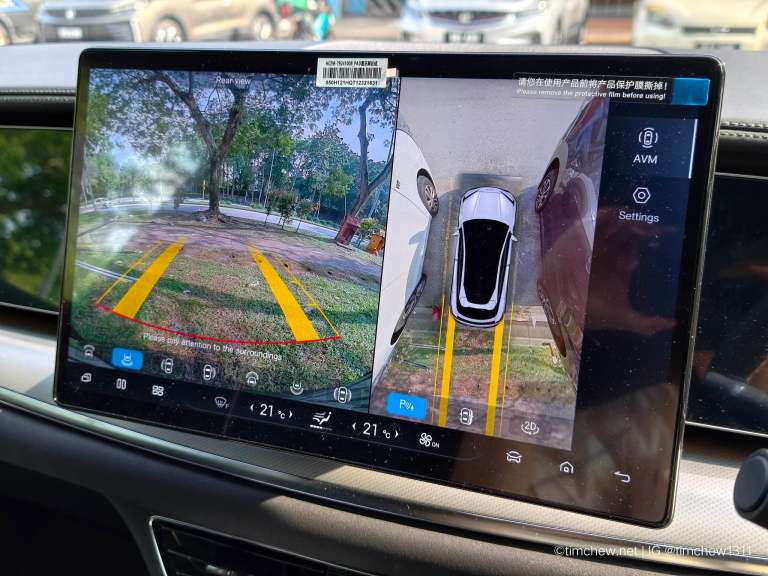
Parking is assisted by front and rear sensors and a 360-degree camera system, features that proved incredibly useful in tighter car parks and narrow parking bays. The car’s structure includes front, side, curtain and driver’s-side airbags, along with ISOFIX child seat anchors in the rear for families carrying young passengers.
Braking hardware includes ventilated and drilled front discs, paired with the same iTAC torque management system described in Part 1, which BYD says also improves stability under hard braking by adjusting torque distribution between the axles.
Across two days and a mixed route of city centre traffic, navigating suburb streets, and highway running, the Sealion 7 Performance’s cabin and safety systems did more to shape the experience than the outright performance figures covered in Part 1.
A rotating display that earns its novelty, seats that were extremely comfortable for someone my height (I’m 178cm tall), large cabin space, a host of handy features, and a driver-assistance suite that intervenes without becoming intrusive add up to a high-performance SUV that’s way more capable than just its (incredible!) 0-100 km/h time.
BYD Sime Motors recently launched the refreshed 2026 Sealion 7 range featuring a new variant and upgrades across the two existing variants!
Photos shot by the author using the vivo X300 Pro.


