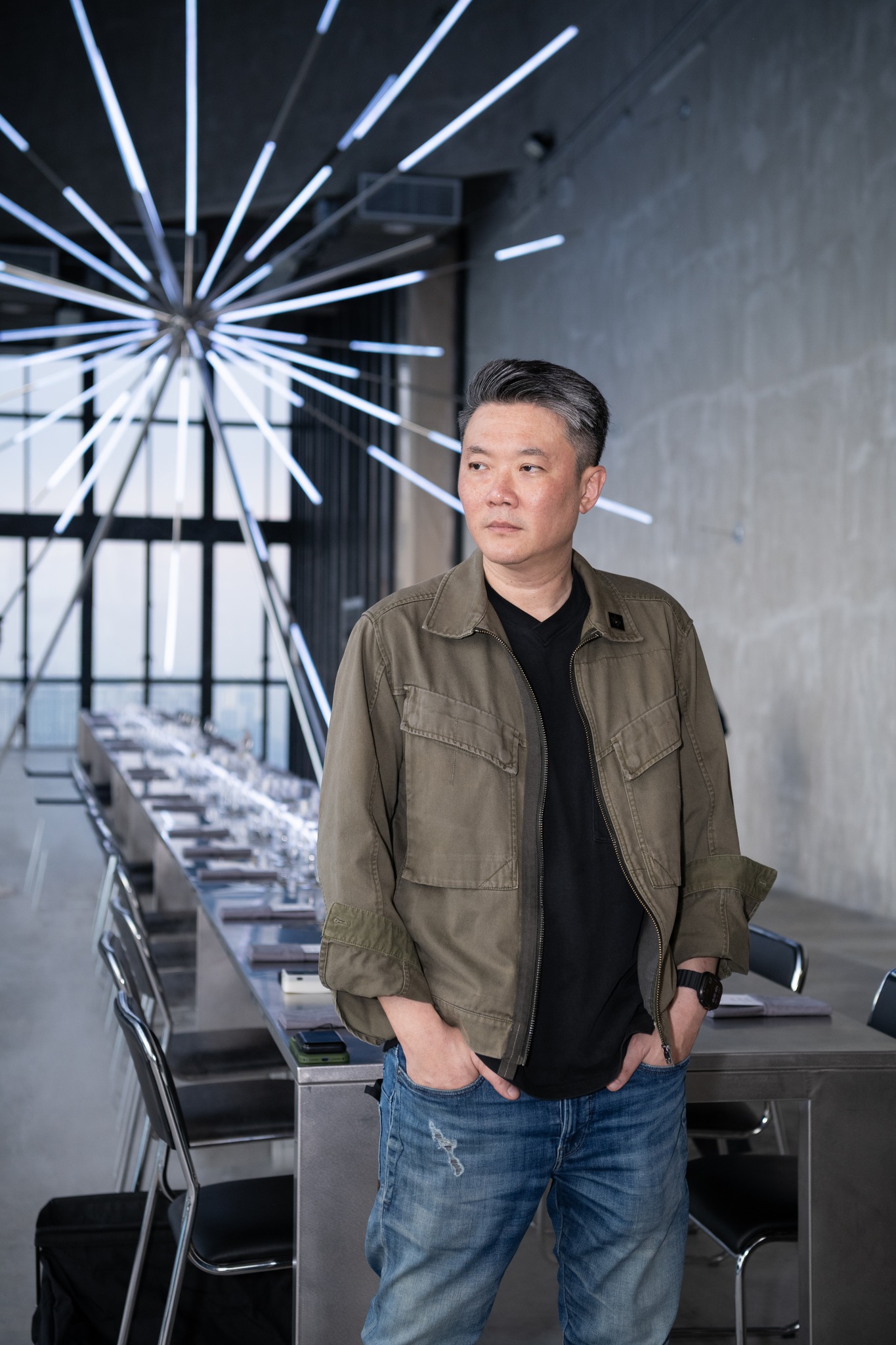
William Lee has worked across enough industries and enough boardrooms to know what most brand experiences get wrong. 90D, the concept he co-founded with Kent Chua under RCX Group, is part of that answer. I have known him since 2008 (when I first started my career in traditional media), and last Sunday evening we got to sit down with him before dinner at 90D, and got him to share some of his wisdom and leadership lessons from his extensive experience.
He is a Malaysian brand strategist, marketer and entrepreneur with more than two decades of experience across luxury travel, hospitality, lifestyle branding, F&B, experiential marketing and regional business development. The group’s next project, Hanging Gardens, is currently in the works.
Before RCX, William held senior roles at Holiday Tours & Travel, where he focused on luxury travel and business development, and at MONIN Asia Pacific, where he led regional marketing strategy across 13 countries. Over the course of his career, he has worked with brands including Pernod Ricard, AirAsia, Uniqlo, Microsoft, Coca-Cola, Tourism Malaysia, BMW, Audi and Petronas.
His work has consistently centred on brand storytelling, sensory engagement and premium positioning — with a particular interest in building experiences that go beyond the transactional.
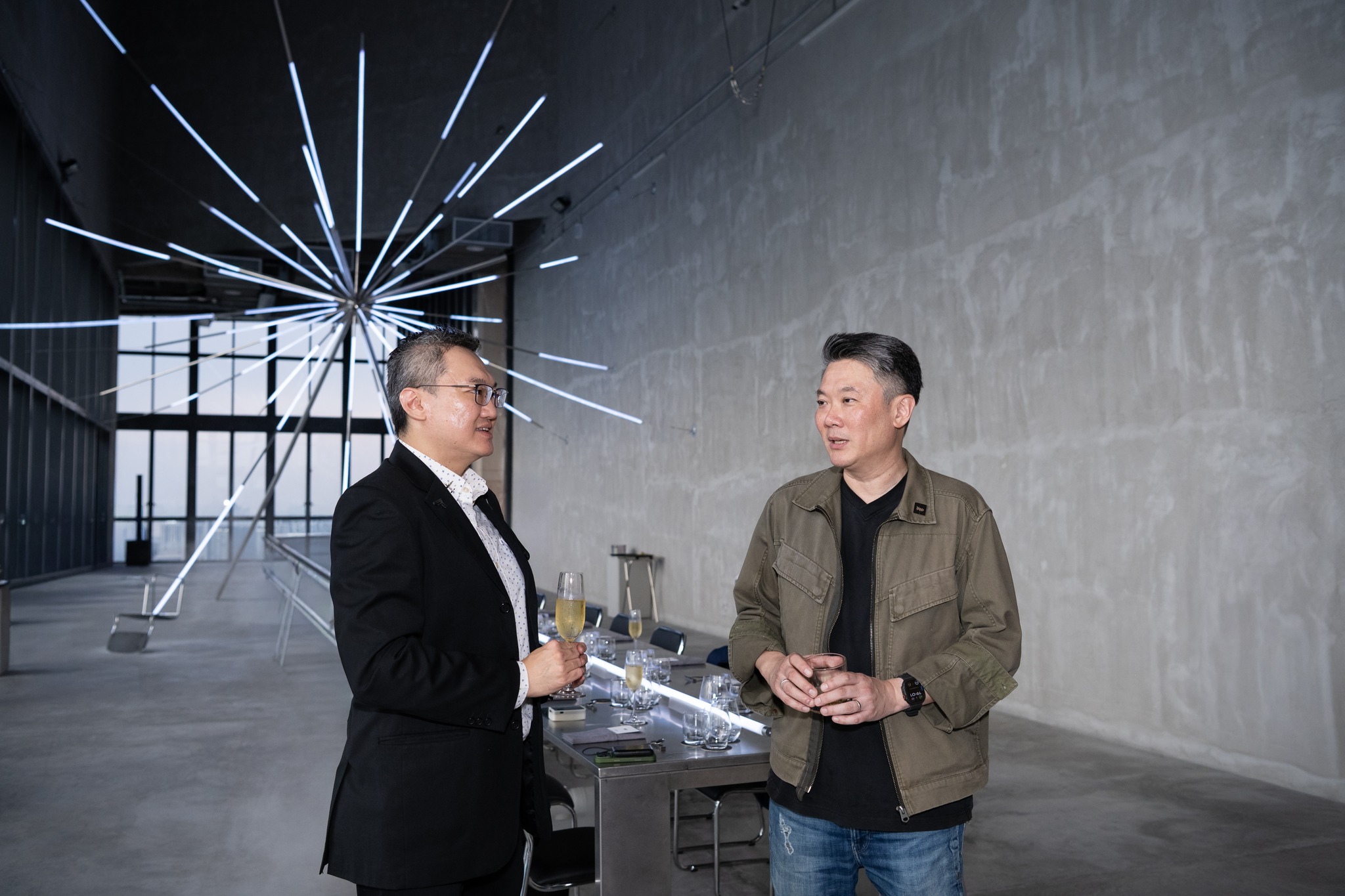
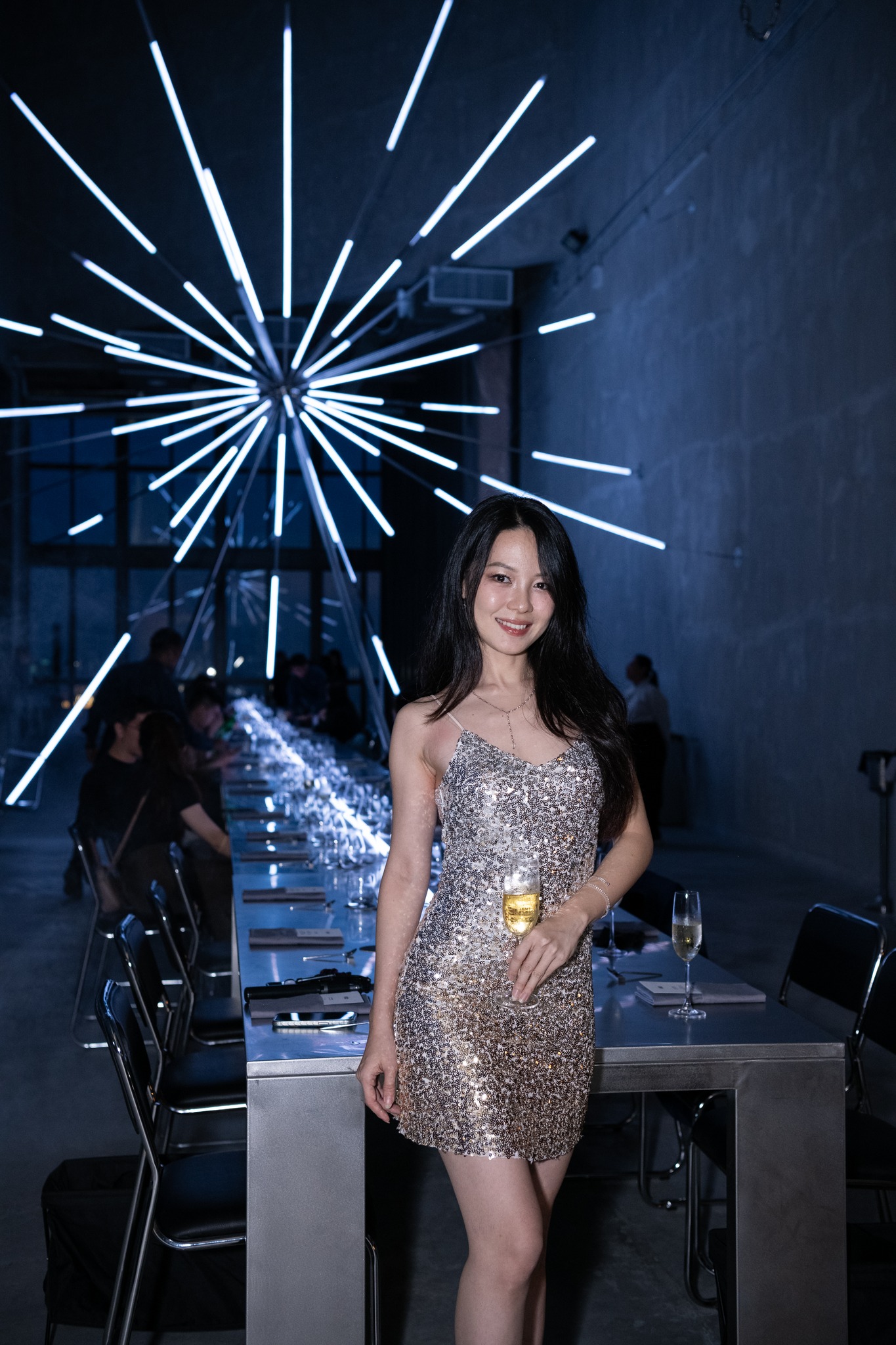
Tim Chew: What makes visiting 90D an experience worth seeking out?
William Lee: For me, 90D was never meant to be “just another restaurant.” It’s meant to feel temporary, emotional, and alive. Every 90D project is built around a very specific energy — the space, the people, the chef, the music, the pacing, even the feeling when you first walk in.
What makes it worth seeking out is that you know it won’t exist forever in the same form. We’re constantly experimenting with interesting locations, collaborations, and ideas. One season it could feel intimate and raw, another could feel immersive and theatrical.
At the heart of it, 90D is about creating moments people remember long after the meal is over. Food is important, of course, but the real goal is to make people feel something. That’s what we chase every single time.
Tim Chew: What sets 90D apart from other dining experiences in Malaysia?
William Lee: I think what makes 90D different is that we don’t approach hospitality from a traditional commercial formula first. We approach it creatively. A lot of places focus on consistency and replication. We focus on experience, storytelling, and evolution. We’re willing to take risks creatively, whether that’s with the space we choose, the chefs we collaborate with, or the concepts we build around.
90D is also deeply collaborative. It’s not driven by ego. We work with chefs, artists, designers, musicians, and creators to build something bigger than a dinner service. And culturally, we move very fast. If something works, we push harder. If something fails, we learn quickly and improve. That adaptability is a huge part of who we are.
LEADERSHIP LESSONS
Tim Chew: How would you describe your leadership style and how has it evolved over time?
William Lee: Earlier in my career, I thought leadership was about having all the answers. Over time, I realised it’s more about creating clarity, trust, and momentum for the people around you. Today, I’d describe my leadership style as open, direct, and hands-on. I believe in communicating clearly, setting expectations honestly, and leading by example. If the team is pushing hard, I should be willing to push harder alongside them. I’ve also become more patient and more willing to listen. Maturity teaches you that good ideas can come from anywhere, and people perform best when they feel heard and respected.
Tim Chew: What are the most important skills a leader must have today?
Fluidity and adaptability. The environment changes too quickly for leaders to stay rigid. Markets shift, consumer behaviour changes, trends evolve, and teams themselves are different today. A strong leader needs to stay calm in uncertainty, make decisions quickly, and adjust without losing direction. I also think communication has become more important than ever. Teams can handle difficult situations if they understand the “why” behind decisions. Confusion usually creates more problems than the challenges themselves.
Tim Chew: How do you motivate and inspire your team during challenging times?
I think honesty matters most. During difficult periods, people can sense when something is being hidden or sugar-coated. I’d rather say things as they are, address the issue directly, and focus on what we can control together. At the same time, people need to know you genuinely care about them, not just the outcome. When your team feels supported and trusted, they’ll push through difficult moments with you. For me, motivation doesn’t come from speeches. It comes from consistency, transparency, and showing up for the team every day.
Tim Chew: What is your vision for the company’s future, and how do you communicate it to your team?
We want to continue exploring unique spaces and collaborating with different chefs, artists, and creatives to see what’s possible when hospitality intersects with art, music, and storytelling. At the same time, Hanging Gardens represents another side of that ambition. It’s still evolving, but it will carry a very different energy and identity, and I’m excited for people to eventually experience what we’ve been building behind the scenes. Internally, I communicate vision very openly. I want the team to understand not just what we’re doing, but why we’re doing it. People commit more deeply when they feel connected to the bigger picture.
Tim Chew: What are the biggest challenges your company is facing right now?
William Lee: Like many creative and hospitality-driven businesses, balancing ambition with financial discipline is always a challenge. Projects like 90D require significant investment — in the experience, the space, the collaborations, and the production quality. Managing budgets responsibly while still delivering something impactful is something we constantly work on. Sales pressure is also real. Creativity is important, but ultimately, the business still needs sustainability and strong execution behind the scenes.
Tim Chew: How do you measure success for yourself and your organisation?
William Lee: Success, to me, goes beyond revenue alone. Of course, numbers matter because they reflect sustainability and execution, but I also look at growth, culture, and impact. Are we improving? Are we learning faster? Are we building something people genuinely connect with? Are we developing people who become stronger leaders themselves? I believe success comes from staying hungry, moving fast, learning from failures quickly, and never becoming complacent. If we keep evolving while staying true to our values, the results will follow.
Tim Chew: How can individual team members contribute more effectively to the company’s goals?
William Lee: Ownership. I think high-performing teams are made up of people who don’t wait to be told every small detail. The best team members understand the mission, take initiative, communicate proactively, and look for solutions instead of only identifying problems. I also value honesty and accountability. Mistakes are normal — hiding them is what becomes dangerous. When people are transparent, we can solve issues quickly and keep moving forward.
Tim Chew: What kind of work culture do you believe drives high performance and employee motivation?
William Lee: A culture built on trust, accountability, and shared ambition. People perform best when expectations are clear, communication is open, and everyone feels they’re contributing to something meaningful. I don’t believe in fear-driven cultures long term. High performance comes when people feel challenged but also supported. The environment should encourage creativity, initiative, and continuous improvement.
Tim Chew: How do you handle conflicts or disagreements within your team?
William Lee: Directly and early. Most conflicts become worse when avoided for too long. I try to create an environment where people can speak openly and respectfully. The focus should always be on solving the issue, not protecting egos. At the end of the day, alignment matters more than being individually “right.” Once a decision is made, the team needs to move forward together.
Tim Chew: How do you delegate responsibilities and ensure accountability?
William Lee: Delegation starts with trust and clarity. People need to know exactly what success looks like and why their role matters. Once expectations are aligned, I try not to micromanage. I prefer giving people ownership because it helps them grow faster and perform with more confidence. Accountability then comes from regular communication, transparency, and following through on commitments.
Tim Chew: What do you do to develop and retain talent in your organisation?
William Lee: I think people stay where they feel challenged, valued, and able to grow. I try to expose the team to real responsibility early, involve them in creative discussions, and give them opportunities to contribute ideas instead of just executing instructions. Retention is also about culture. People want to work with leaders who are honest, fair, and invested in their development.
Tim Chew: What habits or routines have contributed most to your success?
William Lee: Consistency and reflection. I try to stay disciplined with communication, planning, and follow-through, even during chaotic periods. I also spend a lot of time observing customer behaviour, team dynamics, industry shifts, and even my own mistakes. The ability to reflect honestly and adapt quickly has probably helped me more than anything else.
Tim Chew: How do you maintain work-life balance as a leader?
William Lee: I’m still learning that balance, honestly. Hospitality and creative businesses can consume a huge part of your life. What’s helped me is understanding that sustainability matters personally just as much as it does in business. Rest, perspective, and time away from work actually improve decision-making and creativity. I’ve learned that being constantly busy doesn’t necessarily mean being effective.
Tim Chew: What advice would you give to aspiring leaders and entrepreneurs?
William Lee: Start before you feel fully ready. A lot of growth only happens through action. At the same time, stay humble enough to learn constantly. Listen more, adapt quickly, and don’t let ego slow your progress. Most importantly, build something you genuinely believe in. Passion alone isn’t enough, but without genuine belief, it becomes very difficult to sustain through setbacks and pressure.
Tim Chew: Can you share a failure or setback you experienced and how you overcame it?
William Lee: I’ve had projects and ideas that didn’t perform the way I expected, especially creatively. Sometimes you invest heavily in something emotionally and financially, and the response isn’t what you hoped for. Earlier on, I used to take setbacks very personally. Over time, I learned to separate failure from identity. A failed project doesn’t mean you’re a failure — it’s simply feedback.
Now, I try to process setbacks quickly, understand what went wrong honestly, and move forward with the lessons. In our industry, resilience and adaptability are everything.
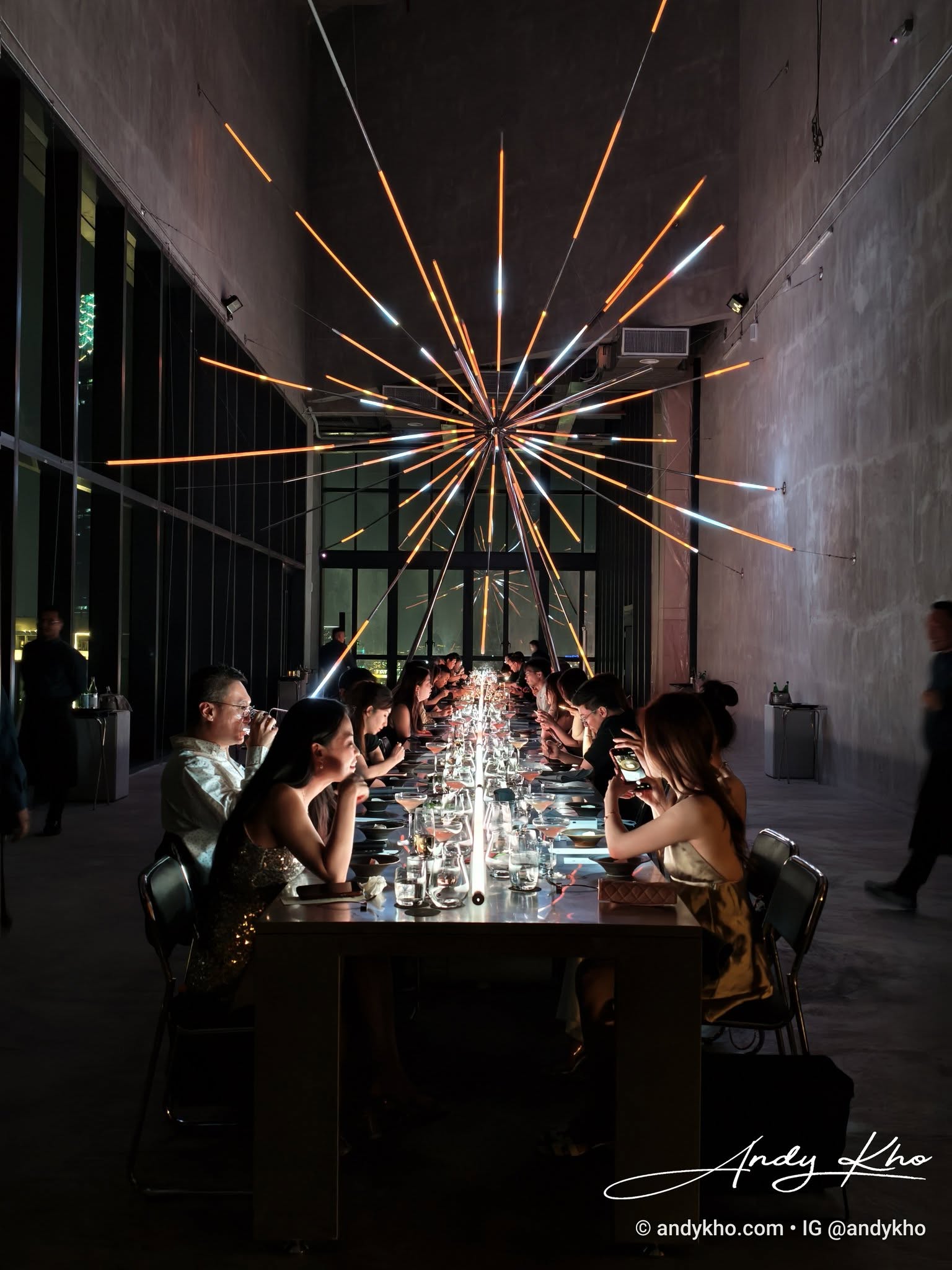
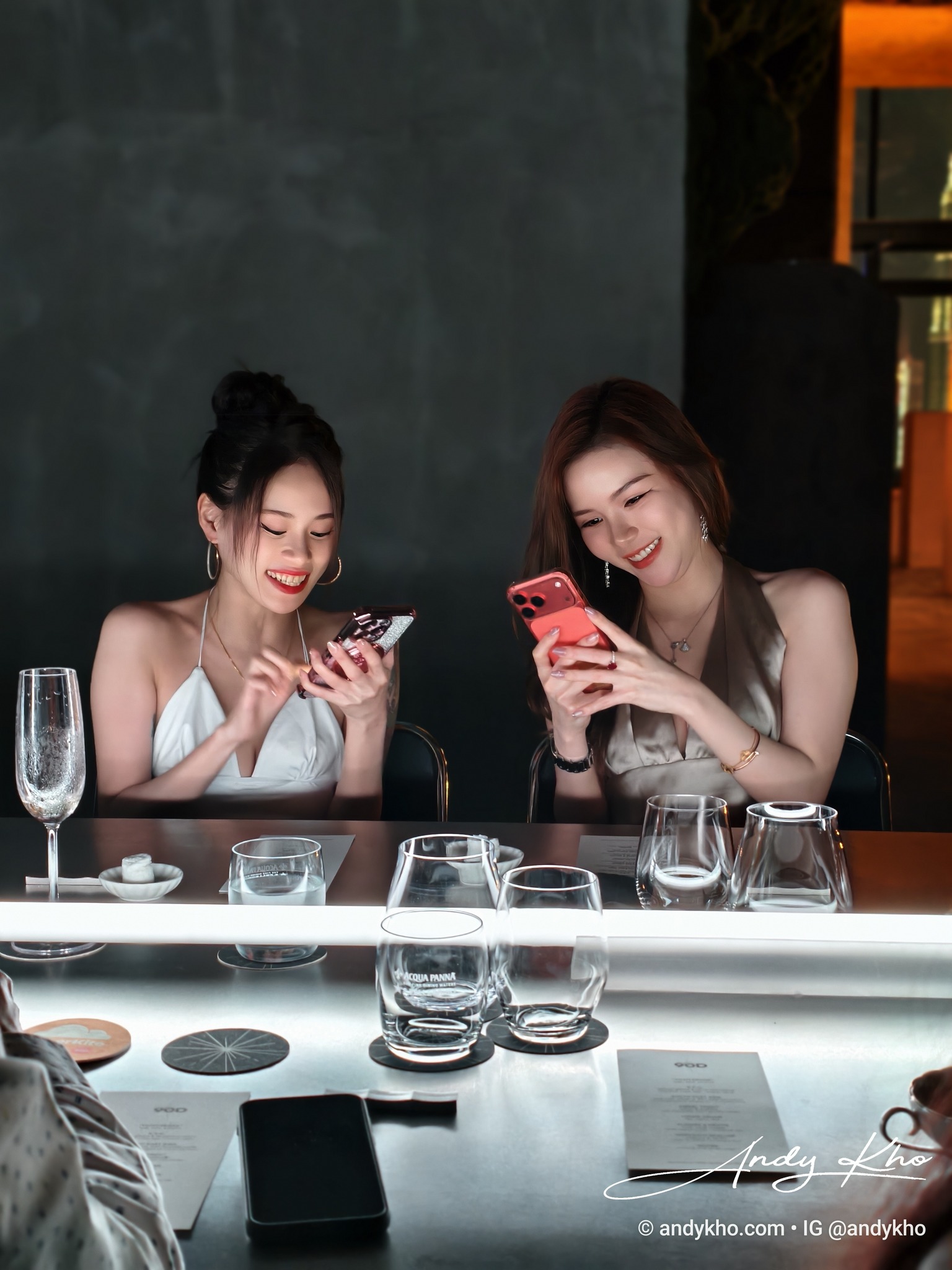
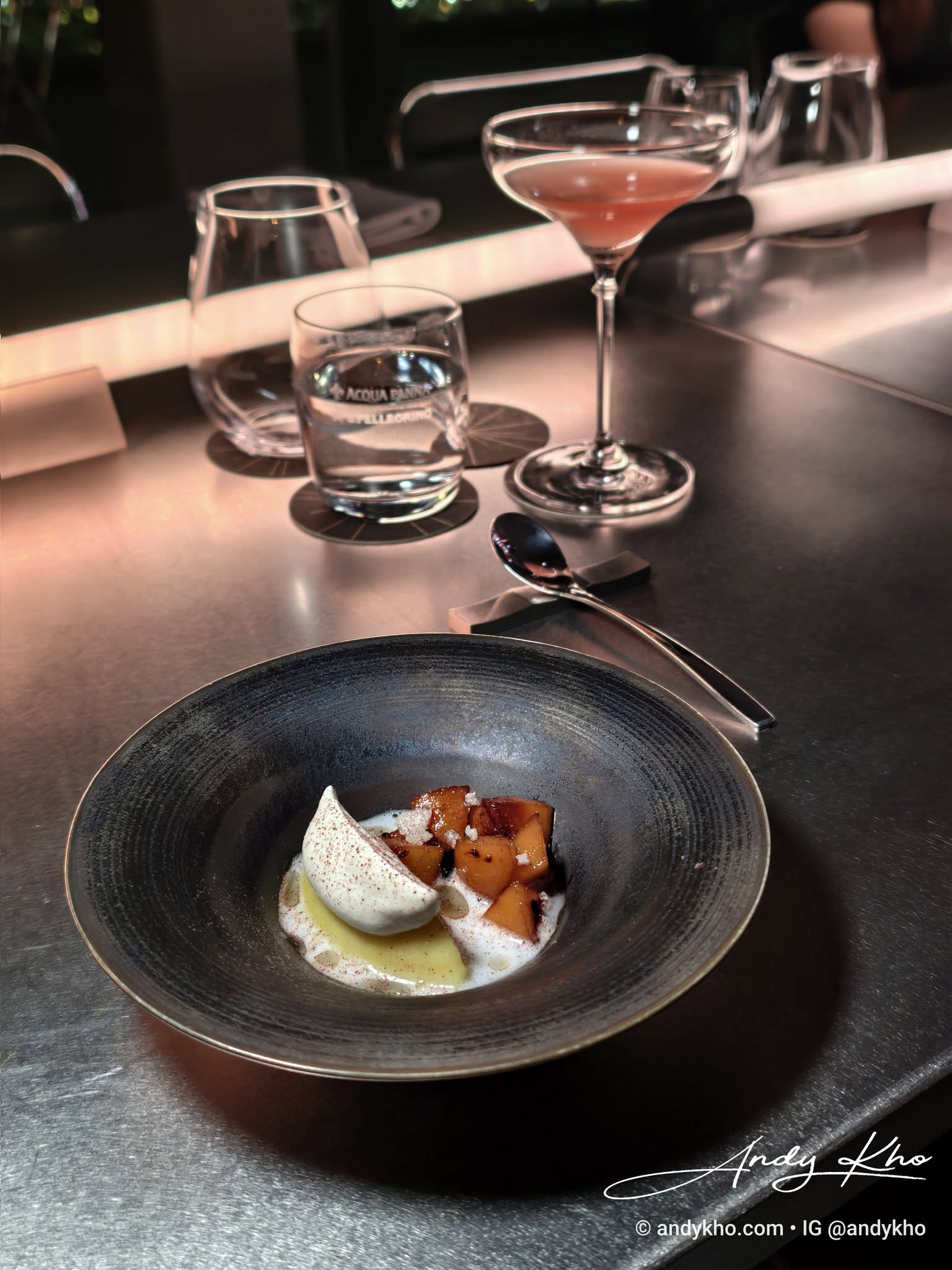
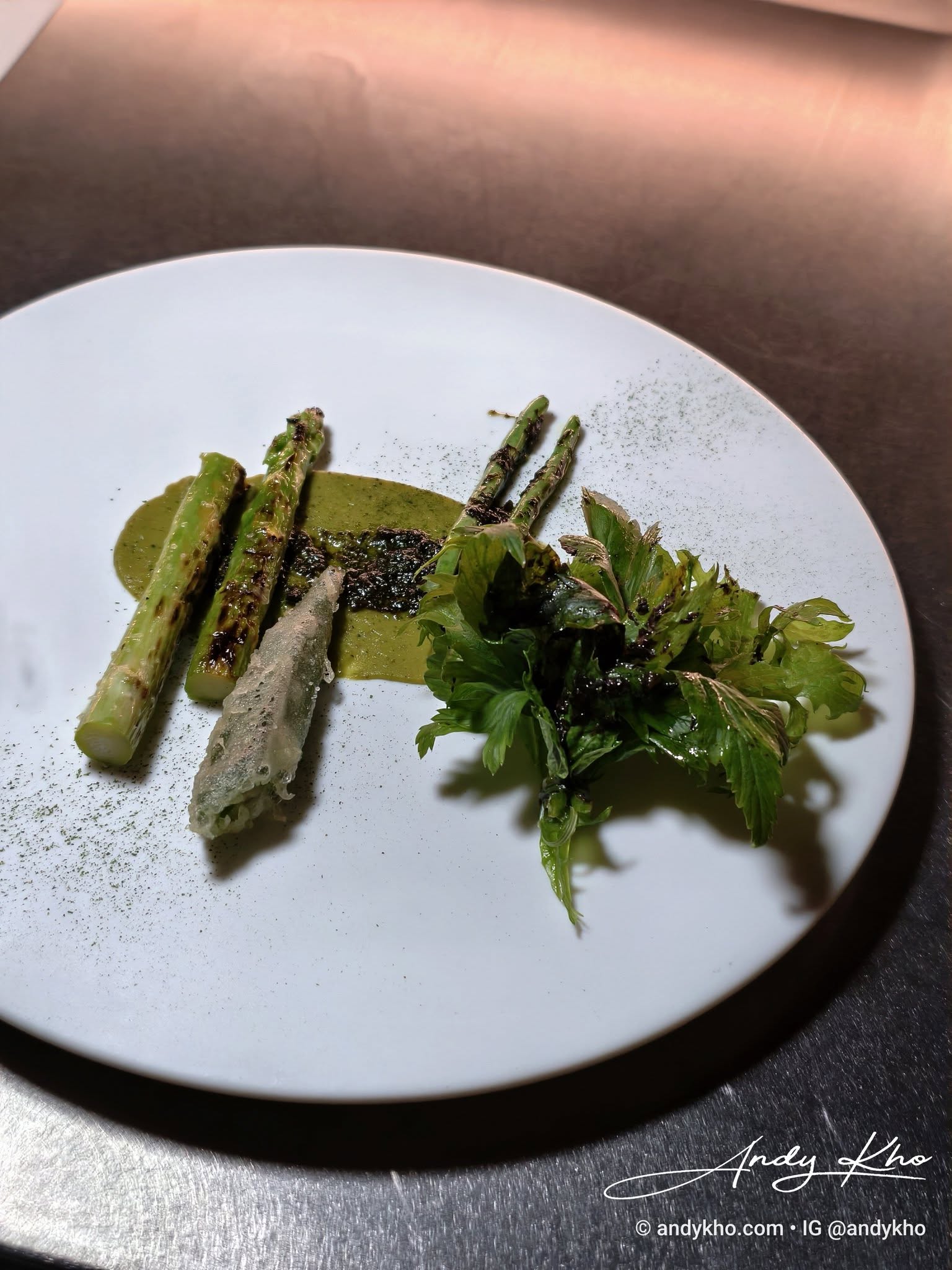
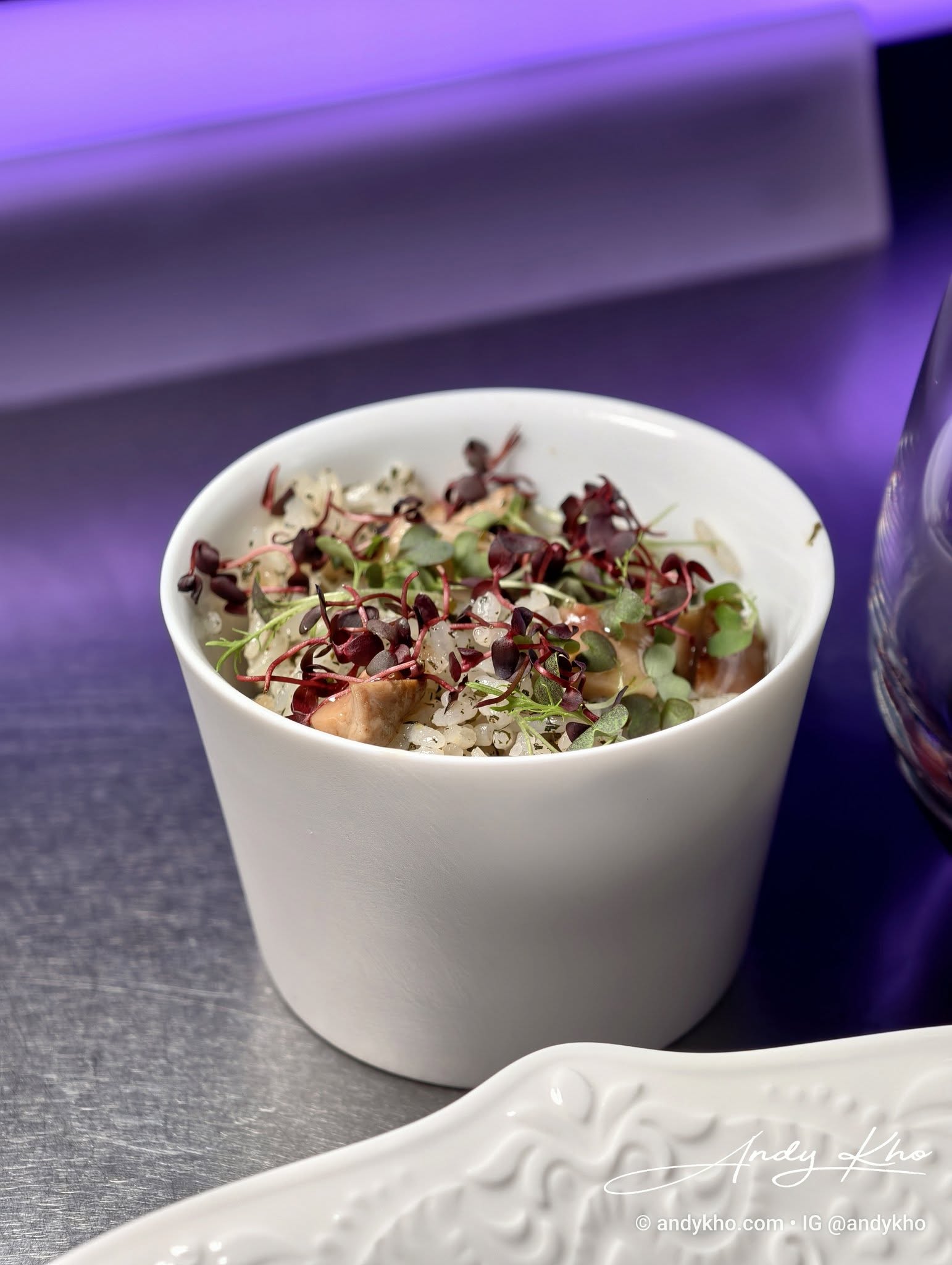
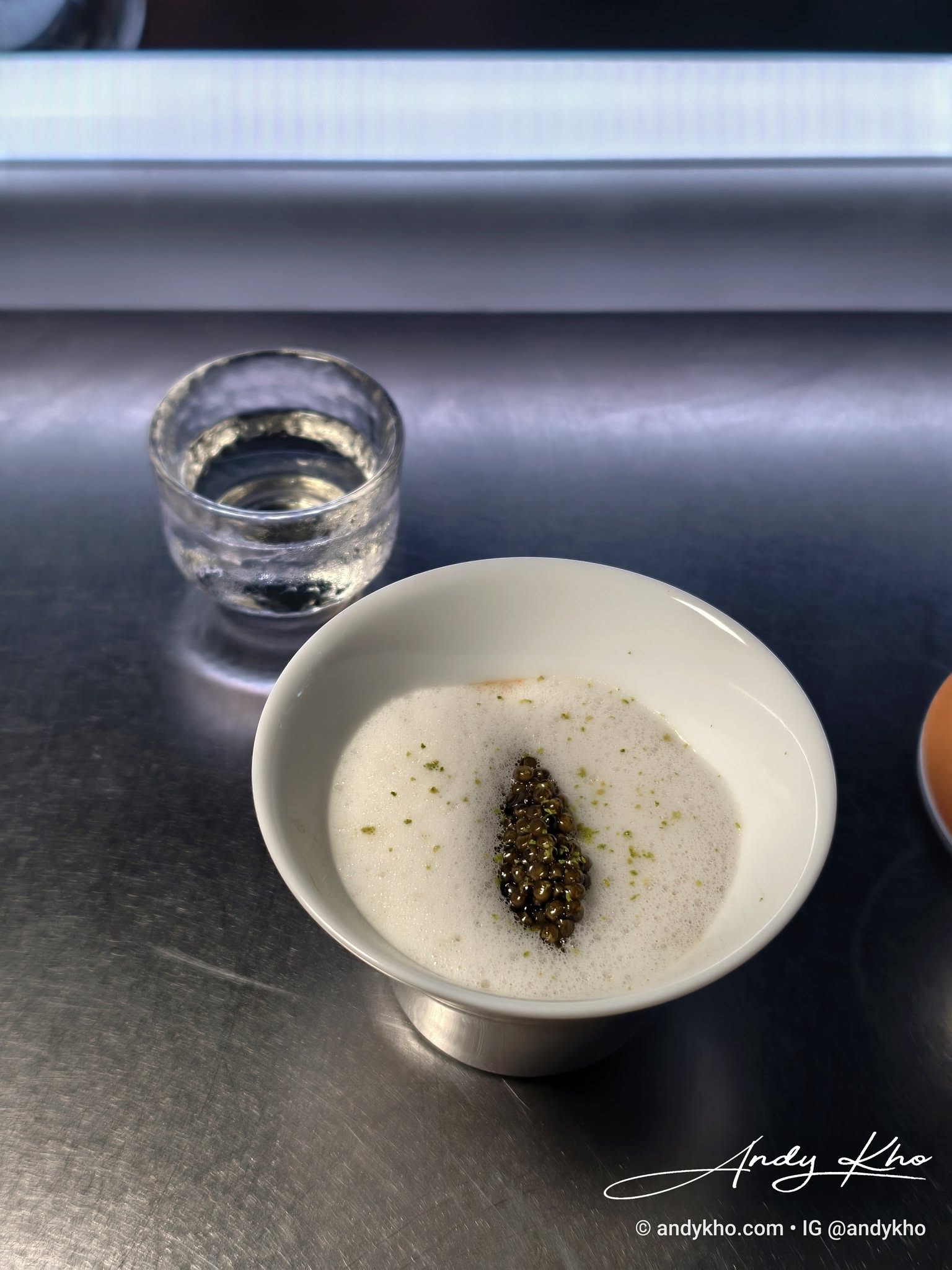
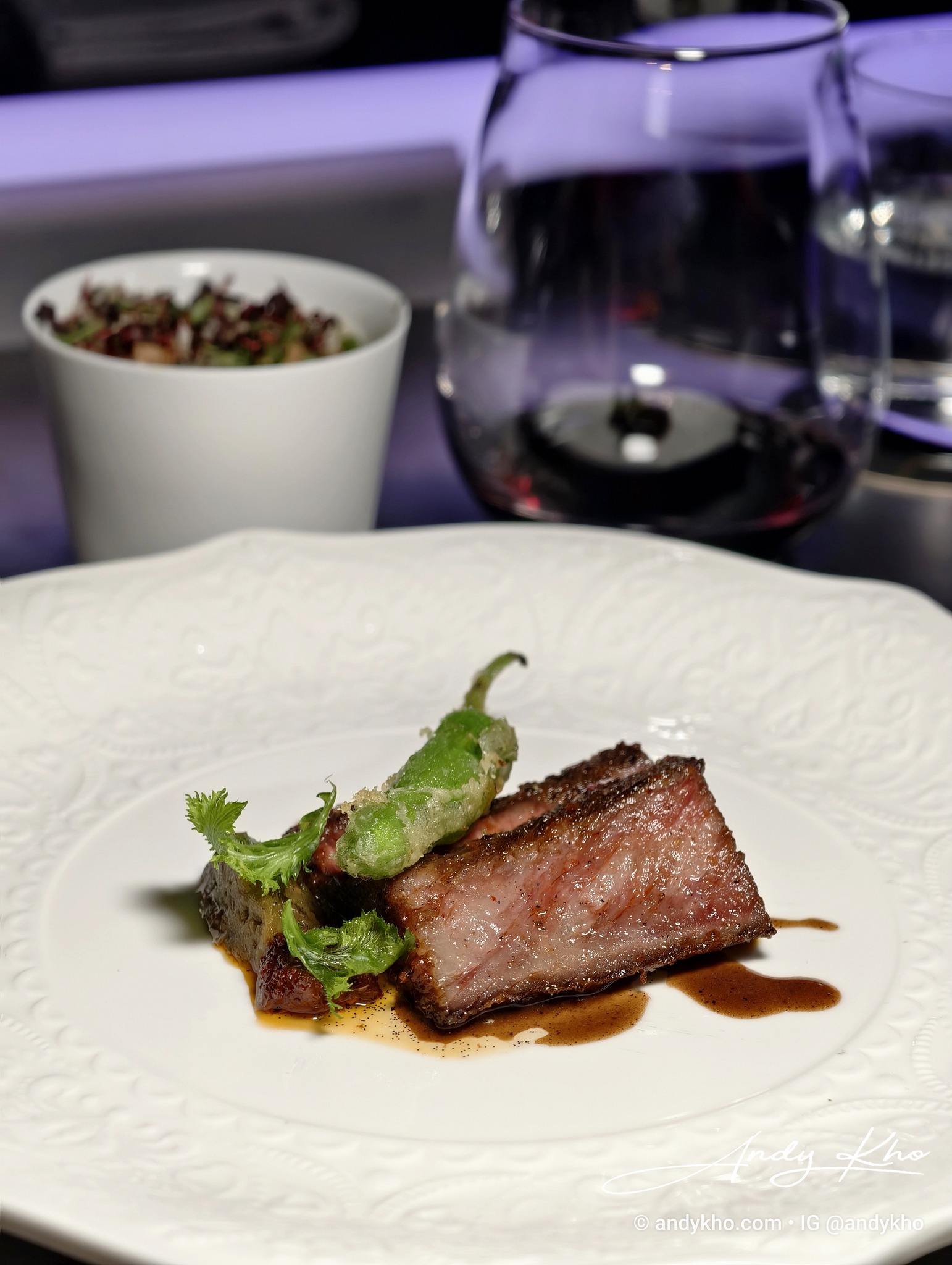
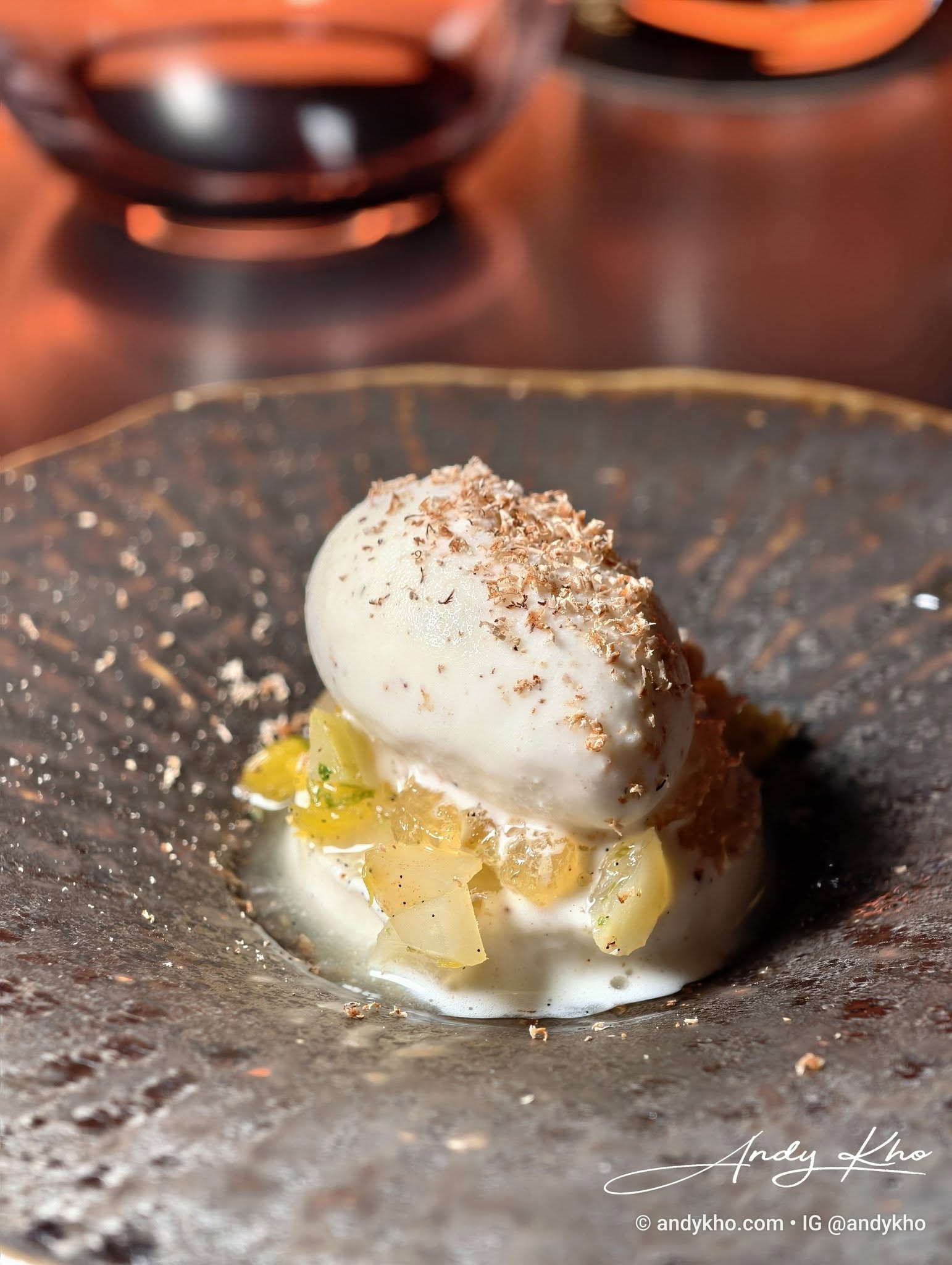
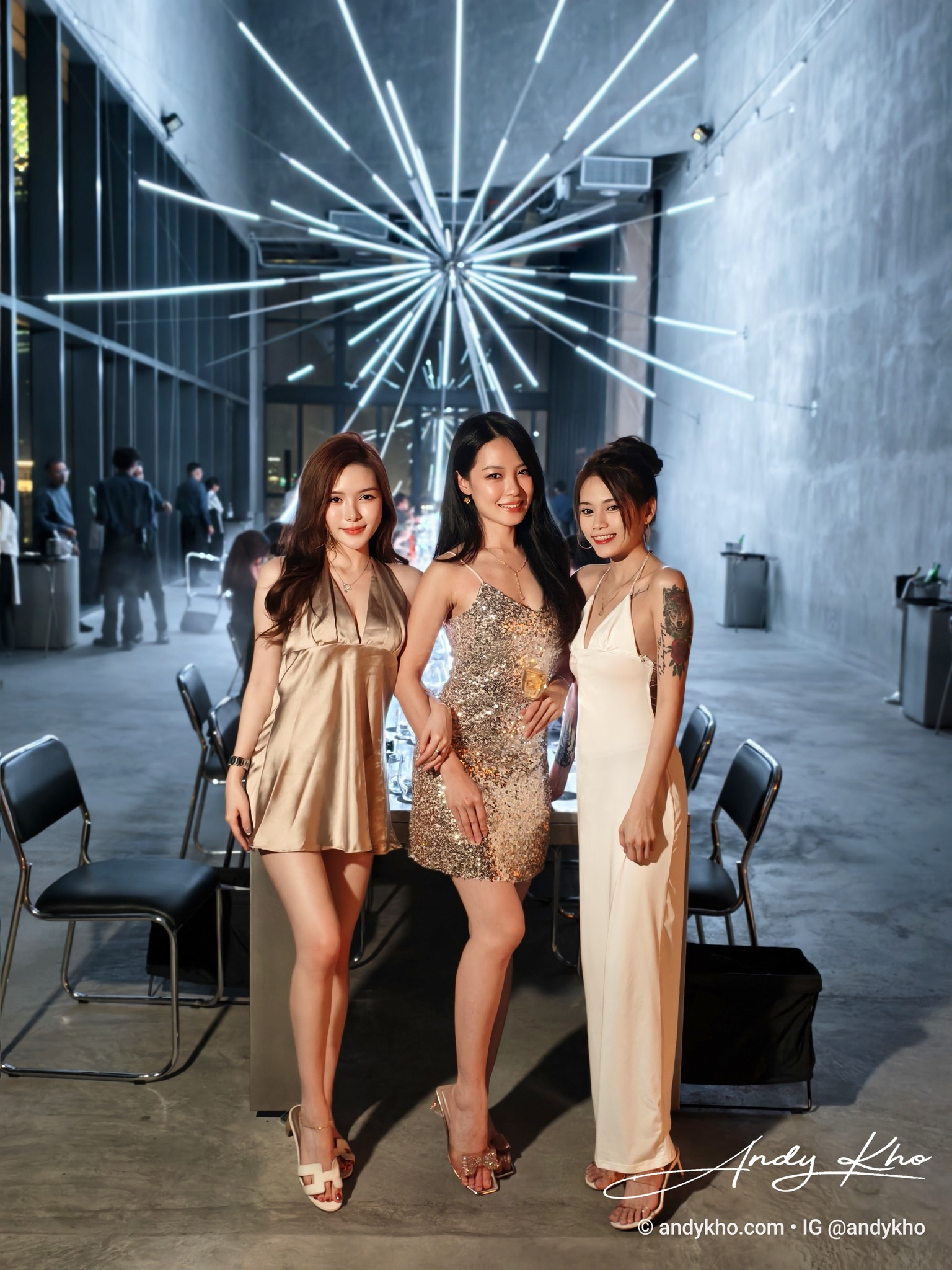
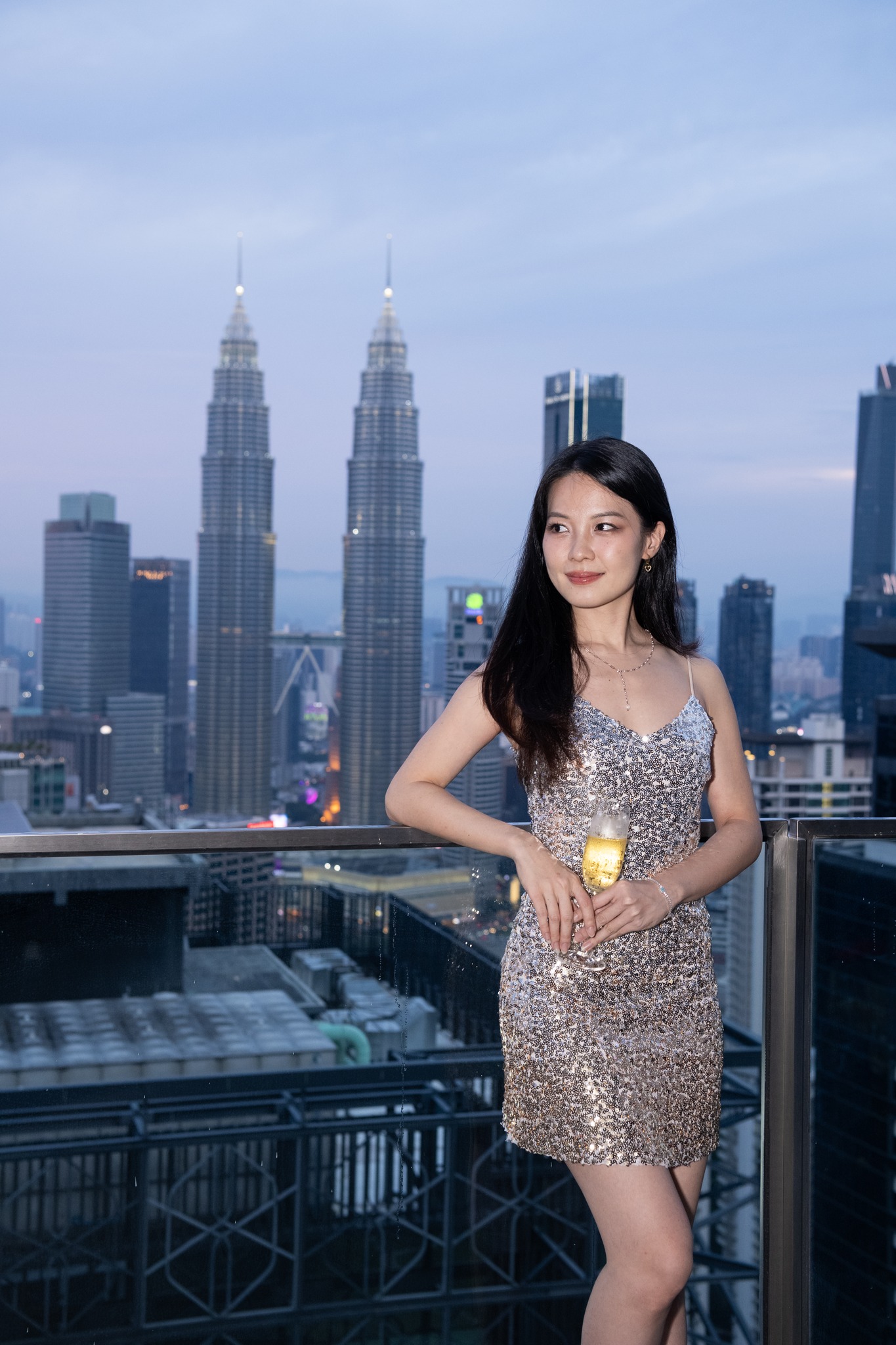
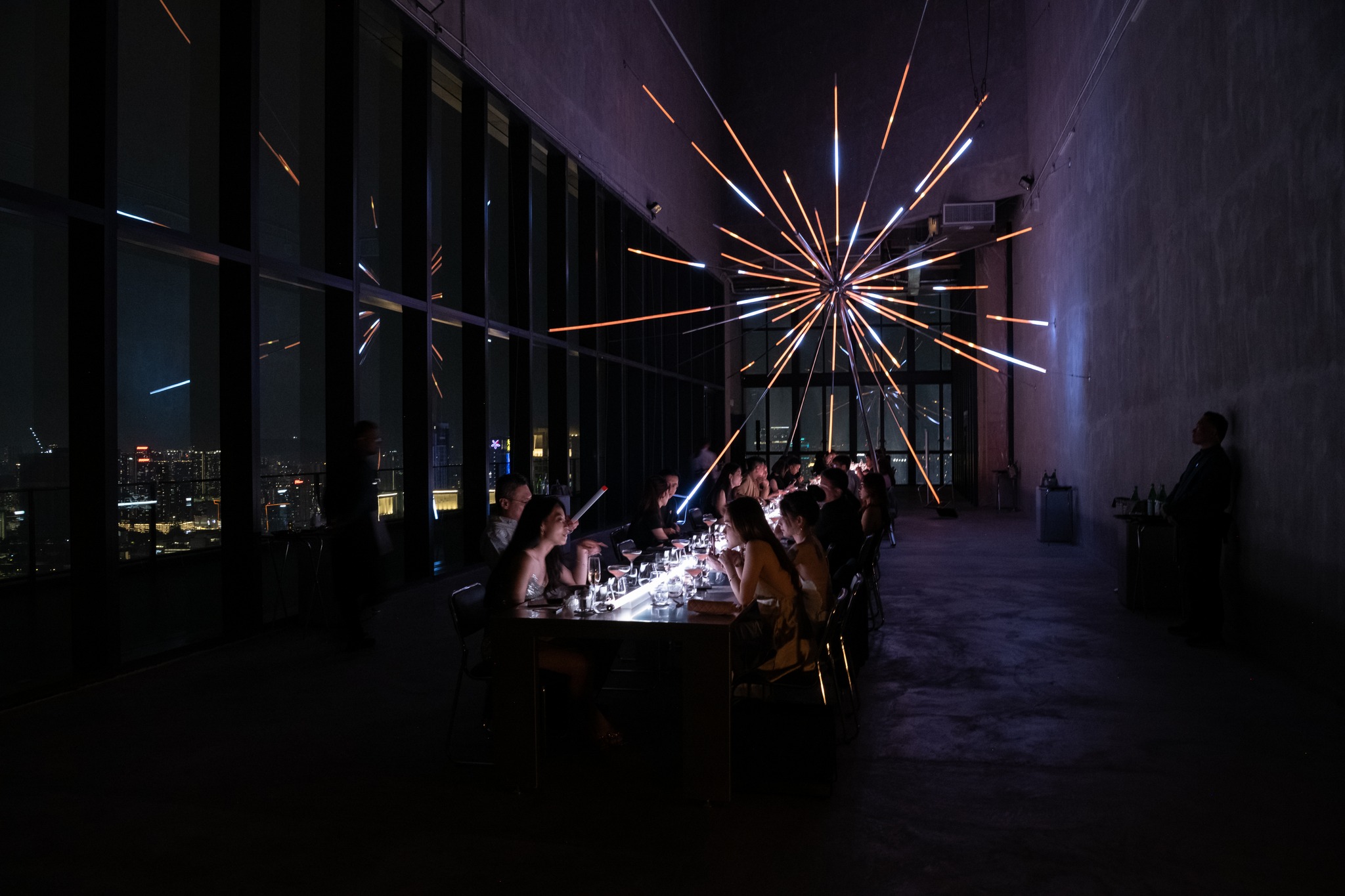
The 90D experience runs for exactly 90 nights — from 1 April to 2 August 2026 — on Level 50 of Conlay by E&O, above the Kuala Lumpur skyline. When those 90 nights are done, it closes. No second run, no permanent venue. The finite nature of the experience is built into its design.
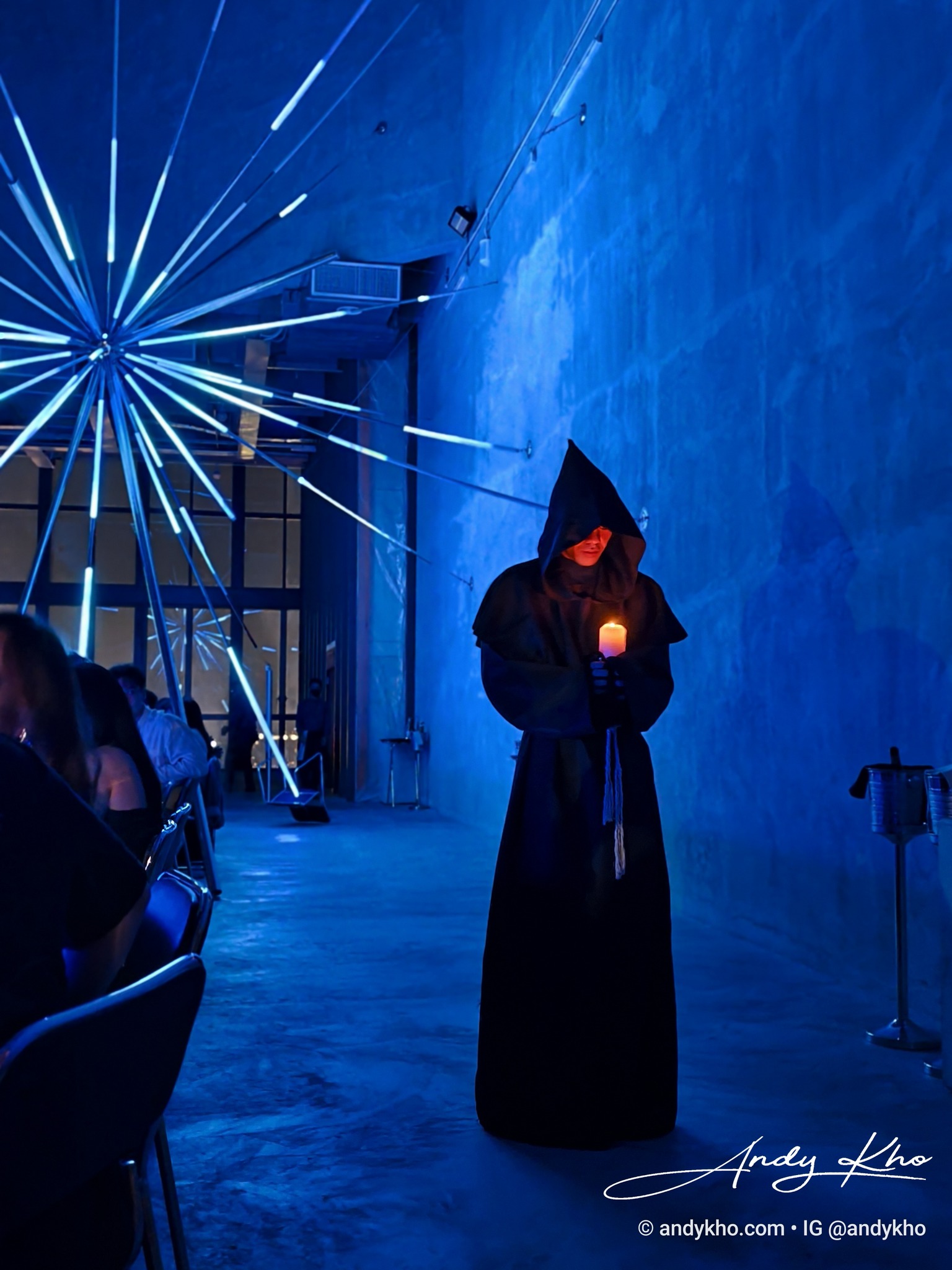
The concept is the work of Kent Chua and William Lee, presented by RCX Group. What they have assembled brings together three distinct disciplines — culinary, sound, and light — and treats them not as separate elements of an evening, but as a single integrated experience. As each course arrives, the light and sound in the room shift alongside it, structured into what the team refers to as movements, borrowing the language of music deliberately. The evening has a beginning, a progression, and a resolution.
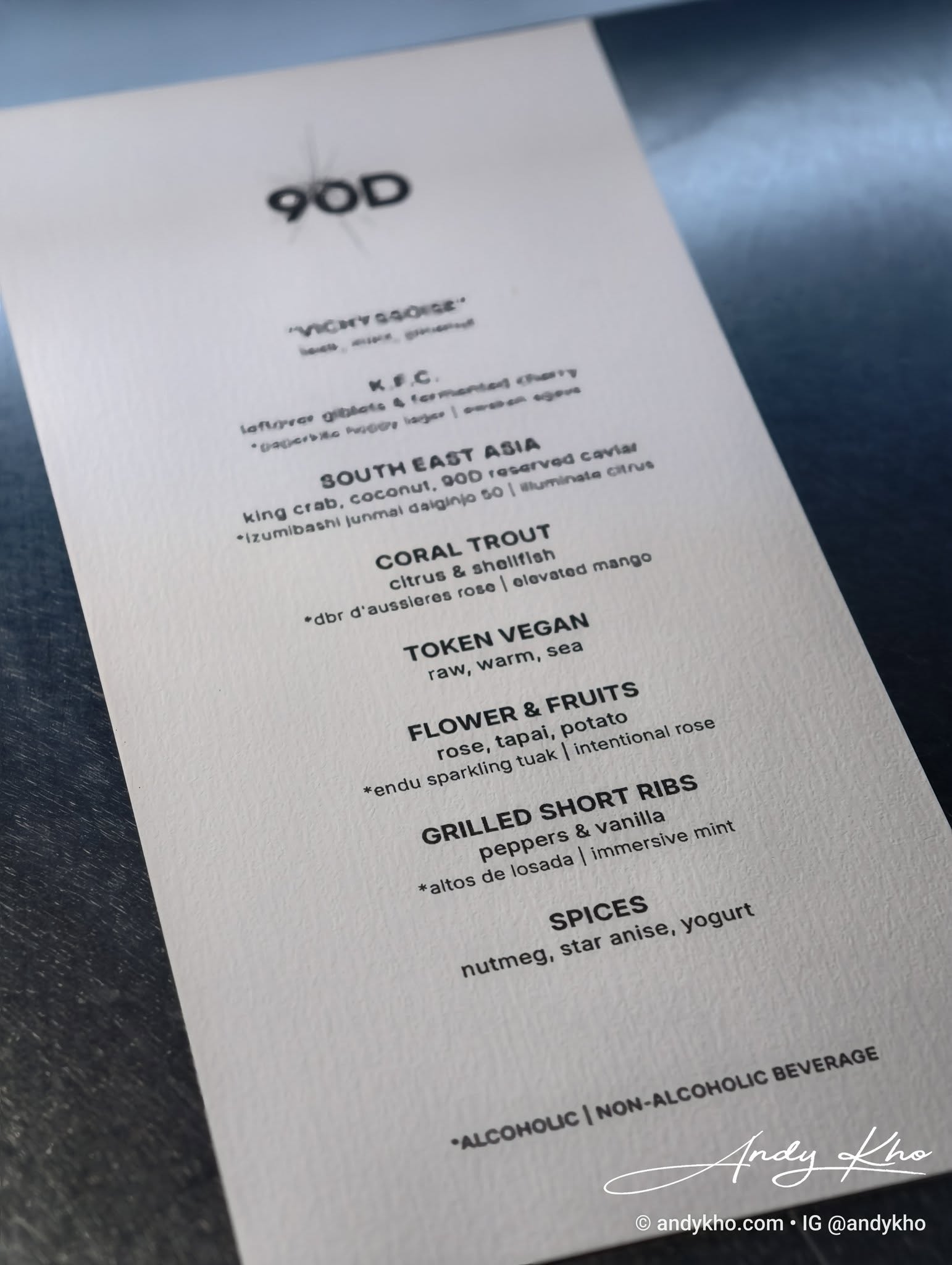
The culinary direction is handled by Chef Toraik Chua — known professionally as TC — a Le Cordon Bleu Malaysia alumnus from Kedah whose career took him to Noma in Copenhagen, where he spent three years working with fermentation and seasonal sourcing, and subsequently to Zén in Singapore, the three-Michelin-starred restaurant where he served as Executive Chef. His approach to the 90D menu reflects that background: each course is designed to move in step with the light and sound composition surrounding it, rather than to stand alone.
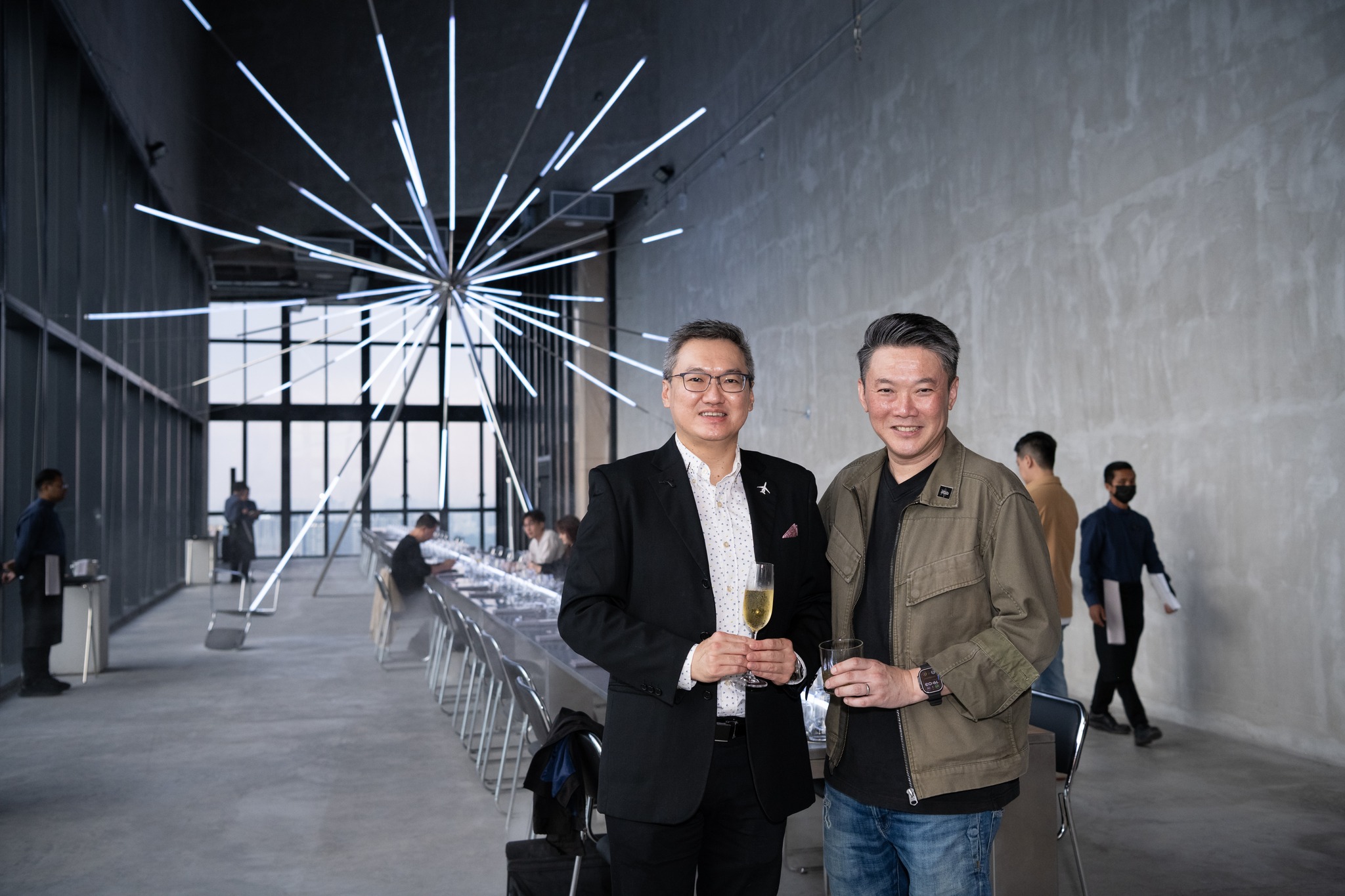
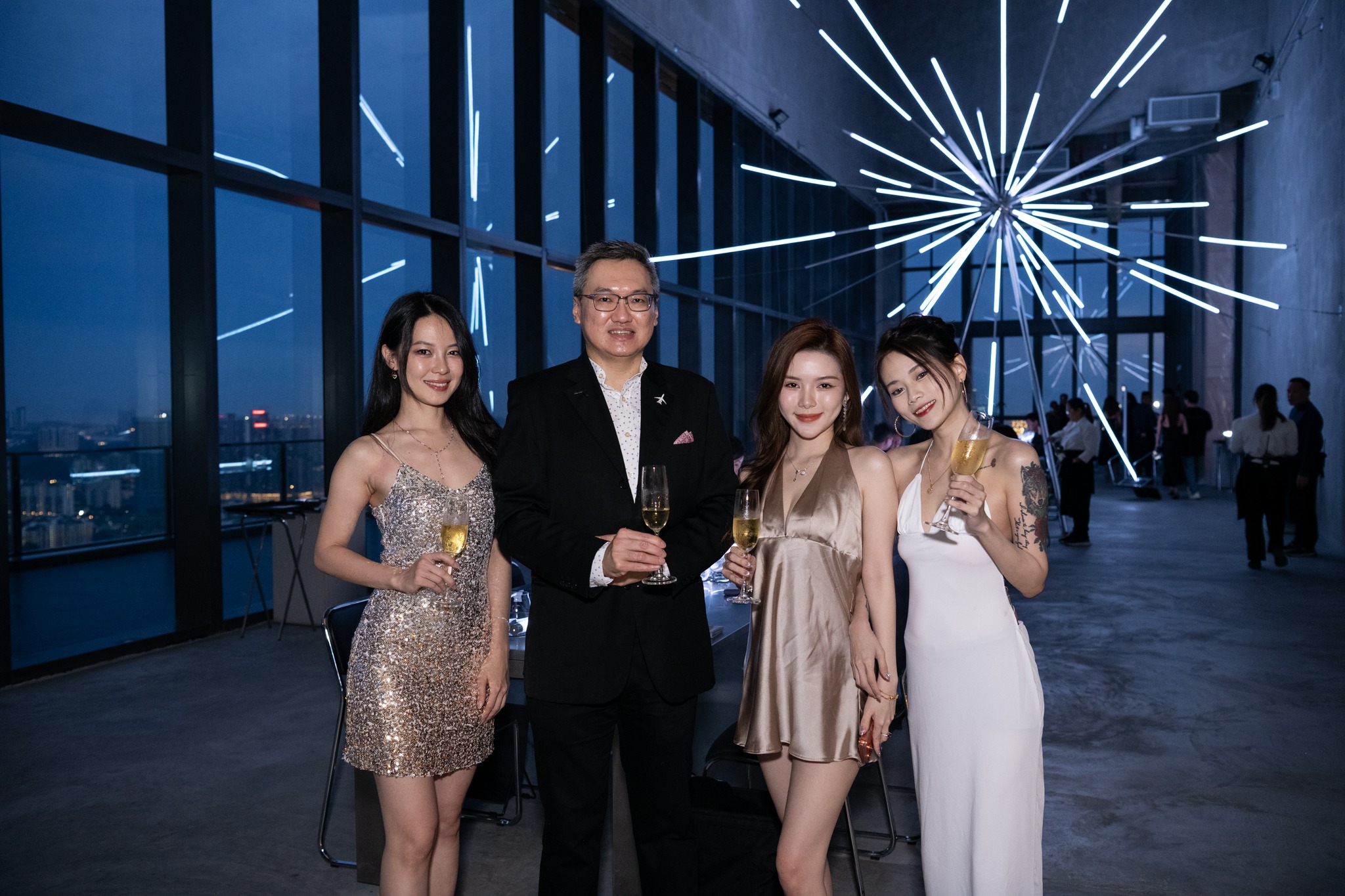
The spatial and lighting dimension belongs to Jun Ong, an architect and light artist whose work has been exhibited internationally. His installation Star in Penang was nominated for World’s Best in Spatial Art at the Media Architecture Biennale; his piece Polaris was presented at the Stavros Niarchos Foundation Cultural Center in Athens. He has been commissioned by Nike, Gucci, and Philips Lighting. At 90D, his contribution centres on Big Bang, a monumental light sculpture that anchors the room and guides its transitions throughout the evening.
During our visit, the dinner unfolded across several courses, each accompanied by a curated alcohol pairing (there’s also a non-alcoholic option) that moved alongside the menu rather than in parallel to it. The overall experience was unhurried and considered — the kind of evening where the food invokes conversation but is not the only thing commanding your attention. The lighting, in particular, did real work: it shifted the mood of the room between courses in ways that were perceptible without being theatrical. Entertainment wove through the evening at intervals, adding texture without interrupting the flow.
The venue itself — a raw, unfinished space chosen as much for its character as for its position above the city and offering an unhindered panoramic view of the Kuala Lumpur skyline — accommodates a limited number of guests per session. There is no walk-in. Access is managed through a waitlist at thisis90d.com, with invitations extended as slots become available. The format reinforces what the experience itself communicates: this is not designed for volume.
Kuala Lumpur’s dining scene has seen considerable development in experiential formats in recent years, but a sustained programme combining food of this calibre with internationally exhibited light art and composed sound — structured as a finite run, deliberately unrepeatable — sits in a different territory.
90D runs from Wednesday to Sunday, 7.00pm to midnight, until 2 August 2026. Level 50, Conlay by E&O, Kuala Lumpur. Waitlist and further information at http://thisis90d.com
.
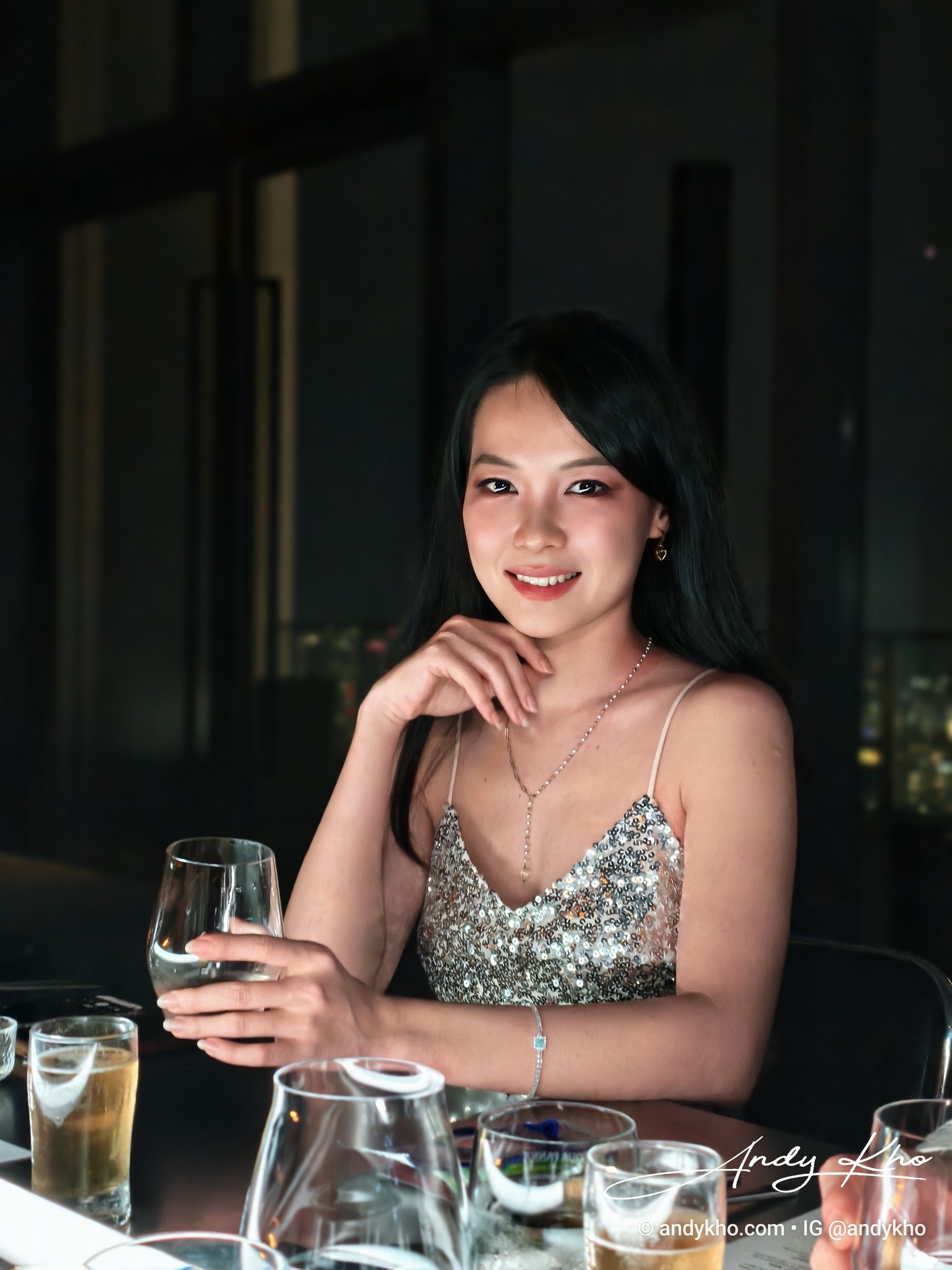
Photos by Andy Kho using his professional camera for the portrait photos and photos before/ after dinner, and the vivo X200 Pro for photos during the dinner (no cameras with flash were allowed during dinner to preserve the ambience).


