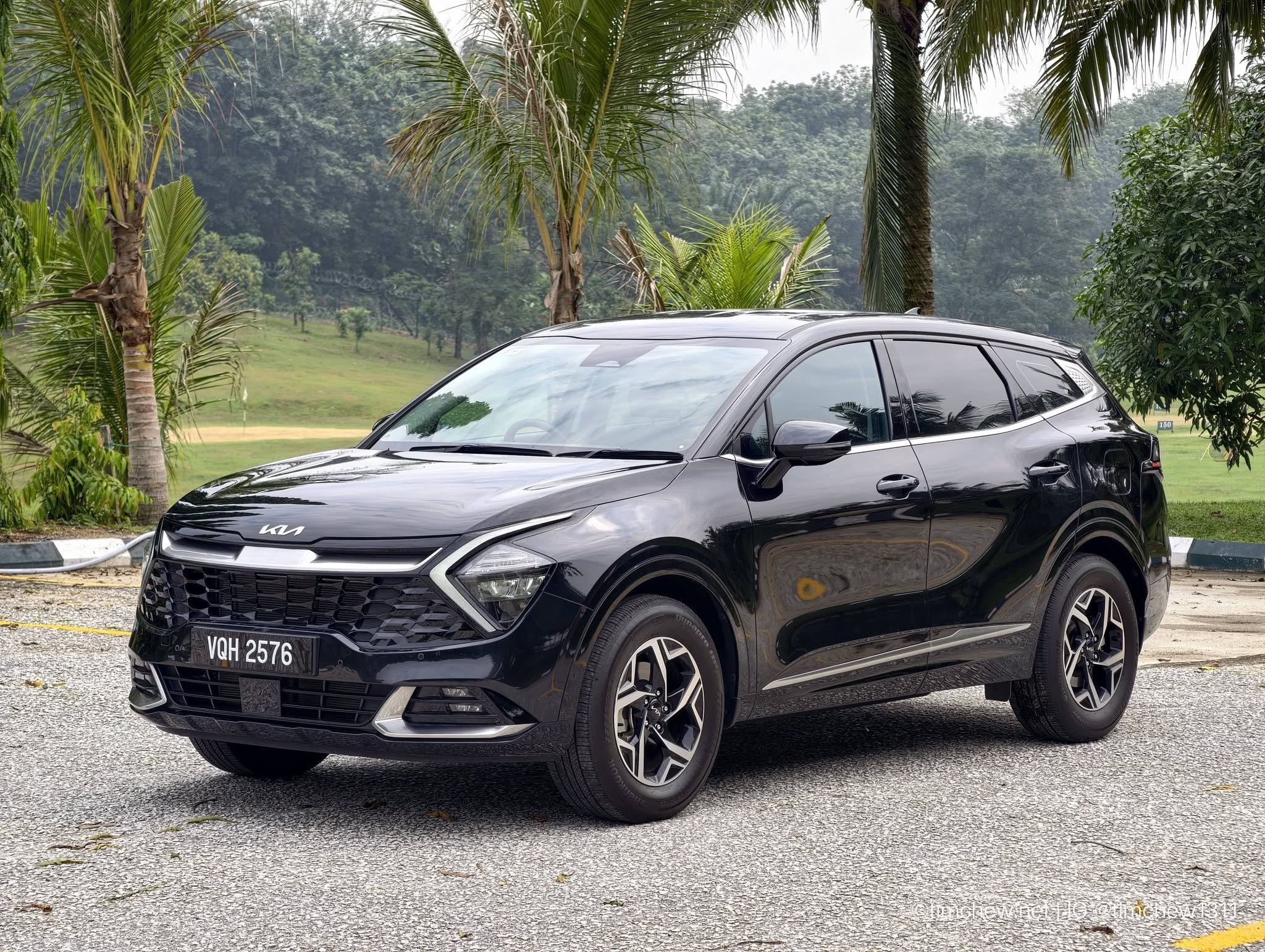
Kia’s Sportage in Malaysia comes in two(2) powertrains and multiple variants – each having a different range of specifications and features, and we spent time with the top-of-the-range Kia Sportage earlier this year (which you can read about below). This time Kia Sales Malaysia lent us the 2.0G 2WD Hi, which costs RM138,800 on the road without insurance, according to Kia. That is RM40,000 less than the 1.6T AWD Hi we drove before.
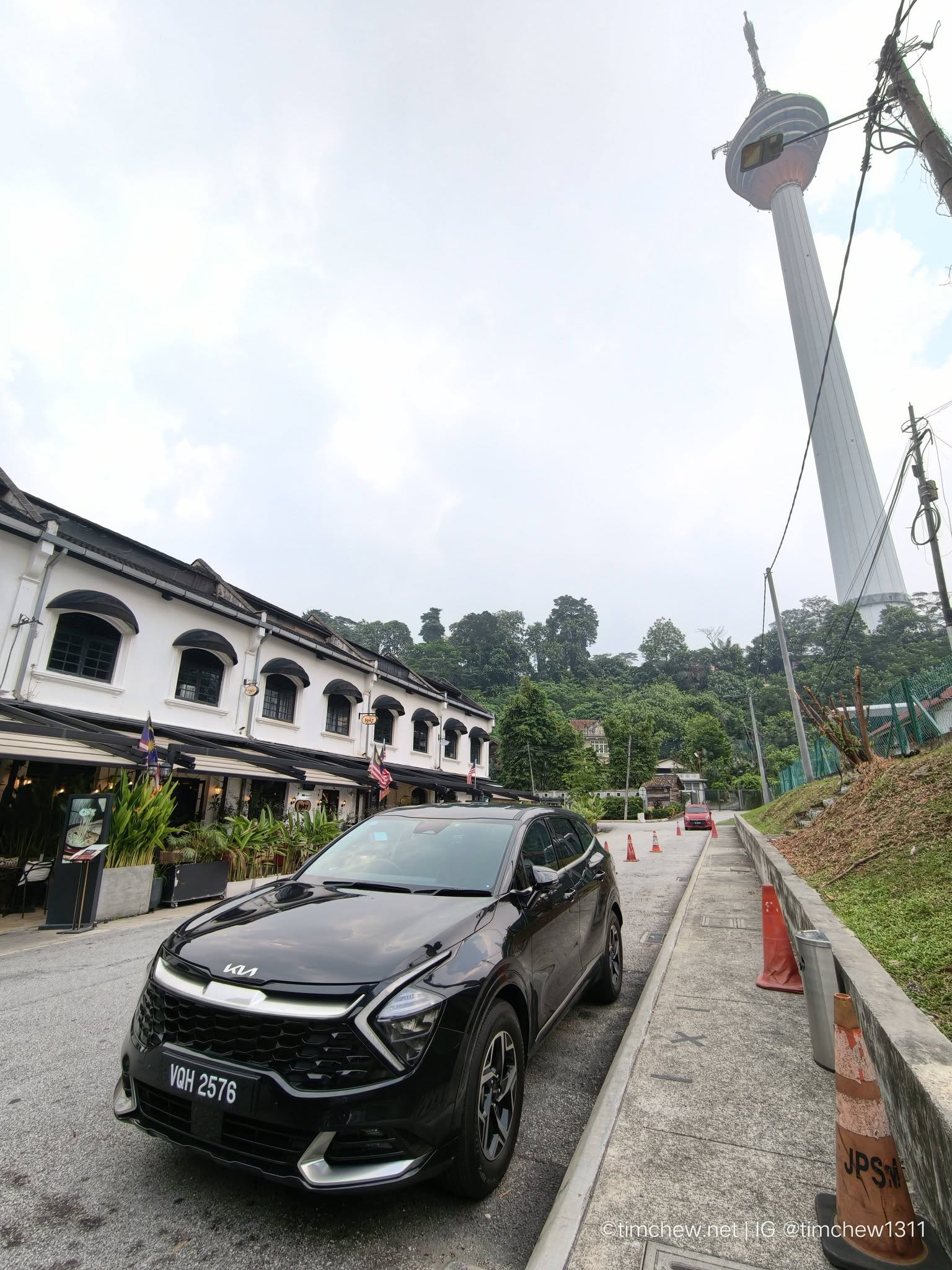
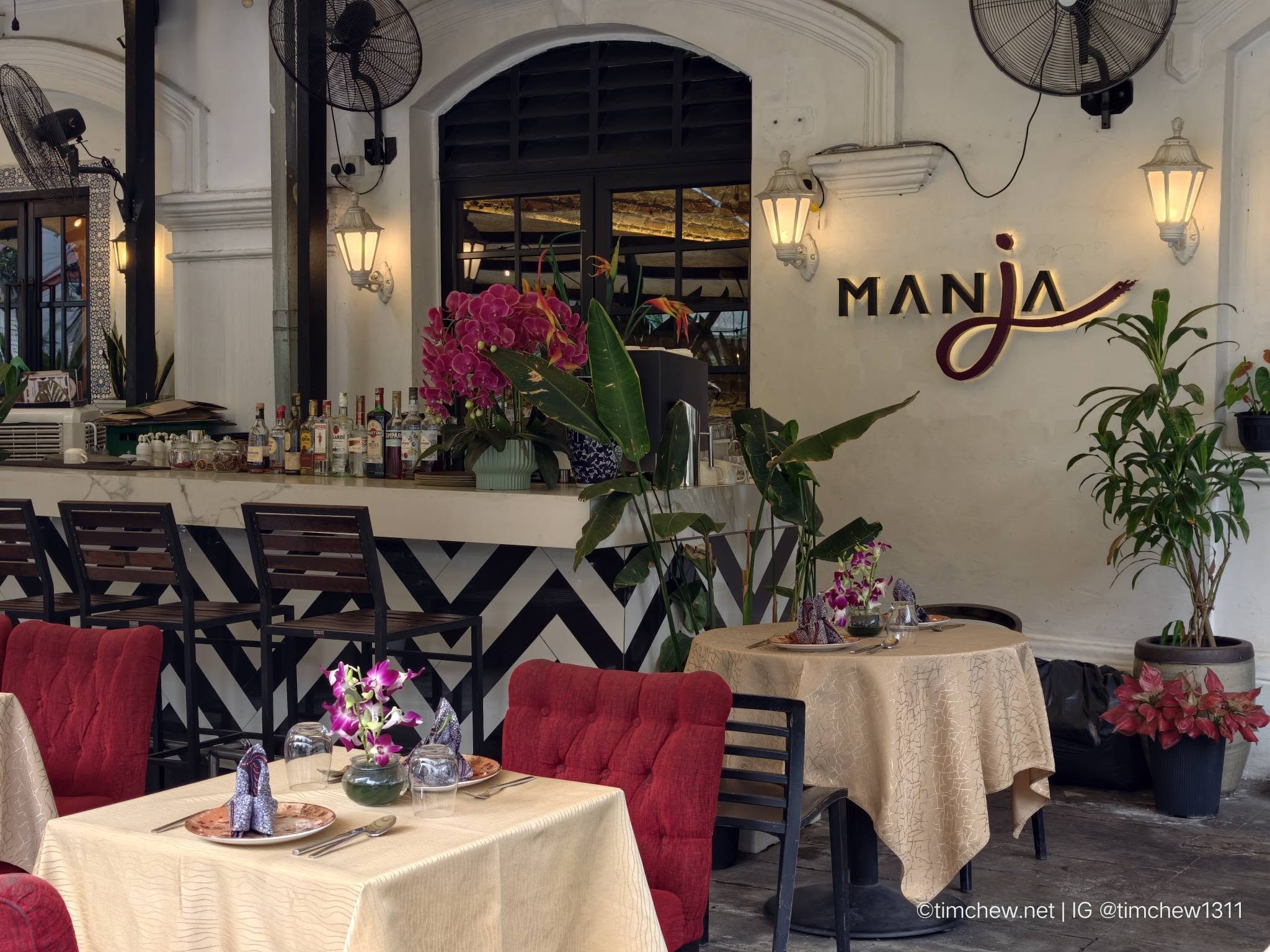
We drove it around for a weekend; most notably, we drove it down to Manja KL for dinner. Manja KL is tucked along Old Malaya at Lorong Raja Chulan in the city centre, in a restored colonial-era building that the restaurant puts at roughly a century old. The dinner menu places it in what was once known as “Serani Row”.
Manja describes itself as “a modern Malaysian experience”, and the name is the Malay word for pampering. The restaurant opened in 2016 under chef Navin Karu, and its cooking draws on the culinary history of the British colonies while keeping Malaysian flavours and products at the centre. That idea runs through the menu, from Tawau prawns and Sarawak avocado to Pahang chocolate and Melaka grey oyster mushrooms.
The kitchen also makes some firm promises. The menu says sauces, stocks and marinades are made daily in small batches, with no artificial flavours, preservatives or MSG. It says the meat is trimmed in-house, grass-fed and antibiotic-free, and that the seafood is wild-caught rather than farmed. The menu is arranged as appetisers meant for sharing, then signature entrées, then a section called Comforts. We ordered the way the layout suggests, sharing every dish that came to the table.
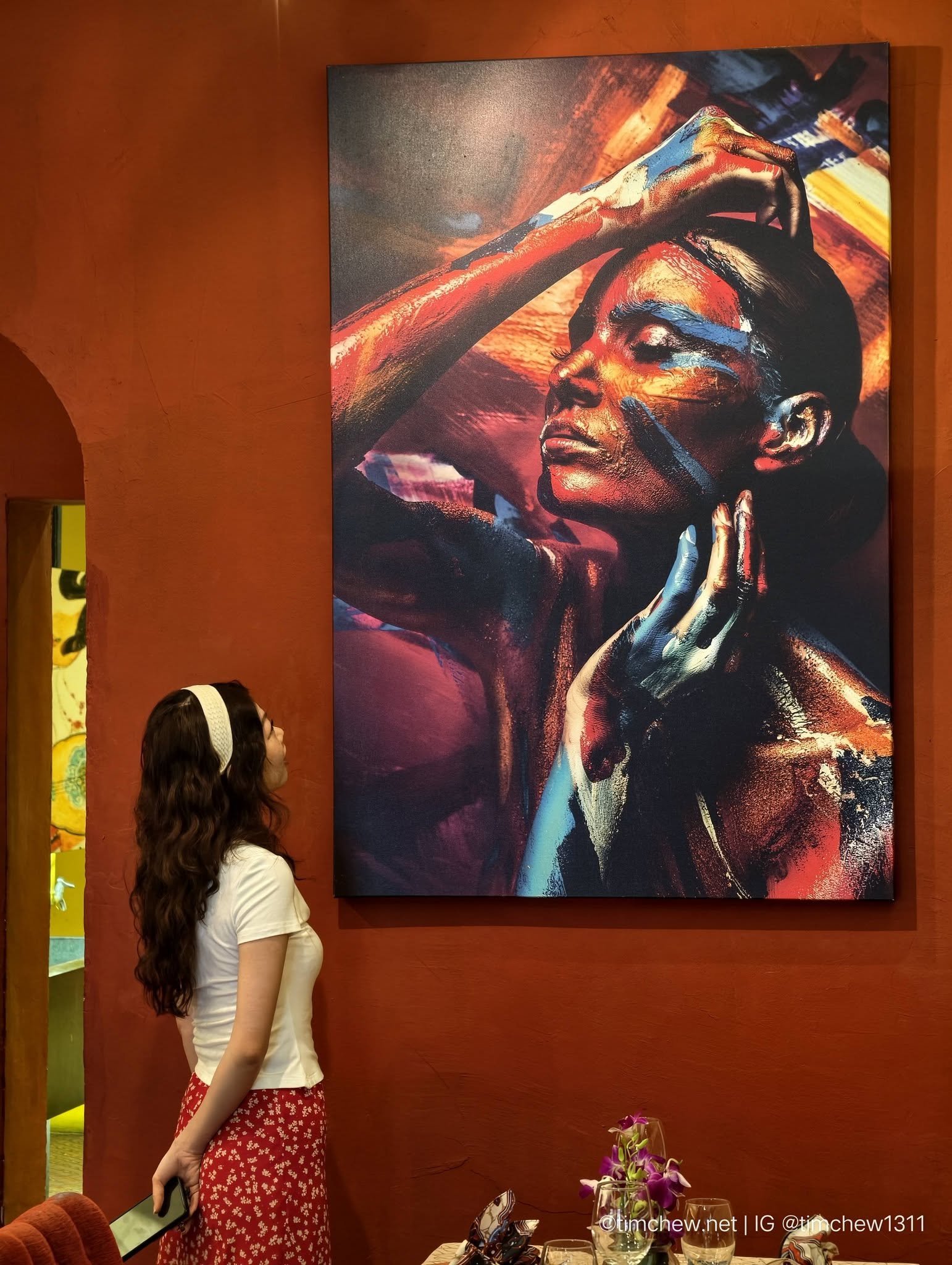
The interior of the restaurant has an upmarket feel to it – beautifully dressed without being excessive, and art on the walls, which my girlfriend appreciated. The establishment is suitable for special occasions like birthdays, anniversaries or date nights. It can also double as a venue to entertain company clients or guests, or for small company lunches/ dinners.
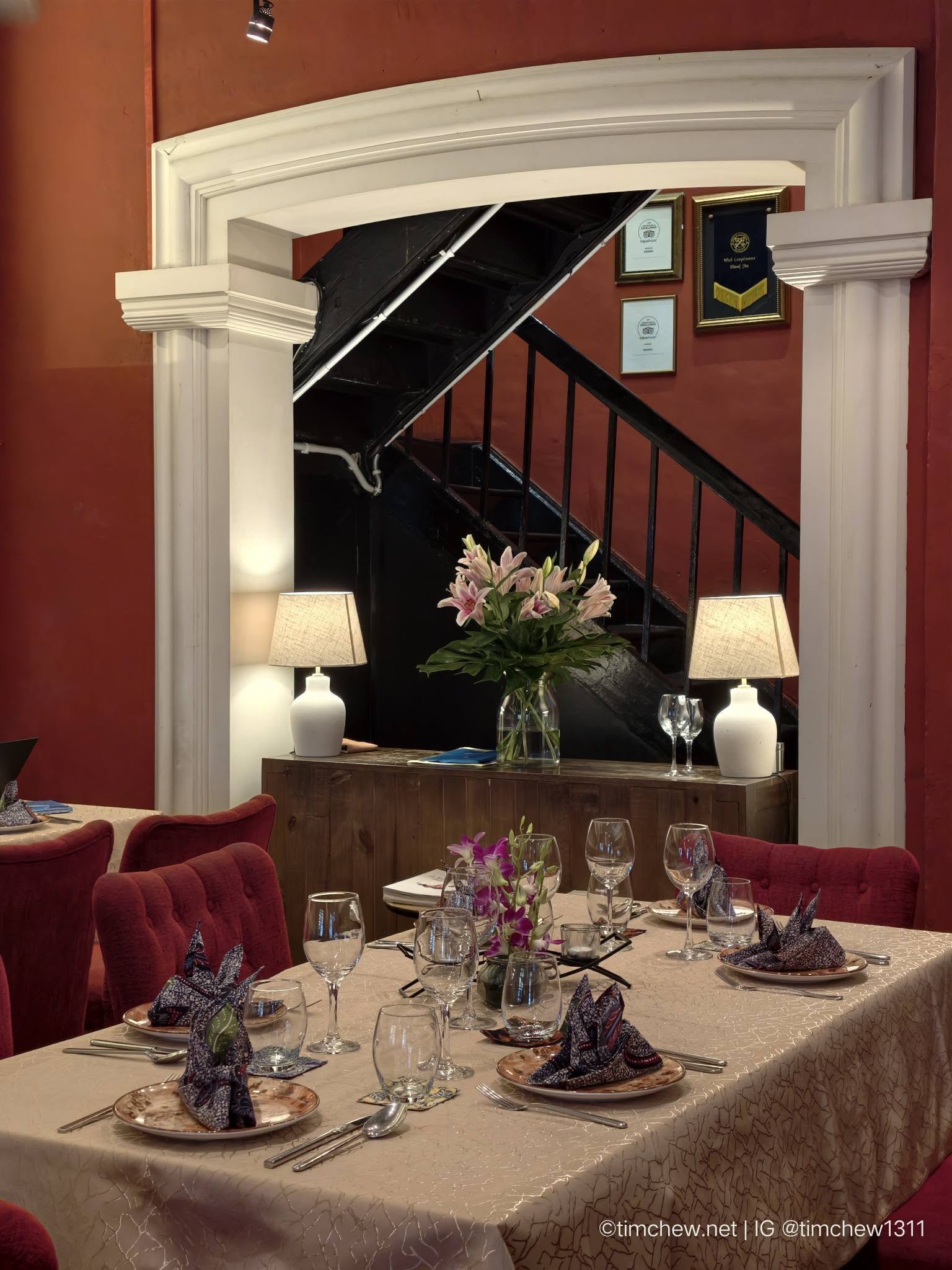
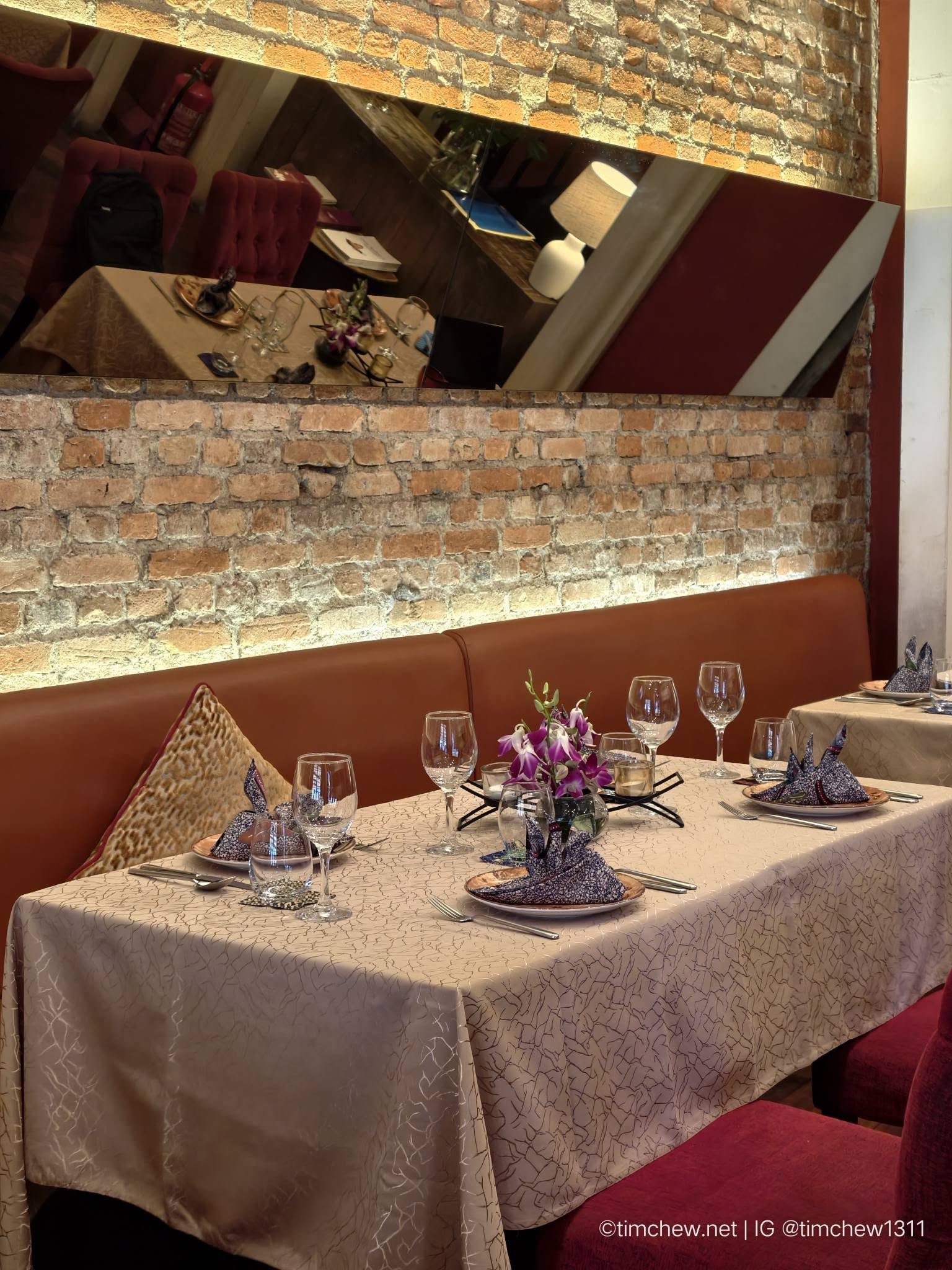
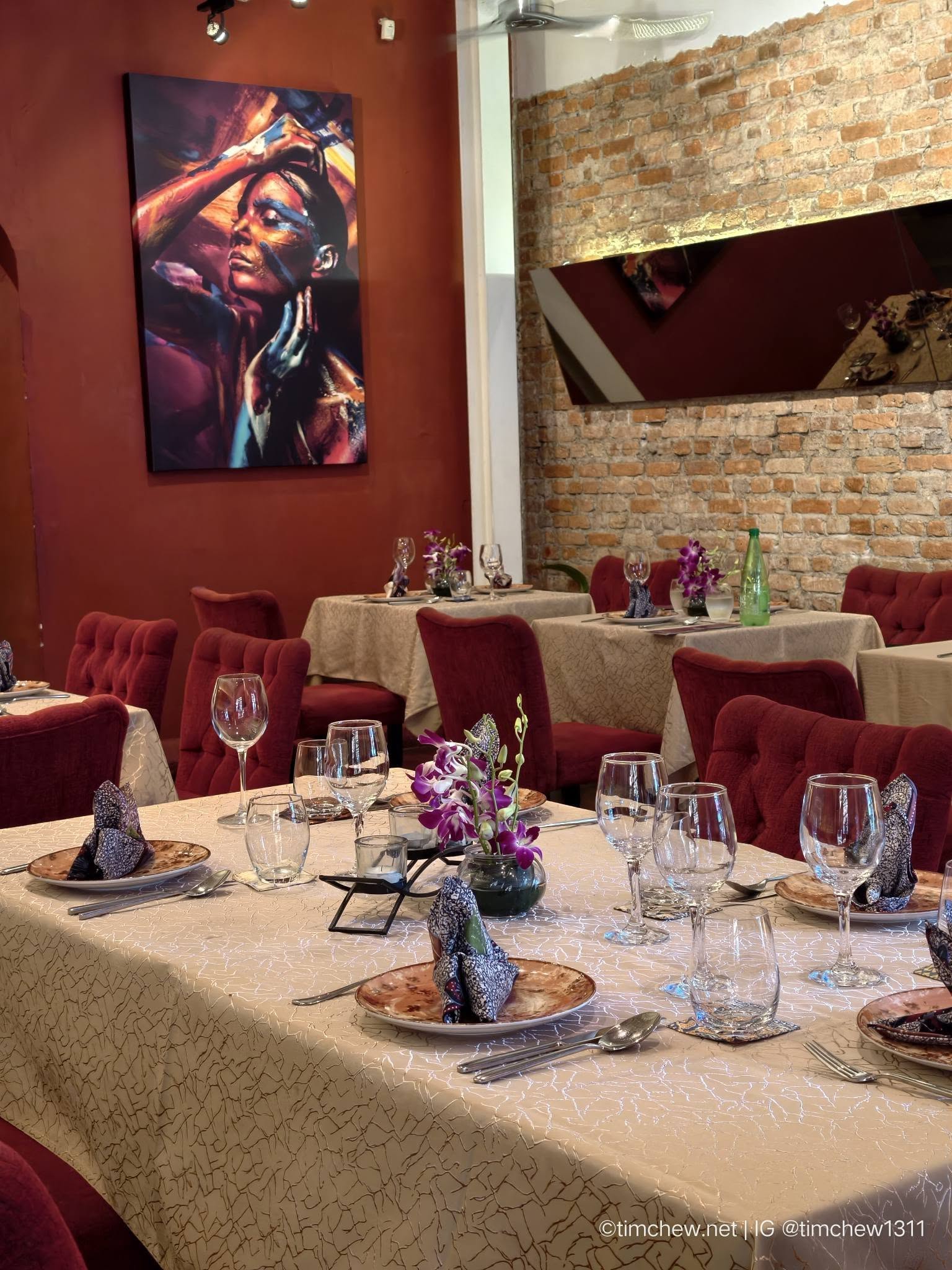
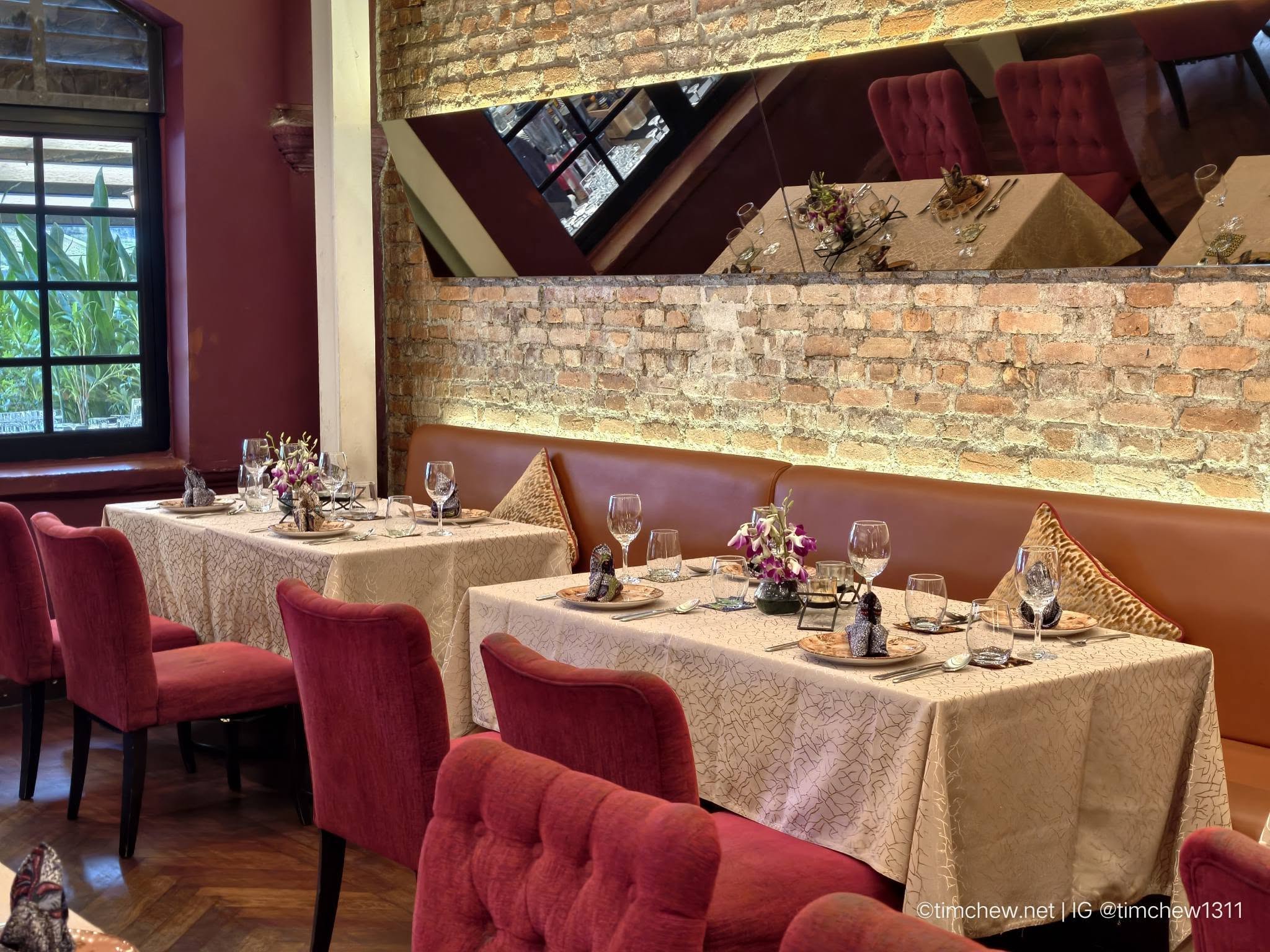
We began with the Sarawak Avocado Dip & Tawau Prawn, a lime-bright guacamole with sweet local prawns and chilli oil. Next came the Malaysian Smoked Salmon with Coconut Nangka Madu, in which the salmon sits in a coconut-tamarind dressing alongside jackfruit, starfruit, citrus, pickled seaweed and beetroot purée.
For mains, we shared the Pommery Lamb Striploin and Hummus and the Gunda Gunda Seafood Rice Bowl. The lamb is grilled New Zealand striploin with tarragon mustard, black sesame hummus, goat cheese and duck fat potatoes. The rice bowl sits under Comforts and is built on spiced coconut rice, topped with prawns, mussels, anchovies, Melaka grey oyster mushrooms and avocado.
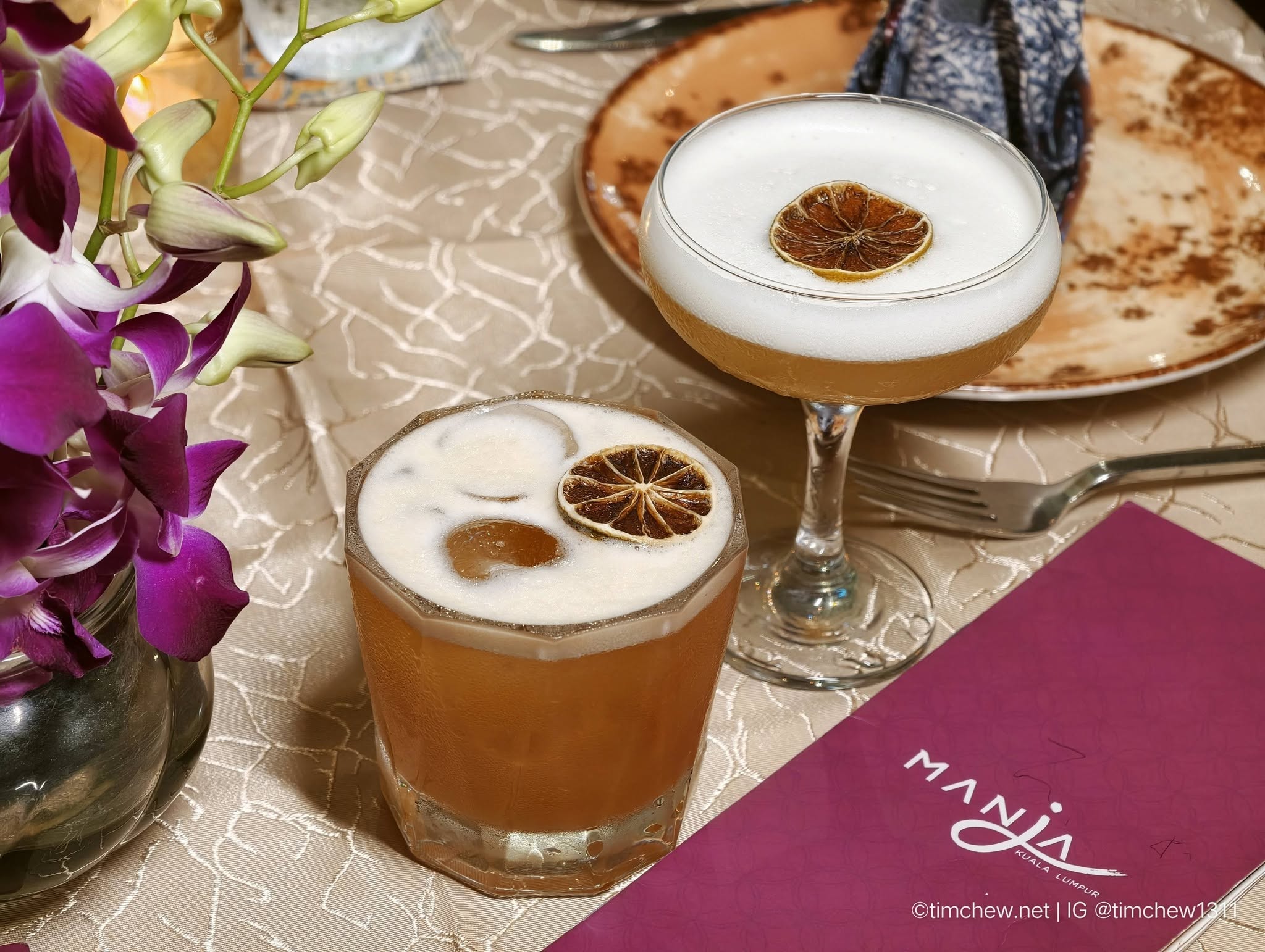
The drinks list is where Manja leans hardest on its Malaysian identity. My girlfriend is from Sabah, so ordering the Spirit of Borneo was a foregone conclusion. It’s a classic margarita made with tuak, a traditional rice wine, from a local artisan. I went for the Tropical Sour, which pairs smoky Lagavulin with spicy Hennessy. The menu says it’s meant to evoke early morning mist rising off the Bukit Nanas forest reserve.
Tuak gets a section of its own on the menu, with a Classic, a Lychee and an Asamboi version. We shared a glass of the Lychee tuak, which was floral and sweet. We also had house wine by the glass, which meant we could match the wine to each dish rather than commit to one bottle for the evening. (We at timchew.net encourage responsible drinking – never drive under the influence of any substances.)
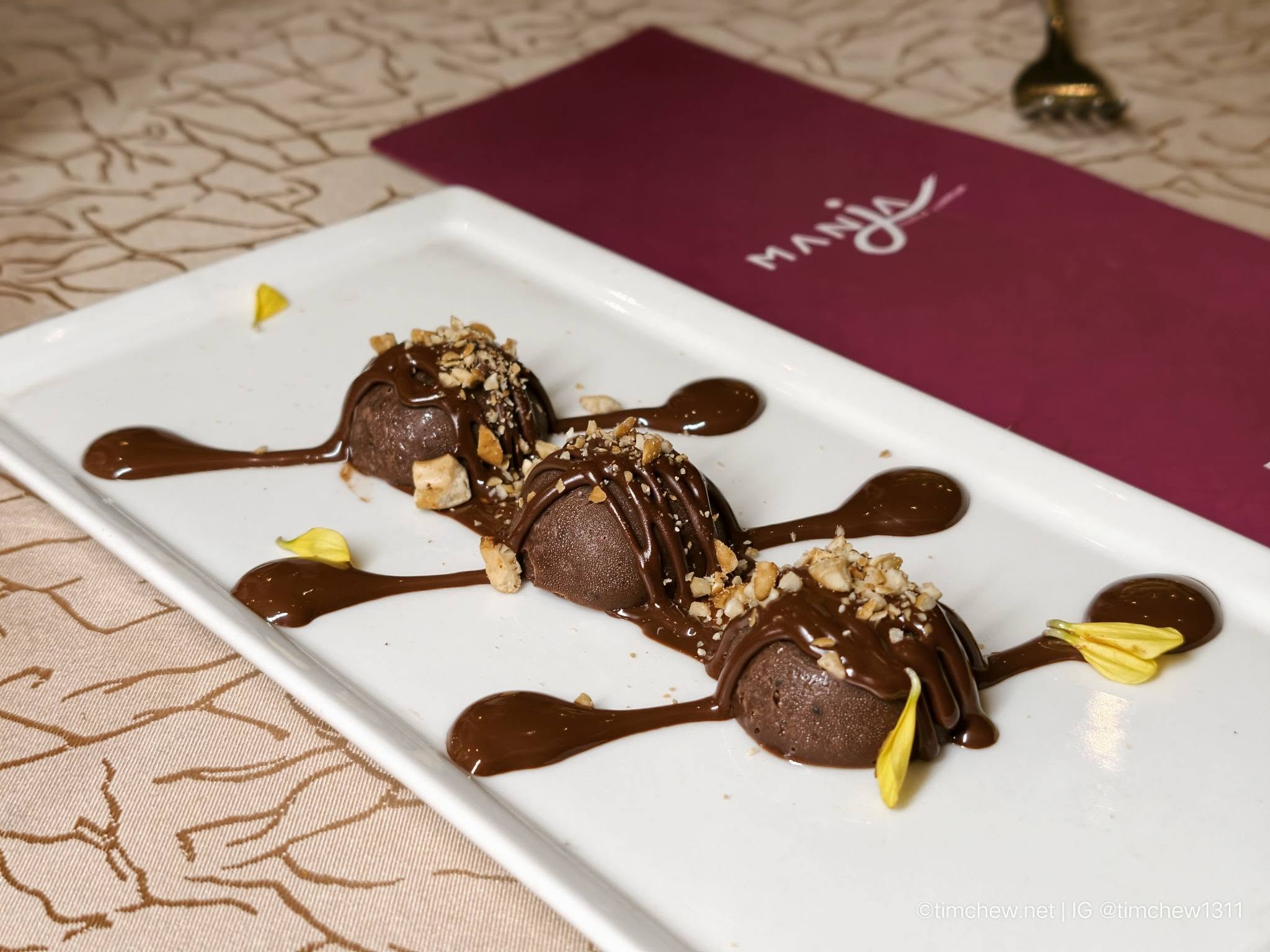
Dessert was the Malaysian Cocoa Truffle, made with Pahang chocolate truffles, truffle butter, fleur de sel and rose leaf. I’m not really a sweet tooth, but my girlfriend is, and she loved them.
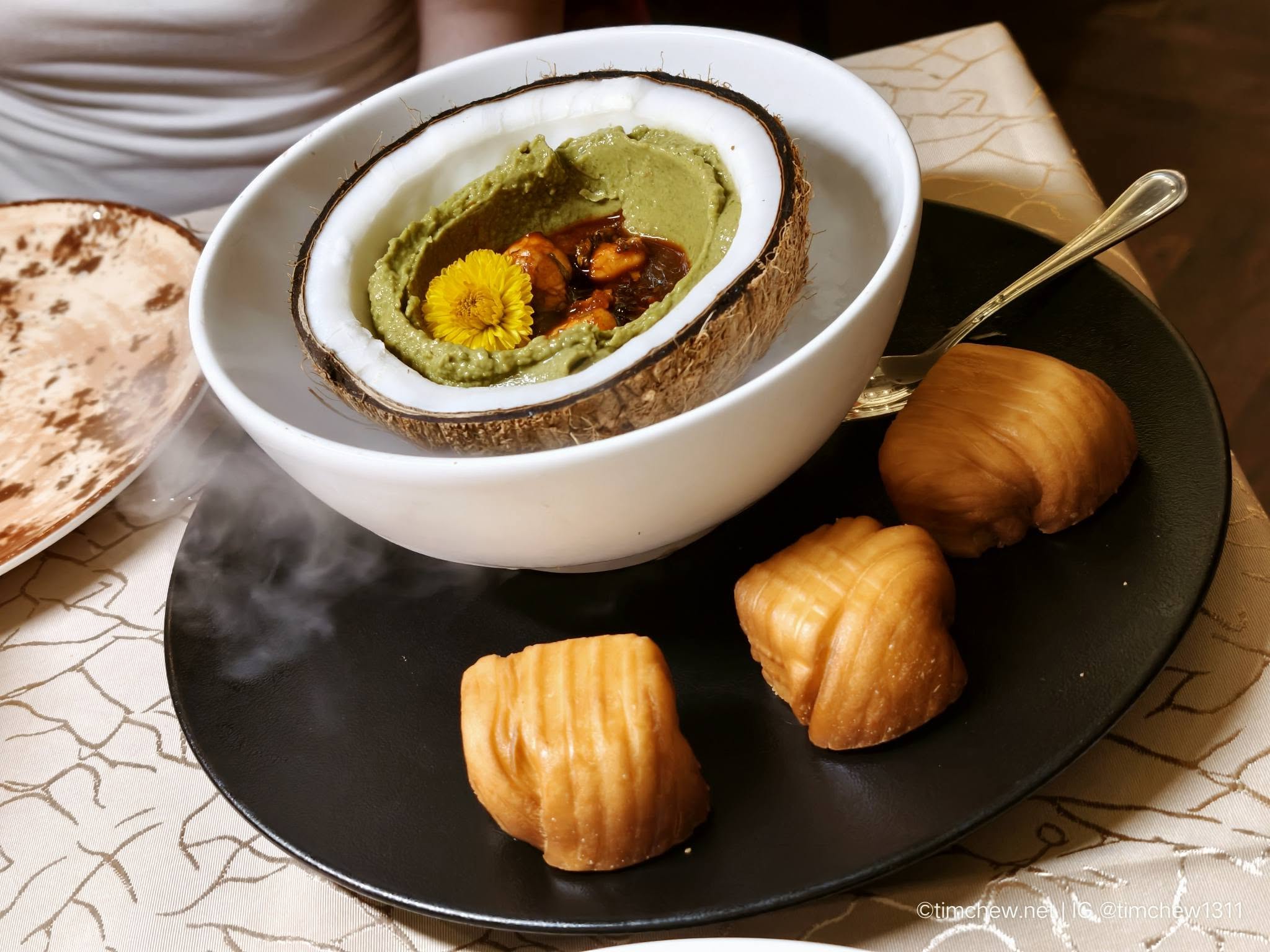
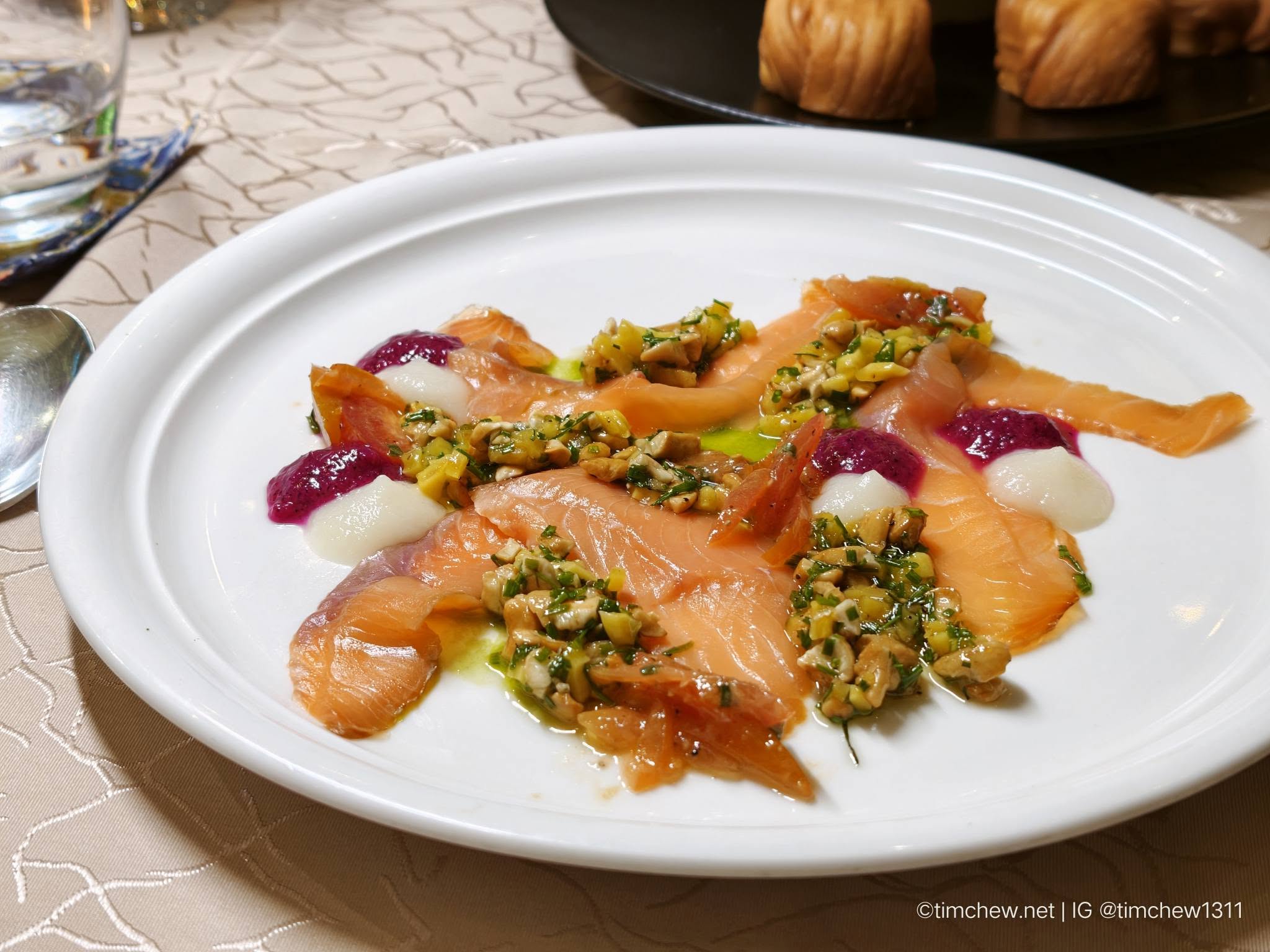
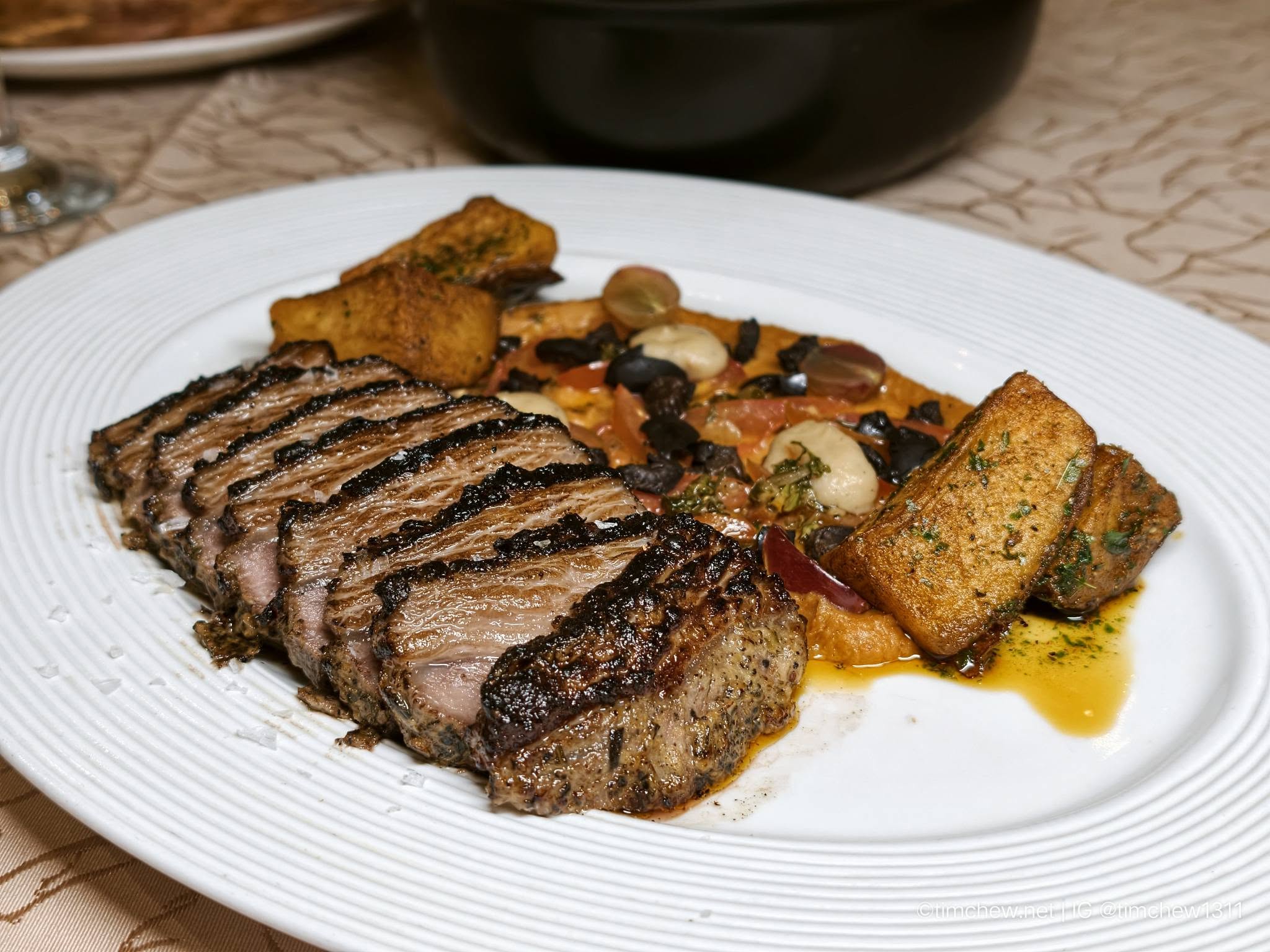
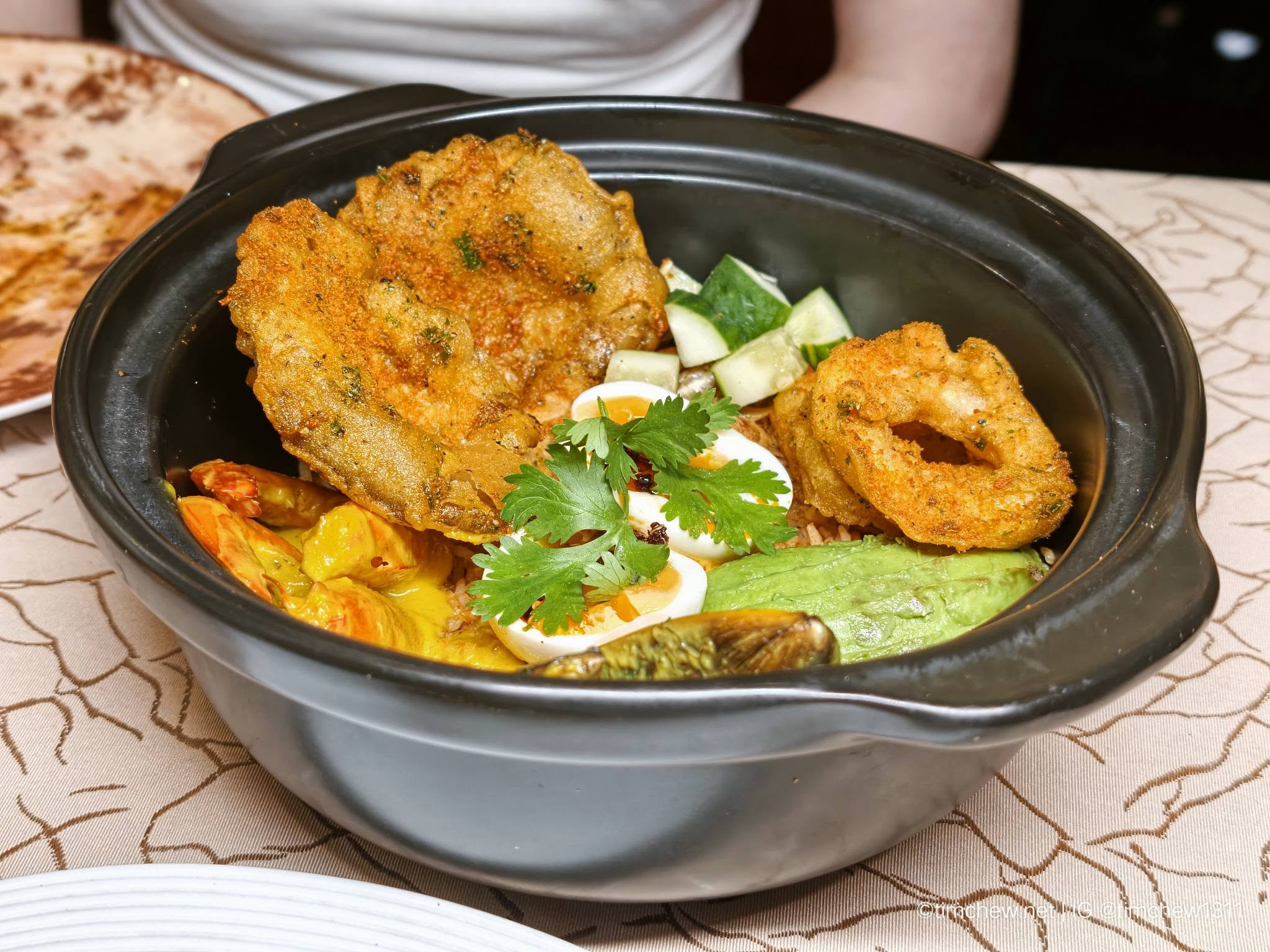
The menu has plenty we didn’t get to, which gives us a reason to return. The signature entrées include a Sticky Coffee Beef, made from slow-braised Australian Red Gum beef ribs in a charcoal-roasted kopi reduction, and a Sarawak Black Pepper Ribeye. There’s a Curry Leaf Burnt Butter Grouper, a Tamarind Chilli Barramundi and a vegetarian Bumba Cauliflower Steak with Sarawak pepper and romesco. Under Comforts, the Taiping Duck with Garlic Fried Rice sits alongside a Wagyu Gula Melaka for those after a splurge. Dessert options include a Kaya Cheesecake and Rastali Banana Beignets with Teh Tarik Gelato. Many dishes are marked as vegetarian or gluten-free, or can be adapted.
For diners, that’s what makes a meal at Manja more than a plate of good food. The menu gives every dish a set of suggested pairings, with a cocktail, a tuak, a wine and a kombucha to choose from. That makes the long drinks list easier to approach, and it suits couples or small groups who’d rather let the kitchen steer. Because the menu is built around sharing, the kitchen is well suited to a table that wants to try a bit of everything.
For anyone planning a date night or a dinner with friends in the city, Manja is worth the trip, particularly if you’d like your Malaysian food with some polish and a drinks list that leans on local ingredients.
MANJA KL is located at 6, Lorong Raja Chulan, 50250 Kuala Lumpur, Malaysia.
Open daily. Sunday to Thursday, 12PM to 11PM. Friday, Saturday and eve of public holidays, 12PM to 12AM.
Telephone/WhatsApp +6012-373 7063
For reservations and more info, head over to https://www.manja.com.my/
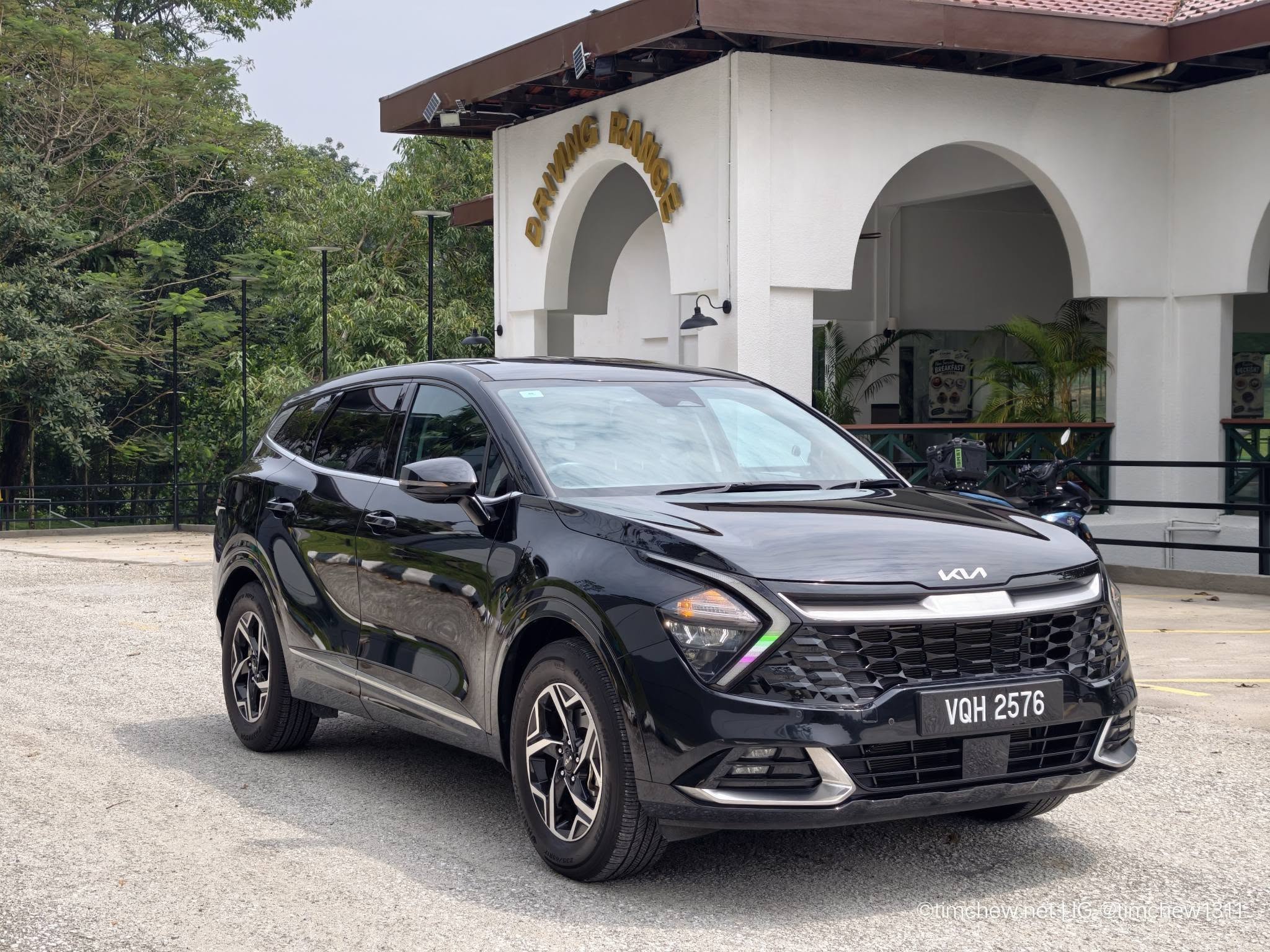
Rather than repeat everything the two cars have in common, this article looks at the difference between them: what you gain, what you give up, and whether the gap matters for the way you actually drive.
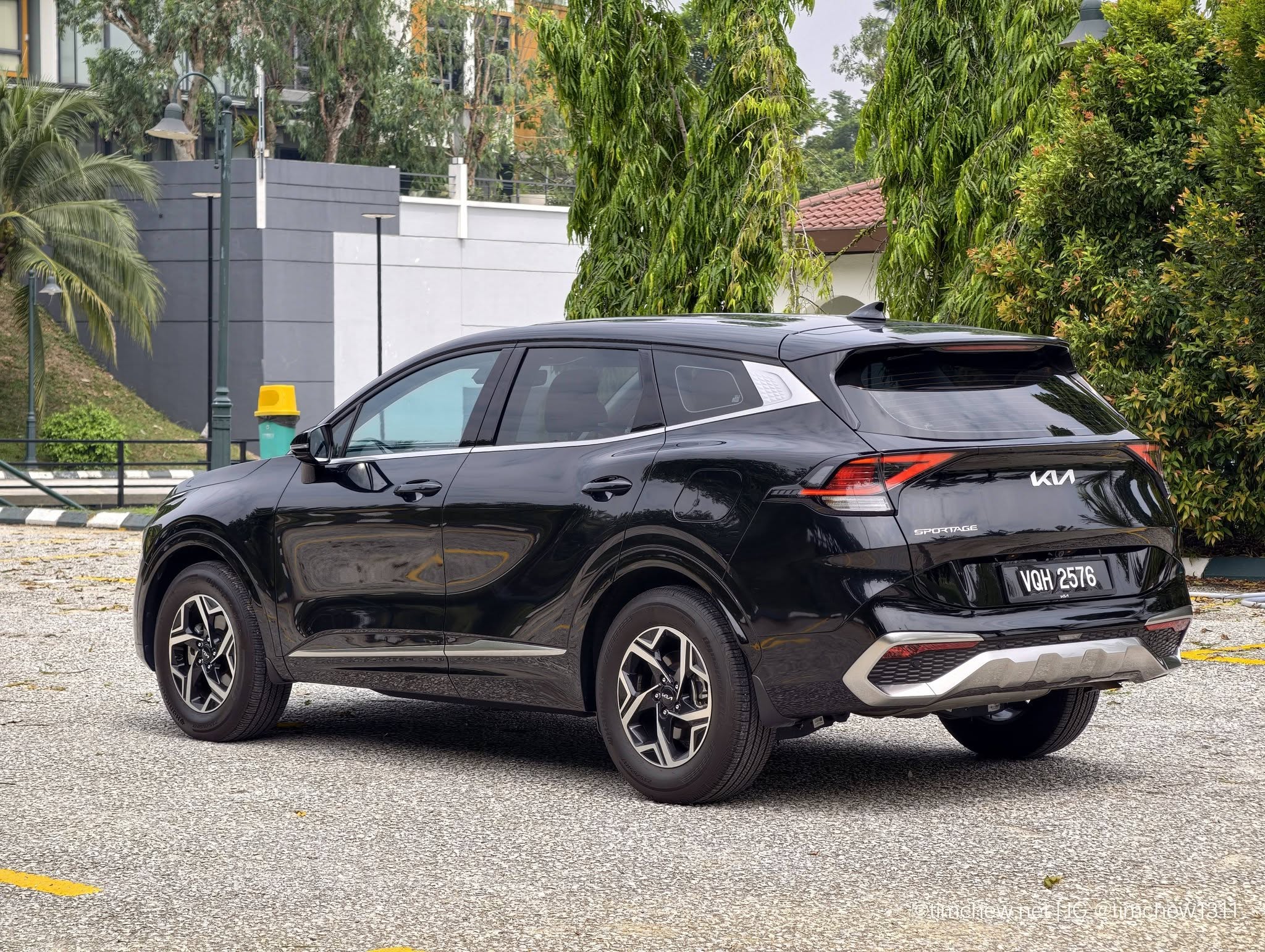
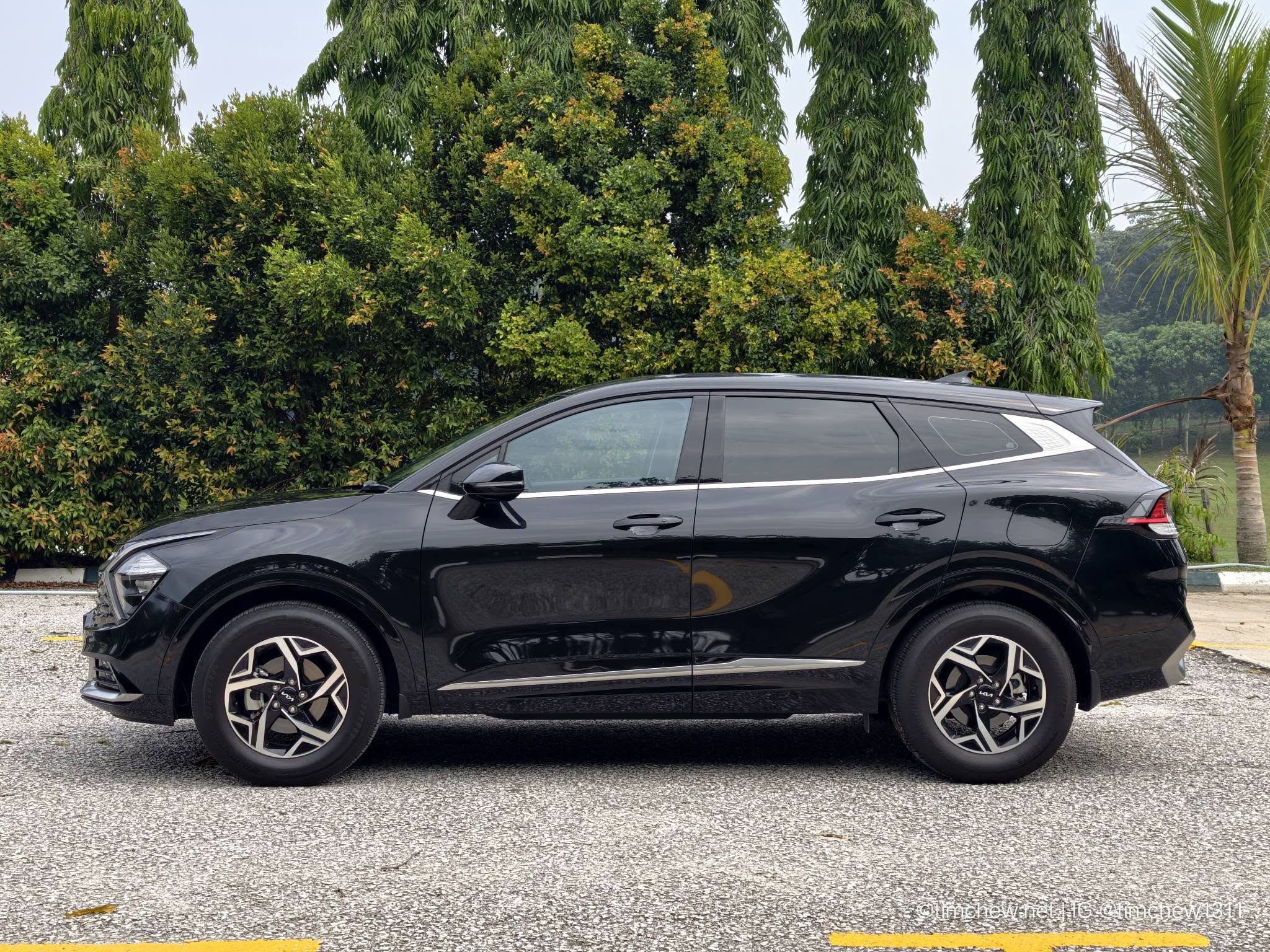
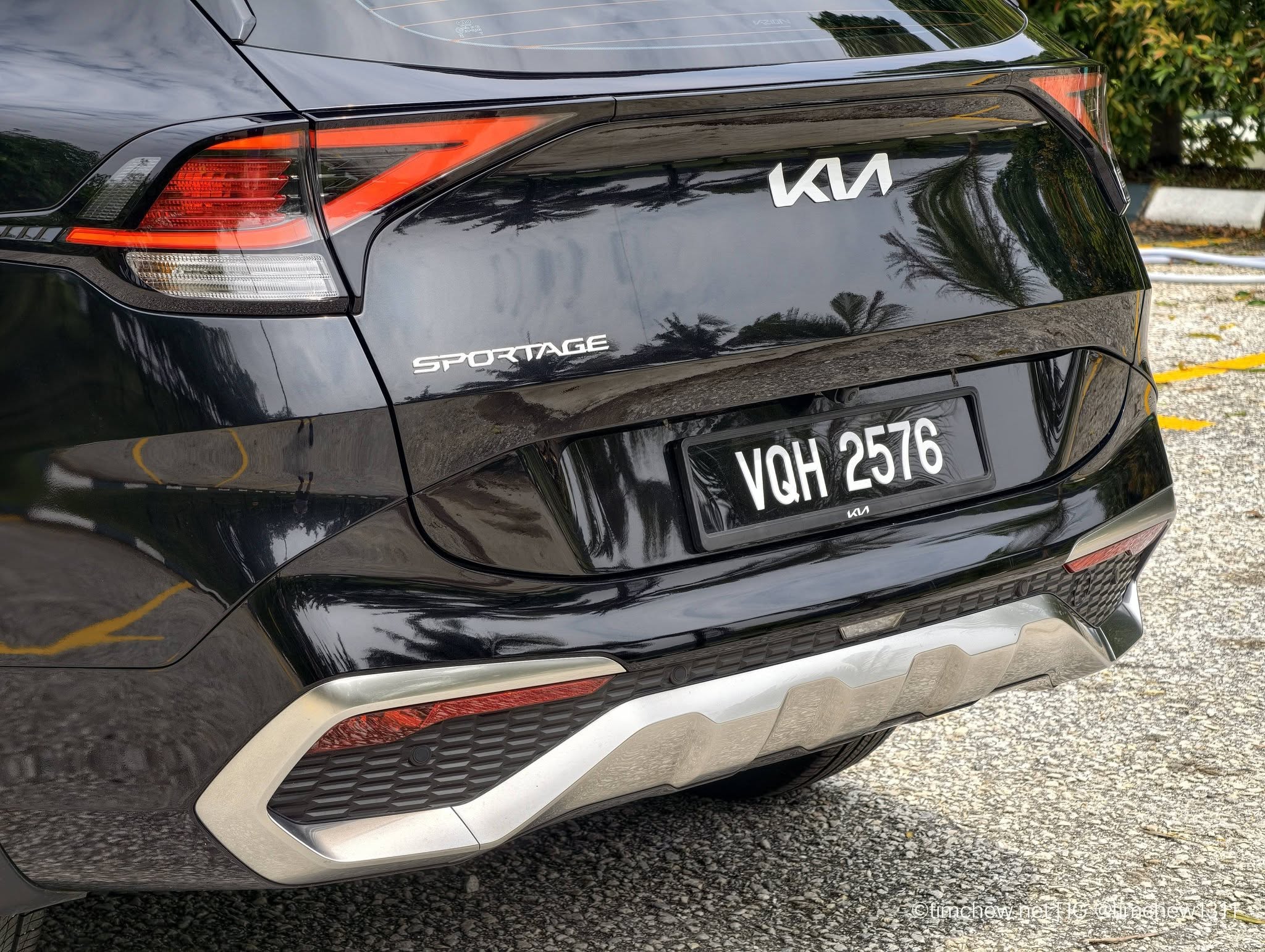
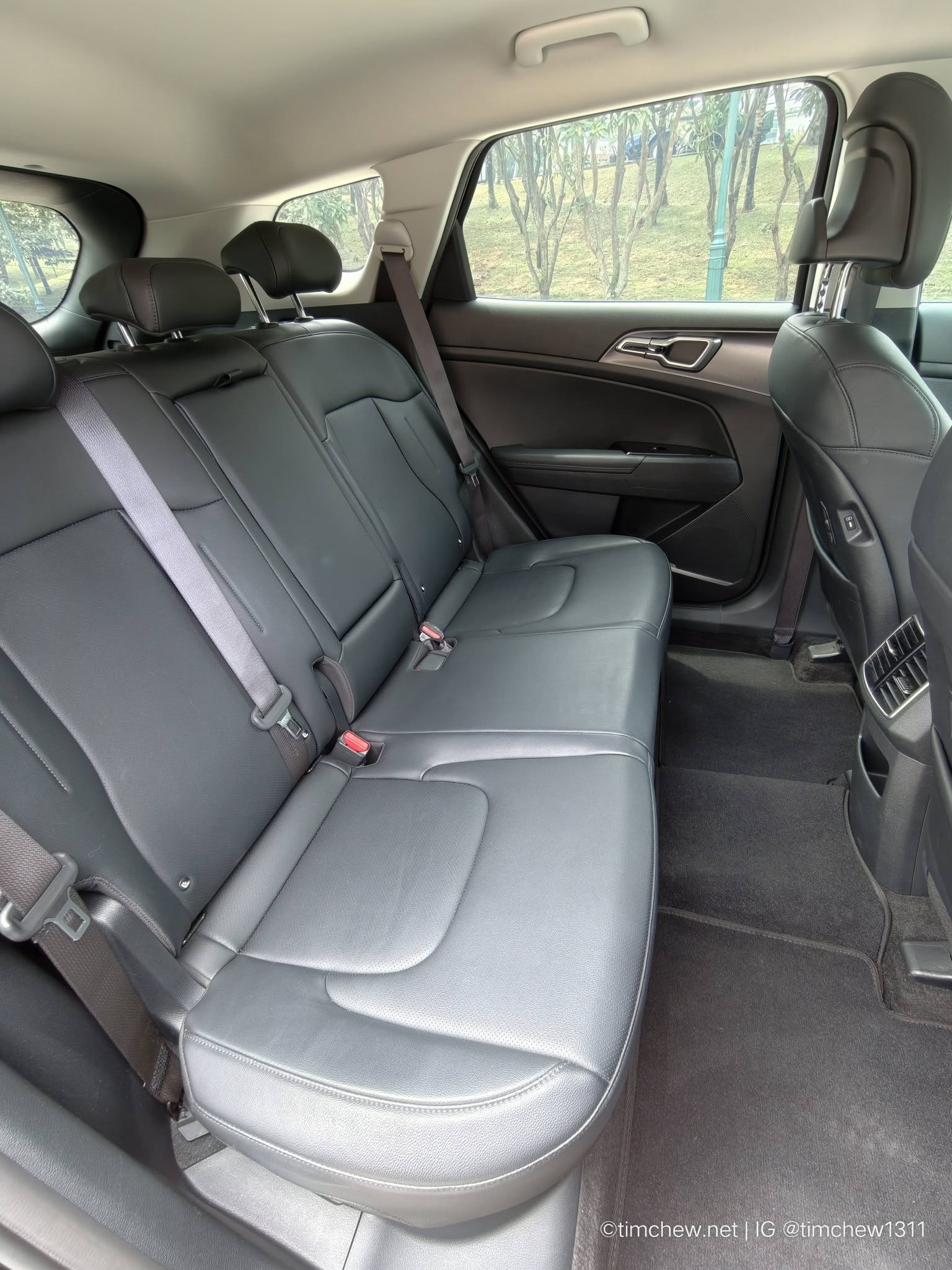
Starting with what stays the same. Both cars use the long-wheelbase body, the only one Kia offers in Malaysia for this generation of Sportage. It measures 4,660mm long and 1,865mm wide, and its 2,755mm wheelbase is meant to give more headroom and legroom, along with better stability. In practice, that means rear passengers have space to settle in on a longer drive.
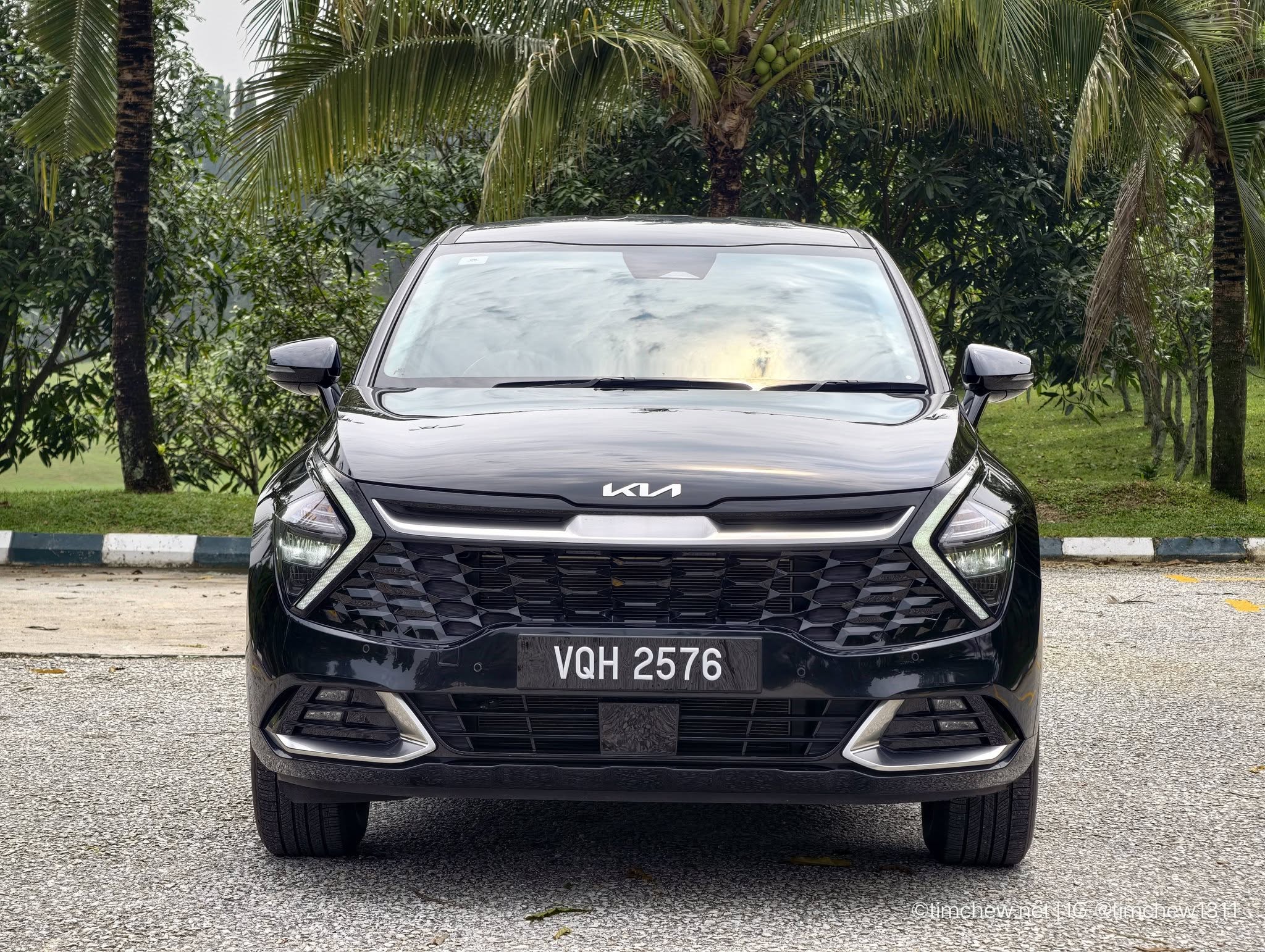
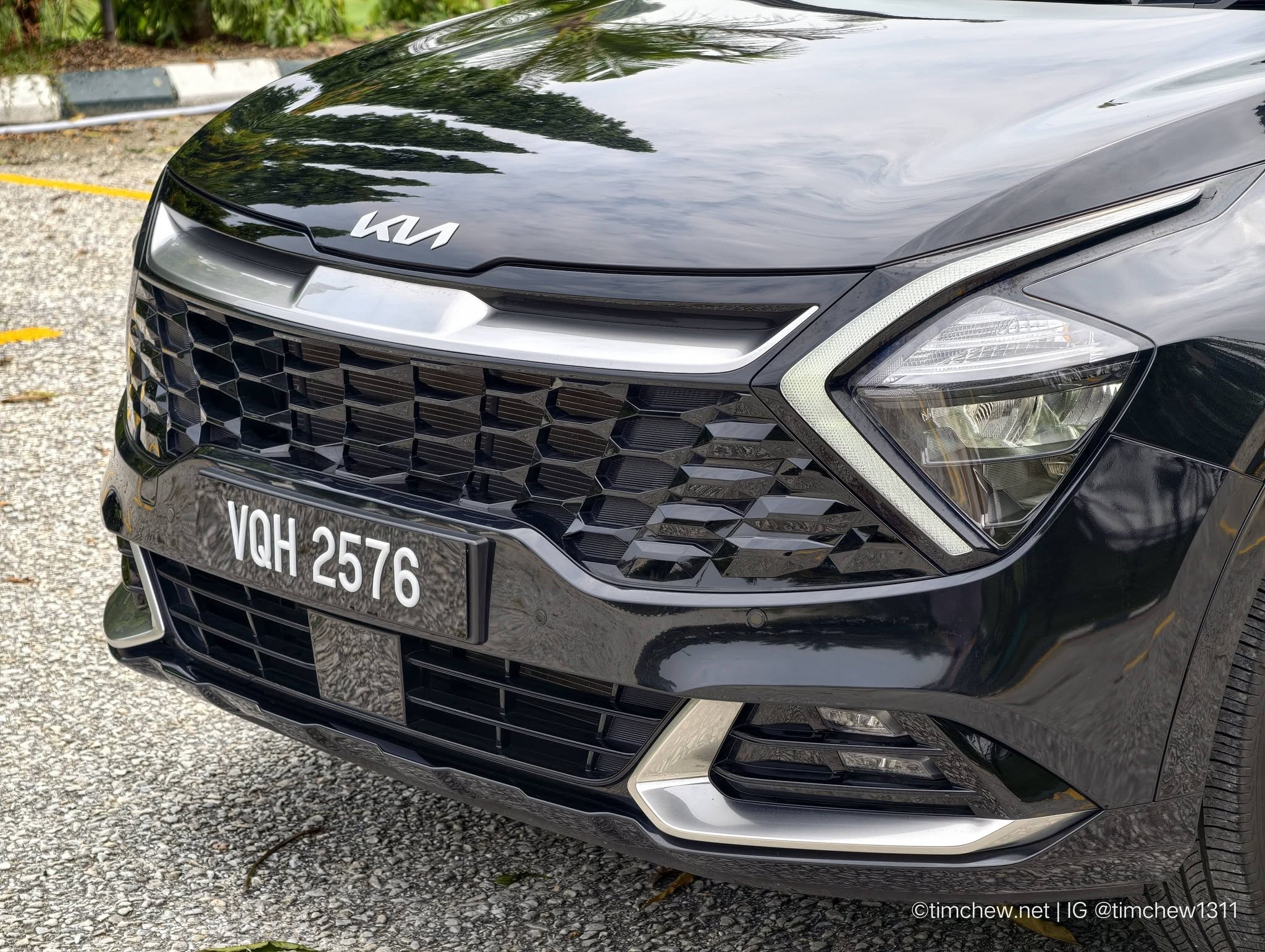
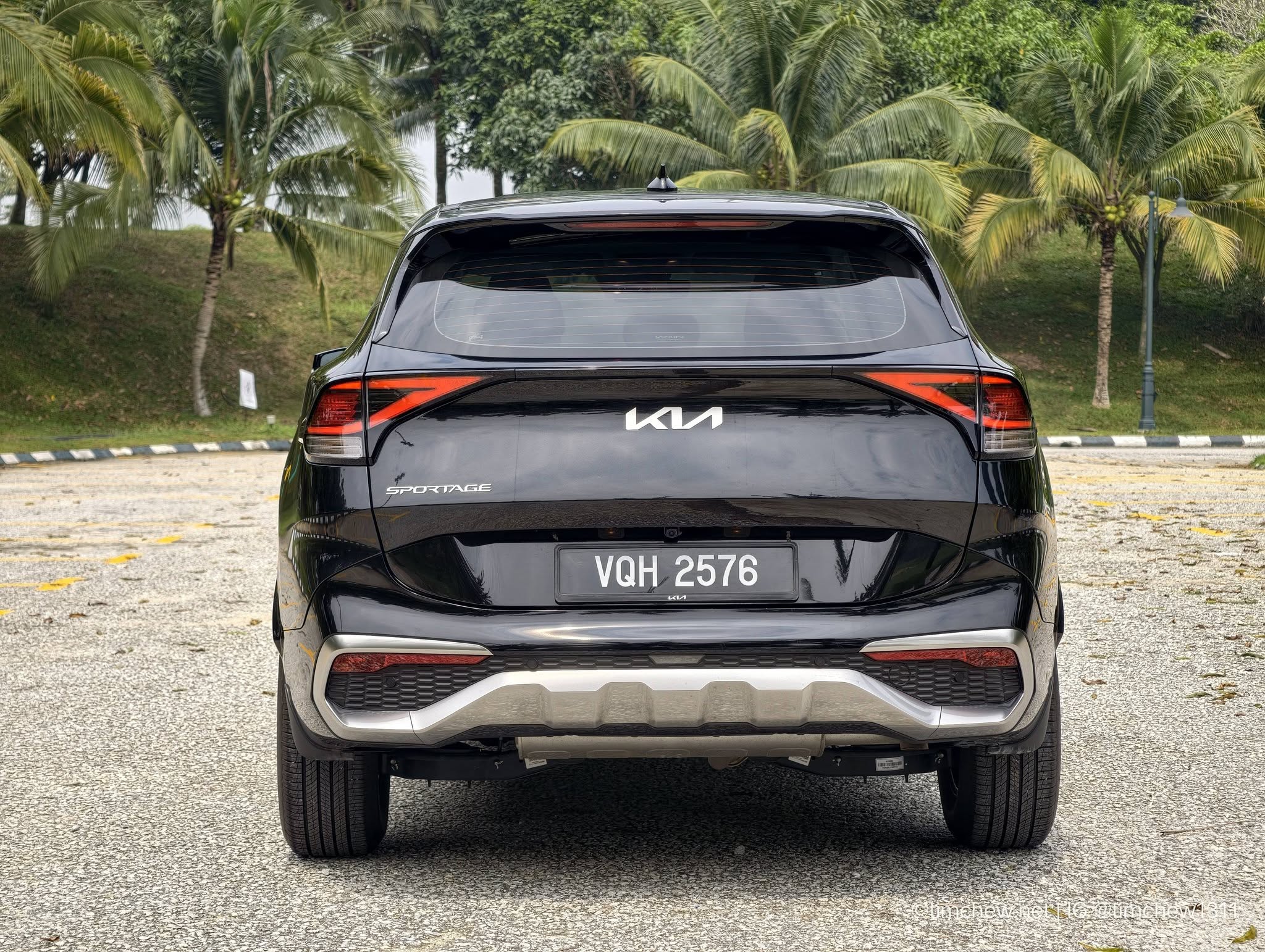
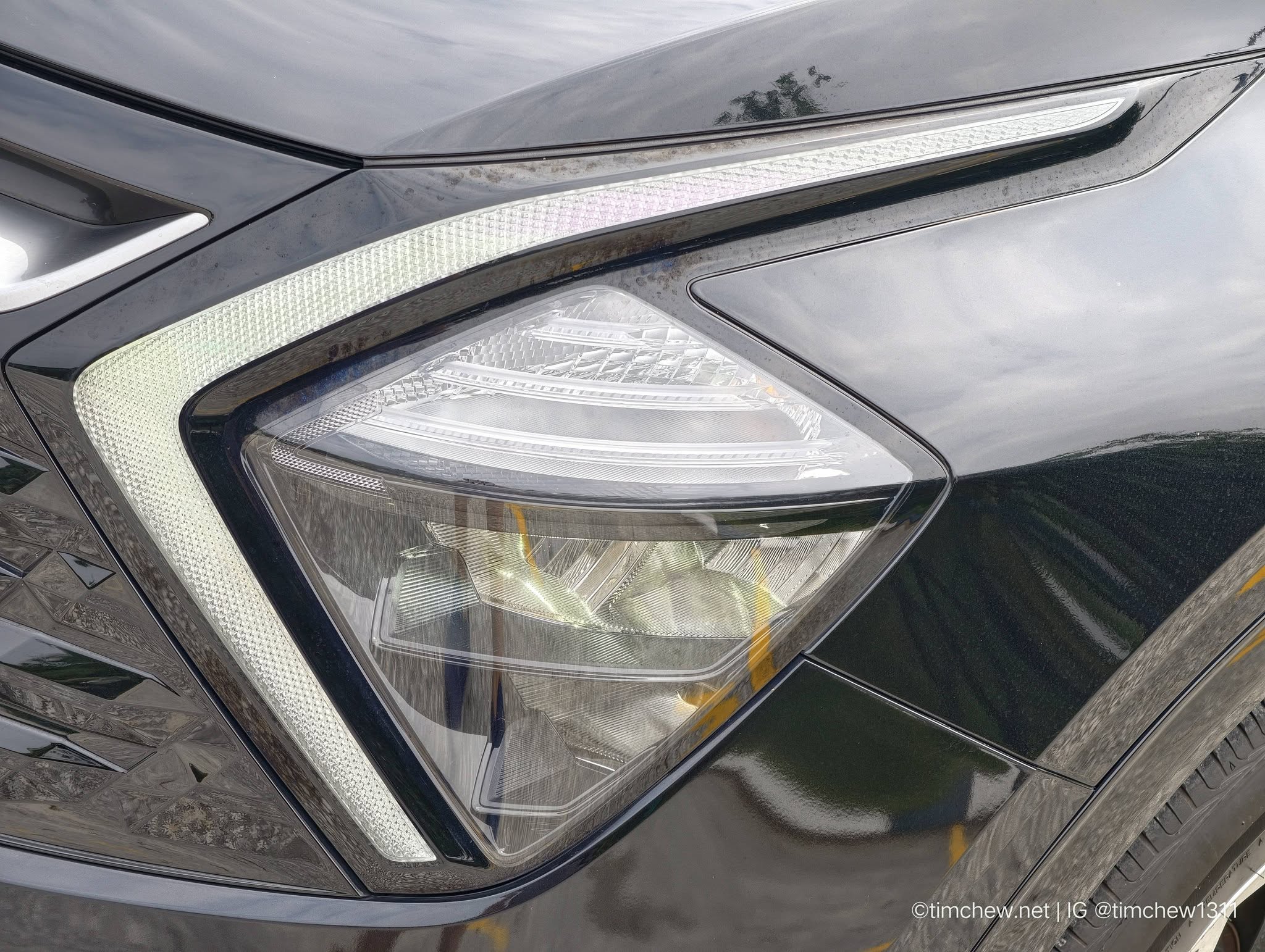
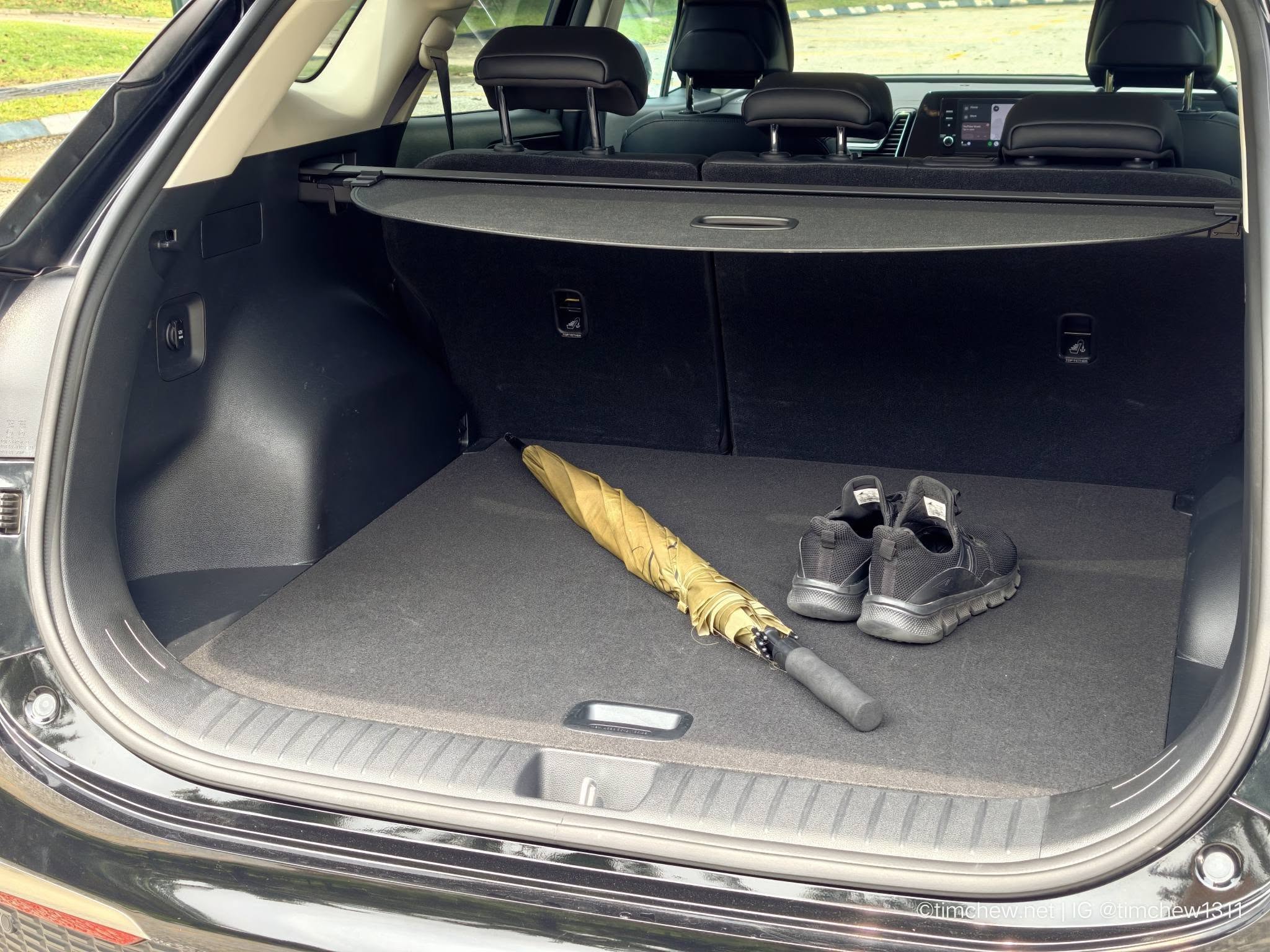
The 2.0 Hi also keeps the details that make a car easier to live with. The front LED projector headlights switch on and off automatically, which is one less thing to think about when driving about. The LED rear lights and a hidden rear wiper give the back of the car a clean look. A smart power tailgate helps when your hands are full of shopping, and the rear seats split 60:40 and recline for passengers or cargo.
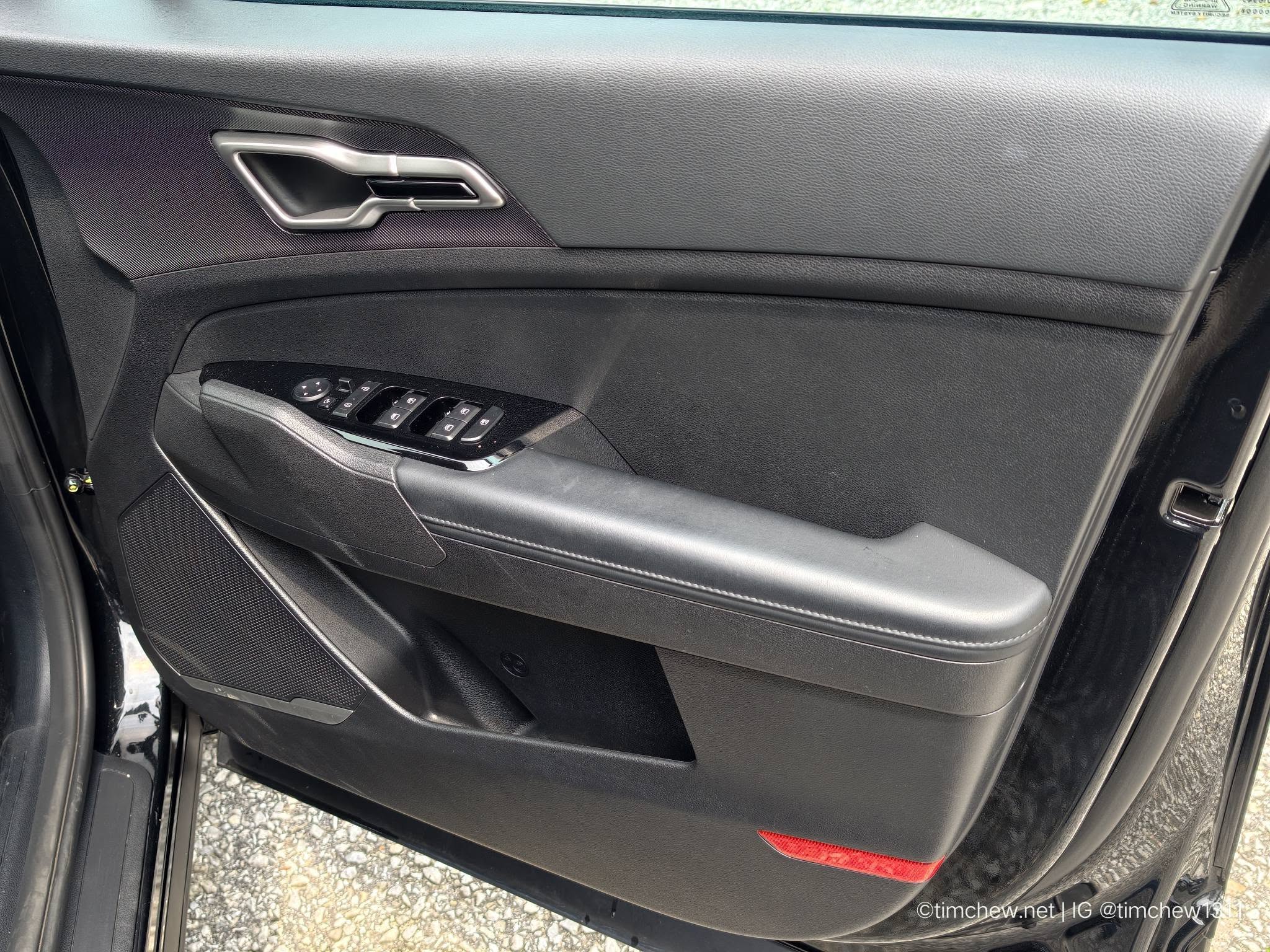
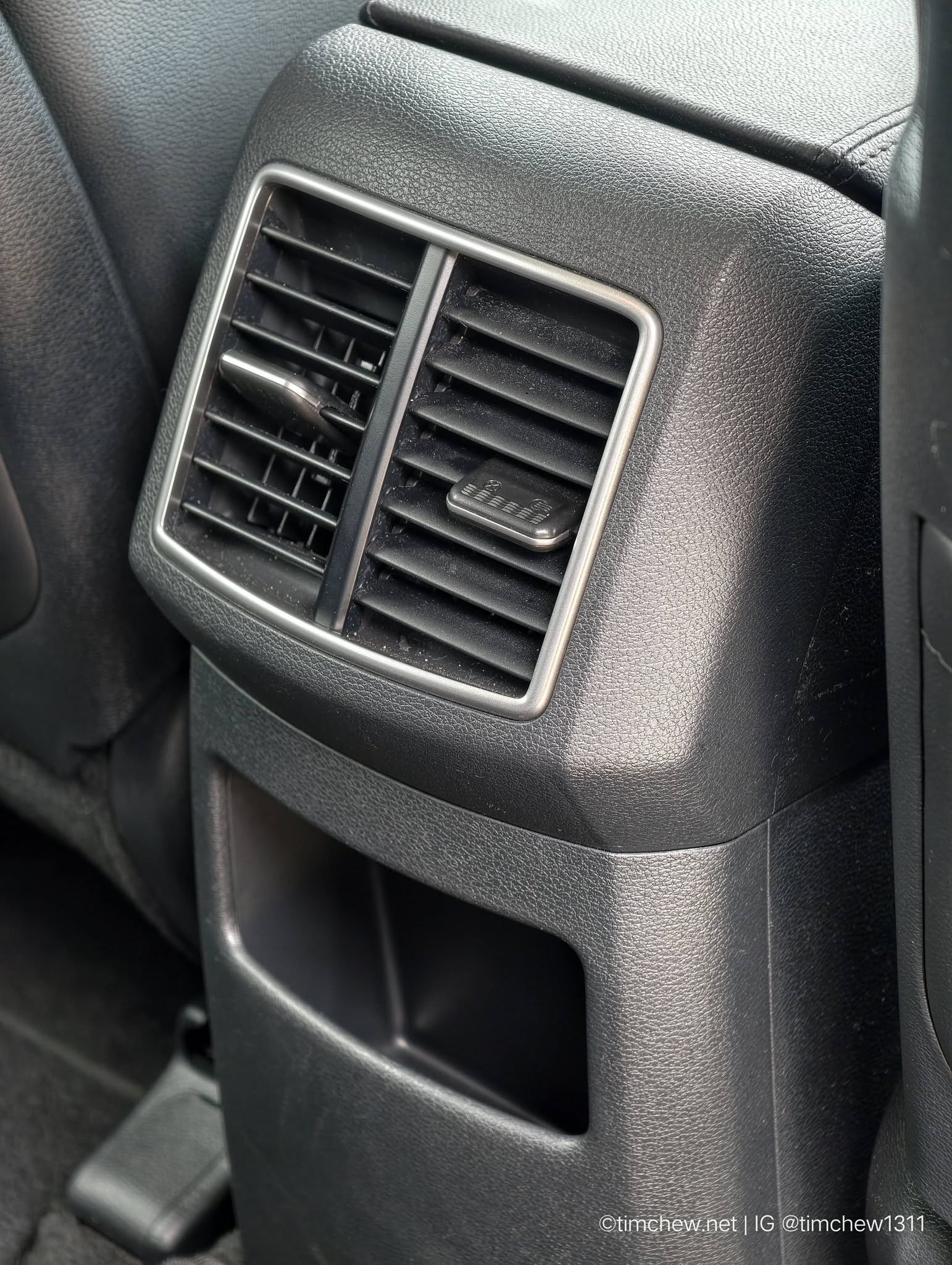
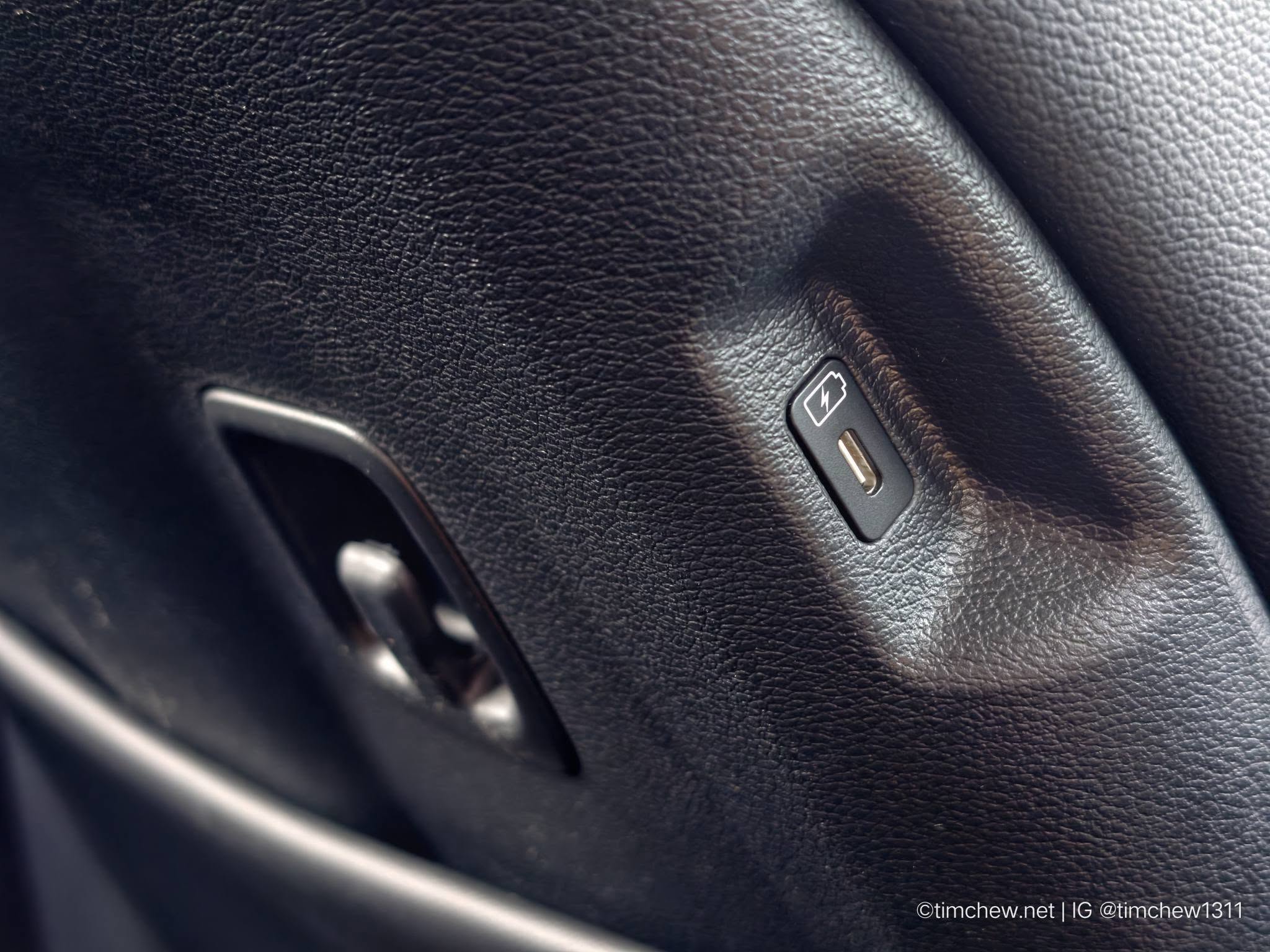
Phones and passengers are catered for as well. There are four USB ports (one Type-A and three Type-C), plus a coat hanger on the seatback with its own USB-C port, so jackets stay uncreased on the way to dinner and a rear-seat passenger can charge a phone.
The biggest difference is under the bonnet. The 2.0-litre engine makes 154hp and 192Nm, with a six-speed automatic. The 1.6T makes 177hp and 265Nm, with a seven-speed dual-clutch. Kia quotes 0-100km/h in 11.5 seconds for the 2.0 and 9 seconds for the 1.6T. On paper, that is a real gap. In daily driving, we found the 2.0 Hi to be a capable all-rounder, and most comfortable on the (KESAS, MEX and NKVE) highways, as well as on both city and Subang Jaya suburb roads.
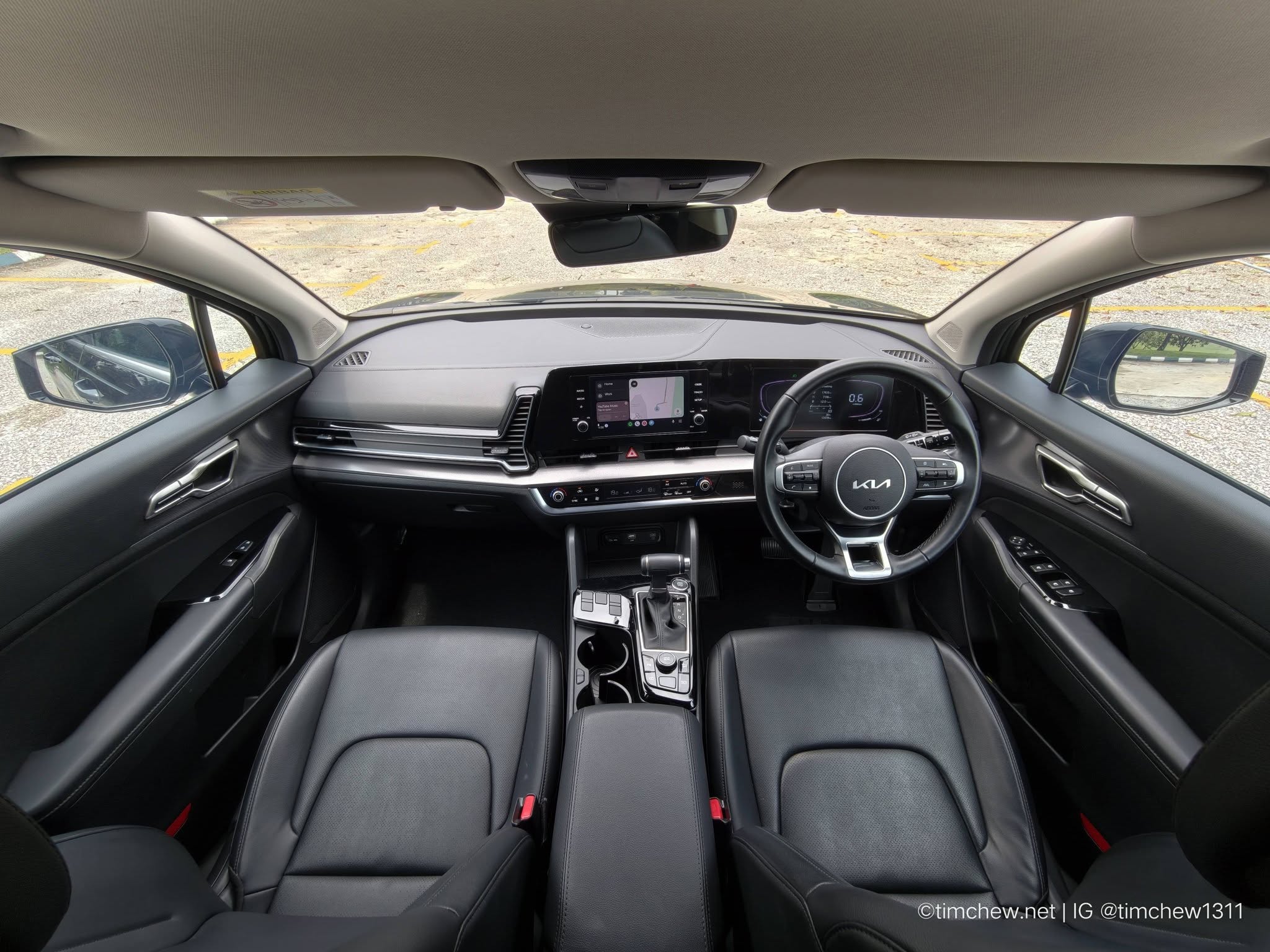
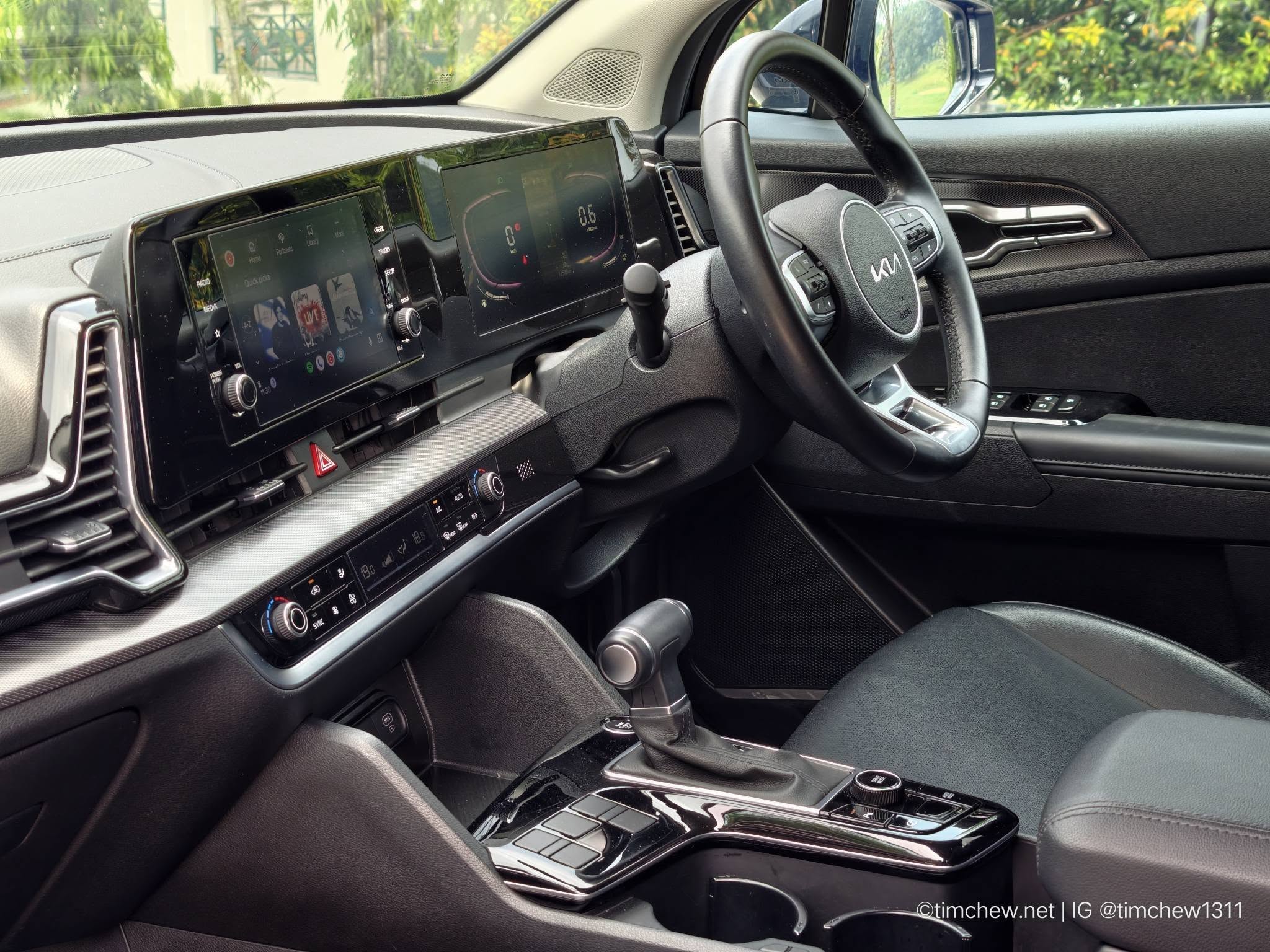
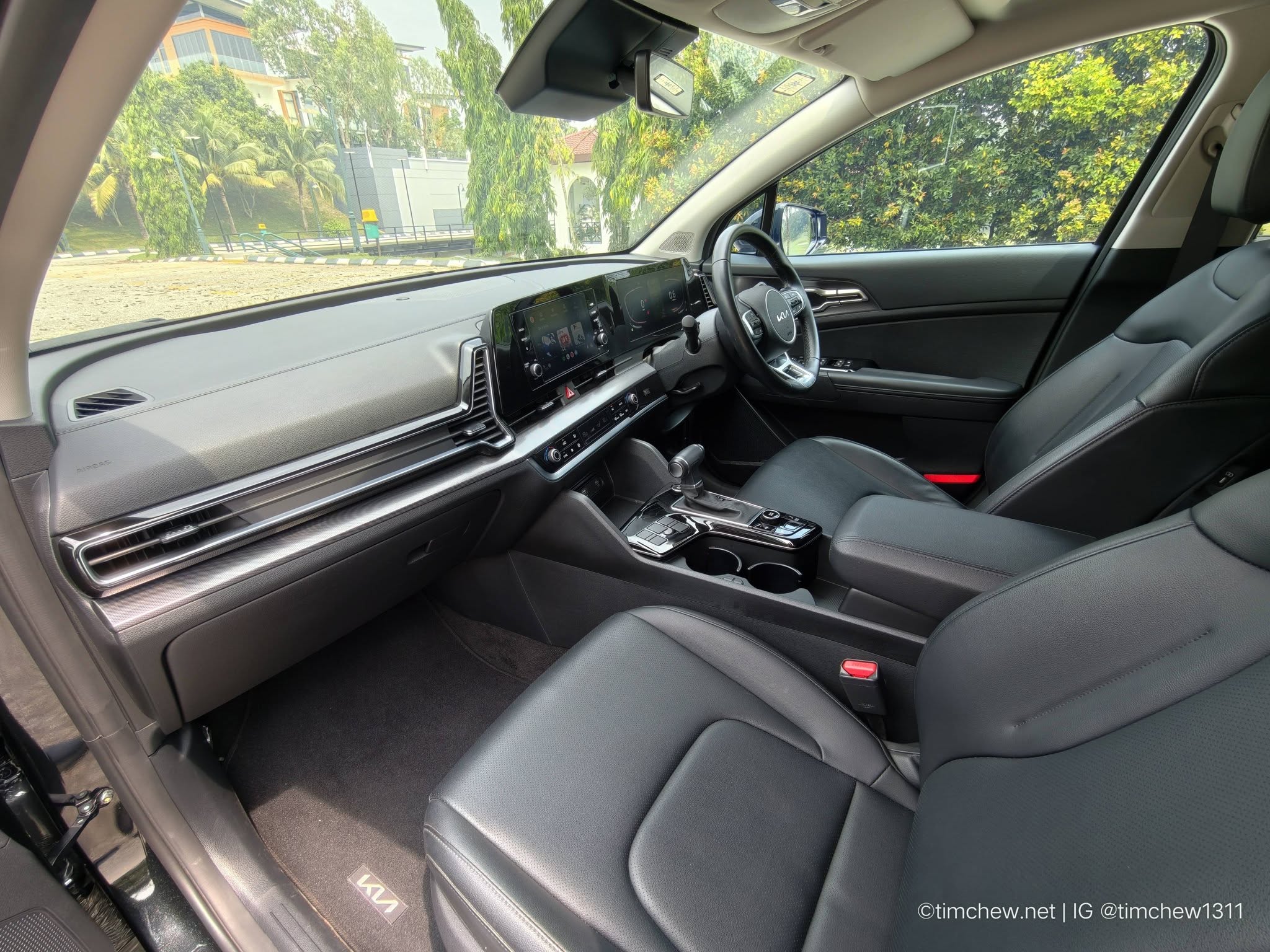
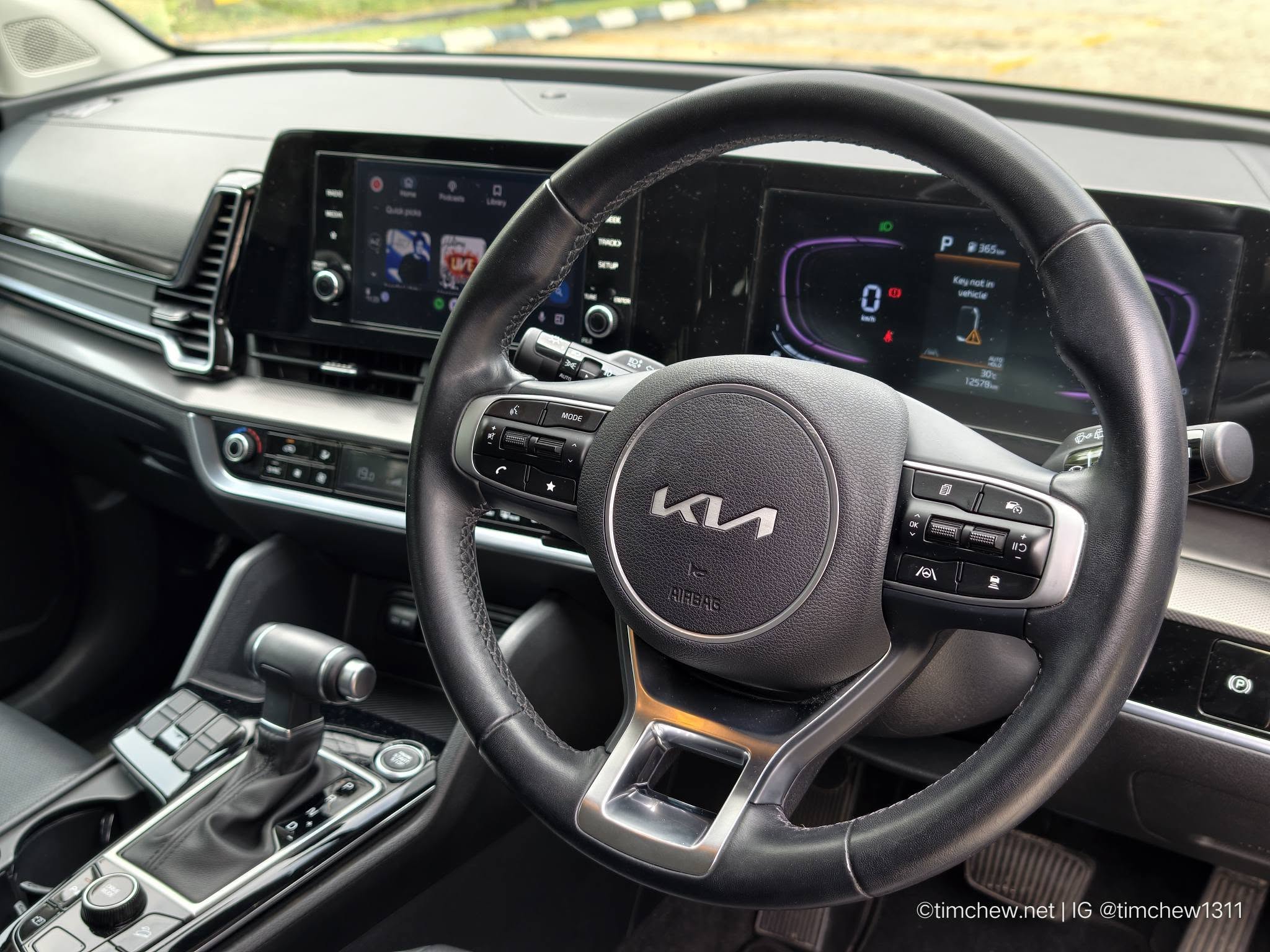
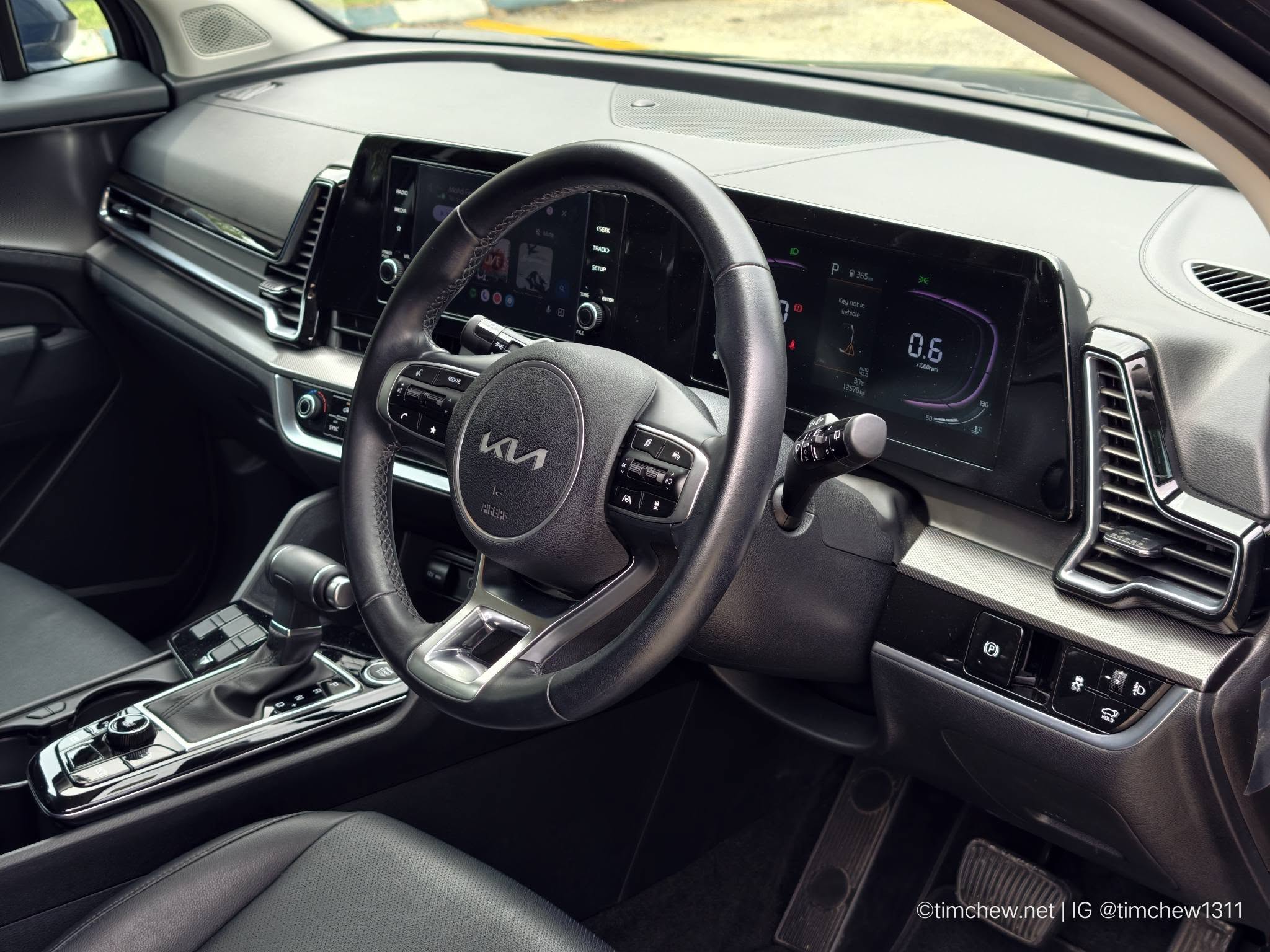
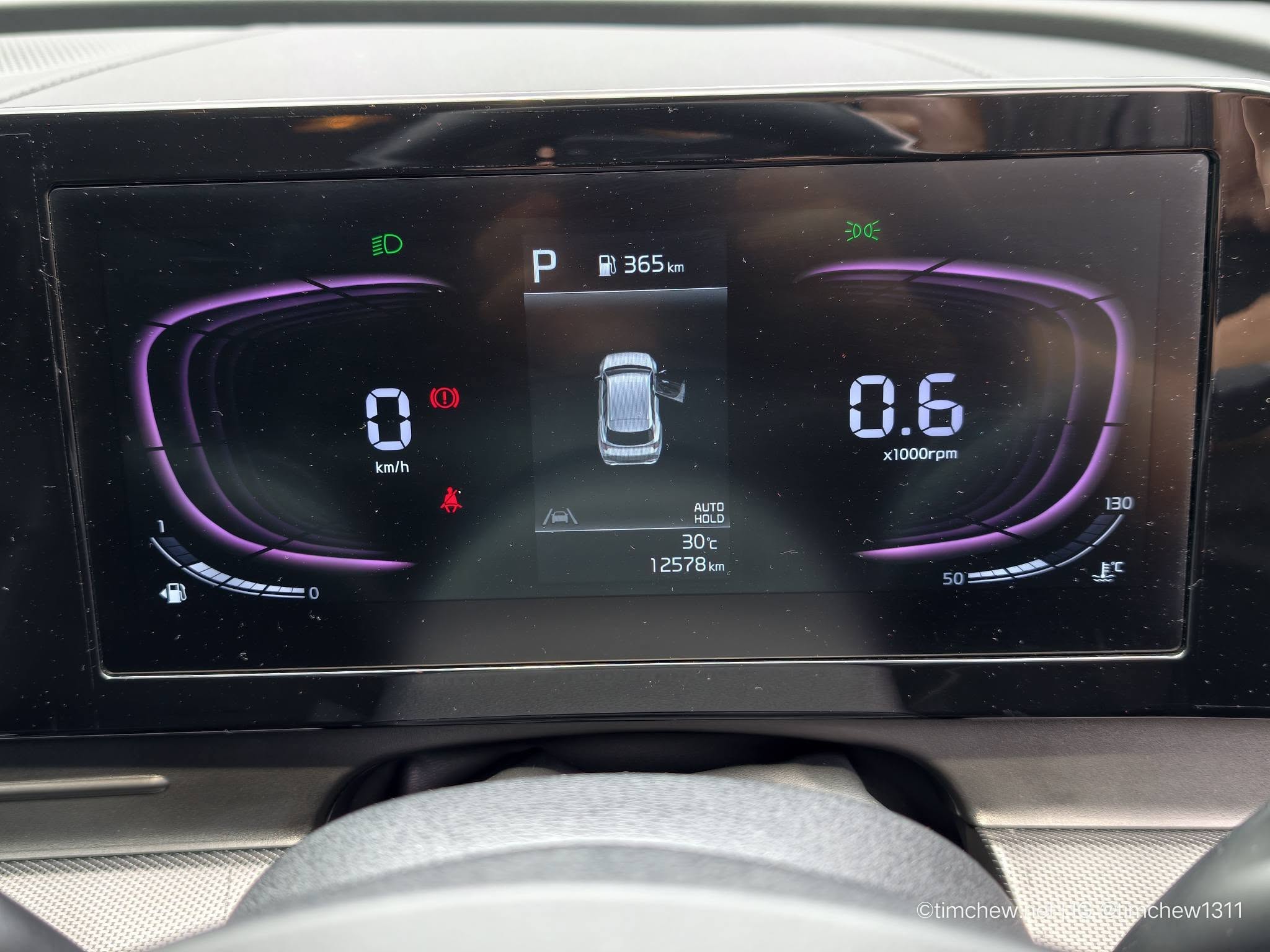
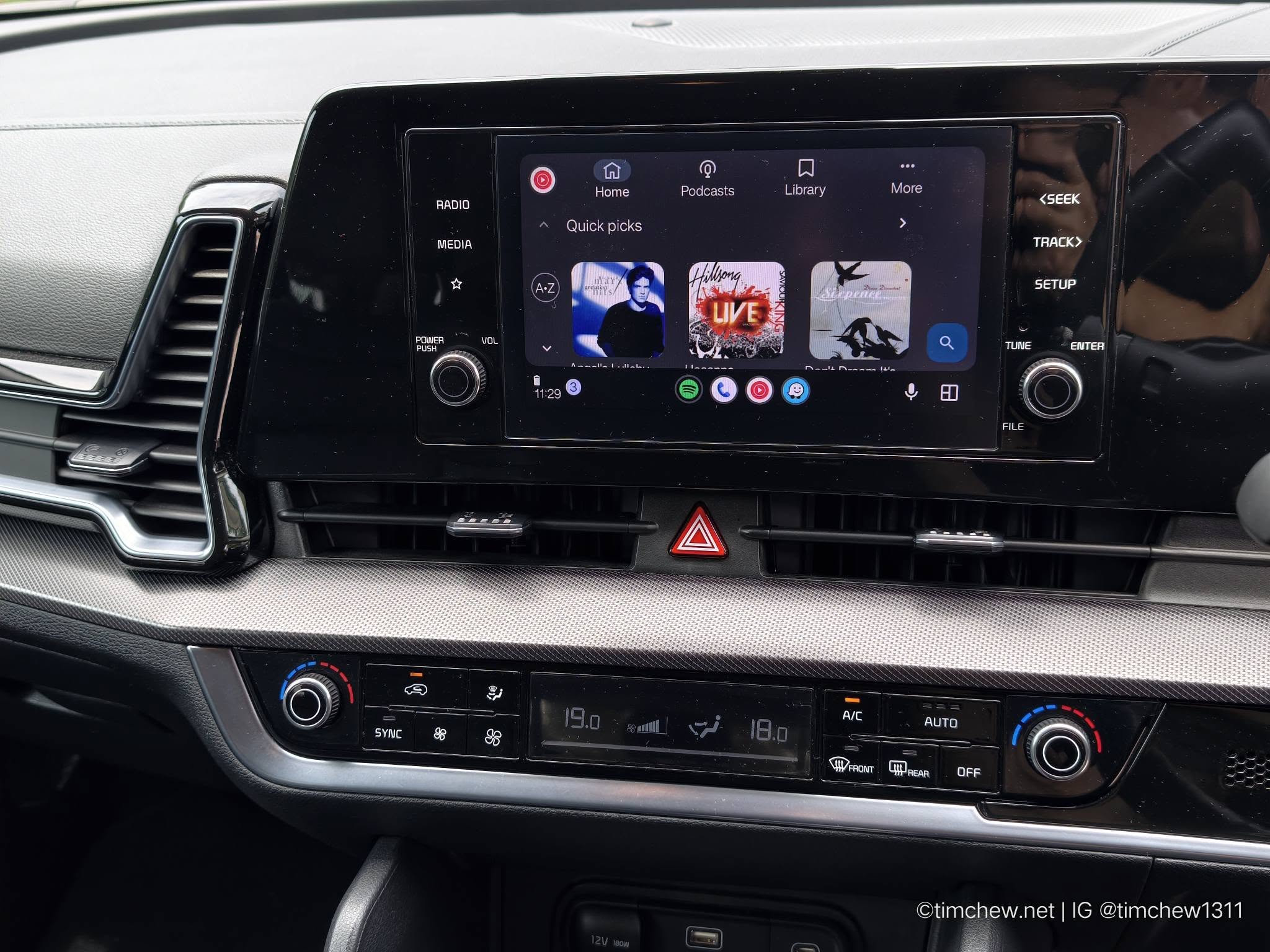
Inside, the 1.6T models get a 12.3-inch touchscreen and a 12.3-inch instrument cluster. The 2.0 Hi has an 8-inch screen and a 4.2-inch colour display. A bigger screen mostly matters for maps and for how readable things are at a glance. Android Auto worked well, and the smaller screen didn’t feel like too much of a difference in everyday driving. Map reading and navigation were still comfortably readable.
I really liked that the aircon controls were actual buttons and dials, which I do consider to be much safer than trying to adjust the aircon through a function in the multifunction display. Tactile buttons would have been better, but in a bit of irony, it actually costs more now for manufacturers to outfit vehicles with physical buttons nowadays, which is why so many functions are controlled via the multifunction display.
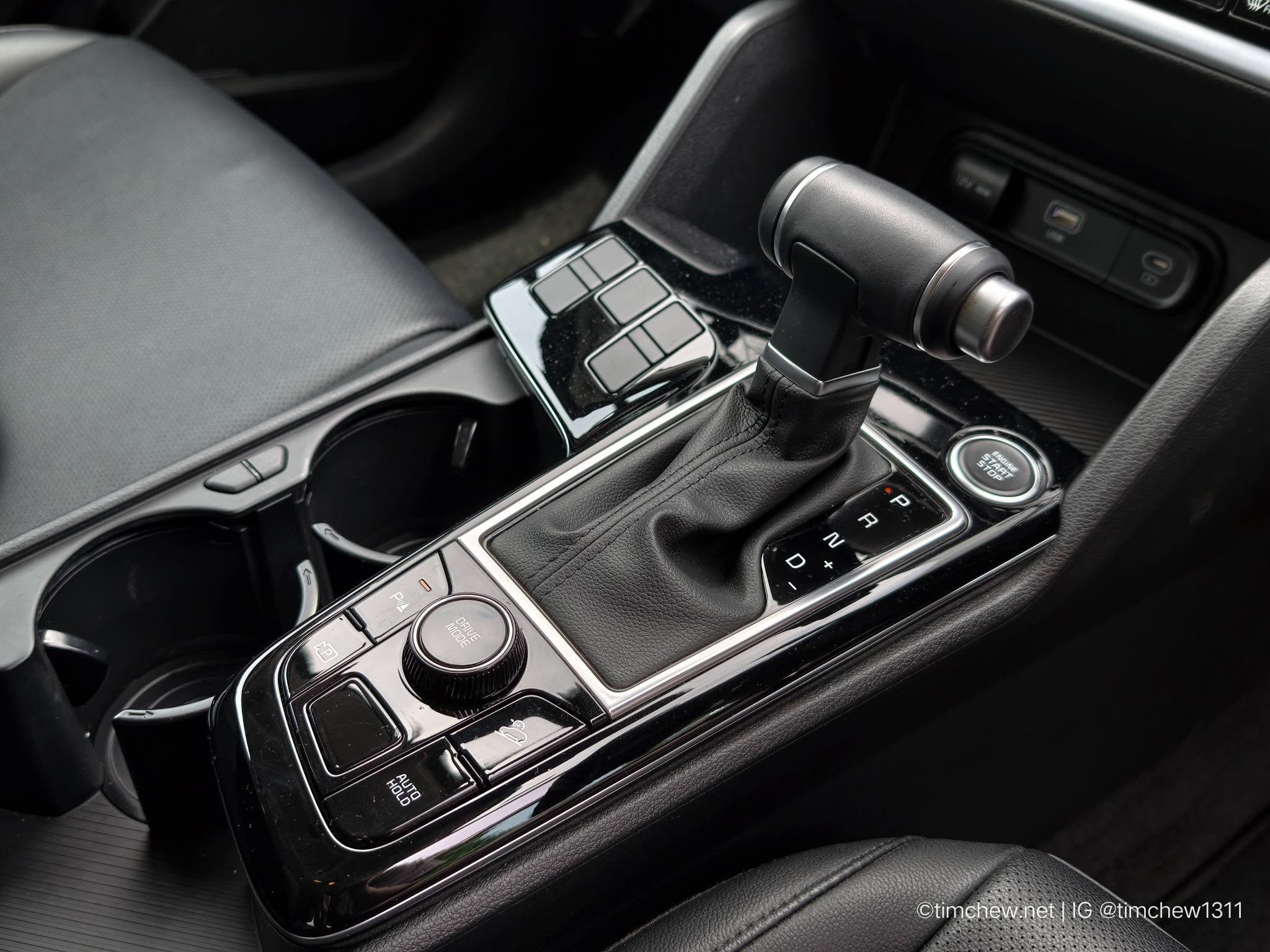
One feature that I thought was really cool and welcome was the gear shift lever, which was prominent and sturdy. In an era of columns and dials, a proper, sturdy and prominent gear shift lever is something that I find most useful (yes, you can say that I’m rather old school).
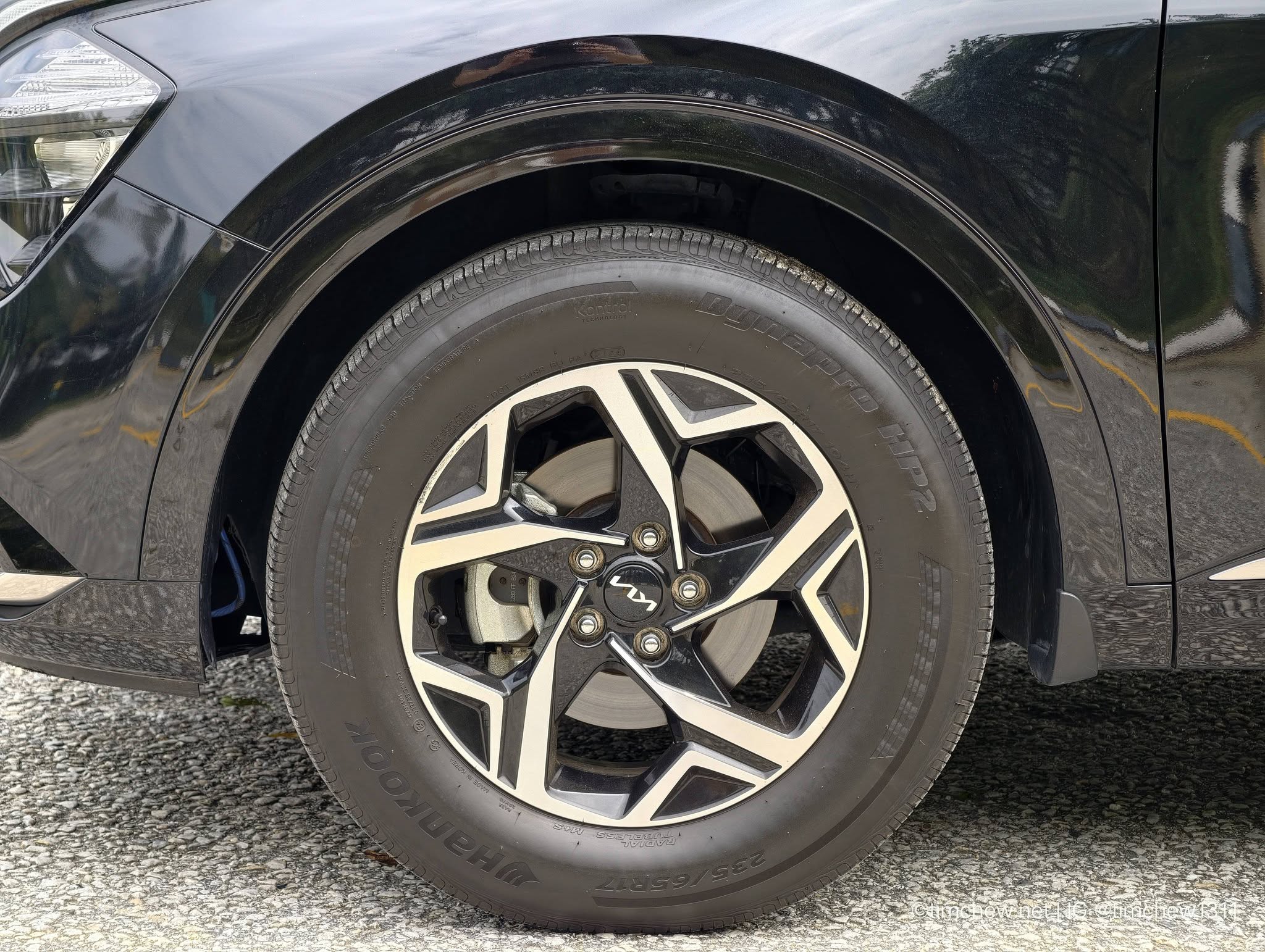
The 1.6T models also add paddle shifters, a rotary shift-by-wire gear selector and a dual-function control panel, features that suit drivers who like to be more involved. The Harman Kardon speakers are reserved for the 1.6T AWD Hi, so if a good sound system matters on long drives, that is a point in the AWD’s favour. The 2.0 Hi rides on 17-inch wheels, against 18-inch on the 1.6T models. We didn’t really notice a significant difference in ride quality – probably because we mostly drove it rather conservatively, prioritising comfort rather than pushing it to its limits.
The difference we felt most is in safety and driver assistance, though the 2.0 Hi starts from a solid base. According to Kia’s brochure, it has front, side and curtain airbags, ABS and electronic stability control, and the same list is on the 1.6T models. Hill-start assist stops the car rolling back on a slope, and auto hold keeps it still at a red light without your foot on the brake, which makes stop-and-go traffic less tiring. Rear occupant alert is aimed at drivers who might leave a child or pet behind, and Safe Exit Warning is designed to alert occupants to approaching traffic before a door is opened. For young families, ISOFIX anchor points and top tethers are there for child seats.
Beyond that, though, the 1.6T models carry more. The blind-spot view monitor, which shows a live camera view of the adjacent lane in the instrument cluster, was one of the features we appreciated most on the 1.6T AWD Hi. Unfortunately, the 2.0 Hi has no 360-degree camera – a feature that I missed the most, especially in tight situations/ parking. For anyone who parks in tight car parks regularly, the Sportage, while not being the easiest to park, did not feel too cumbersome and fit in most of the carparks that we encountered.
Then there is the price. The 1.6T 2WD Hi is RM158,800, and the 1.6T AWD Hi is RM178,800, according to Kia. Stepping up RM20,000 from the 2.0 Hi to the 1.6T 2WD Hi brings the turbo engine, the larger screens and the blind-spot view monitor. The next RM20,000 to the AWD adds all-wheel drive and the Harman Kardon speakers. One small offset for the 1.6T is first-year road tax, which is RM120, against RM439.10 for the 2.0.
So who is the 2.0 Hi for? If your week is mostly commuting, school runs and weekend outings, it gives you the Sportage’s space and practical features at a lower price, and we enjoyed it. If you spend a lot of time on highways, park in tight spaces, or would value the blind-spot camera and the larger screens, the 1.6T is worth the extra.
Weekend with the Kia Sportage 2.0G 2WD Hi: The Scorecard
Ease of driving: 6/10
Handling: 7/10
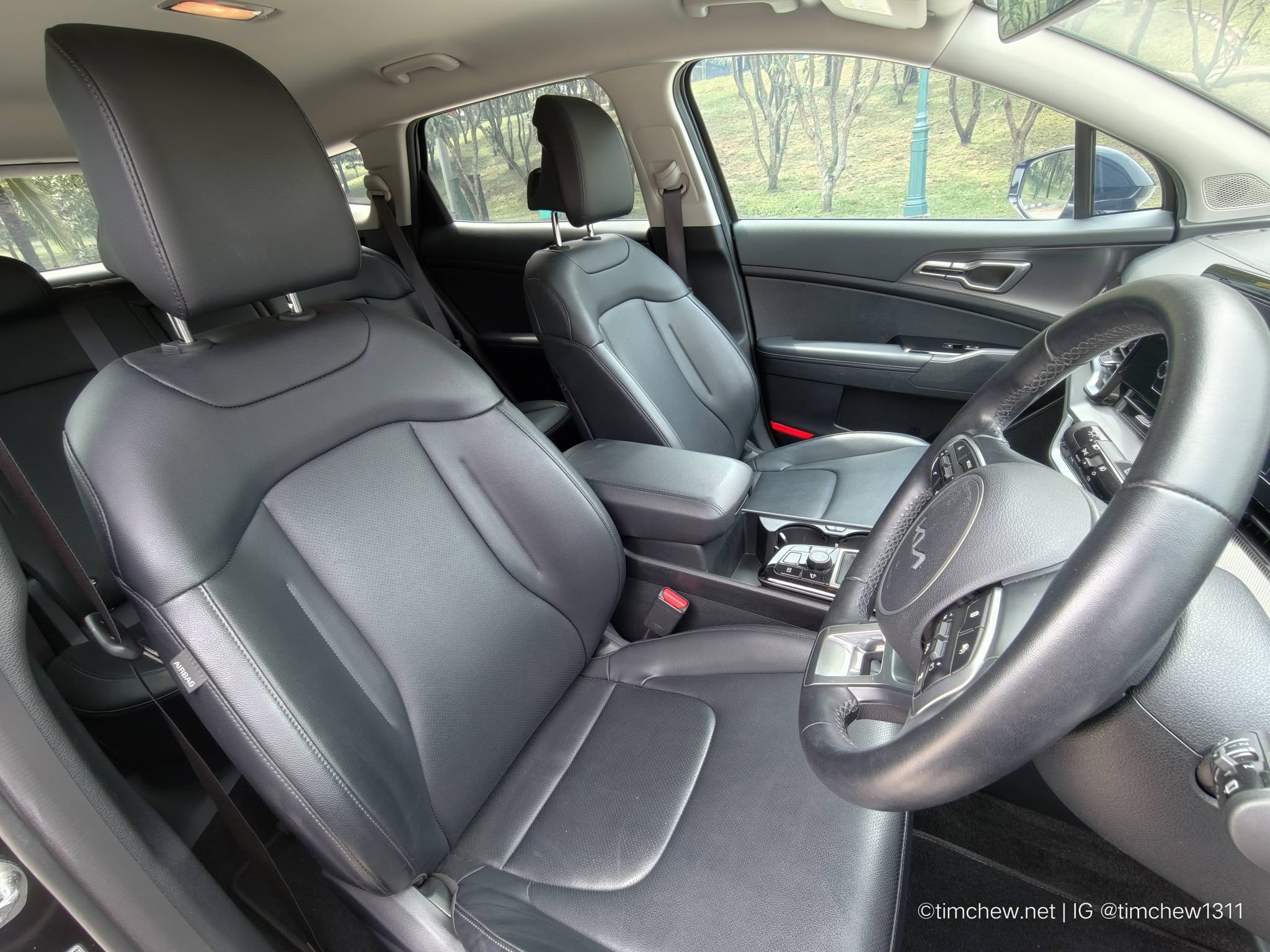
Comfort: 7/10 (had to sadly -1 for the lack of ventilated seats)
Premium feel: 7.5/10
Value for money: 7.5/10
How we score: ratings reflect our own experience over a weekend with the car and are relative to its price segment, with 5/10 meaning fine for the price. Ease of driving covers visibility, parking and traffic comfort. Handling covers how the car feels on a twisty road. Comfort covers ride, seats, noise and rear-seat space. Premium feel covers materials, finish and technology for the price. Value for money weighs what you get against what you pay. Scores are not comparisons with other cars.
Best for: Couples, families, city or highway driving
Less ideal for: Drivers who want a 360-degree camera and a blind-spot camera display
Photos shot by the author using the vivo X300 Pro.


