Read Part 1 first: https://timchew.net/2026/07/13/weekend-with-the-kia-sportage-1-6t-high-part-1-dim-sum-brunch-at-lai-ching-yuen-grand-millennium-kuala-lumpur/
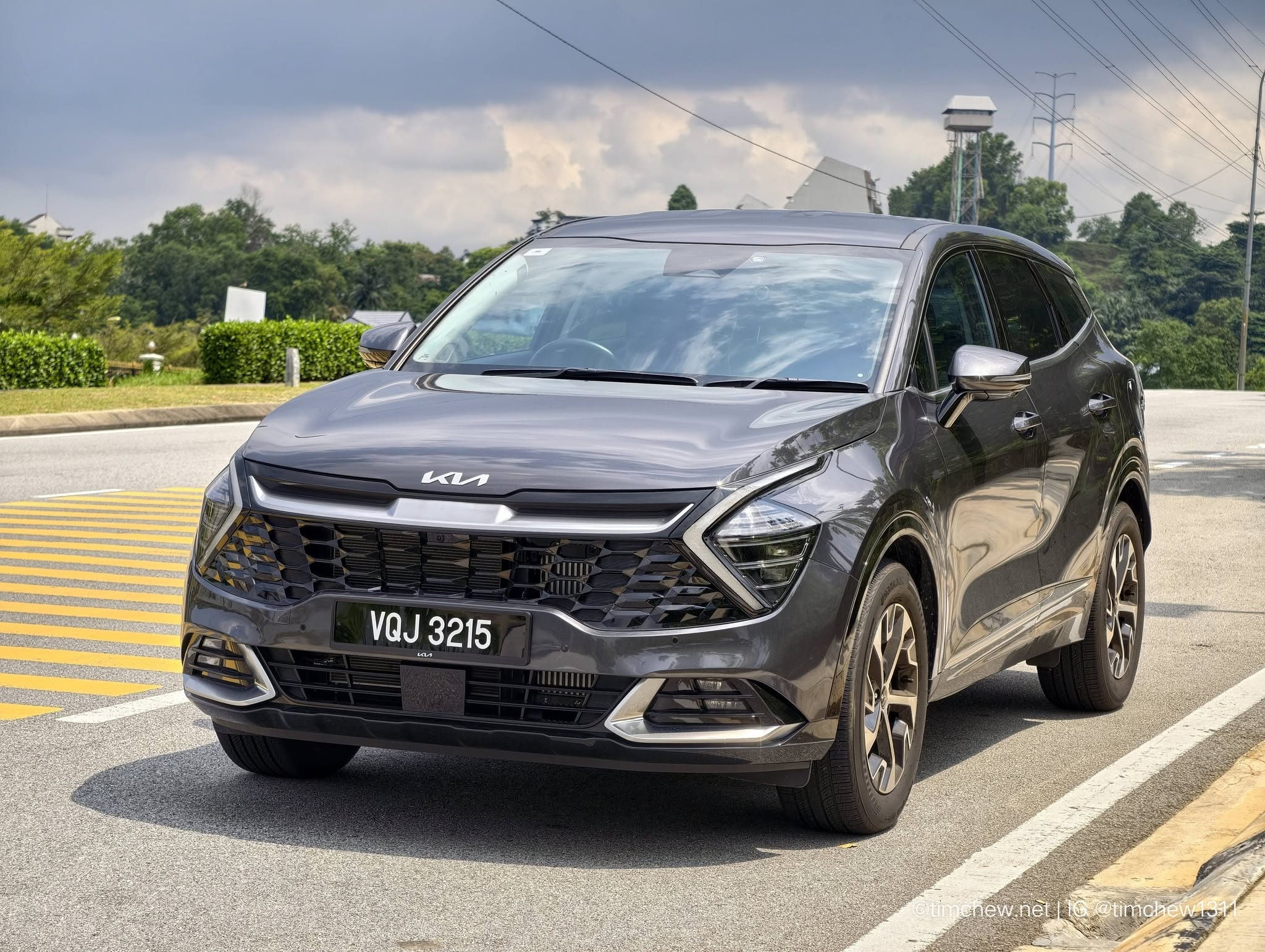
Modern motoring has quietly redefined what confidence behind the wheel means. It is less about horsepower figures and cornering grip than it once was, and more about the layer of intelligence that sits between driver and road. The best of that intelligence, as it turns out, is the kind you forget is there — not because it fails to work, but because it works well enough to become invisible. If Part 1 of this review addressed what the Kia Sportage 1.6T High looks like and how it drives, Part 2 is where that intelligence is properly introduced.
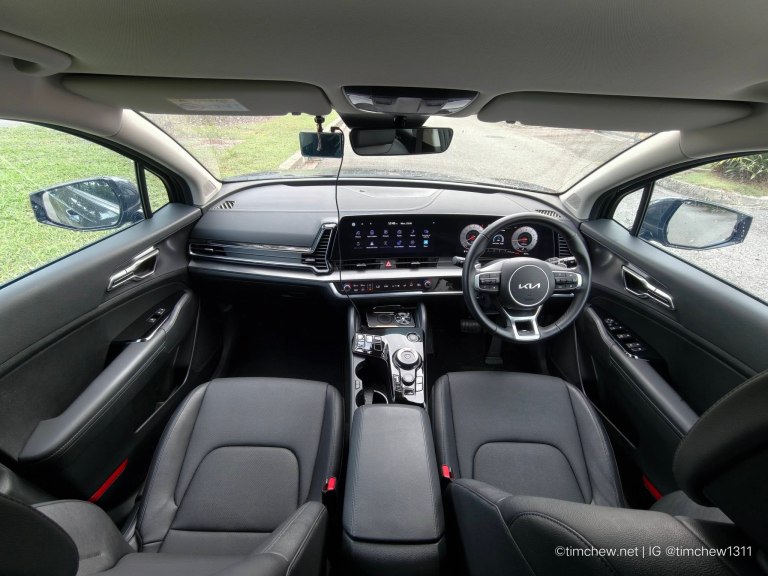
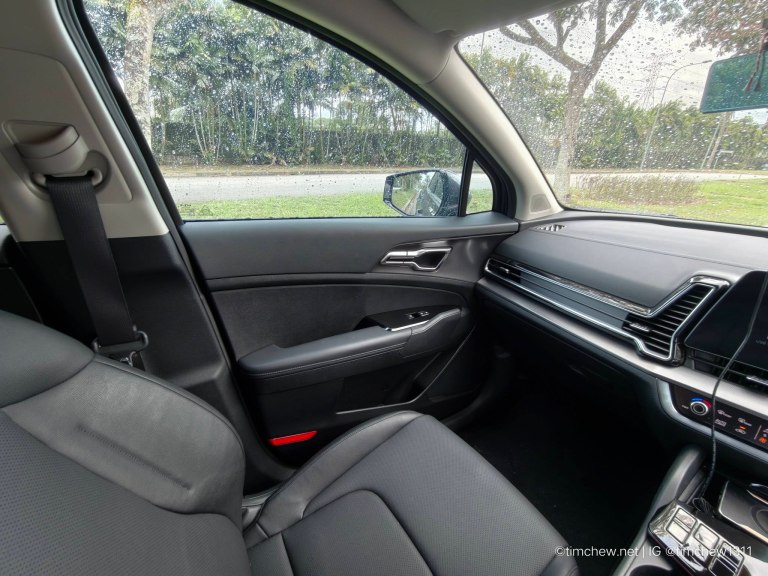
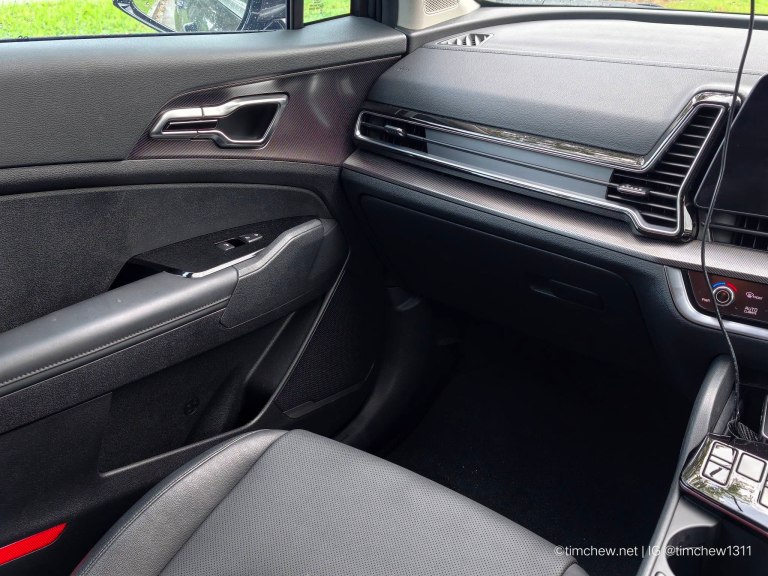
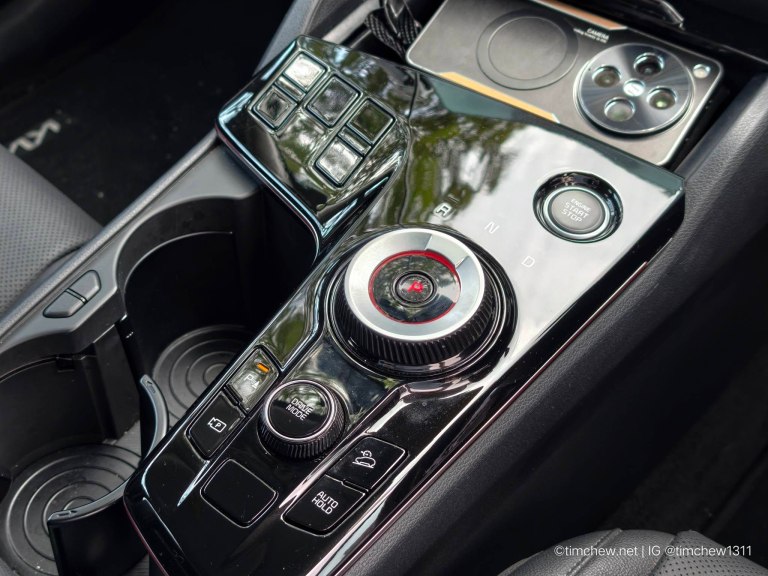
The cabin makes a strong first impression. Leatherette upholstery, ambient lighting, and a dual-zone digital climate panel lend the interior a sense of considered assembly, and the materials in the primary contact zones hold up well to scrutiny. Kia has clearly prioritised the surfaces and areas where occupants interact most frequently, and the result is a cabin that presents well in daily use with very low NVH levels, a trait that I highly appreciated.
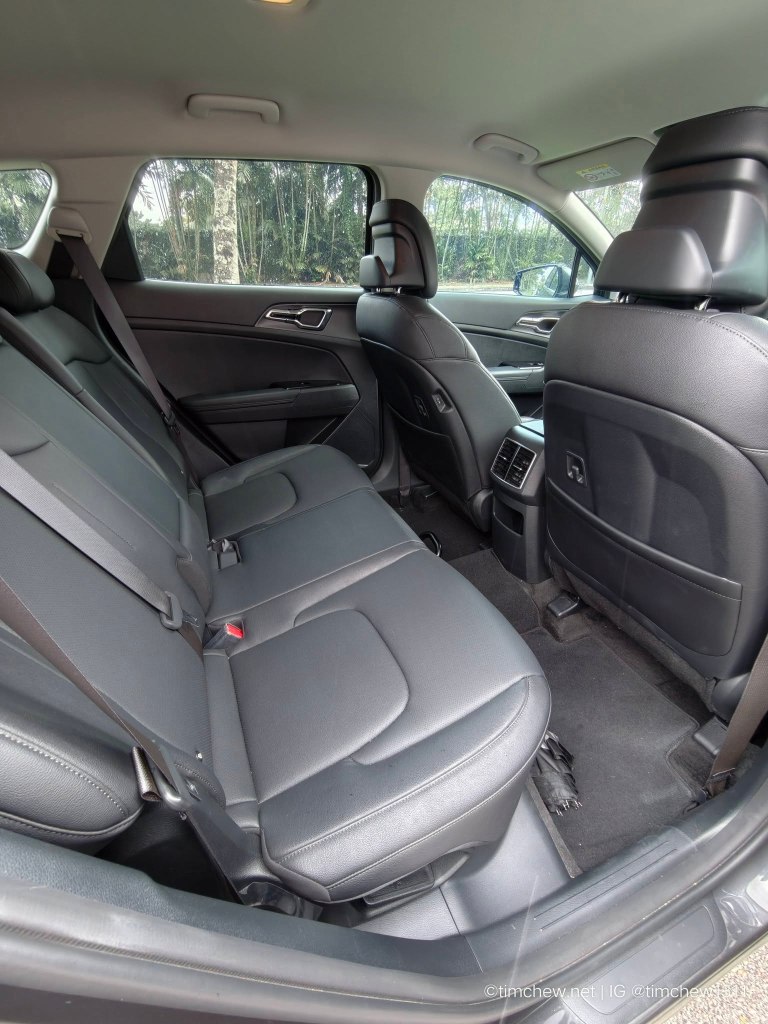
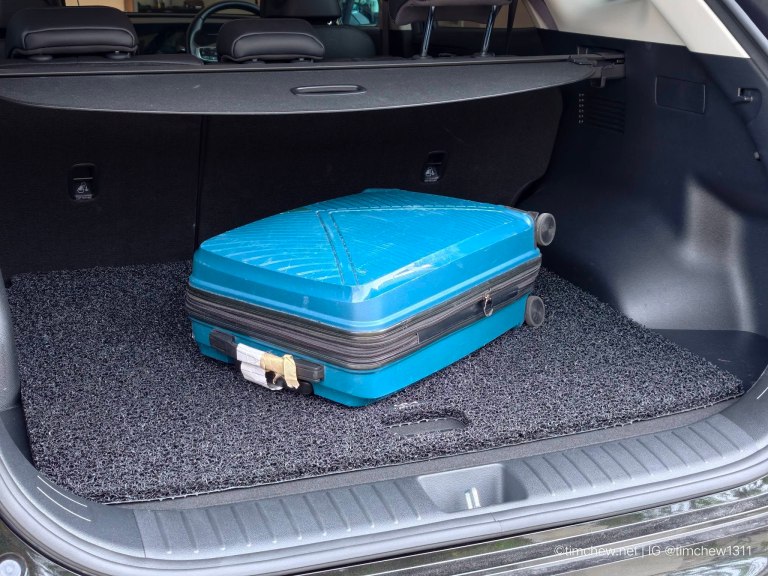
The front seats offer reasonable support, and the driver’s position is easy to dial in. The rear bench reclines adjustably, and the 60:40 split folds via a remote button — a practical touch that removes the need to reach over luggage to operate the seats manually. Rear legroom and overall headroom are generous (I’m 178cm tall). Cargo space is useful in day-to-day configuration, and the Smart Power Tailgate — which opens automatically after a three-second proximity trigger with the smart key in hand — proves genuinely convenient.
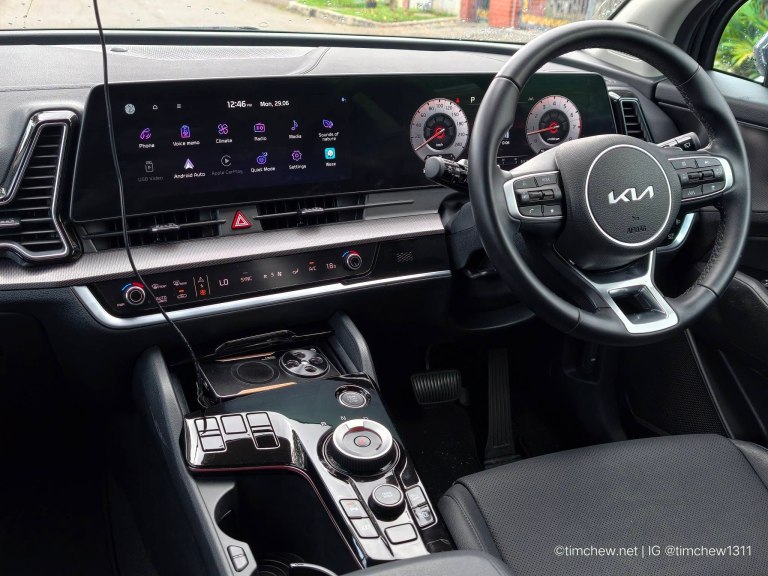
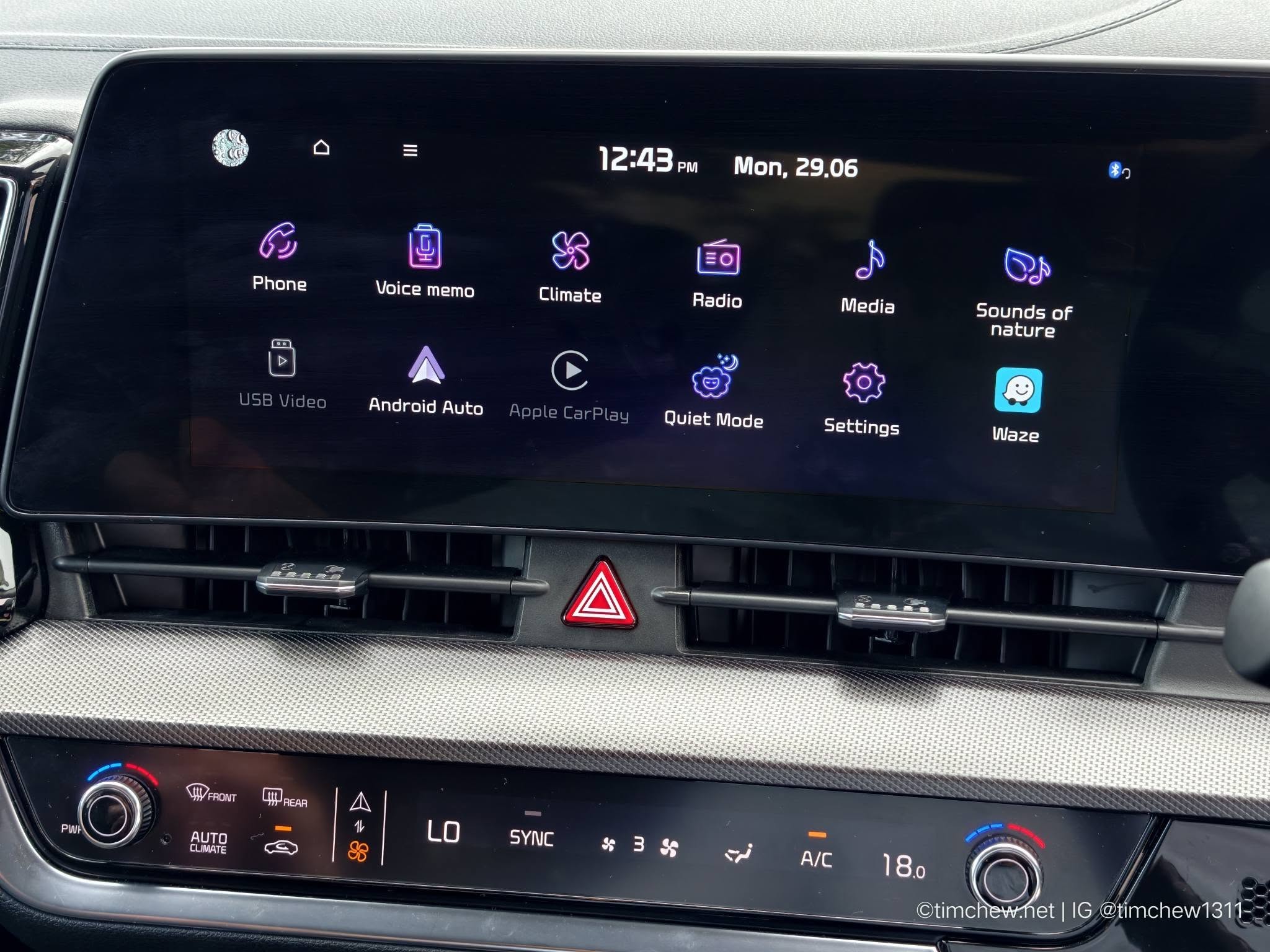
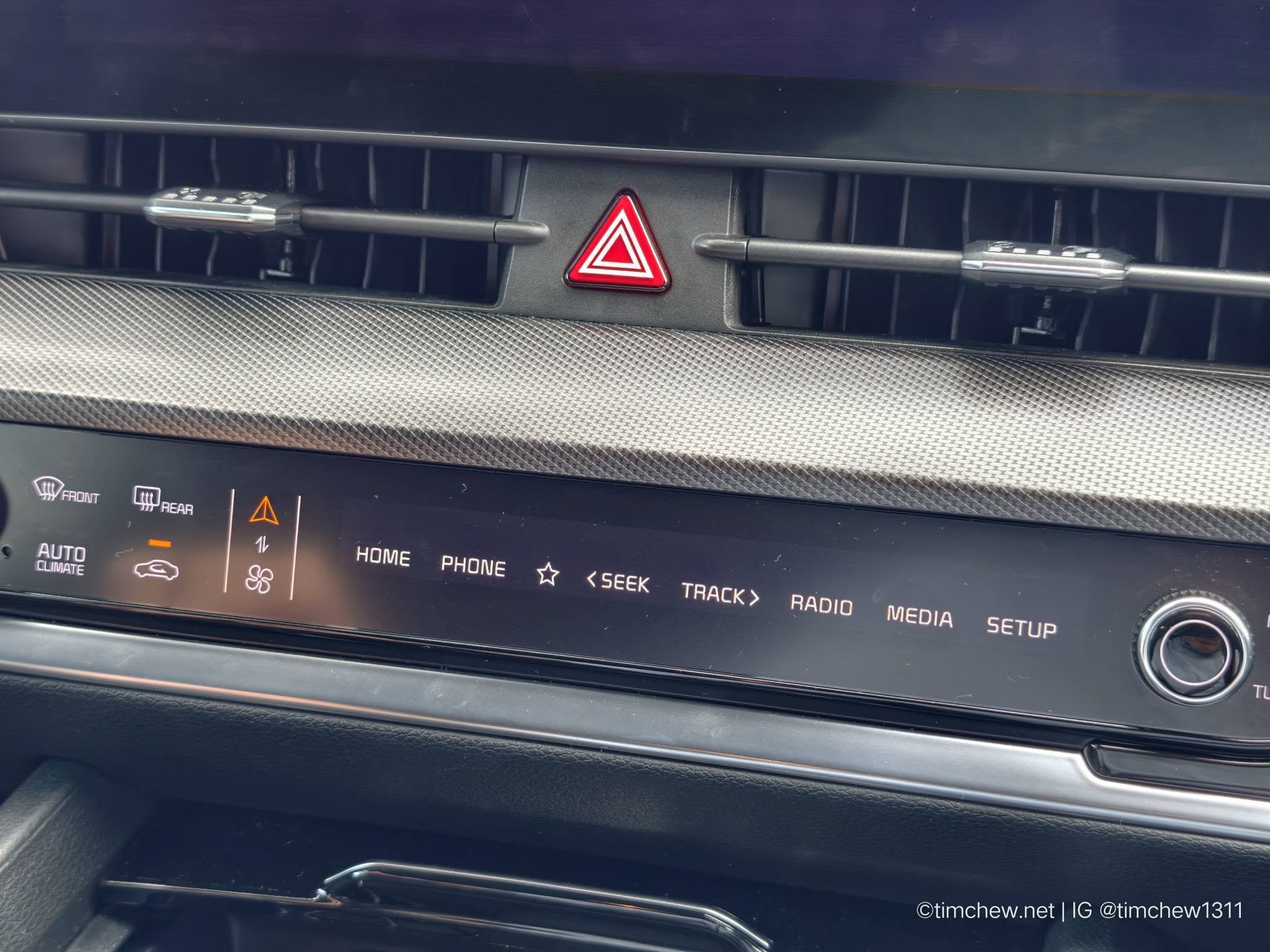
The centrepiece of the interior is the panoramic curved display arrangement — a 12.3-inch digital instrument cluster paired with a 12.3-inch infotainment touchscreen — running across the dashboard in a single visual arc. The interface is responsive and logically arranged, with a capacitive controller on the centre fascia that switches between media and climate functions without requiring the driver to reach toward the screen. As someone who prefers physical buttons (something that’s getting rare in modern-day cars where the touchscreen controls almost everything), the capacitive controller (ie., non-tactile buttons) was incredibly welcome.
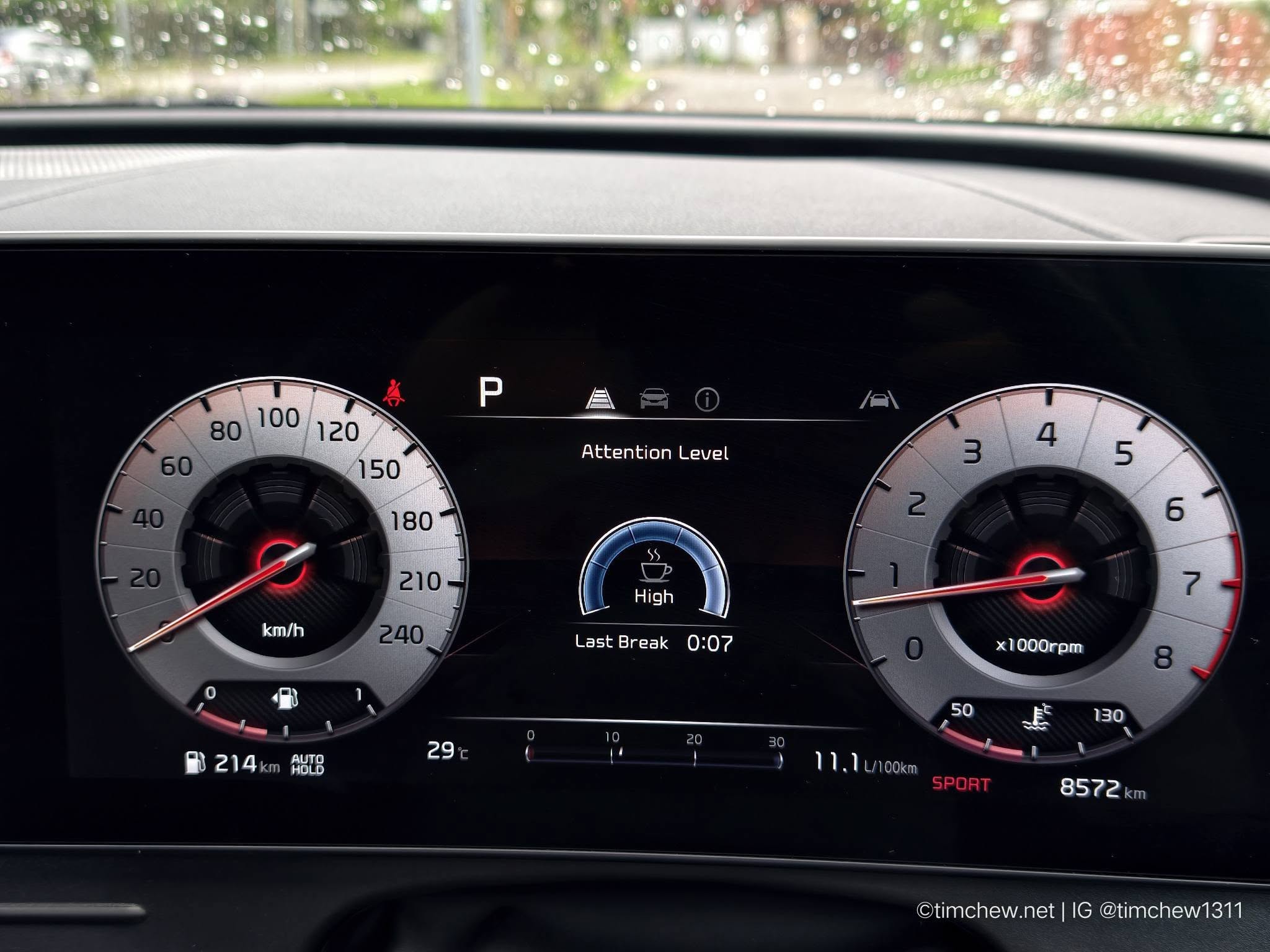
Audio is handled by a 6-speaker system that delivers clear, well-balanced audio for everyday listening. Buyers who prioritise a premium audio experience may wish to consider the 1.6T High AWD at RM199,900, which adds the Harman Kardon 8-speaker setup. A Tyre Pressure Monitoring System displays real-time readings via the instrument cluster, and rear USB charge ports ensure rear passengers are catered for on longer journeys. Apple CarPlay and Android Auto are standard via wireless connection.
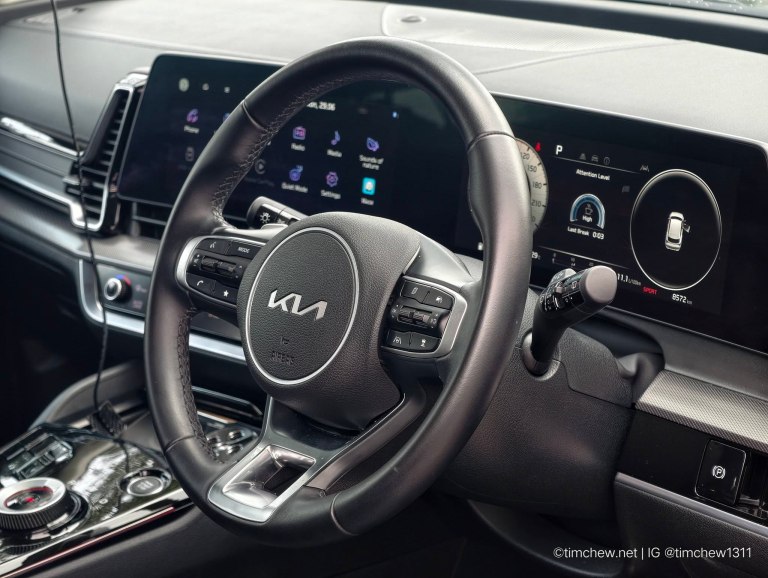
The Smart Cruise Control with Stop & Go operates via radar, maintaining a set following distance from the vehicle ahead and bringing the car to a full stop in traffic before resuming automatically. On a longer stretch of highway, the system intervenes smoothly and progressively, inspiring confidence rather than anxiety. As I used the NKVE highway during this weekend’s drive, I found this feature useful even though it was just for 10 minutes.
Lane Following Assist works in concert with the cruise control, applying gentle steering inputs to keep the Sportage centred in its lane. It is the kind of feature that reveals its value incrementally — not through dramatic intervention, but through the cumulative reduction of effort on a long drive.
The Blind-Spot View Monitor projects a live camera feed of the adjacent lane directly into the instrument cluster when the turn signal is activated. In dense urban traffic, the system provides a reliable secondary reference without requiring the driver to take eyes off the road. The Blind-Spot Collision-Avoidance Assist adds an active layer, applying steering feedback and audio-visual alerts if a lane change is initiated with a vehicle in the adjacent lane.
Forward Collision-Avoidance Assist scans for vehicles, pedestrians, and cyclists ahead, and can apply the brakes autonomously if an imminent collision is detected. Rear Cross-Traffic Collision-Avoidance Assist performs the equivalent function when reversing, detecting vehicles approaching from the side before the driver may have visual awareness of the hazard. The Surround View Monitor — a 360-degree overhead camera system — rounds out the parking assistance package, making confined urban carparks considerably more manageable.
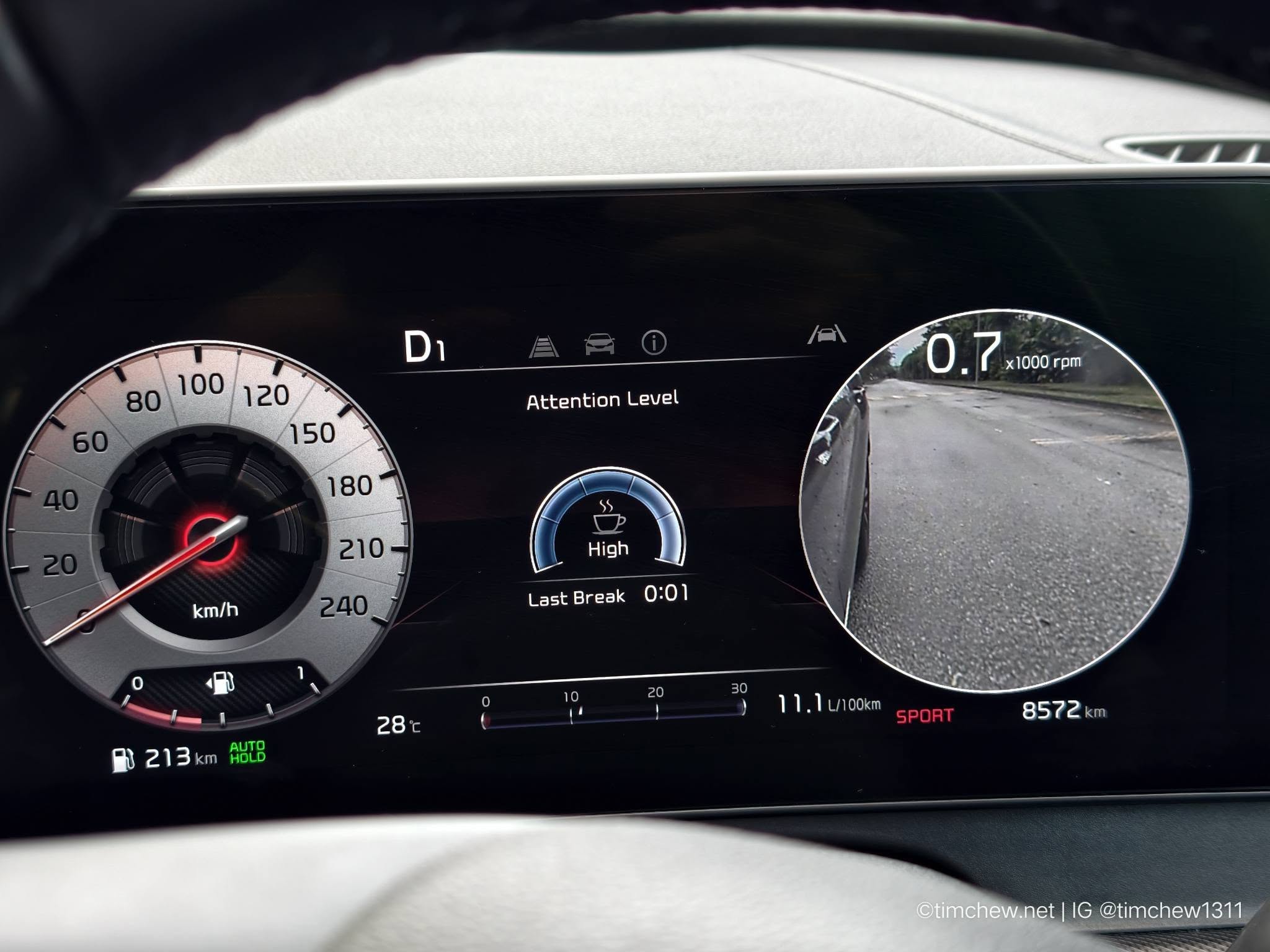
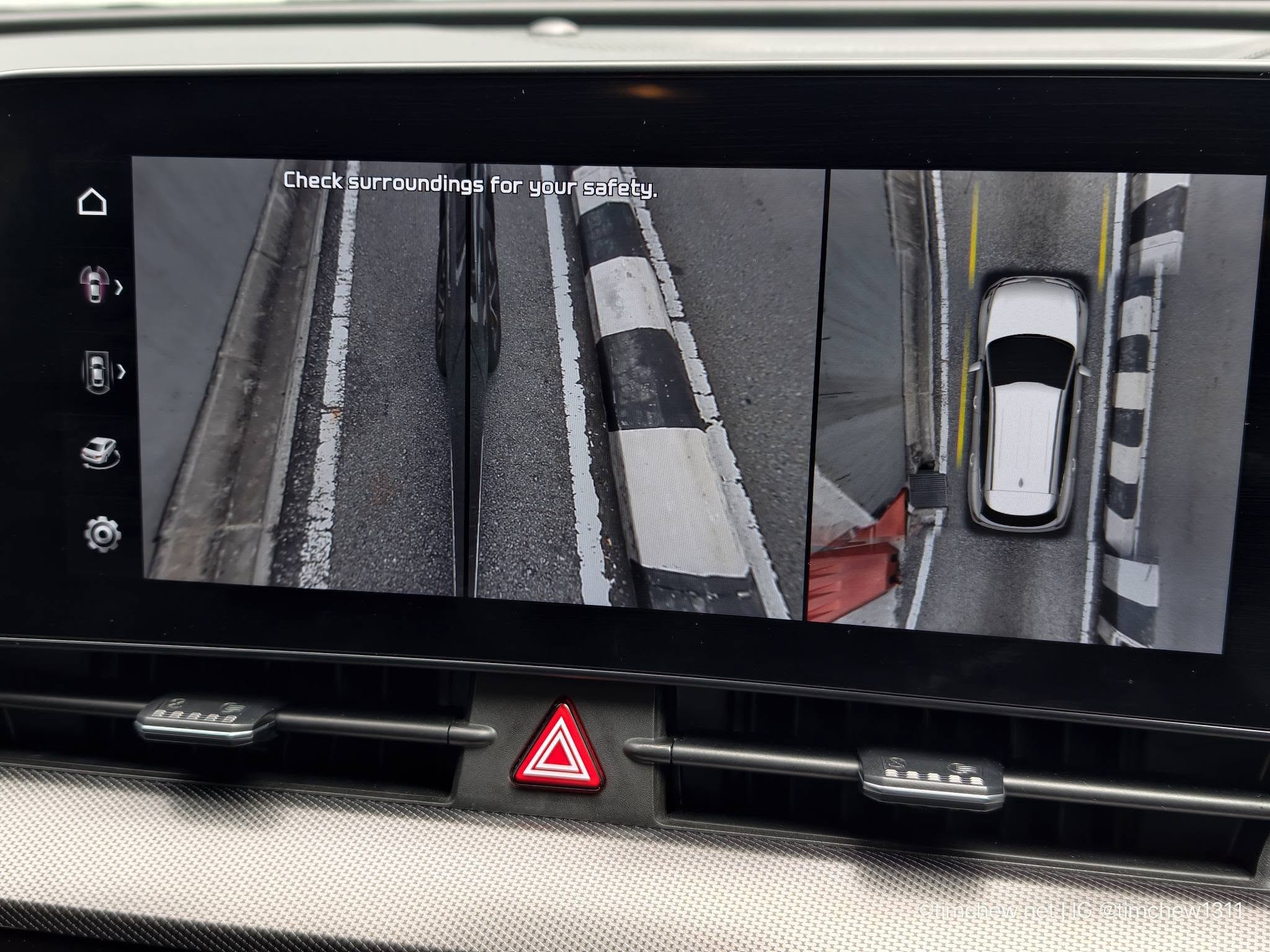
High Beam Assist and Downhill Brake Control complete the suite, while Rear Occupant Alert — which sounds a reminder upon exit if rear seat movement is detected — is a thoughtful inclusion for families.
Taken individually, none of these systems is unprecedented in the C-segment. Taken together, at RM181,800 for the 1.6T High in front-wheel-drive configuration, the breadth of the package merits serious attention. Comparable ADAS coverage from some rivals at this price point is either incomplete or commands a higher variant premium.
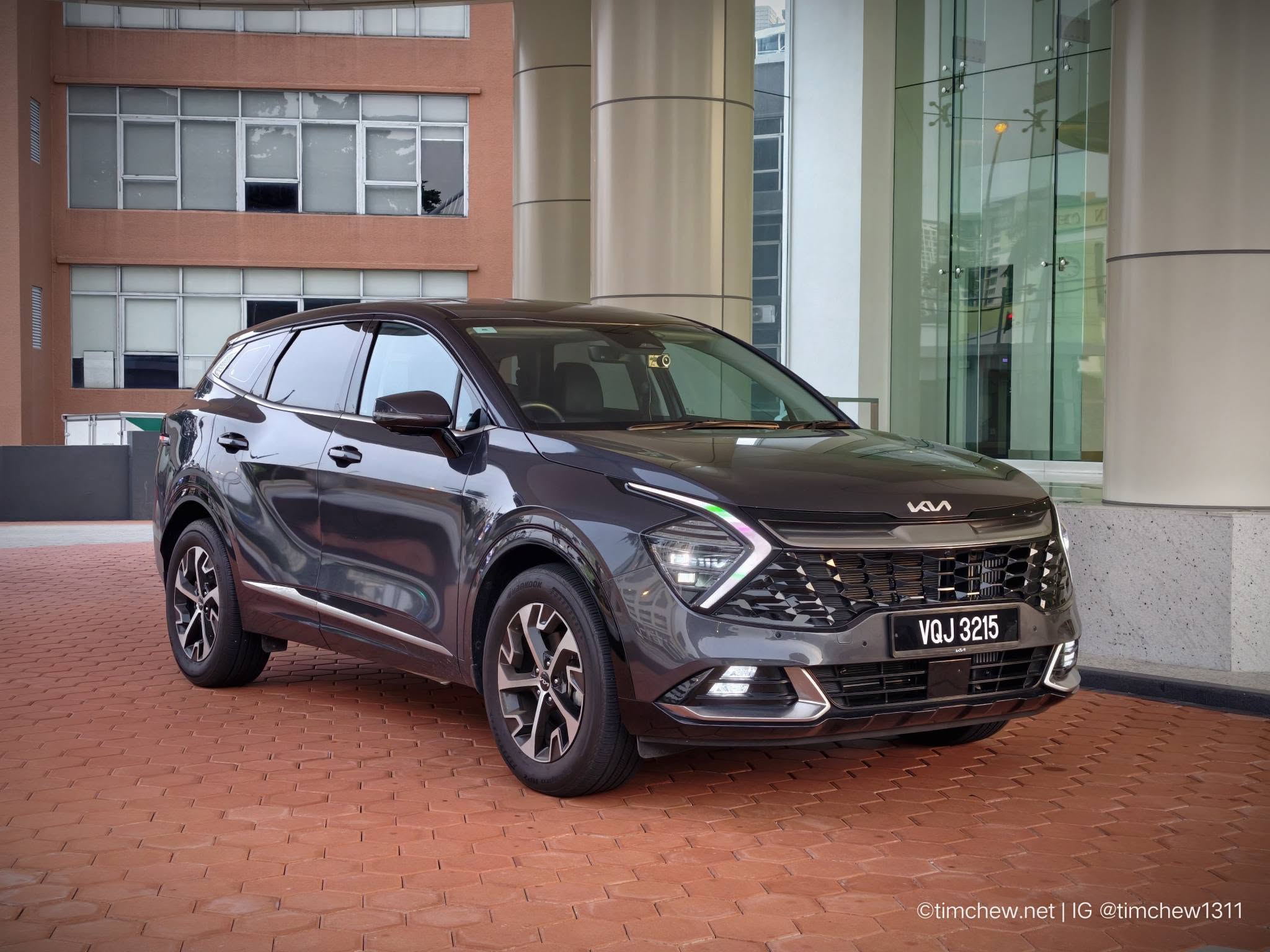
The Kia Sportage 1.6T High is a car that prioritises substance over showmanship. Its 1.6-litre turbocharged powertrain is tuned for everyday usability rather than outright performance, its ride calibrated for comfort over dynamism, and its interior appointed to a level that is appropriate for the segment and price point. These are deliberate choices for a vehicle aimed squarely at families and executive buyers.
What it offers is a safety and driver assistance package that punches above its price tier — and for buyers whose primary concern is daily confidence and family protection, that represents a more coherent value proposition than the specification sheet alone suggests.
With Kia Sales Malaysia now steering the brand directly as a principal operation, the Sportage arrives with the backing of a more integrated sales and aftersales structure — a reassuring context for prospective buyers considering a long-term ownership commitment.
The Kia Sportage 1.6T High is priced in Malaysia at RM181,800, excluding road tax, insurance, and registration fees.
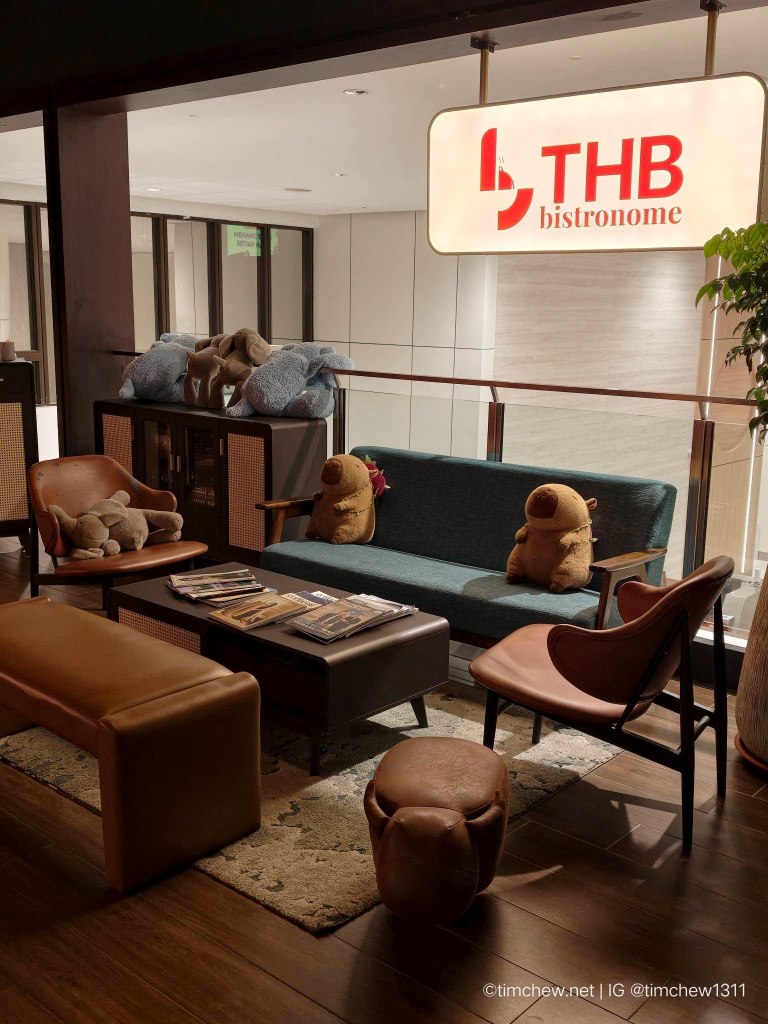
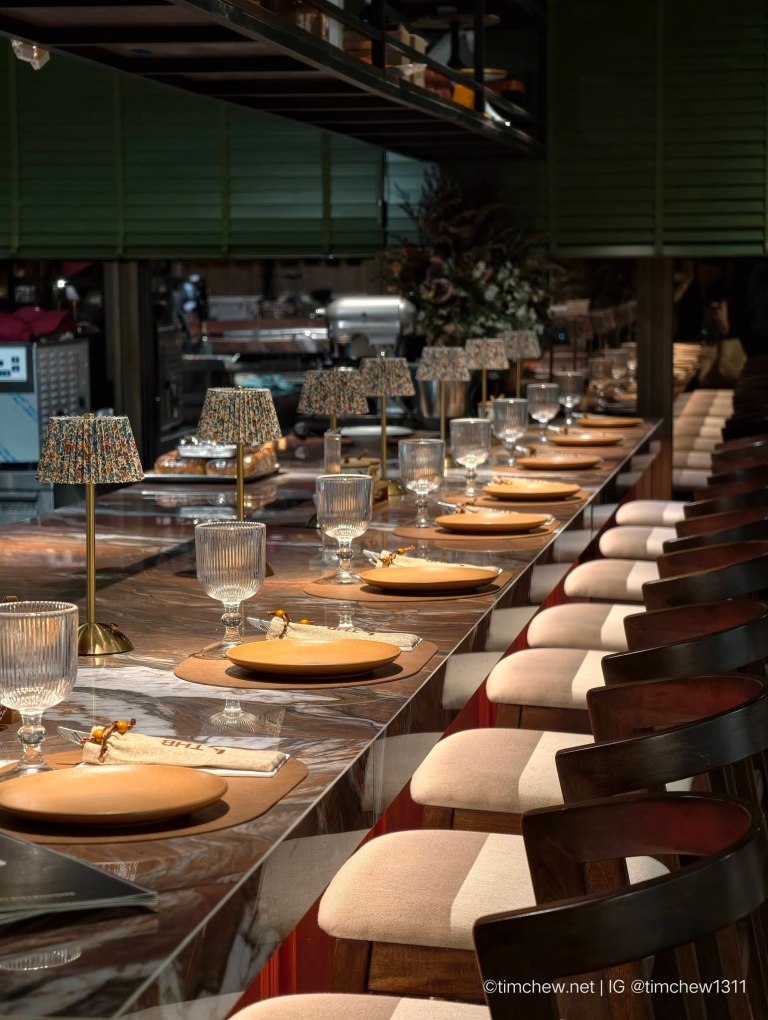
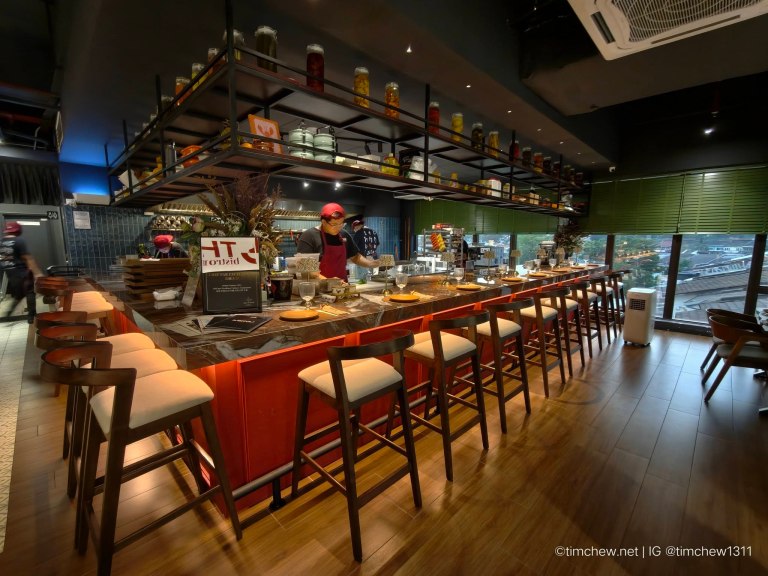
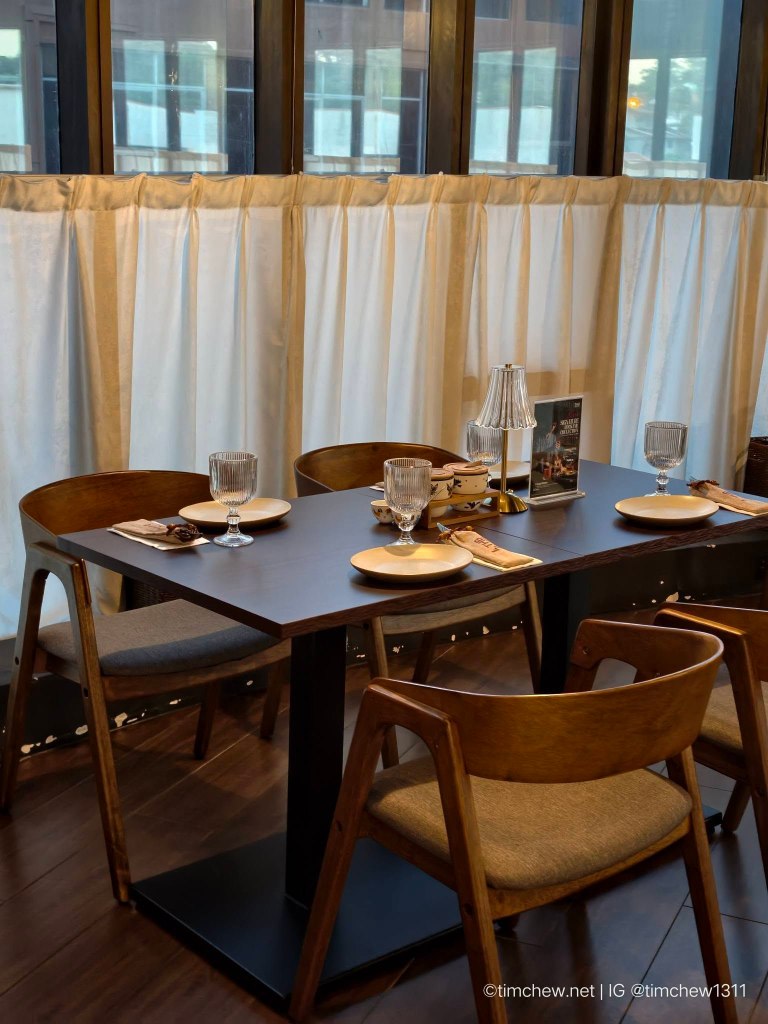
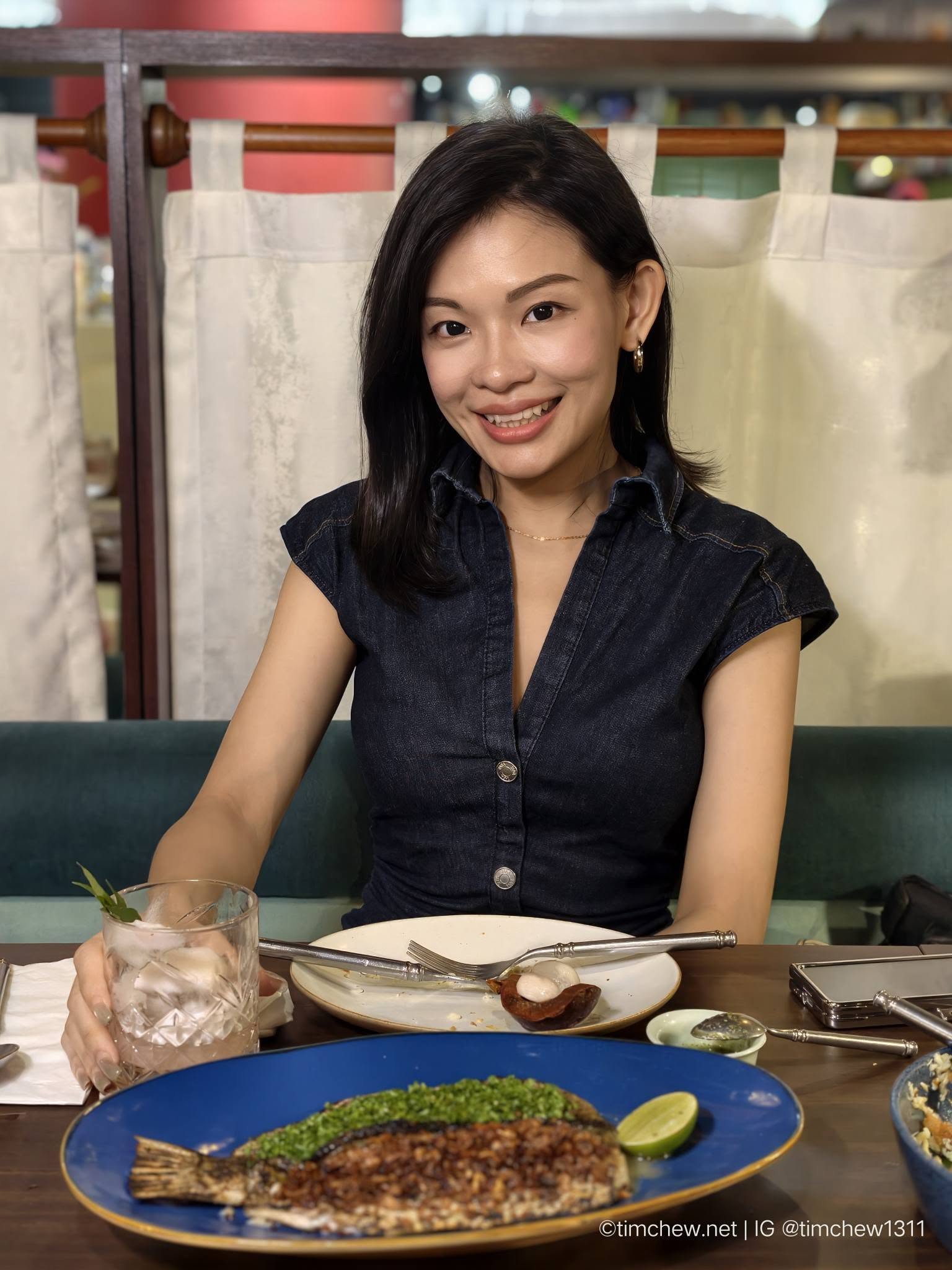
The last stop on my weekend with the Kia Sportage 1.6T was a drive to Seksyen 19, Petaling Jaya, where THB Bistronome has settled into the mezzanine floor of Menara Access World since opening late last year. The restaurant pairs French culinary technique with Thai flavours, a combination its founders describe as “Paris Meets Bangkok.”
THB Bistronome is helmed by chef Andy Choy, also known for NICE Bistronome in Seksyen 13, Petaling Jaya, working alongside head chef Kuik Wei Han. The pair travelled through Thailand to research regional flavours before developing the menu, layering Thai aromatics, herbs and spices onto a classical French foundation. The name THB stands for “The Humble Beginning,” a nod that also plays on the Thai baht currency code.
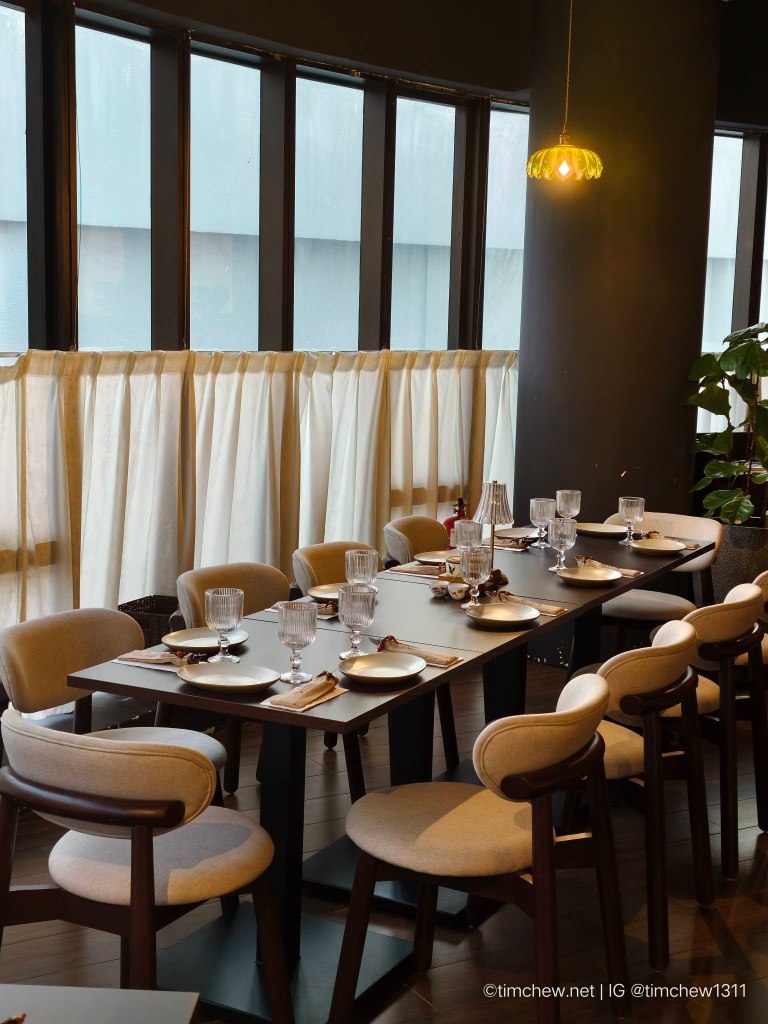
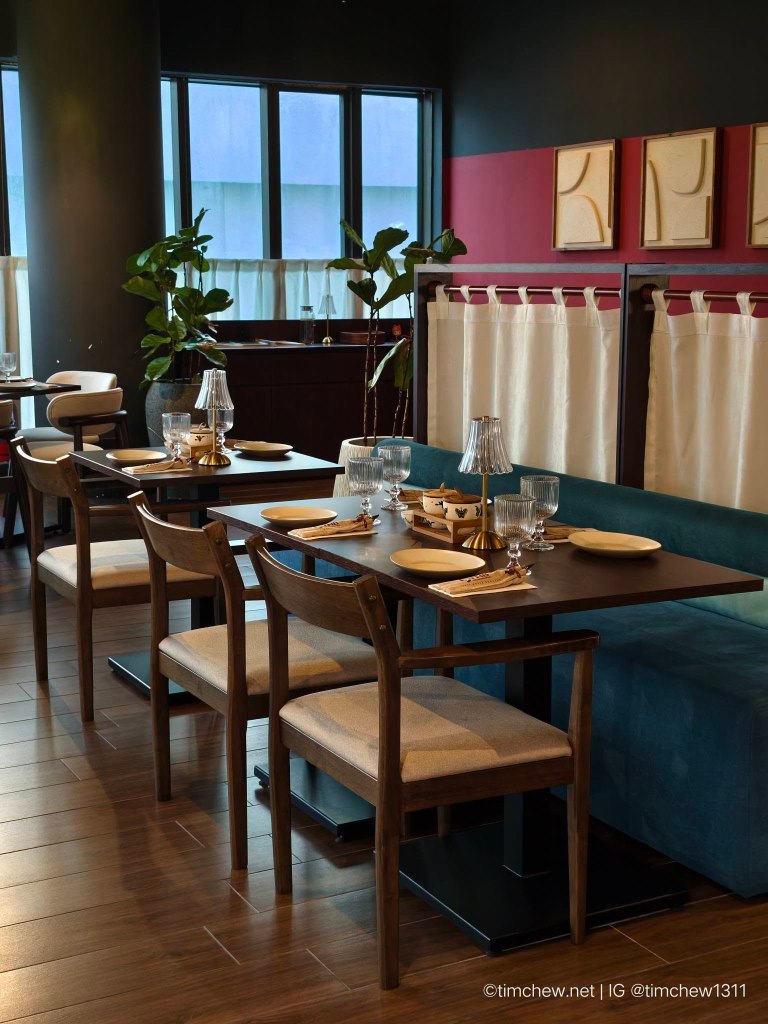
The establishment occupies the mezzanine level of Menara Access World along Jalan 19/3. The space is understated rather than showy, with a layout that keeps tables comfortably spaced. Service was attentive throughout the visit without feeling intrusive, and the overall mood struck a welcoming, unhurried note suited to a weekend meal.
THB Bistronome’s menu spans cold plates, hot plates, soups, mains, steaks, sides, noodles, grains and desserts, moving fluidly between French plating and Thai seasoning throughout. Over the course of the meal, we worked through six dishes, and the kitchen’s French-Thai balancing act held up across every one of them.
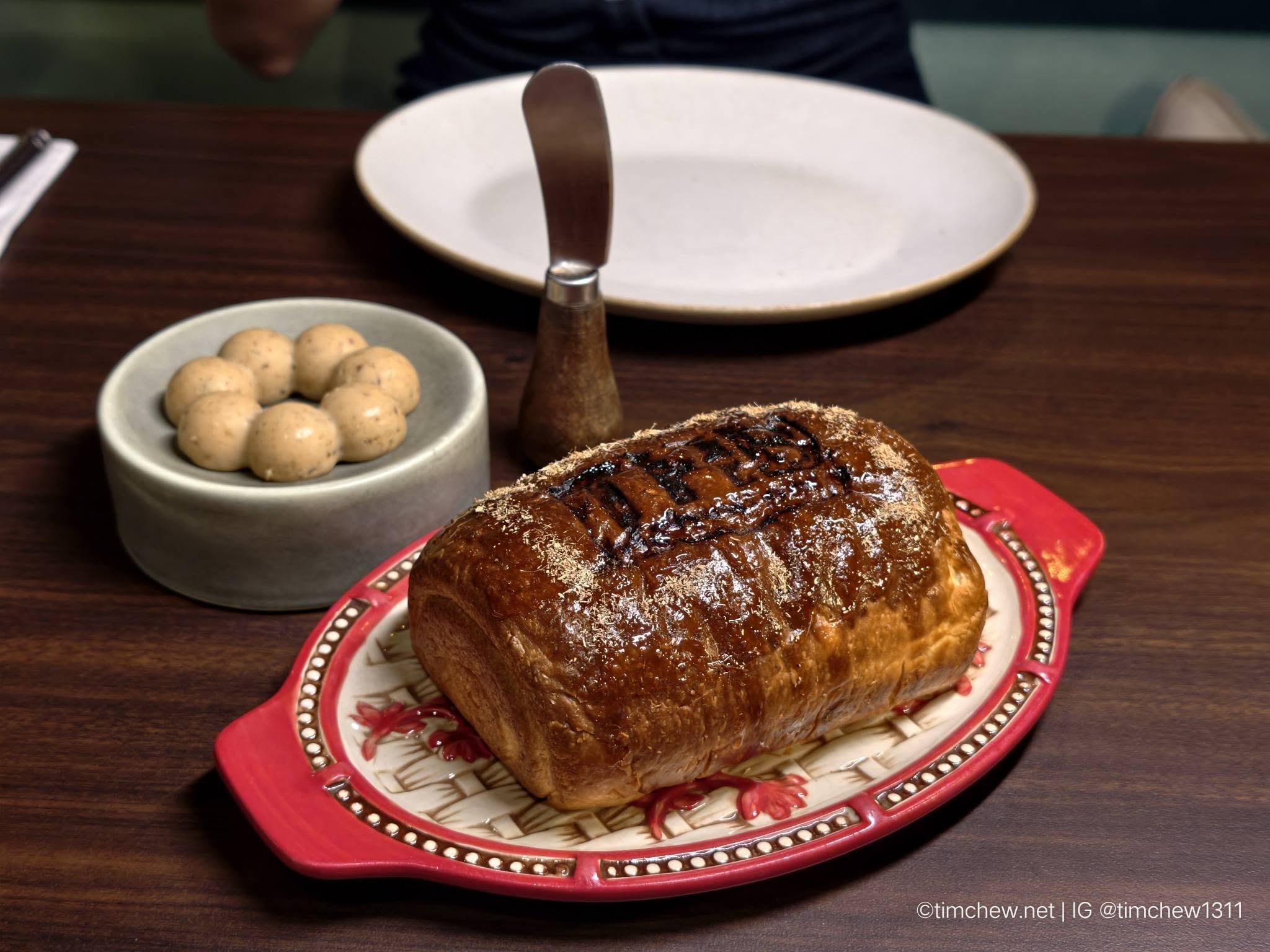
The brioche (RM20) opened the meal, its crust shattering into flaky, almost puff-pastry-like layers before giving way to a soft interior, all served alongside a curry-spiced butter with a distinct Thai lift. It set an early marker for a menu unafraid to dress French comfort food in Southeast Asian clothing.
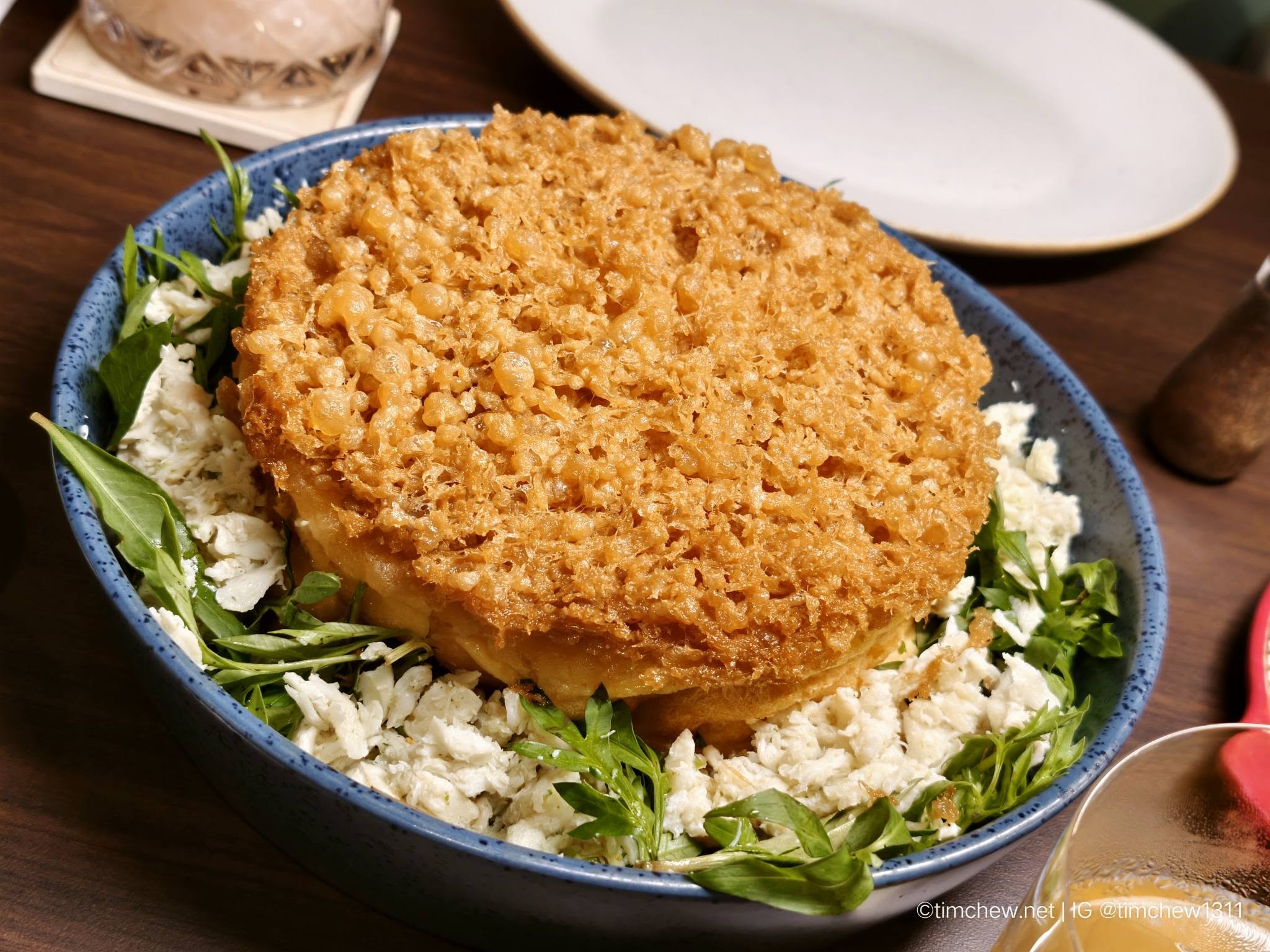
The omelette soufflé (RM28) arrived next, built on fish sauce, egg and chilli, its golden top crisping into a shell around a centre that stayed cloud-soft and faintly runny at the core. The savoury pull of the fish sauce and the low simmer of chilli heat gave the dish a character closer to Thai street food than a French brasserie staple, even as the soufflé technique stayed textbook. Crab (RM18), added on, brought a sweetness that tempered the spice without dulling it.
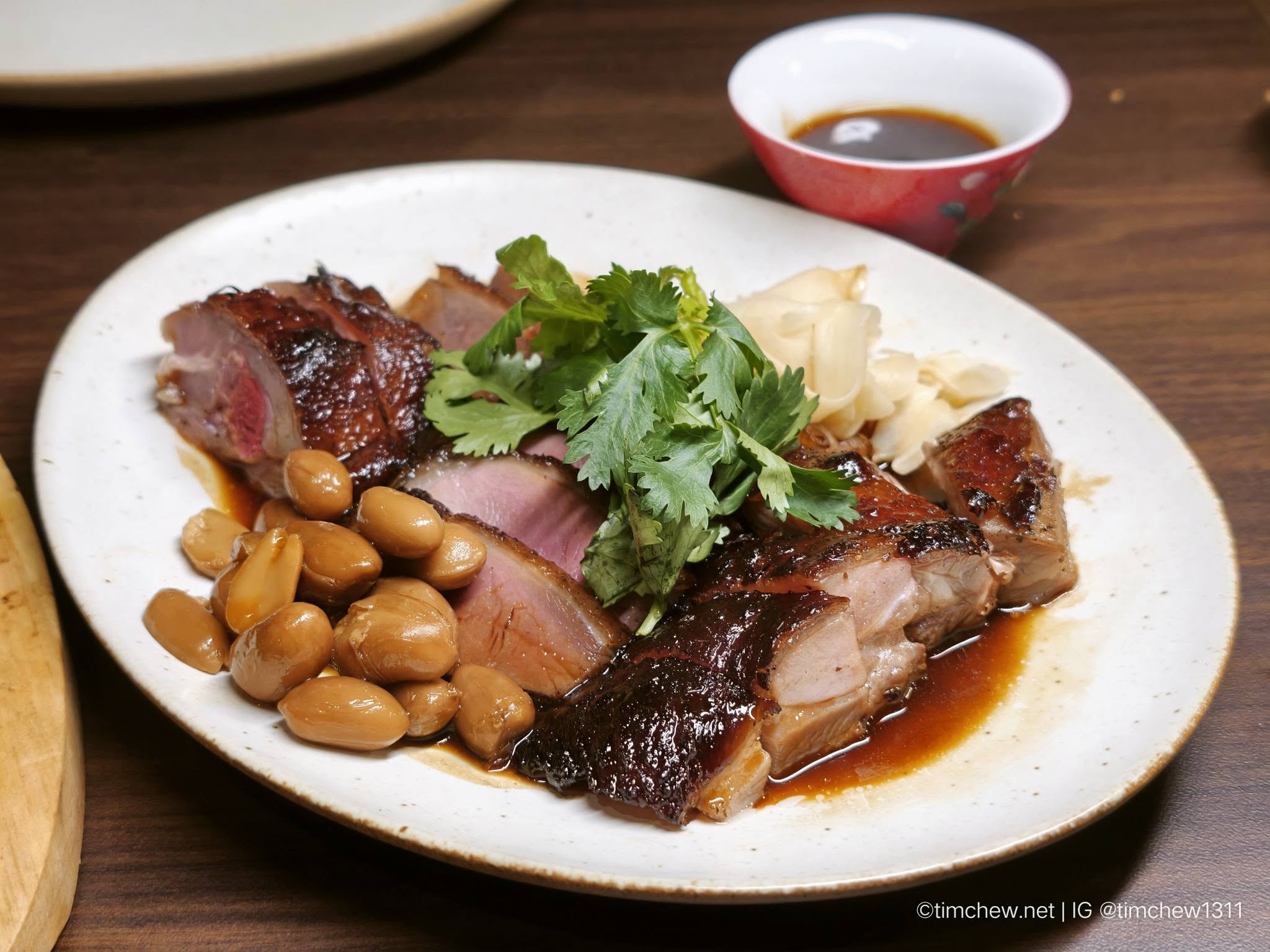
For mains, the THB Signature Roasted Duck came as a single portion (RM58), its skin rendered down to a shattering crackle over meat that stayed moist throughout, plated with pickles, peanuts and a jus that pooled at the base. The pickles cut cleanly through the richness, while the peanuts added a crunch that kept every bite from feeling one-note.
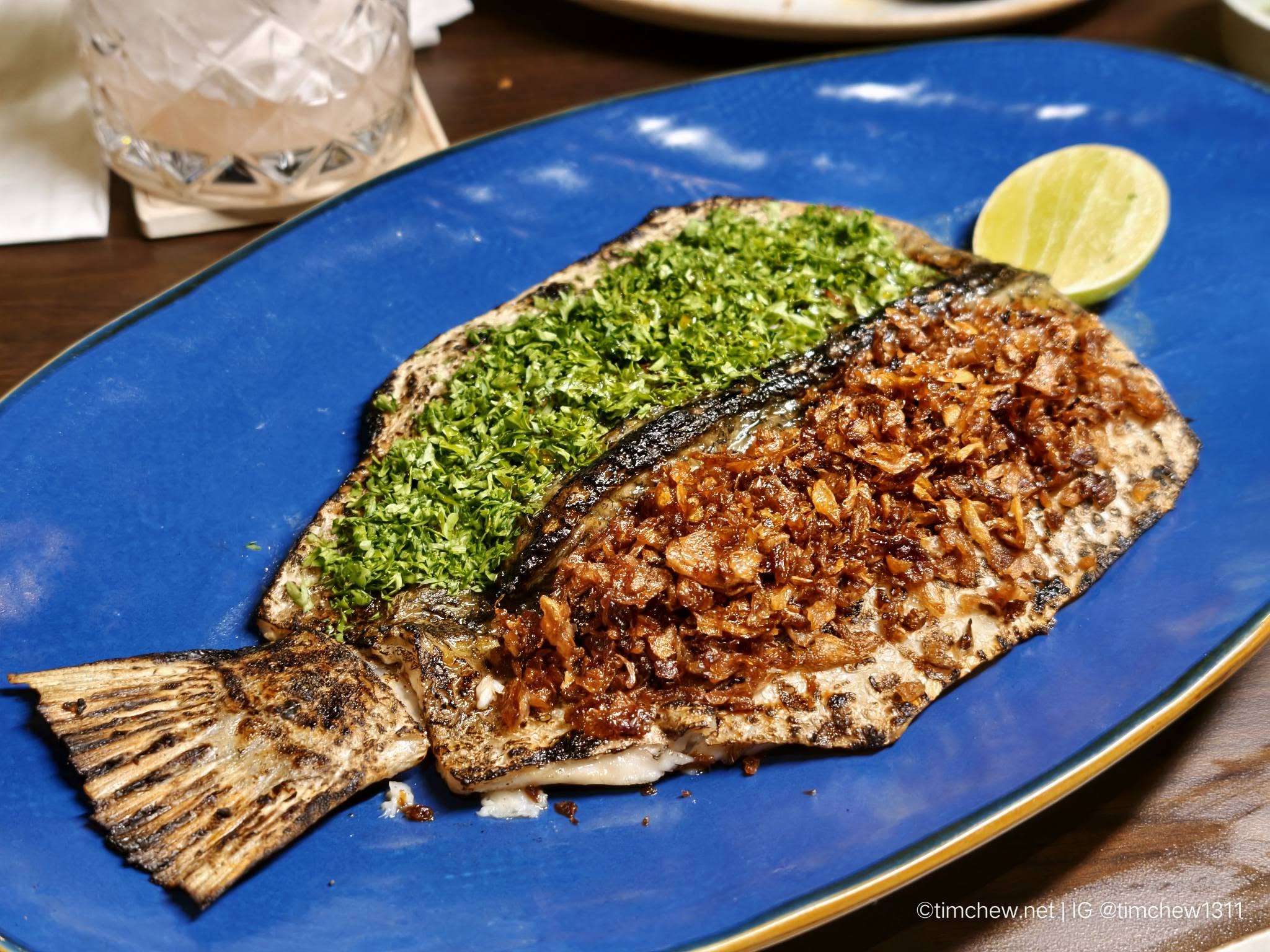
The grilled seabass (RM48), dressed in sauce vierge and tomato, offered the meal’s lightest touch — flesh that flaked cleanly under the fork, set against a dressing that stayed bright and herbaceous rather than heavy, a deliberate breather between richer courses.
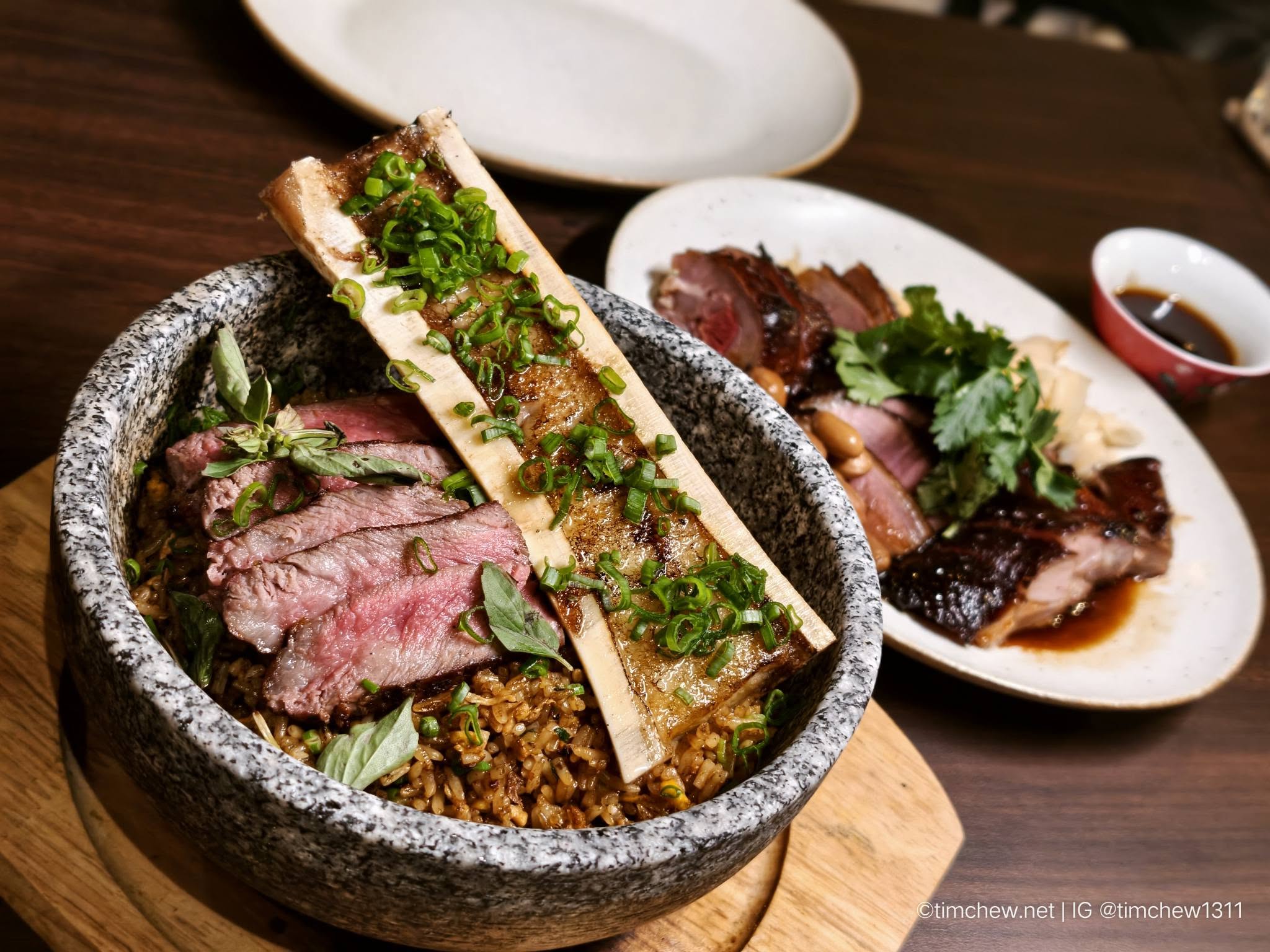
The beef and bone marrow fried rice (RM68) closed the savoury line-up, and proved the dish of the night. Grass-fed beef and rendered bone marrow were worked through the grains until each spoonful carried a rounded, almost decadent weight — rich enough that smaller portions made more sense than large ones. The omelette soufflé and the roasted duck followed close behind as the meal’s other standouts.
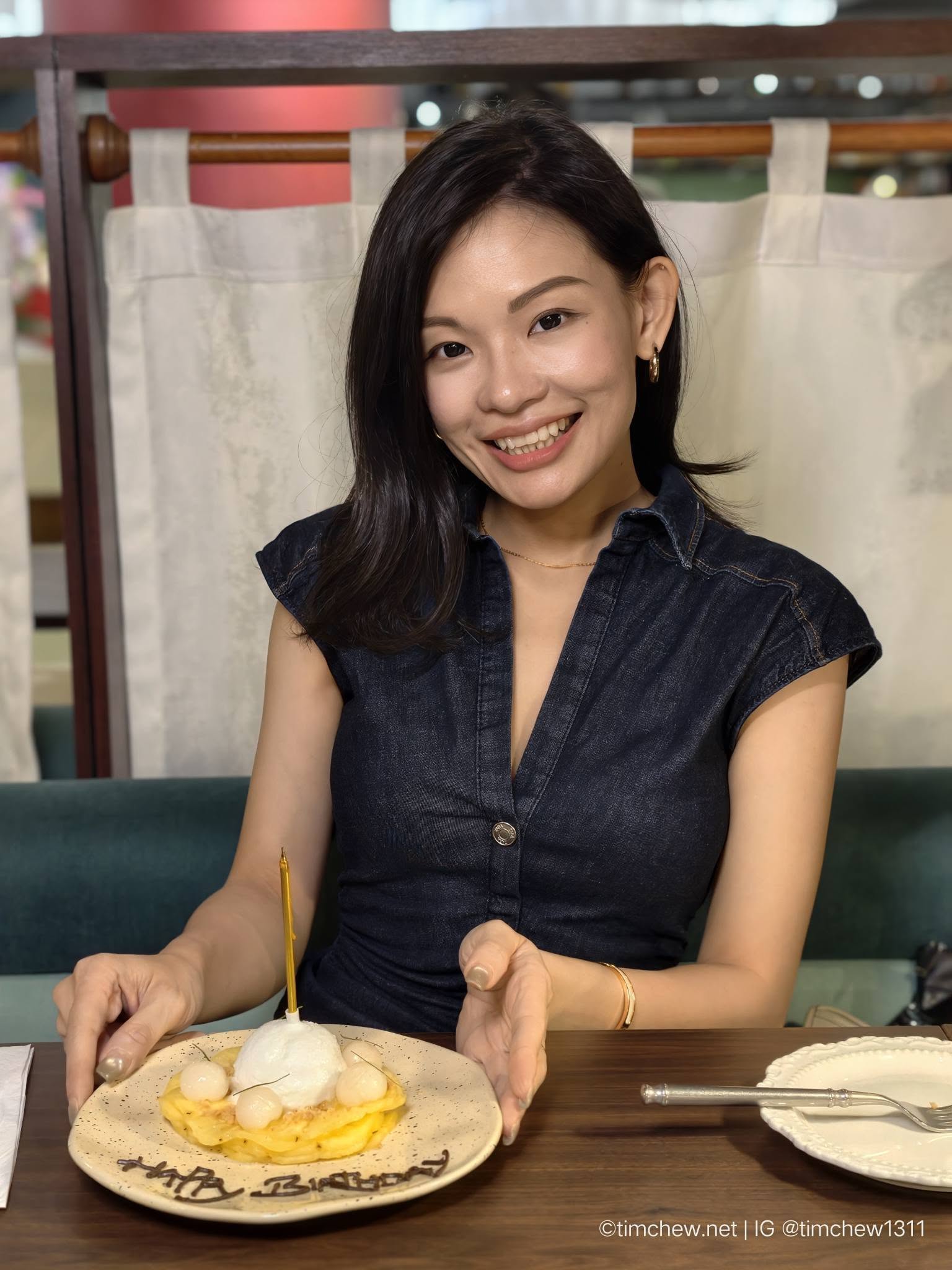
Dessert came in the form of a pineapple carpaccio (RM22), thin-cut fruit laid beneath kaffir lime and a scoop of sorbet, the citrus cutting cleanly against the sweetness of the pineapple to close the meal on a bright, palate-resetting note.
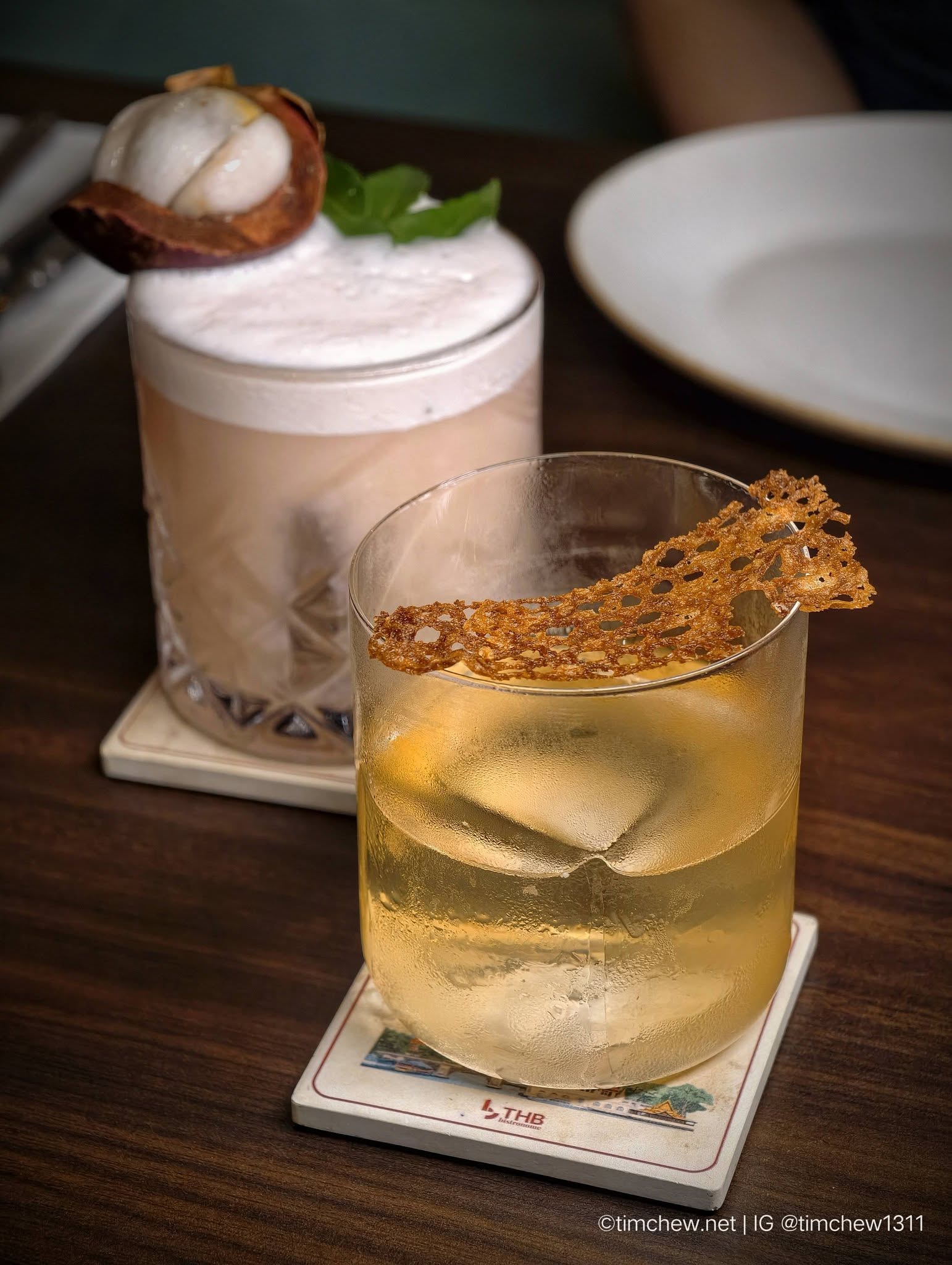
Two cocktails from THB Bistronome’s in-house mixology programme rounded out the meal. Both are the work of resident mixologist Lee, runner-up at the MONIN Cup Malaysia 2026, who has built a signature cocktail collection around durian and mangosteen — Malaysia’s so-called King and Queen of Fruits.
The Musang King translates the pungent, custard-like richness of the durian into cocktail form, layering complexity onto a lingering finish. The Mango Steen takes a gentler route, built around the interplay between mango and mangosteen for a brighter, more tropical profile. Both are described by the restaurant as seasonal creations exclusive to THB Bistronome, part of its wider “Paris meets Bangkok” identity.
Durian- and mangosteen-based cocktails remain a novelty on most Malaysian bar menus, and both drinks held up well beyond the gimmick of their fruit base, each showing a clear hand behind the balance of flavour.
Across the six dishes and two cocktails sampled, the kitchen’s French-Thai pairing came through as a considered idea rather than a novelty, with the bone marrow fried rice, the soufflé and the roasted duck emerging as the standouts of the meal — a fitting stop on the last leg of our time with the Kia Sportage.
Beyond the food, the space itself is worth noting. It’s the kind of setup that works equally well for a family gathering or a date night, and the restaurant can also be booked out in full for private corporate events. For businesses in the Klang Valley looking for a venue beyond the usual hotel ballroom, THB Bistronome offers a distinct alternative: a concept-driven menu, a considered room, and a location convenient to PJ’s Section 19 and 13 business districts.
THB Bistronome is located on the Mezzanine Floor, Menara Access World, Jalan 19/3, Seksyen 19, 46300 Petaling Jaya, Selangor
Hours: Daily, 11am to 11pm
Contact: thbbistronome@gmail.com | +60 19-878 9309
For more info, head over to https://www.facebook.com/profile.php?id=61581897854294
Kia Sales Malaysia loaned this vehicle for the purpose of this review.
Photos shot by the author using the vivo X300 Pro

 timchew.net
One thought on “Weekend with the Kia Sportage 1.6T High (Part 2): Dinner at THB Bistronome Petaling Jaya”