EDITOR’S NOTE: The views and opinions expressed in this interview are those of Chef Kazi Hassan in a personal capacity and do not represent the official position of Hilton Singapore Orchard or the Hilton Hotels & Resorts group. This feature was conducted as part of the Leadership Lessons Revealed 2026 editorial series on timchew.net.
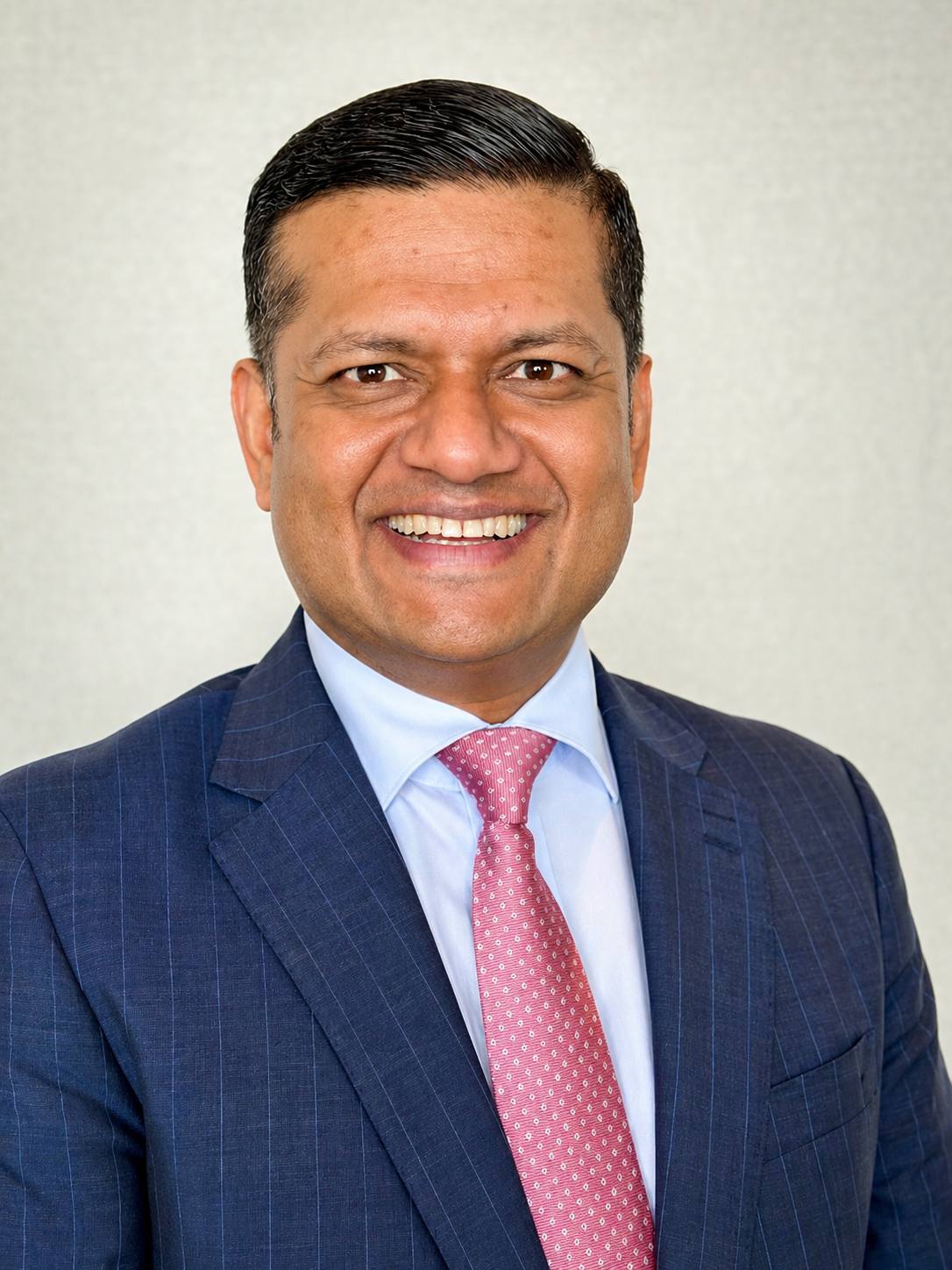
There are chefs who cook. And then there are chefs who lead.
Chef Kazi Hassan belongs firmly in the second category — though his journey to get there is precisely what makes his story worth telling. In an industry that often defines its talent by what comes out of the kitchen, Kazi has spent the better part of two decades quietly, deliberately, expanding the definition of what a hospitality professional can and should be.
We first crossed paths early during his tenure at Hilton Kuala Lumpur, where he returned in 2020 as Executive Chef following earlier stints across Southeast Asia. The hospitality industry in Malaysia was facing its most challenging period with lengthy lockdowns due to the COVID-19 pandemic, which forced many hotels to innovate to survive.
Over media previews and unhurried conversations about food, service and the industry at large, what struck me most was not his technical command — though that was evident — but his curiosity. He asked questions. He held opinions. He spoke about hospitality the way academics speak about a discipline they love.
That instinct, it turns out, was not incidental. It was intentional.
Today, Kazi Hassan holds the title of Director of Food, Beverage and Culinary Operations at Hilton Singapore Orchard — Hilton’s flagship and largest property in Asia Pacific, a 1,080-room hotel that demands not just culinary excellence but commercial acuity, operational scale and genuine people leadership. It is, by any measure, one of the most consequential F&B roles in the region.
The path that brought him here spans more than 20 years and five countries, threading through some of the most respected kitchens and hotel corridors in the world. Born in Bangladesh and raised in Australia, Kazi identifies as a modern Australian chef — one who carries his Bangladeshi heritage in his palate, particularly in his affinity for spices and aromatic depth. His formative years were spent in Melbourne, where over seven years he sharpened his craft in international hotel environments and learned the realities of large-scale banquet operations — the unglamorous engine room of professional hospitality.
From Melbourne, his career took him to Doha, where he served as Chef de Cuisine at Market Restaurant by the celebrated American chef Jean-Georges Vongerichten — a MICHELIN-starred posting that expanded both his technical vocabulary and his understanding of what fine dining demands at an international level. Subsequent roles brought him through Sydney, Kuala Lumpur, Singapore and Colombo, each assignment adding a new dimension: renovation management, concept development, team leadership across language and cultural divides.
He joined Hilton in 2014 as Executive Sous Chef at Hilton Kuala Lumpur, overseeing a brigade of more than 200 chefs and stewards across 10 food and beverage outlets. A year later, he was appointed Executive Chef at Hilton Colombo in Sri Lanka, where he spearheaded the complete redesign of the hotel’s F&B programme across six restaurants and bars. After further time in Singapore, he returned to Hilton Kuala Lumpur in 2020, raising the bar on the property’s culinary offerings and driving its sustainability agenda — before his appointment to Singapore Orchard in September 2024.
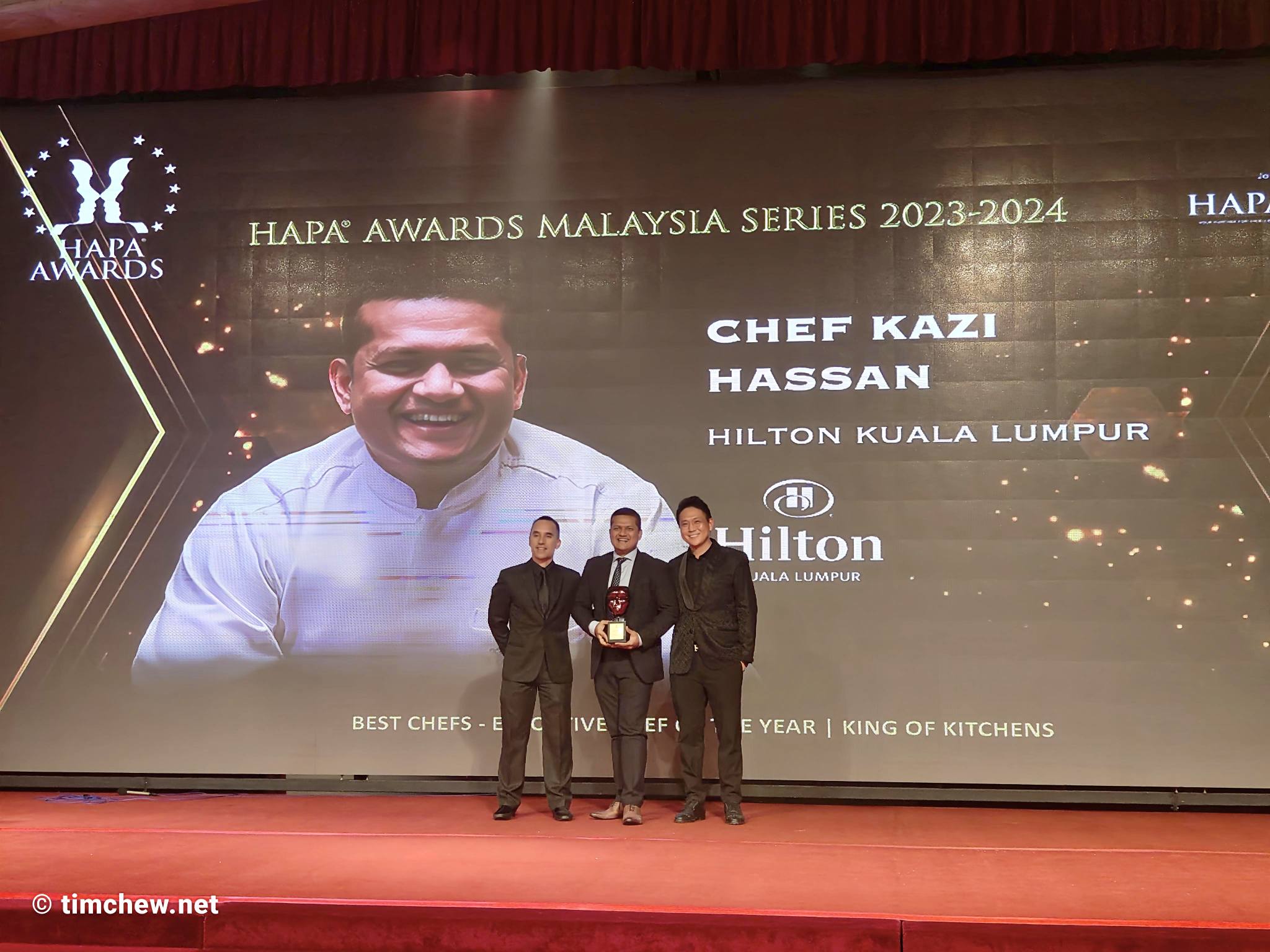
In 2023, his peers and the industry formally recognised what many had long observed: he was named Chef of the Year at HAPA® Malaysia, one of the country’s most respected hospitality accolades.
What sets Kazi apart from many of his contemporaries, however, is not the awards or the postings. It is his commitment to learning as a professional obligation. He holds a Master of Philosophy in Food Studies from the University of Toulouse in France, and has since completed a Master’s degree in International Hospitality and Tourism — a deliberate investment in the intellectual scaffolding he believes every serious hospitality leader requires.
“There is more beyond the kitchen,” he says — and he means it not as a provocation but as an invitation. For the next generation of chefs and hospitality professionals who may be wondering what comes after the stove, his career offers a compelling and honest answer.
This is not a story about cooking. It is a story about the discipline of becoming a leader — and why that process never really ends.
LEADERSHIP LESSONS
Tim Chew: What makes dining at your establishment/ property an experience worth seeking out?
Chef Kazi: Dining today is no longer just about the plate—it’s about how the guest feels before, during, and after the meal. What makes the experience worth seeking out is the intentionality behind every decision: the sourcing, the storytelling, the pacing, the people delivering it.
Coming from a culinary background, I’m deeply rooted in food quality, but my perspective has evolved. I now look at dining as a holistic ecosystem—culinary craft supported by service culture, sustainability, operational discipline, and emotional connection. When all of these align, guests don’t just dine; they remember.
Tim Chew: What sets your establishment/ property apart from your competition?
Chef Kazi: Scale with soul — and that’s not easy to achieve.
What sets us apart is the ability to lead an exceptionally diverse F&B ecosystem under one roof, without losing identity or intent. In one place, we bring together Singapore’s iconic Chatterbox, the discipline of Michelin-starred Shisen Hanten, Nancy Silverton’s Californian Italian cuisine at Osteria Mozza, one of the city’s most recognised buffet experiences at Estate, refined afternoon tea at GingerLily, and a banquet operation that ranges from grand celebrations to intimate weddings.
Behind the scenes, it requires strong structure, commercial rigour, and clear decision-making. For the guest, it must feel effortless — warm, consistent, and genuine. I don’t chase trends; I focus on relevance, responsibility, and longevity. Delivering that level of authenticity across such a scale is rare — and that’s what truly differentiates us.
Tim Chew: How would you describe your leadership style, and how has it evolved over time?
Chef Kazi: Earlier in my career, leadership was about excellence through personal drive. Today, it’s about excellence through others. My style has evolved from being hands-on and execution-focused to being outcome-driven, trust-based, and intentionally developmental. I lead with clarity, context, and accountability, but also with empathy. I don’t need to be the smartest person in the room anymore. My role is to create leaders who are smarter, braver, and more confident than I was at their stage.
Tim Chew: What are the most important skills a leader must have today?
Chef Kazi: Clarity, courage, and adaptability. The world is moving too fast for rigid leadership. Leaders must be able to make decisions with imperfect information, communicate clearly during uncertainty, and stay grounded in values while remaining commercially sharp. Emotional intelligence is not optional anymore—it’s a business skill.
Tim Chew: How do you motivate and inspire your team during challenging times?
Chef Kazi: By being present and honest. People don’t need motivational speeches during tough periods—they need clarity, fairness, and consistency. I make it a point to explain “why” decisions are made, what success looks like, and how each person matters in the bigger picture. When teams trust your intent, they will walk through fire with you.
Tim Chew: What kind of work culture do you believe drives high performance and employee motivation?
Chef Kazi: A culture of high standards and high care. People thrive when expectations are clear and support is real. Psychological safety does not mean low standards—it means people feel safe to speak up, experiment, and learn without fear.
Tim Chew: How do you handle conflicts or disagreements within your team?
Chef Kazi: Directly and early. Conflict ignored becomes culture. I encourage healthy debate, but once a decision is made, alignment is non-negotiable. Respectful disagreement strengthens teams; unresolved tension weakens them.
Tim Chew: What habits or routines have contributed most to your success?
Chef Kazi: Reflection and discipline. I regularly step back to review decisions, outcomes, and behaviours—my own included. Continuous growth requires self-awareness. I also protect time to learn, whether through reading, conversation, or formal education.
Tim Chew: How do you maintain work-life balance as a leader?
Chef Kazi: I see balance as integration, not separation. There are intense periods, and there are moments to slow down. What matters is being present—fully engaged where you are. Leadership is demanding, but burnout helps no one.
Tim Chew: What advice would you give to aspiring leaders and professionals in the hospitality industry?
Chef Kazi: Learn the fundamentals before chasing titles. Stay curious, stay humble, and understand that leadership is earned daily, not granted once. Invest in yourself—not just professionally, but intellectually and emotionally.
Tim Chew: Can you share a failure or setback you experienced and how you overcame it?
Chef Kazi: Early in my career, I equated effort with effectiveness. I worked harder instead of smarter. That led to fatigue and limited impact. Over time, I learned that impact comes from alignment, delegation, and trust. That lesson reshaped how I lead today—and why I continue to grow beyond my original identity as a chef.
.
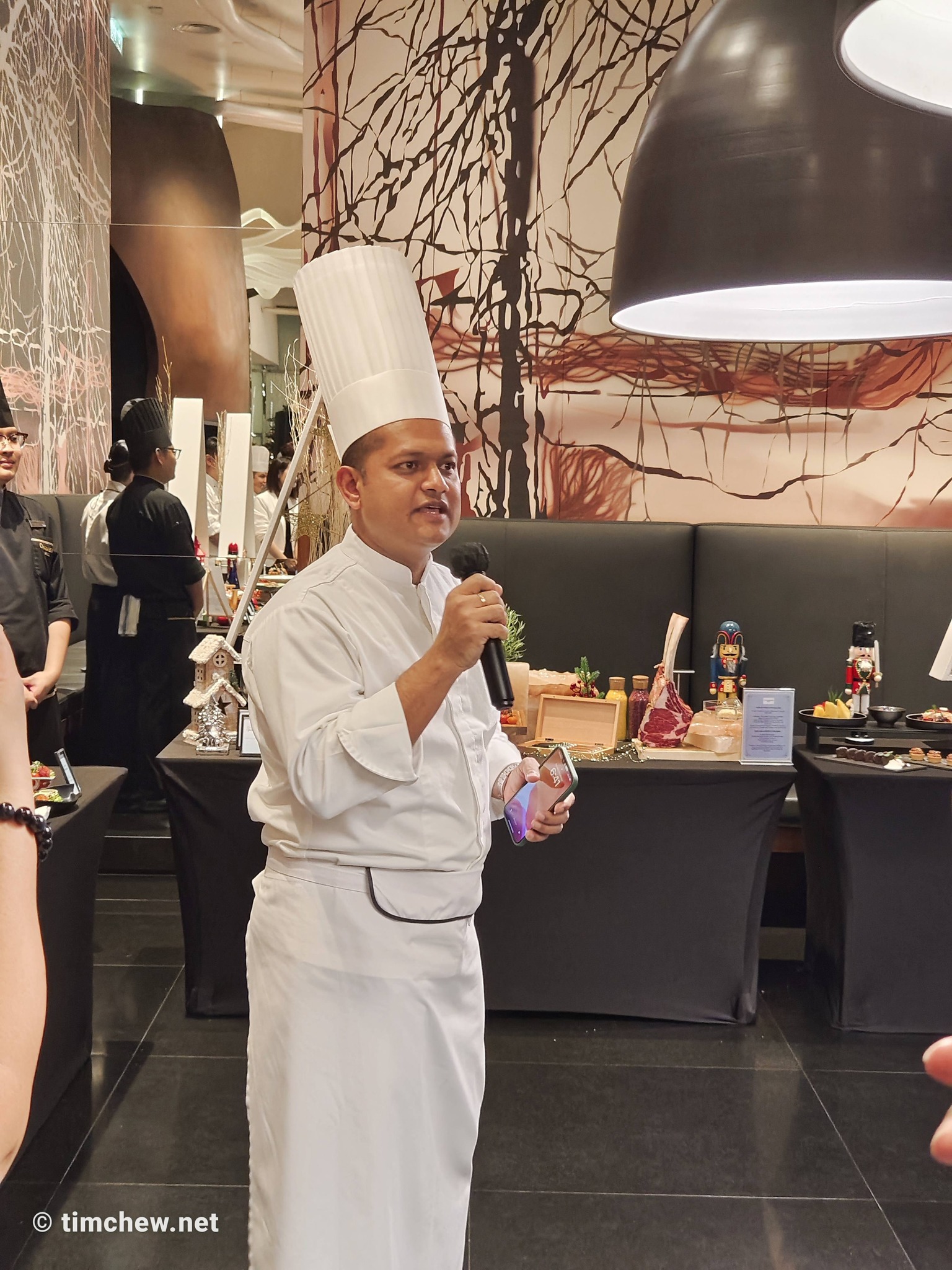
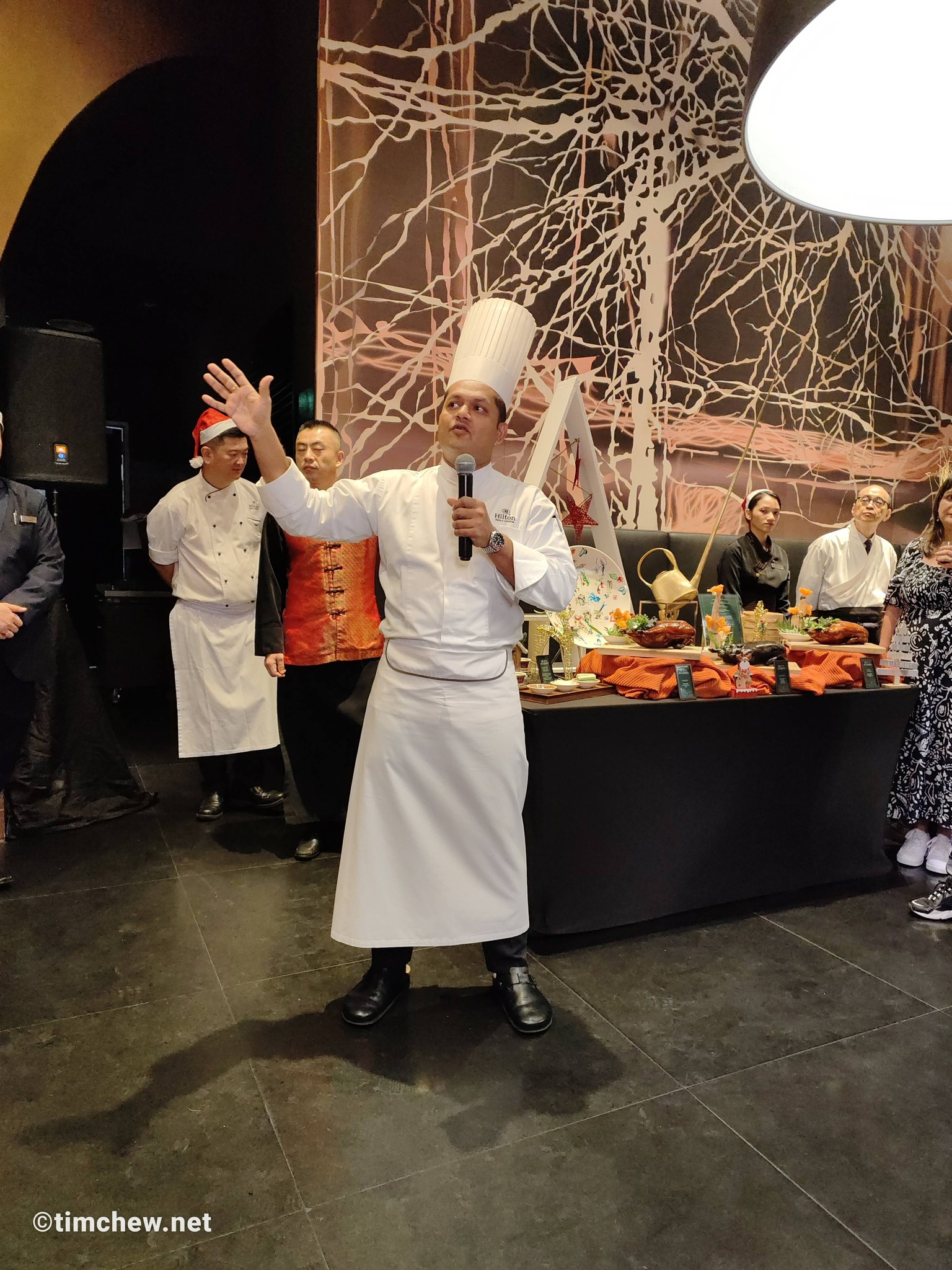
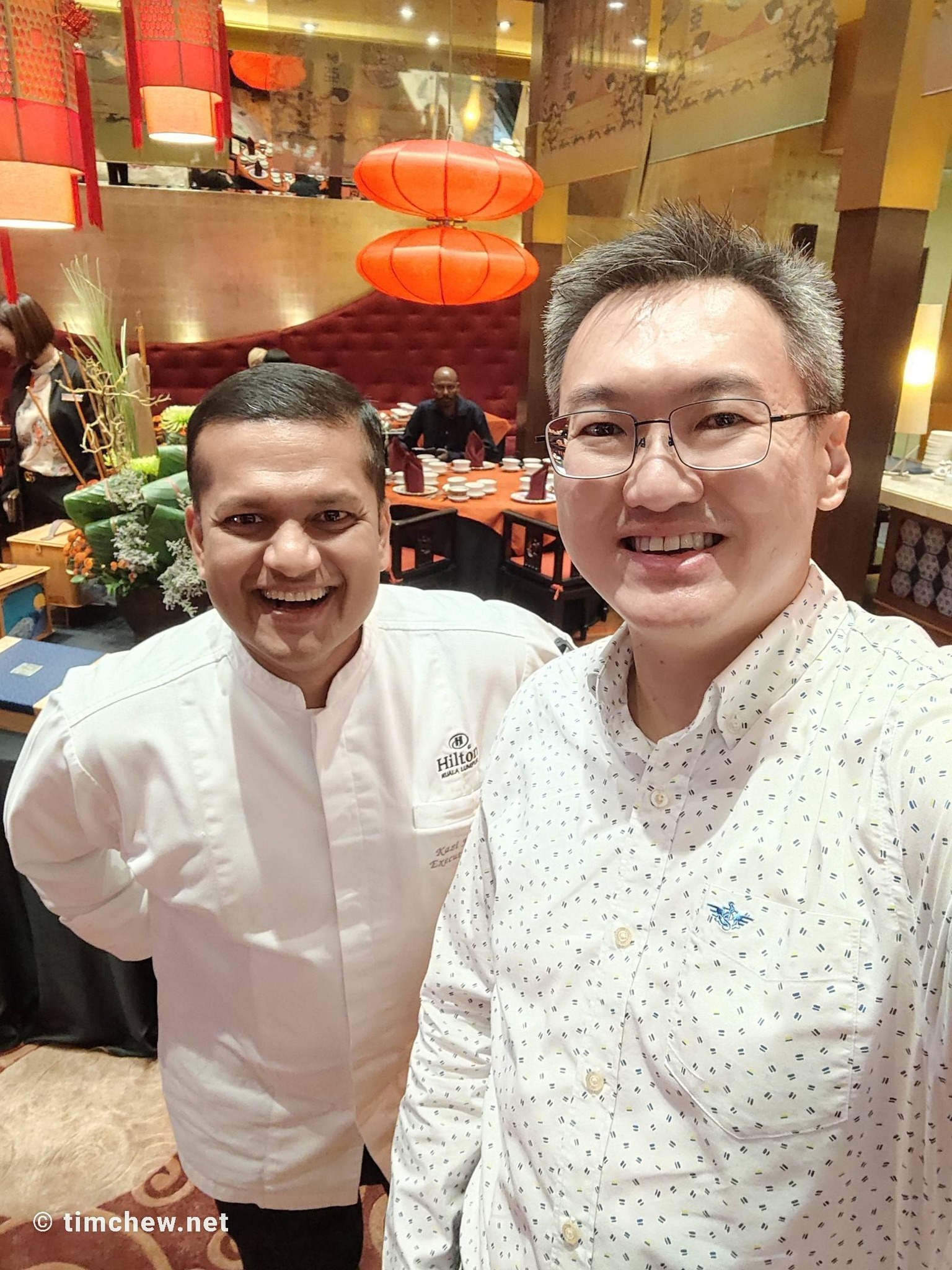
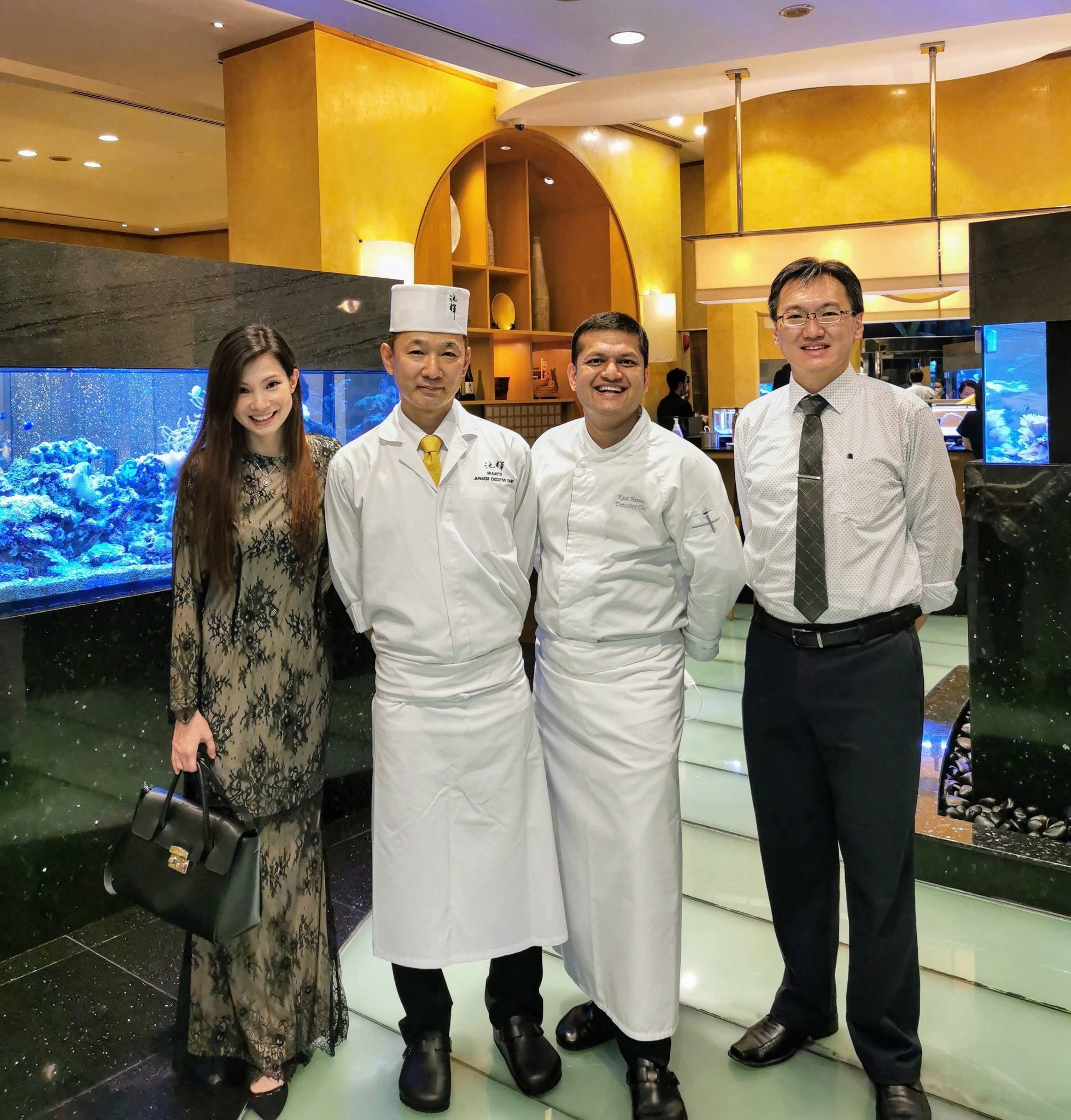
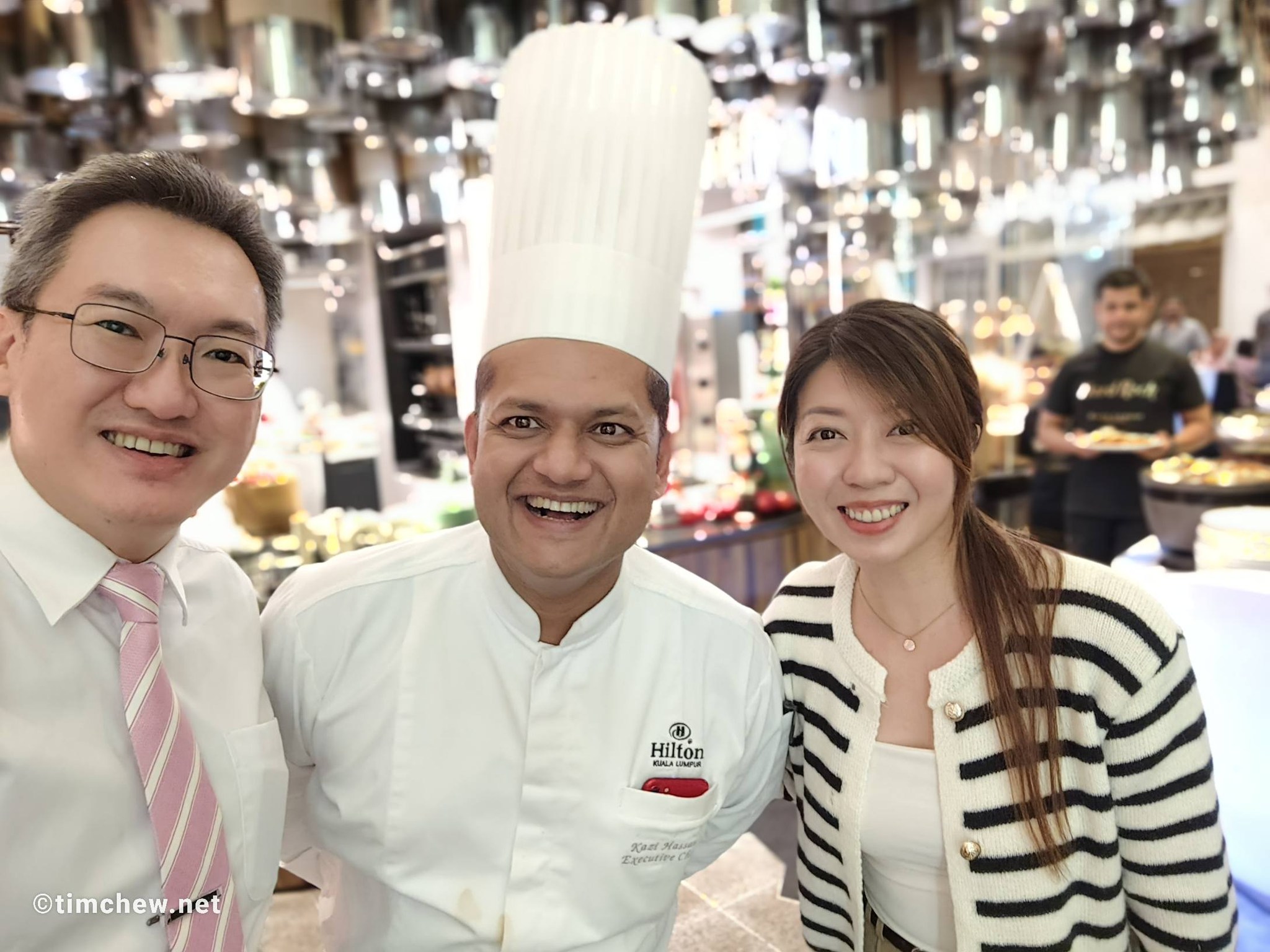
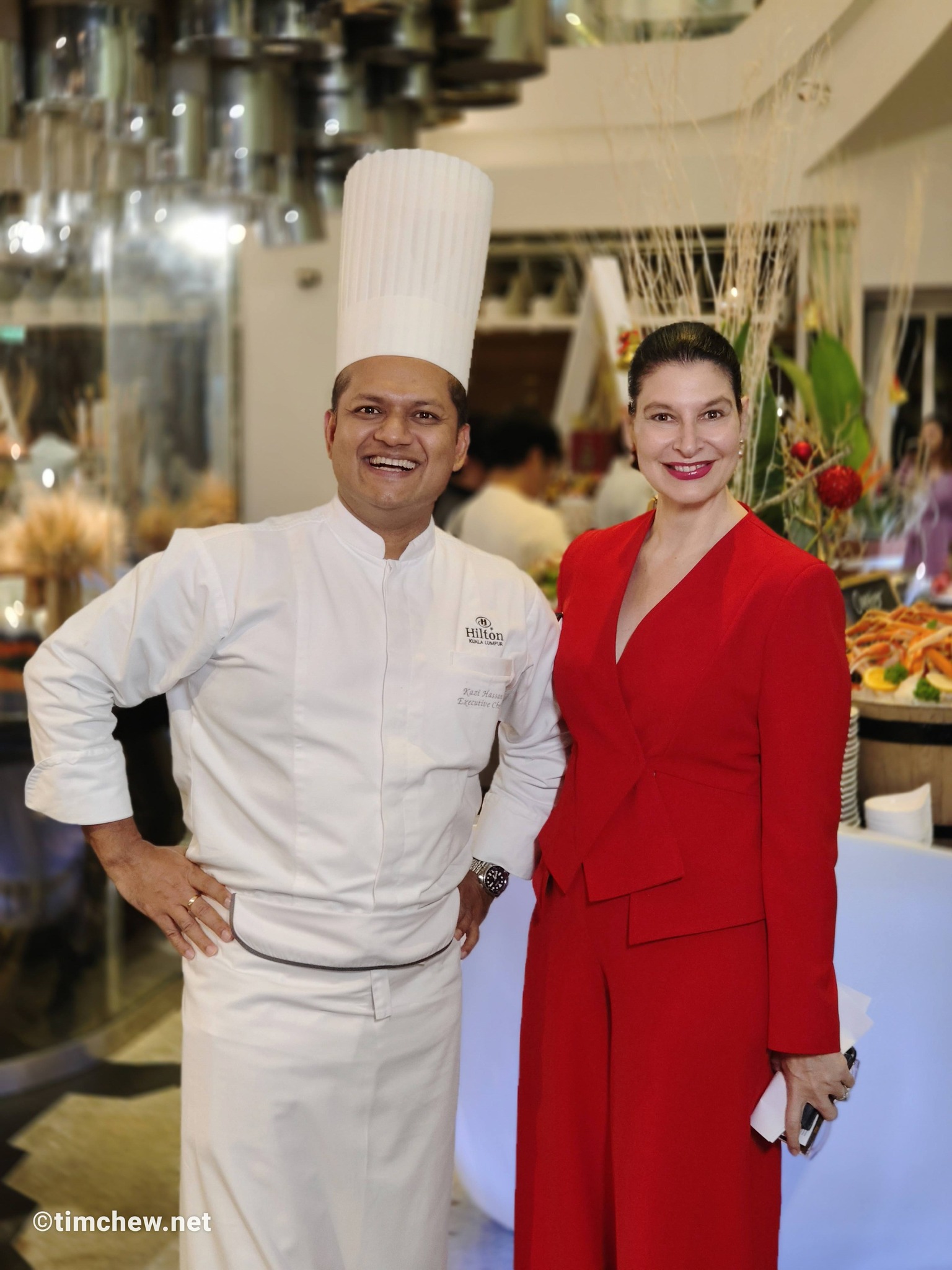
Corporate portrait provided by Chef Kazi. All other photos are by the author.

 timchew.net