Malaysia’s Affluent Investors Rank Among World’s Highest AI Adopters in Finance, HSBC Survey Finds
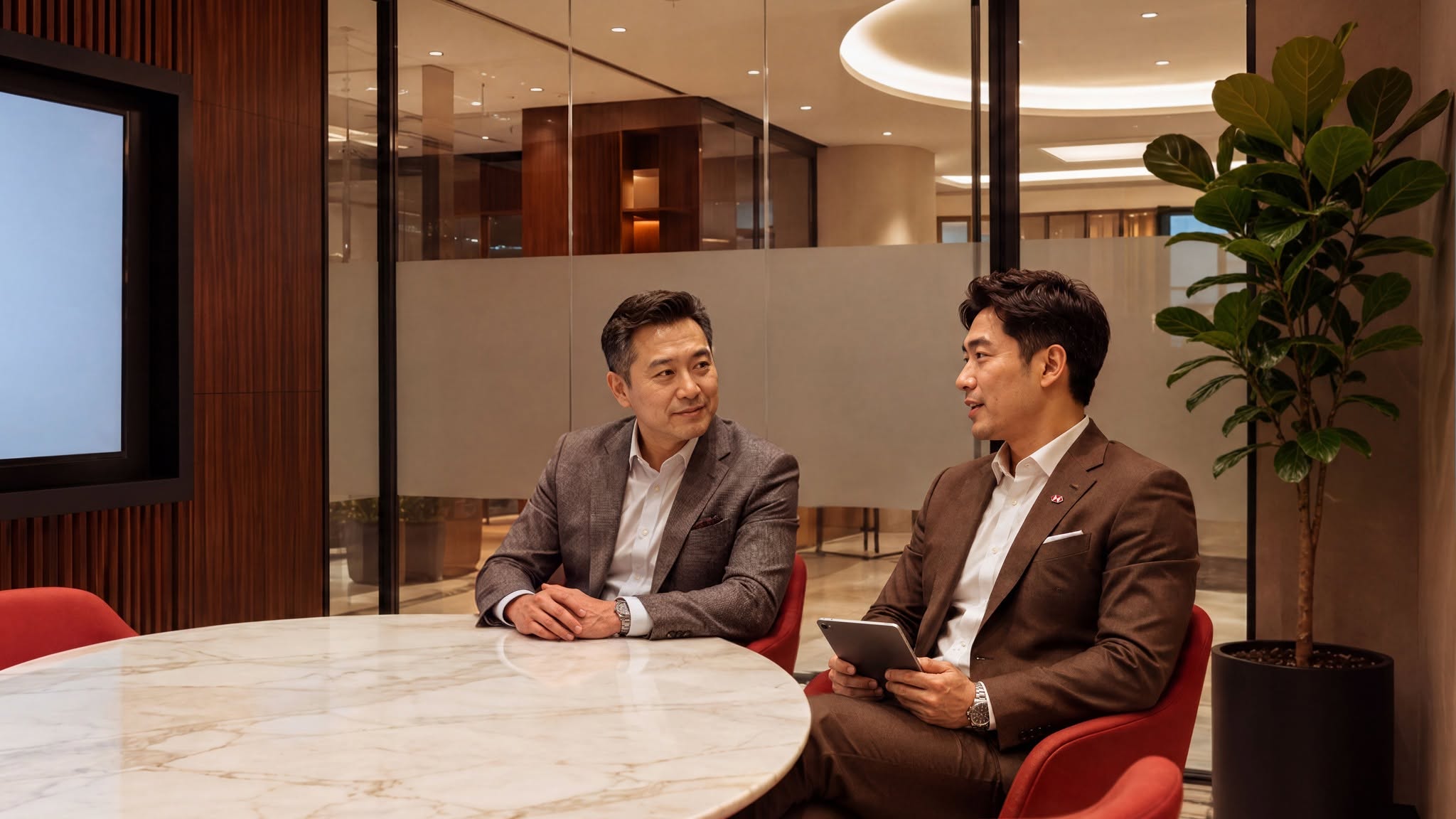
Malaysia’s affluent and high-net-worth investors are among the world’s heaviest users of artificial intelligence for financial and investment decisions, according to a new survey commissioned by HSBC, though more than half still want human professionals involved when it comes to making those decisions.
The survey, conducted by research firm Ipsos on behalf of HSBC, covered roughly 10,000 affluent and high-net-worth individual investors across 10 markets. It found that 85 per cent of Malaysian respondents use AI for finance, placing the country among the top three markets surveyed for AI adoption in finance, level with mainland China, also at 85 per cent, and behind only India at 86 per cent. The global average across the 10 markets was 73 per cent.
Beyond finance, the survey found that 64 per cent of Malaysian respondents use AI for work and career purposes, and the same proportion use it for personal development.
Despite the high adoption rate, the survey found that financial professionals and institutions remain the leading source of investment ideas for these investors, cited by 65 per cent of respondents, and the most influential factor in their investment decisions, at 39 per cent — more than double the 16 per cent who cited AI tools as most influential.
Asked why they turn to financial professionals and institutions when making financial decisions, 85 per cent of respondents cited reassurance, and 76 per cent cited strategic expertise. That expertise, according to the survey, includes spotting mistakes in AI-generated data, cited by 31 per cent of respondents; providing personalised interpretation of complex data, also cited by 31 per cent; and applying professional judgement and validation, cited by 30 per cent.
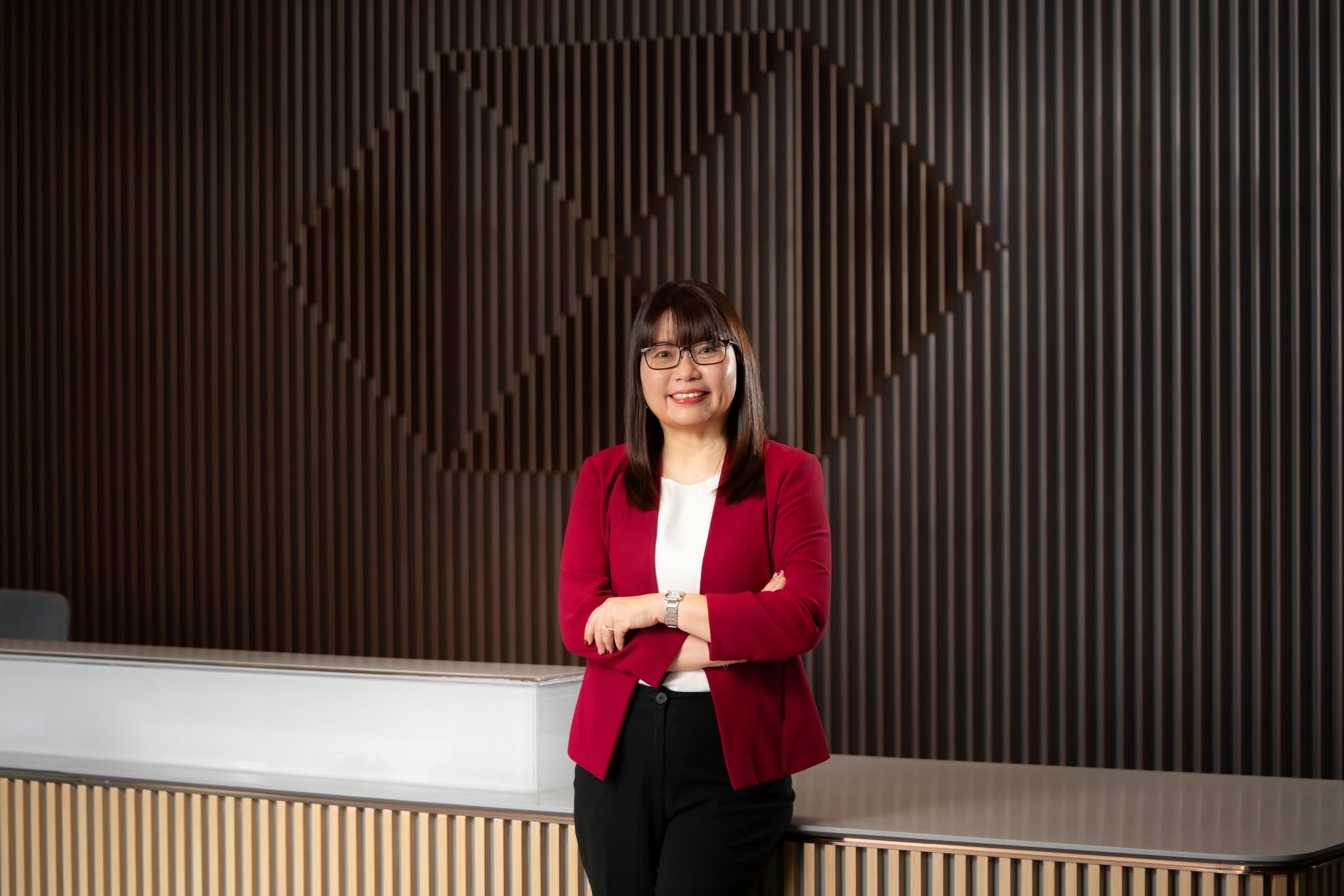
“Technology gives us speed, but human connection builds trust. The future of banking lies in a seamless partnership between AI-driven insights and human expertise. By pairing advanced analytics with human relationships, we aim to support our clients with the confidence to navigate, invest and pursue growth in an increasingly complex financial landscape.”
Linda Yip, country head of international wealth and premier banking at HSBC Malaysia
Adoption of AI for financial and investment decisions varied by age group, the survey found. Millennials, aged 30 to 45, were the heaviest users at 89 per cent, followed by Generation Z, aged 21 to 29, at 86 per cent; Generation X, aged 46 to 61, at 85 per cent; and Baby Boomers, aged 62 to 69, at 78 per cent.
Even so, the survey found that high AI use had not removed the appetite for professional input in any age group. Overall, 58 per cent of respondents in Malaysia said their ideal future approach to financial decision-making was one that combined AI with human input, a pattern HSBC described as “human-AI synergy.” Among Generation Z respondents, that hybrid approach was cited specifically for analysing portfolio performance, by 61 per cent, and for generating new investment ideas, by 57 per cent. Among Millennials, both figures stood at 53 per cent.
The survey also pointed to a link between AI use and how these investors feel about their own decision-making. Fifty-seven per cent of respondents said AI use makes them feel more in control of their investments, compared with 21 per cent who said it makes them feel less in control. Fifty-four per cent said AI makes them more willing to take calculated risks, more than double the 25 per cent who said it makes them more cautious.
HSBC said it is responding to this hybrid pattern of AI and human use through Wealth Intelligence, a generative AI-enabled platform it has introduced that analyses and summarises insights from internal data sources. These include the bank’s Chief Investment Office house views, market commentary and analysis of unit trust funds, which HSBC said is intended to help relationship managers hold more effective conversations with customers.
HSBC said the platform reflects a wider effort to develop AI tools for both customers and staff, with the aim of giving relationship managers information that is timely, relevant and practical when discussing clients’ investment decisions. The bank said insights generated by Wealth Intelligence are for internal use by relationship managers only, and that the platform does not itself provide investment advice or recommendations directly to customers.
According to HSBC, the survey drew on responses from 9,993 affluent and high-net-worth individual investors aged between 21 and 69, with minimum investable assets of 100,000 US dollars and 2 million US dollars respectively. It was conducted online by Ipsos Asia Limited between Jan. 6 and Feb. 6, 2026, across mainland China, Hong Kong, India, Malaysia, Mexico, Singapore, Taiwan, the United Arab Emirates, the United Kingdom and the United States.
The survey adds to a growing body of evidence that AI adoption among wealthy investors in Asia has moved well past the experimental stage, and Malaysia’s showing — level with mainland China and trailing only India among the 10 markets surveyed — suggests that pattern holds even in markets without China’s scale of homegrown AI platforms or India’s large technology workforce. What stands out in HSBC’s findings is not simply that adoption is high, but that it is high across every generation surveyed, including Baby Boomers at 78 per cent, a segment often assumed to be more cautious about new technology. That suggests wealth managers can no longer treat AI literacy as a younger-client issue when designing client communications or digital tools.
At the same time, the survey’s central finding — that financial professionals still outweigh AI tools more than two-to-one as the most influential factor in investment decisions — complicates any narrative of AI simply displacing human advisers. The specific reasons investors gave for continuing to rely on professionals are instructive for the industry: reassurance and strategic expertise ranked well above raw information-gathering, and a meaningful share of respondents specifically valued having someone able to catch errors in AI-generated data. That points to a demand less for advisers who compete with AI tools on data-crunching and more for advisers who can supervise, interpret and stand behind AI-assisted output, a distinction likely to shape how private banks and wealth managers train relationship managers and design client-facing tools in the period ahead.
HSBC’s own response, in the form of the Wealth Intelligence platform, illustrates one way banks are attempting to operationalise that finding: rather than building AI tools that interact with clients directly, the bank has positioned the technology as an internal aid for relationship managers, who remain the client-facing point of contact and, per HSBC’s own disclosure, the only source of actual investment advice. Given that more than half of Malaysian respondents said their ideal approach blends AI with human expertise rather than favouring one over the other, that model — AI working behind the scenes to sharpen what human advisers can offer, rather than replacing them outright — may prove to be the template other wealth managers in the region follow as they weigh how far to extend AI tools into their own advisory businesses.
Visual by HSBC Malaysia.


