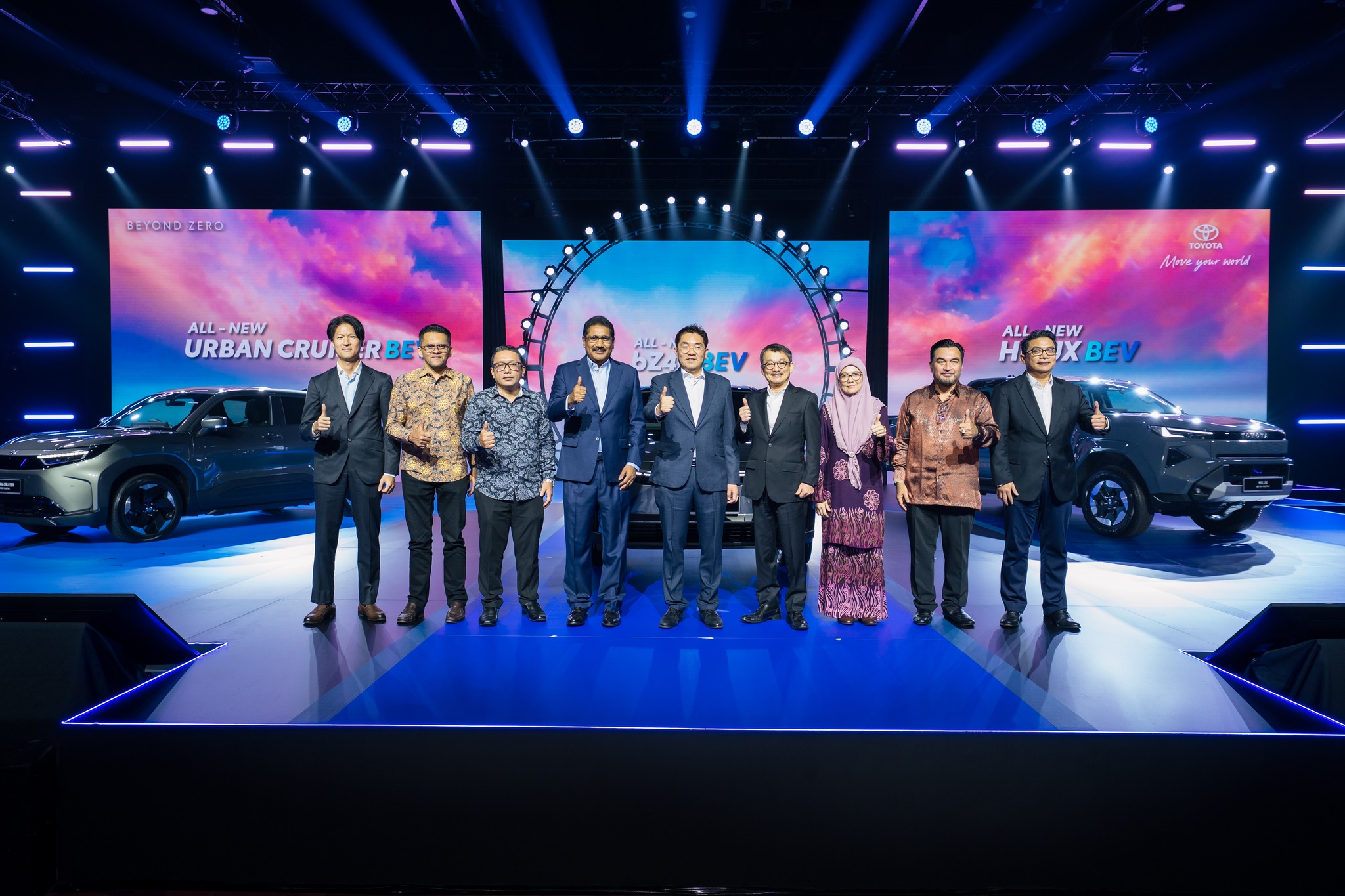
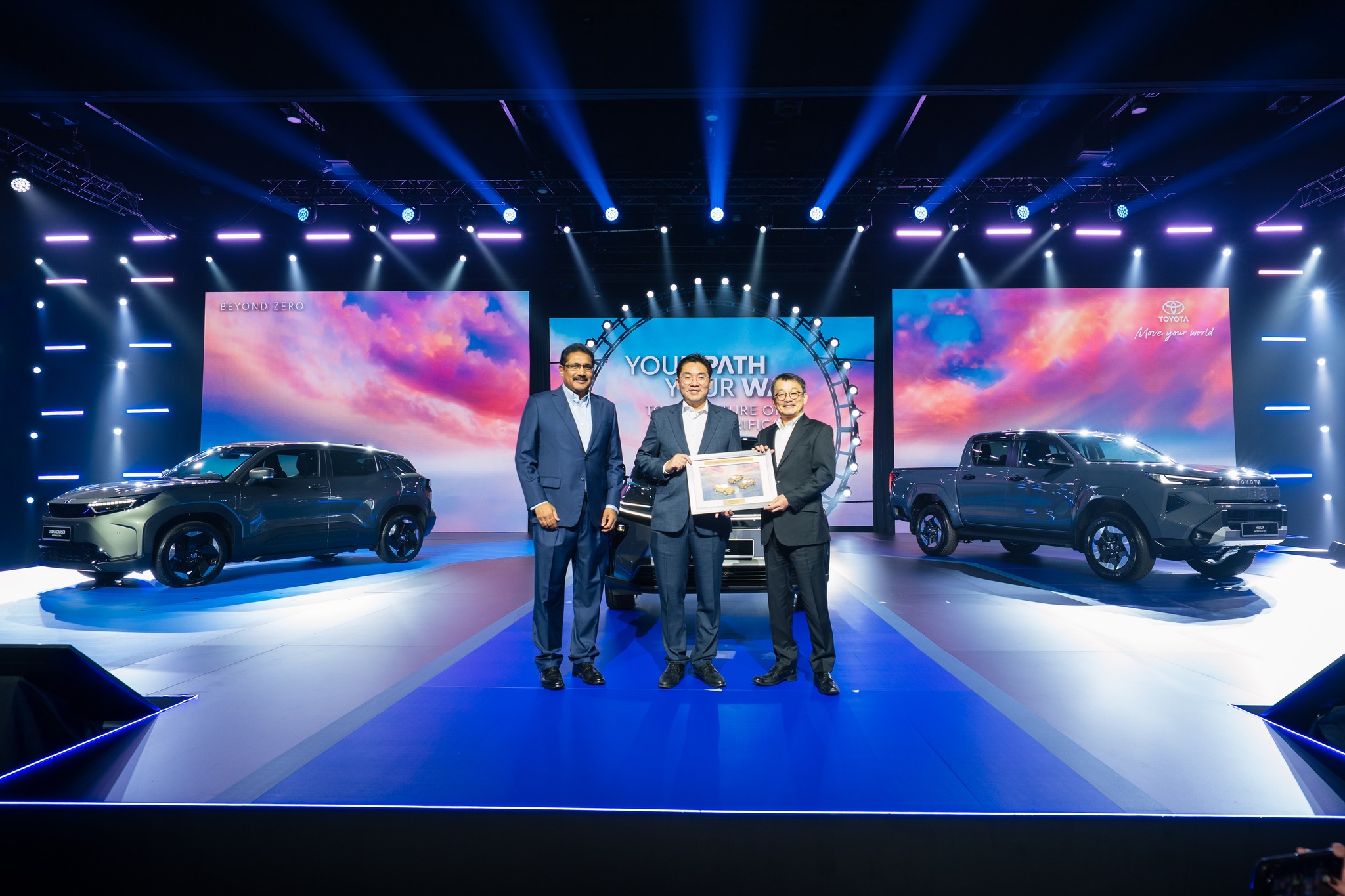
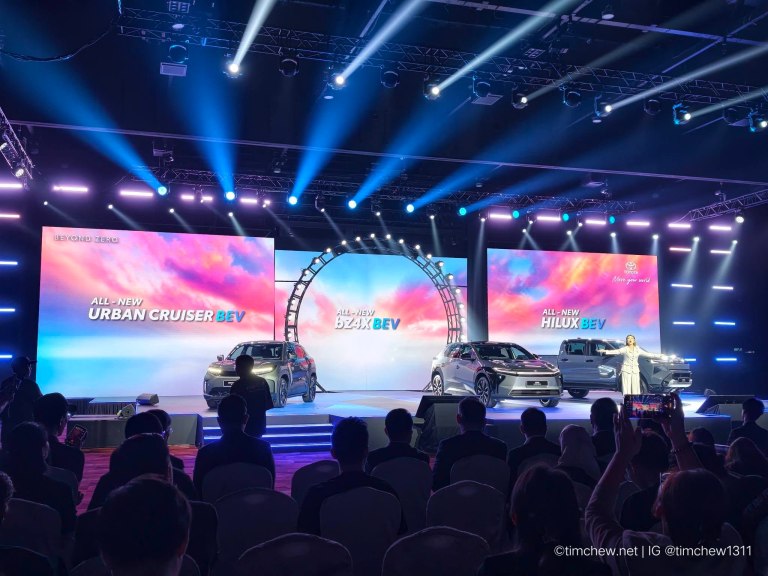
UMW Toyota Motor (UMWT) has introduced three battery electric vehicles (BEVs) to the Malaysian market on 2 April 2026, marking the company’s first foray into full battery-electric mobility as part of its broader electrification strategy. The three models — the Toyota bZ4X, Urban Cruiser and Hilux BEV — were unveiled at the Sunway Pyramid Convention Centre. The additions extend Toyota’s electrified vehicle offering across passenger SUV, compact urban and commercial pickup segments, and form part of what UMWT describes as a Multi-Pathway approach to electrification, in which multiple vehicle technologies are offered in parallel to address varying mobility needs.
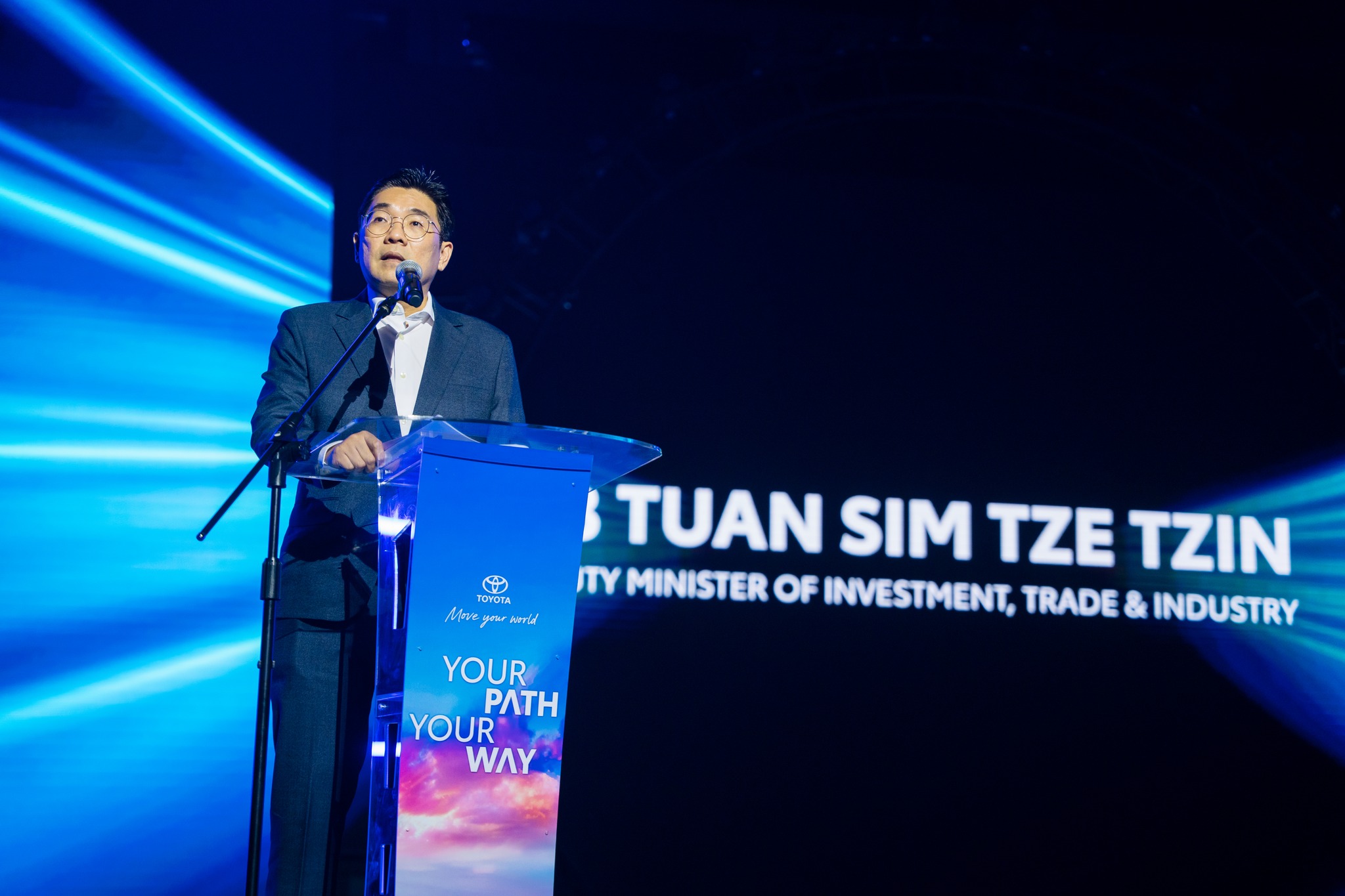
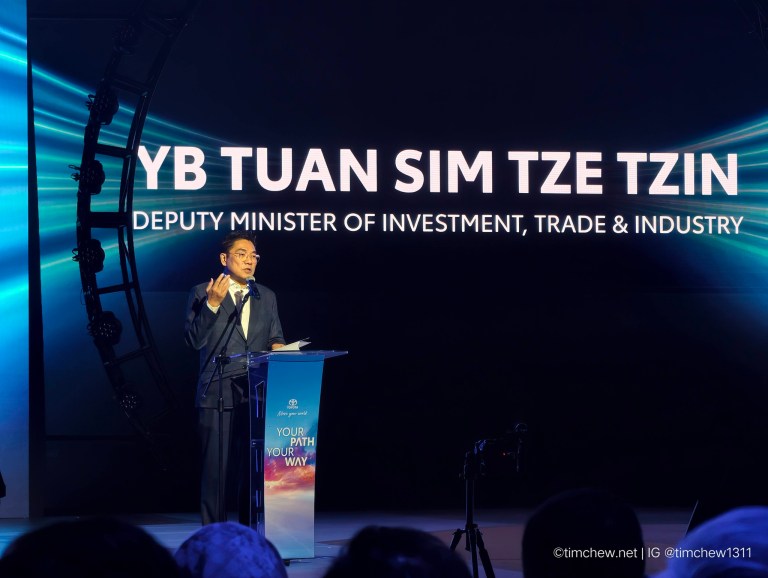
The launch was attended by Sim Tze Tzin, Deputy Minister of Investment, Trade and Industry, who said the move reflected the continuing evolution of Malaysia’s automotive industry.
“Malaysia’s automotive industry has grown into a highly integrated ecosystem connecting manufacturers, suppliers, engineers and technology specialists across the country. As the global industry transitions toward cleaner mobility, investments that introduce new technologies while strengthening local capabilities will help ensure Malaysia remains competitive as an automotive hub in the region.”
Sim Tze Tzin, Deputy Minister of Investment, Trade and Industry
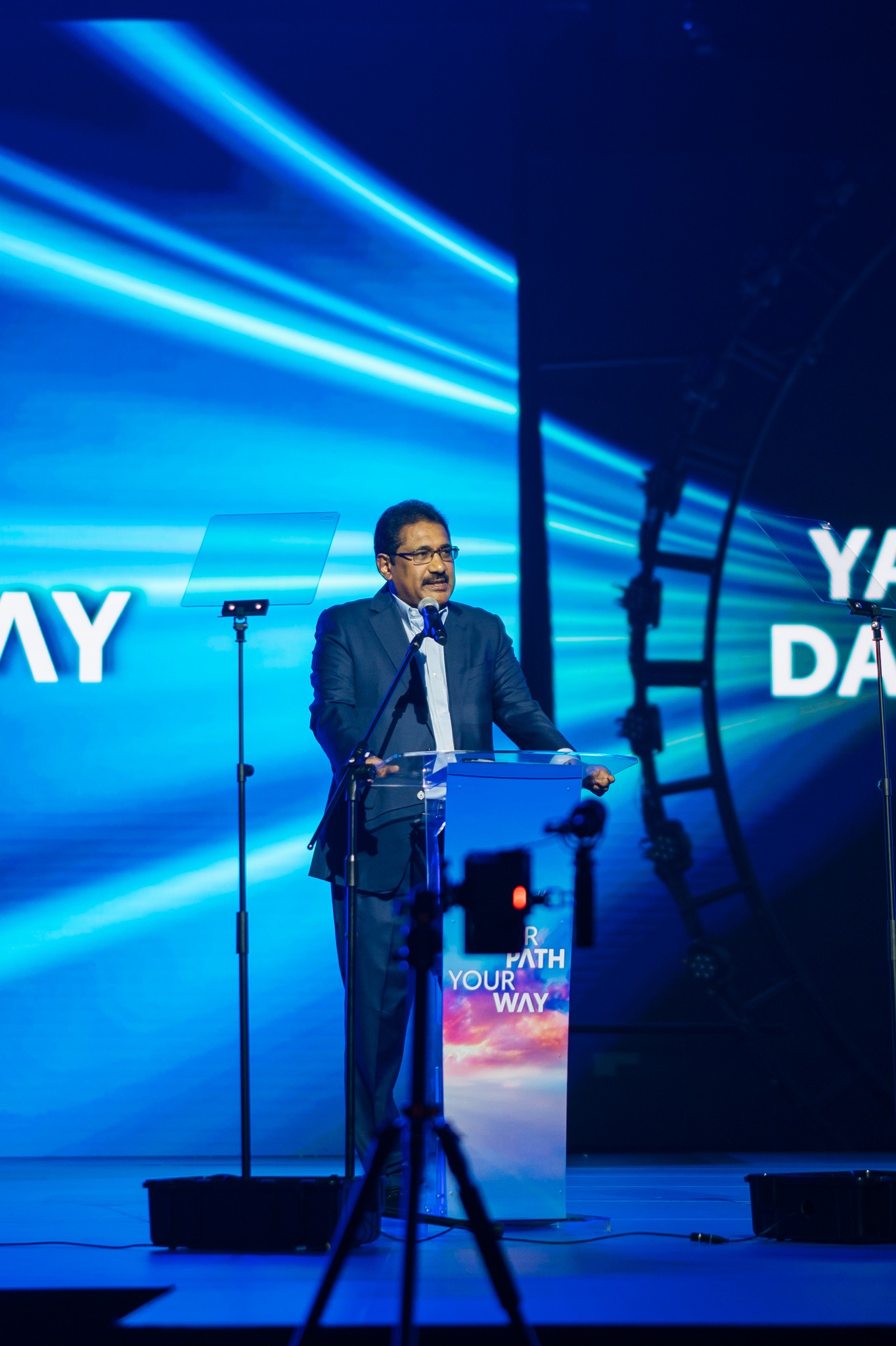
UMWT President Datuk Ravindran K. said the company’s approach to electrification was shaped by how vehicles are used in the local context.
“For Malaysia, mobility carries both economic and social importance. Vehicles here support far more than urban commuting. They connect communities across long distances and support industries that rely on dependable transport as an essential tool of productivity. Electrified mobility must therefore be introduced at the right time, in ways that genuinely benefit Malaysians and support how people and industries move every day.”
UMWT President Datuk Ravindran K
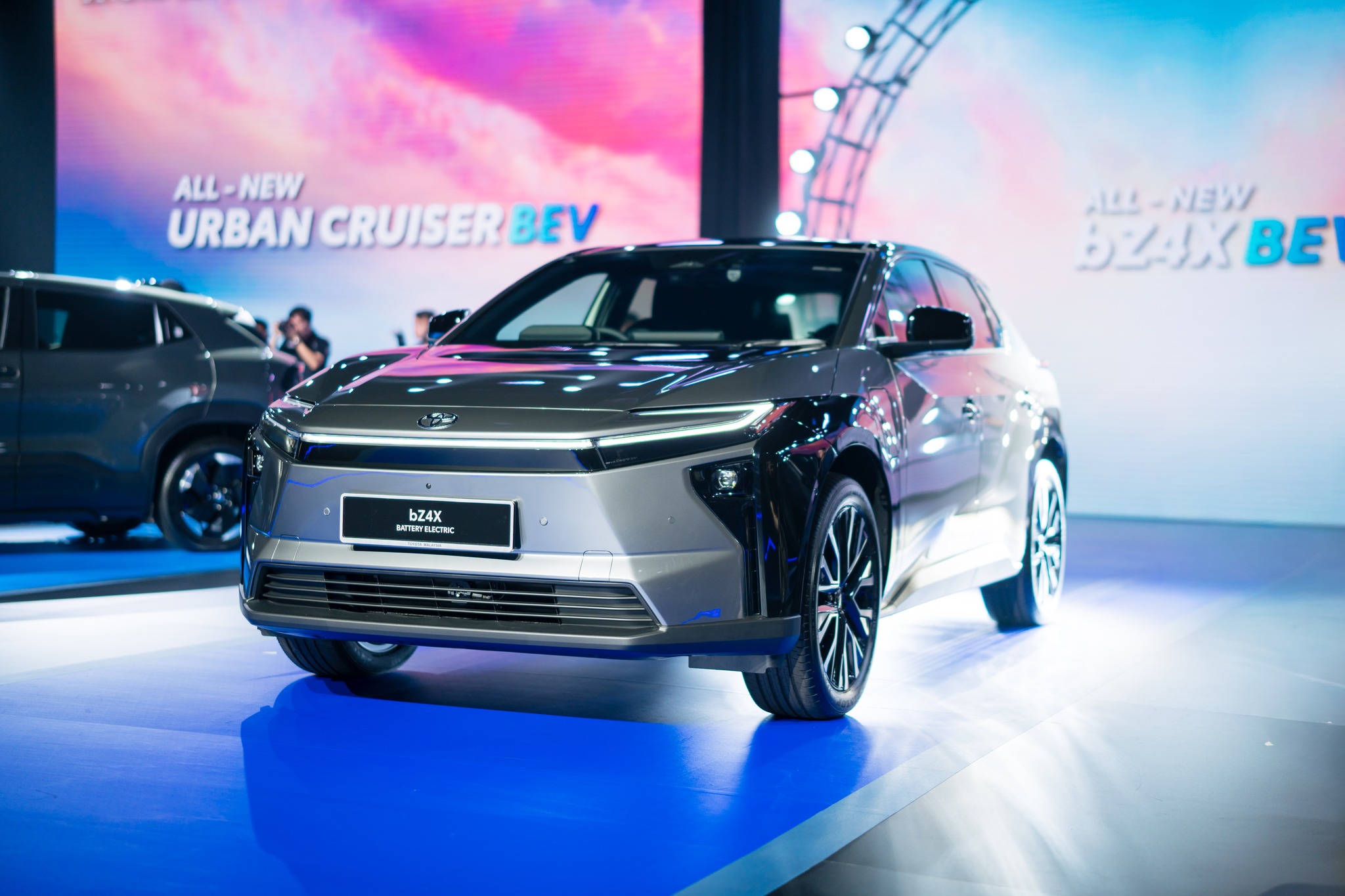
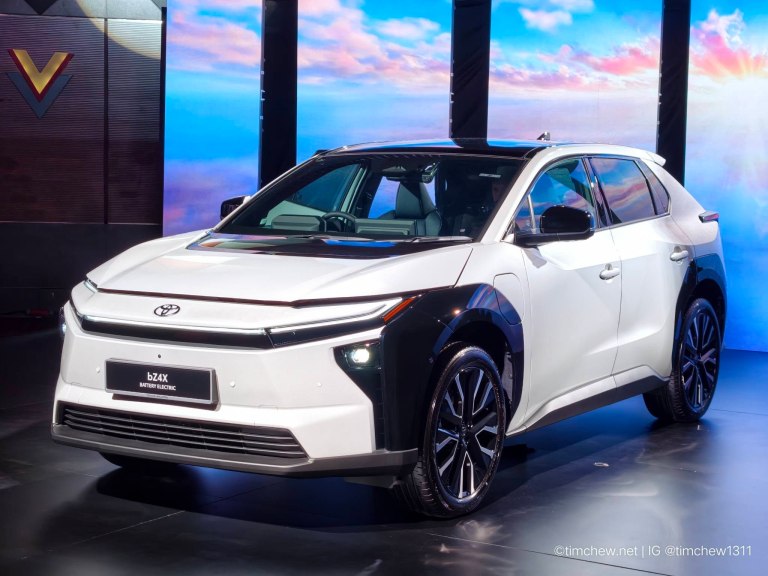
The Toyota bZ4X, priced from RM220,000, is Toyota’s dedicated BEV SUV built on a BEV-specific platform. It features a newly developed eAxle system, advanced battery temperature management, and a DC fast-charging capability. The model offers a cruising range of approximately 480 km and is equipped with a 14-inch multimedia display with voice recognition.
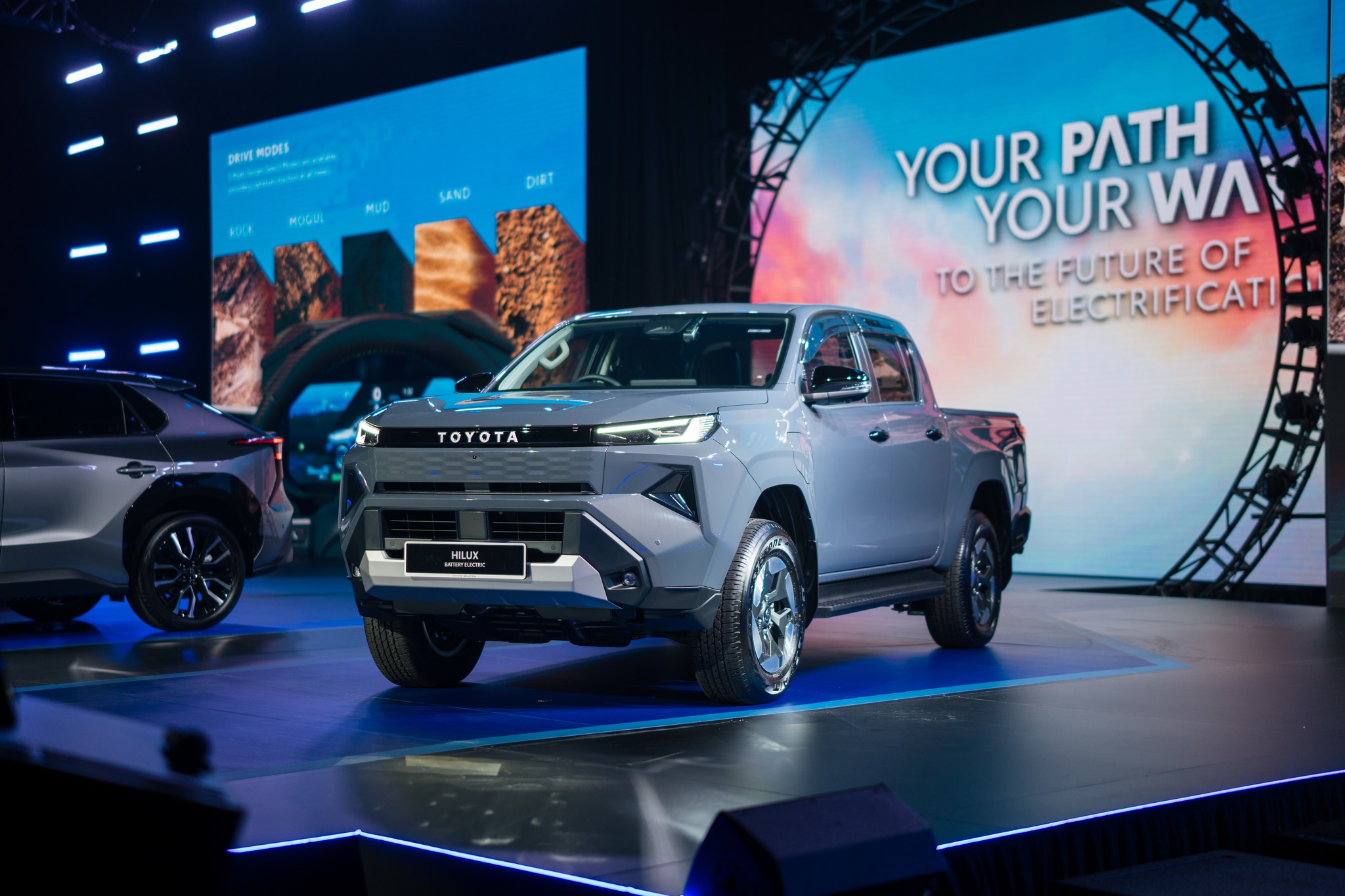
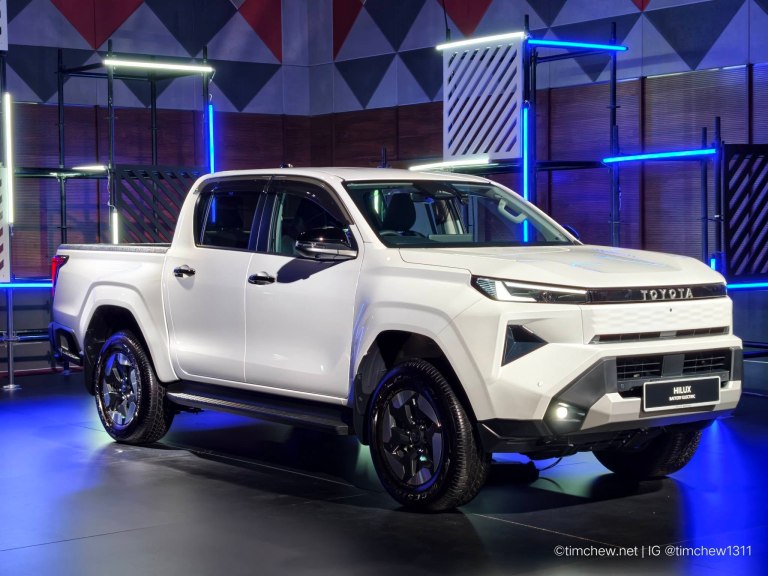
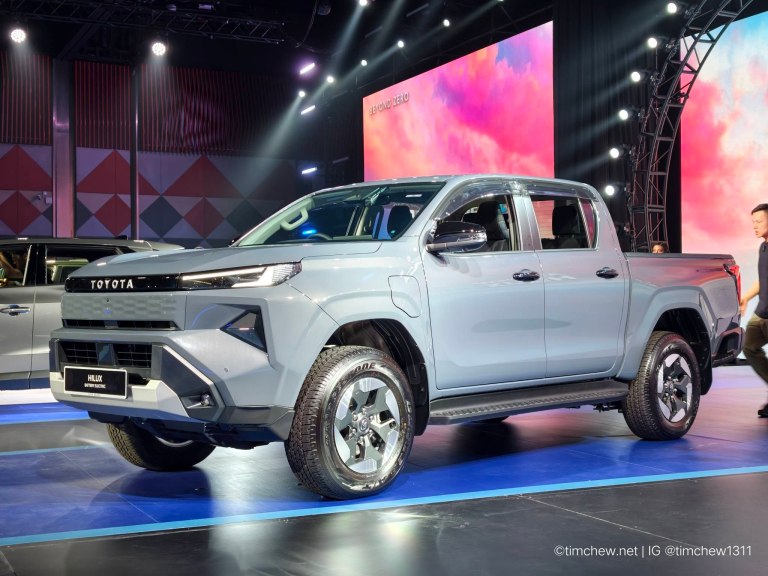
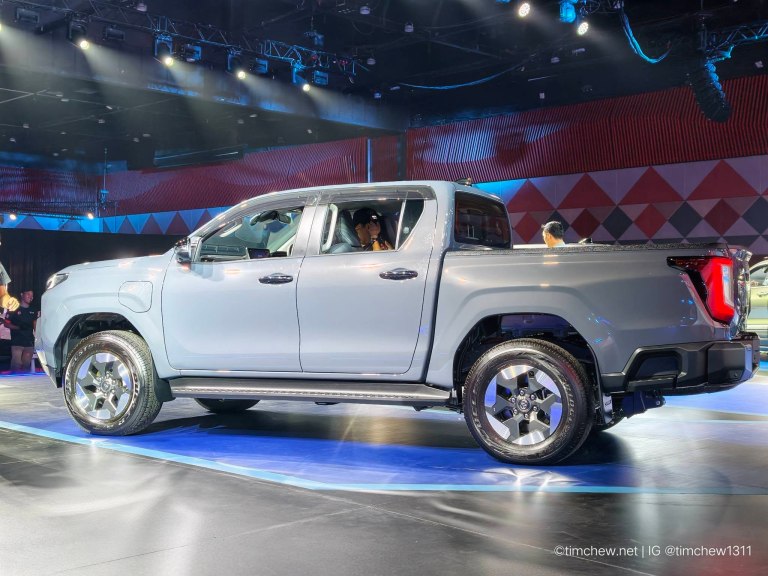
The Hilux BEV, priced from RM226,300, is described by Toyota as its first global retail pickup truck in battery electric form. Developed under a “Tough and Agile” design concept, it is equipped with a 12.3-inch TFT information display, Multi-Terrain Select, Multi-Terrain Monitor, and Toyota Safety Sense 3 driver assistance systems. The model is aimed at fleet and individual users in sectors including logistics, construction, agriculture and government operations.
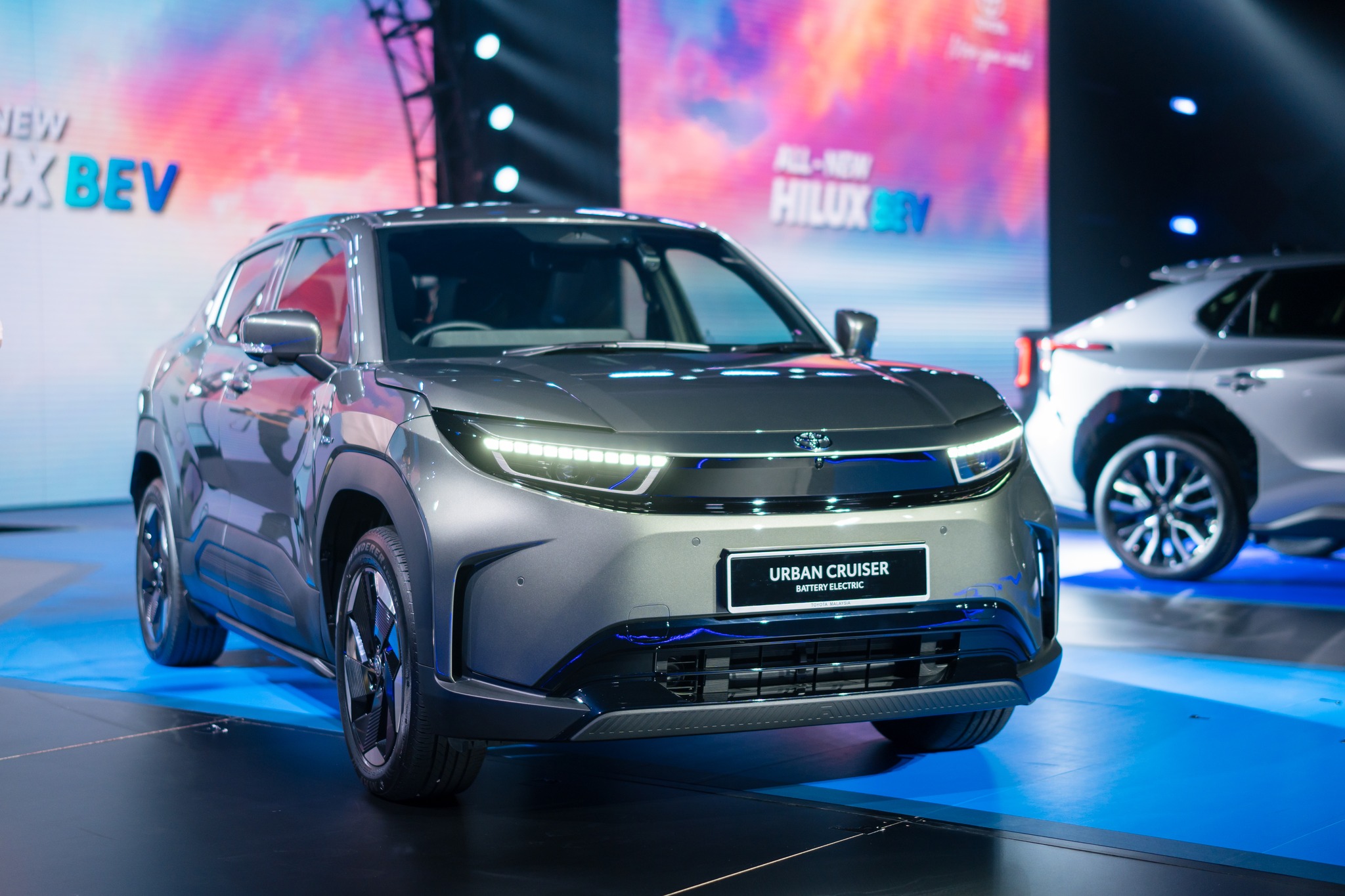
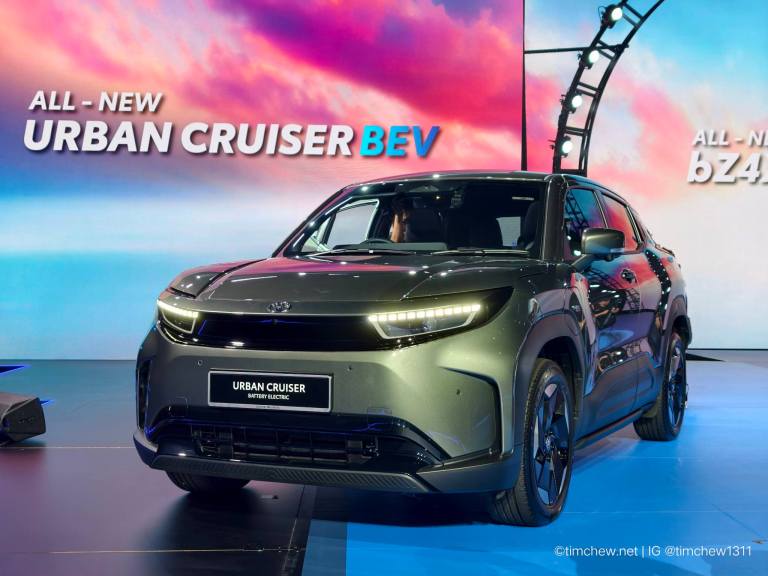
The Urban Cruiser, the most affordably priced of the three at RM198,000, is a compact electric SUV developed around what Toyota calls an “Urban Tech” design concept. The vehicle features a combined digital display integrating the instrument cluster and multimedia interface, an 18-inch wheel design, an optional panoramic roof, and a two-spoke steering wheel. It is positioned for city driving and everyday urban use.
For consumers weighing an electric vehicle purchase in Malaysia, the arrival of Toyota’s BEV lineup introduces a set of interesting factors and considerations that go beyond headline price and range figures.
Toyota’s brand standing in Malaysia is a significant factor. The company has maintained one of the country’s largest authorised service networks for decades, and for many buyers, the availability of trained technicians, genuine parts and warranty support across a wide geographic footprint addresses one of the more practical anxieties around EV ownership — what happens when something goes wrong, and where. This is particularly relevant for buyers outside major urban centres, where service infrastructure for newer EV brands remains uneven.
The three-model spread also reflects a deliberate strategy to meet buyers across different life stages and use cases, rather than targeting a single segment. The Urban Cruiser at RM198,000 sits at the more accessible end of the premium BEV spectrum in Malaysia, aimed at younger urban buyers or those entering electric vehicle ownership for the first time. The bZ4X at RM220,000 occupies the mid-range family SUV space, where buyers are likely comparing it against both other BEVs and conventional internal combustion alternatives. The Hilux BEV, at RM226,300, is less a lifestyle purchase than a working proposition — directed at businesses and fleet operators for whom fuel and operational costs over time are central to the buying decision.
Malaysia’s current EV incentive framework, which includes import and excise duty exemptions on fully electric vehicles until end-2025 — with further policy directions anticipated — has helped bring BEV pricing closer to comparable petrol-powered models in the upper segments. Electricity tariffs in Malaysia also remain among the more competitive in the region, which, for higher-mileage users in particular, can translate into meaningfully lower running costs compared with petrol equivalents over a vehicle’s ownership period.
Charging infrastructure continues to be a concern cited by prospective EV buyers, though the network of public chargers in Malaysia has expanded steadily in recent years across highways, shopping complexes and commercial hubs. For buyers who can charge at home — which remains the most convenient and cost-effective method — the day-to-day practicality of EV ownership is considerably more straightforward.
Taken together, UMWT’s BEV entry brings an established brand with broad service coverage into a segment that, until recently, has been occupied largely by newer or less-familiar names in the Malaysian market.
The introduction of battery electric vehicles in Malaysia represents the next step in UMWT’s electrification journey, building on Toyota’s long-standing experience with electrified technologies globally. As Malaysia’s mobility landscape continues to evolve, UMWT said it will continue working with industry partners, policymakers and customers to ensure electrified technologies are introduced in ways that remain practical, accessible and aligned with the country’s broader mobility needs.



.
Photo credits: UMW Toyota and the author’s own

 timchew.net