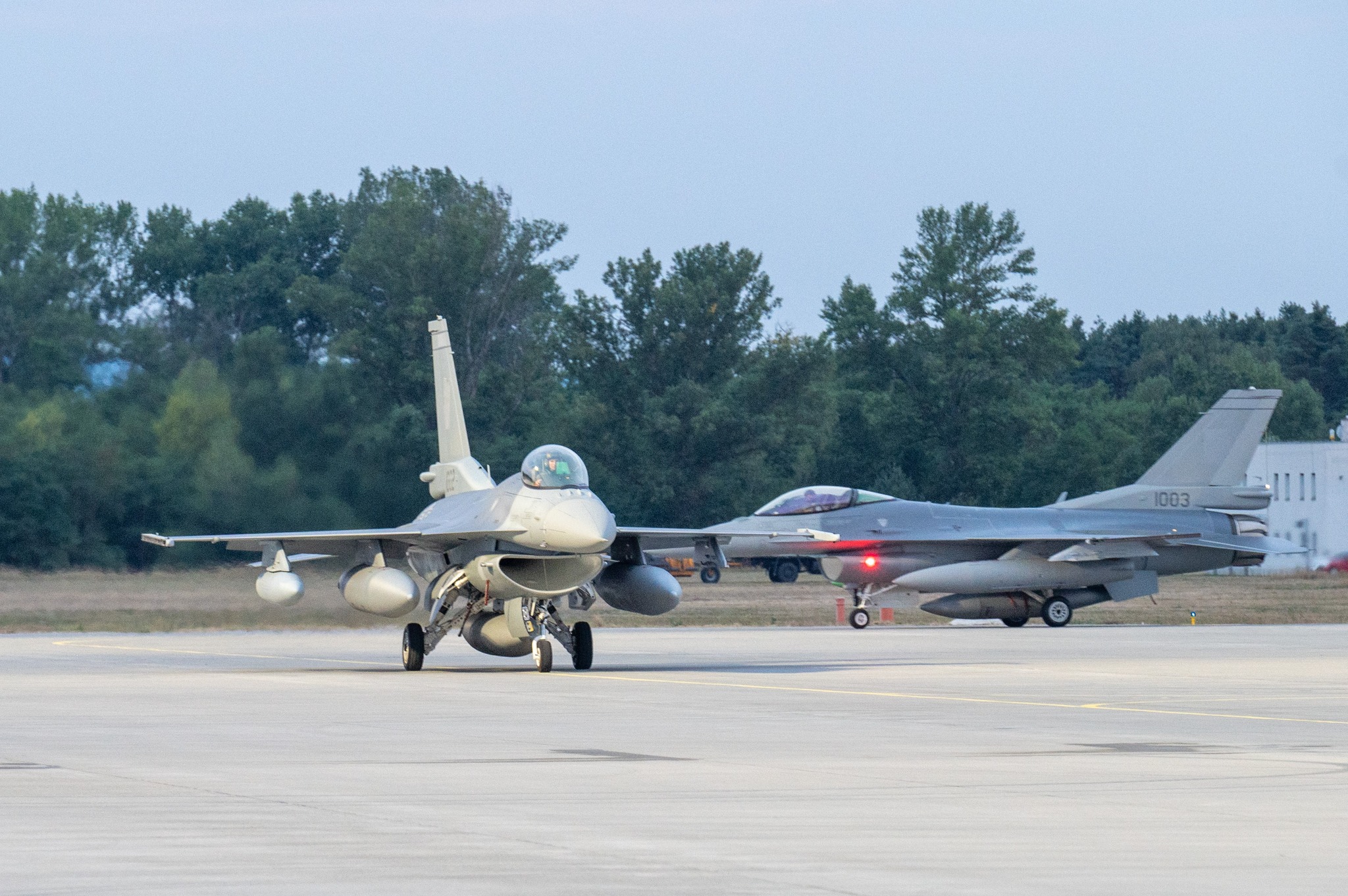
In a significant development for European air defence, Lockheed Martin and the Slovak Republic have announced the arrival of the first F-16 Block 70 fighter jets in Slovakia at Malacky Air Base on 22 July 2024, marking the beginning of a new era in Slovakia’s air defence capabilities and strengthening European security cooperation among allies.
The arrival of these state-of-the-art fighter jets represents a major milestone in Slovakia’s efforts to modernize its air force and enhance its ability to protect its airspace. The F-16 Block 70, known for its advanced capabilities and versatility, is set to play a crucial role in bolstering Slovakia’s defence posture and its contributions to regional security.
“Slovakia is at the forefront of adopting Europe’s most advanced 4th Generation fighter, the F-16 Block 70. These jets not only represent a stronger alliance between Slovakia, the United States, and NATO allies, but also equip the Slovak Air Force with advanced capabilities to face 21st Century Security® challenges. As Slovakia has now joined the ranks of nations operating the F-16, a benchmark NATO fighter, they bolster their defence capabilities and readiness for NATO operations.”
OJ Sanchez, vice president and general manager of the Integrated Fighter Group at Lockheed Martin
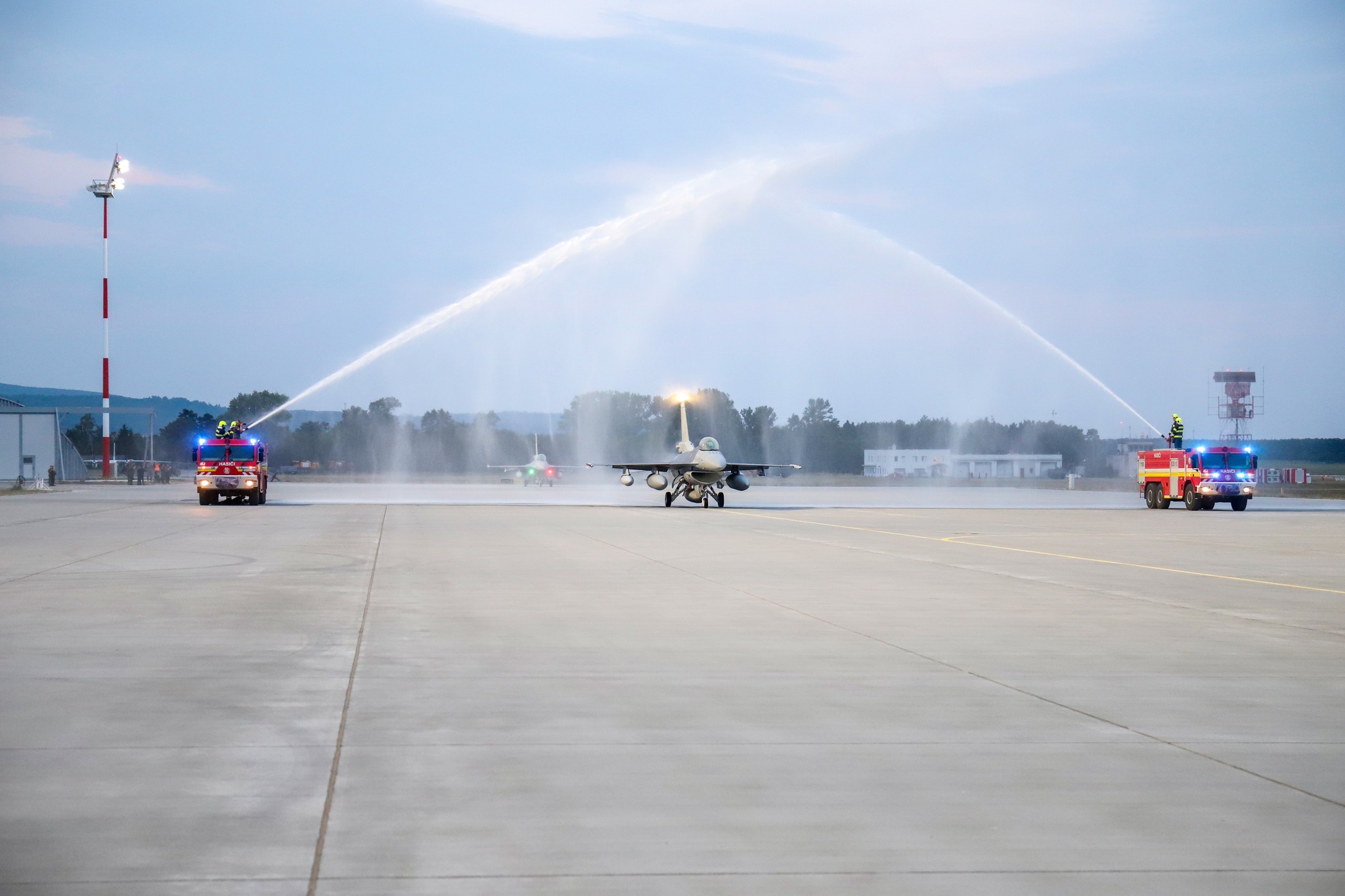
Lockheed Martin has already produced five F-16 Block 70 jets for Slovakia, with the remaining nine currently in production. The company has committed to delivering all 14 of Slovakia’s F-16s by the end of 2025, demonstrating its dedication to meeting the agreed-upon timeline and ensuring Slovakia’s swift integration of these advanced aircraft into its air force.
The F-16 Block 70 jets boast an impressive array of cutting-edge features that set them apart in terms of performance and safety. Each aircraft is equipped with the Northrop Grumman APG-83 AESA Radar, providing superior situational awareness and target detection capabilities. The jets also feature advanced avionics systems, enhancing their operational effectiveness across a wide range of missions.
One of the most notable aspects of these new F-16s is their extended structural service life of 12,000 hours, significantly increasing their longevity and value for the Slovak Air Force. Additionally, the aircraft incorporate critical safety features, chief among them being the Automatic Ground Collision Avoidance System (Auto GCAS). This revolutionary system has proven its worth since its integration into the U.S. Air Force in late 2014, saving the lives of 13 pilots across 12 F-16 incidents.

The delivery of these F-16 Block 70 jets to Slovakia is part of a larger production effort by Lockheed Martin. The company currently has a backlog of 128 F-16 Block 70/72 jets slated for production at their facility in Greenville, South Carolina. To date, 12 of these advanced jets have been delivered to international partners, highlighting the global demand for this latest iteration of the F-16.
Lockheed Martin’s commitment to the F-16 program was further emphasized earlier this month when the company delivered the 4600th F-16. This remarkable achievement is a testament to the enduring relevance and adaptability of the F-16 platform, which has continued to evolve and remain at the forefront of fighter jet technology for over five decades.
As Slovakia integrates these new F-16 Block 70 jets into its air force, it joins a growing community of nations leveraging this advanced platform to enhance their defence capabilities. The arrival of these aircraft signifies a major leap forward for Slovakia’s military capabilities and reinforces the country’s commitment to NATO and its role in maintaining regional security and stability in Europe.


Lockheed Martin Proposes Industrial Offset Program for Thailand

Lockheed Martin has unveiled a comprehensive industrial participation proposal, or offset package, as part of its bid to supply Thailand with F-16 Block 70/72 fighter jets. The proposal aims to deliver substantial economic benefits to the country, building upon the company’s longstanding relationship with Thailand.
Central to the proposal is the establishment of a Research and Development Center focused on advancing Thailand’s capabilities in manufacturing, agriculture, and other key sectors. Additionally, Lockheed Martin has outlined plans for advanced aerospace engineering training programs for Thai industry partners and the Royal Thai Air Force, as well as workforce development initiatives for the manufacturing sector.
The company has also committed to providing technical assistance for an advanced datalink upgrade to enhance interoperability with Thailand’s existing fleet and advanced fighter maintenance training for the Royal Thai Air Force. Lockheed Martin will also explore supply chain opportunities for Thai industry and work to develop sustainment capabilities within the country.

“Lockheed Martin values our 40-year partnership and history with Thailand and the Royal Thai Air Force, and we are confident the F-16 Block 70/72 will complement its existing F-16 fleet. The F-16 Block 70/72 would deliver the advanced 21st Century Security® capabilities and performance needed to address Thailand’s most pressing defence requirements. Lockheed Martin brings decades of experience delivering value to local industries and workforces, including a successful history of executed offset projects with Thai industry partners and the Royal Thai Air Force. We are excited to bring that same mindset to the F-16 Block 70/72 program.”
Aimee Burnett, vice president, business development, Integrated Fighter Group at Lockheed Martin
.
Photos by Lockheed Martin and Slovak Republic Ministry of Defence

 timchew.net