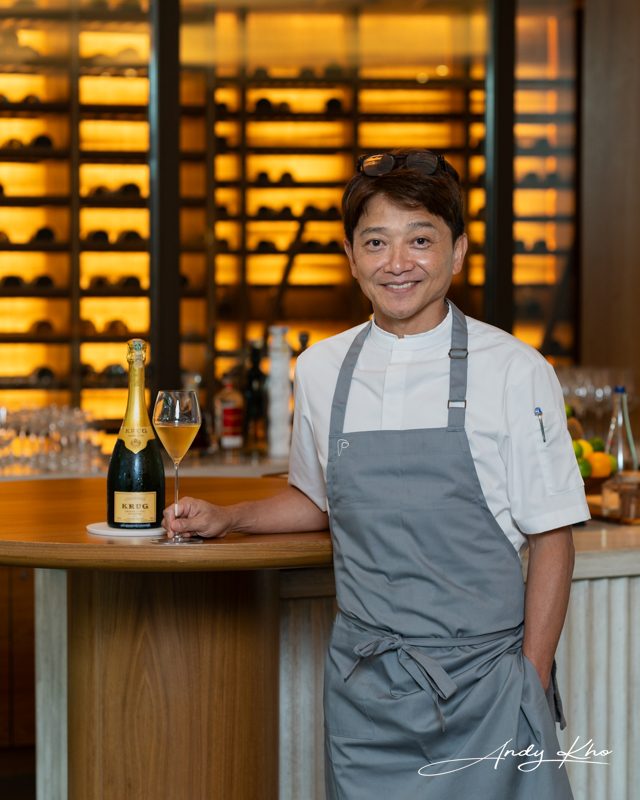
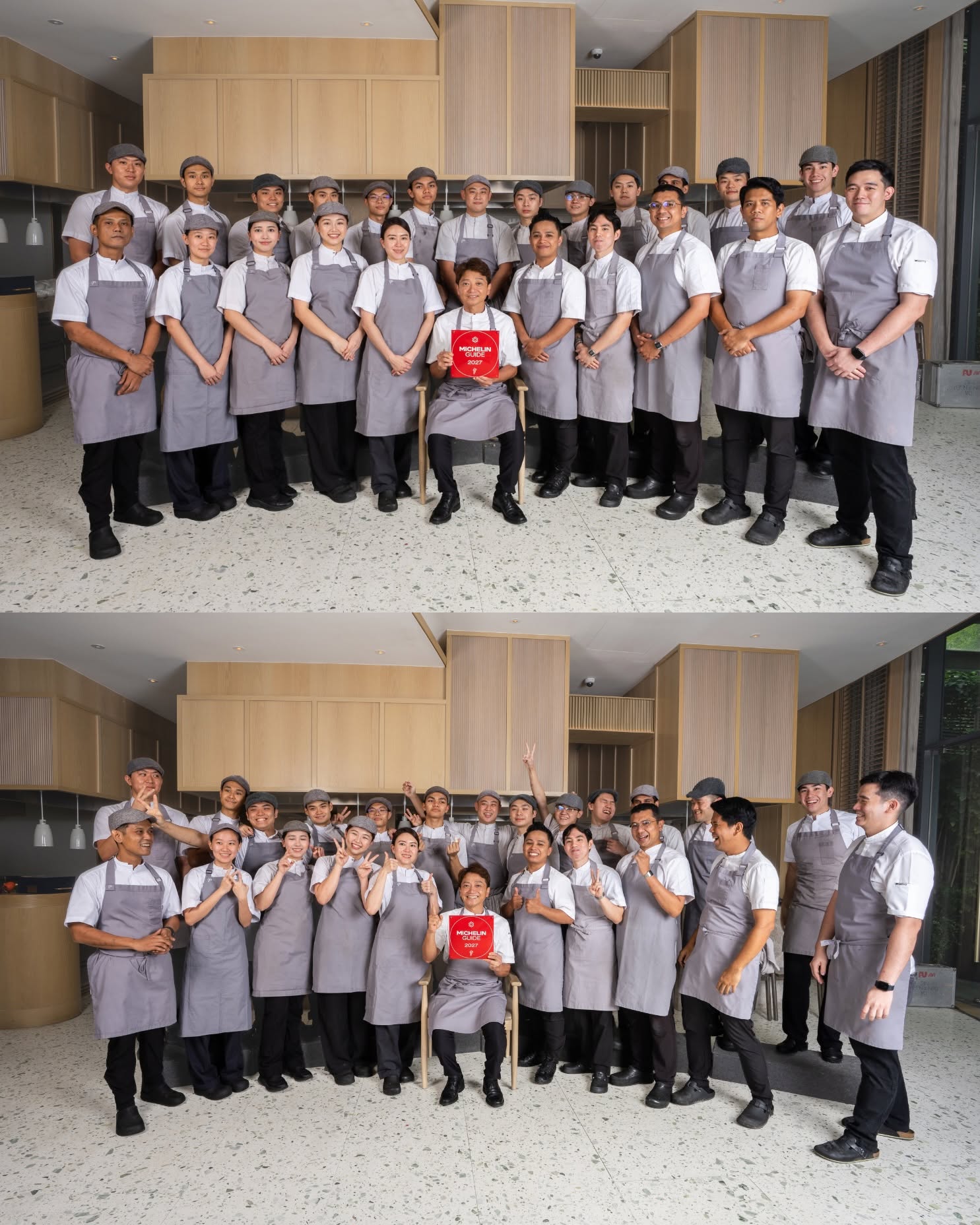
On 4 November 2026, Potager earned its first Michelin star in the fifth edition of the Michelin Guide Kuala Lumpur and Penang (https://timchew.net/2026/11/07/potager-earns-first-michelin-star-as-kuala-lumpur-and-penang-guide-recognises-159-restaurants/ ), just over three years after opening in Bamboo Hills. For its executive chef, Masashi Horiuchi, 54, the recognition capped a journey that began far from Kuala Lumpur.
A Fukuoka native, Horiuchi trained in Japan and Switzerland. He went on to spend more than 20 years in Europe, working alongside chefs including Philippe Groult, Adolf Blokbergen, Gérard Rabaey, Georges Blanc and Antoine Westermann. One of his strongest influences was Joël Robuchon: Horiuchi spent five years as sous chef at the two-Michelin-starred L’Atelier de Joël Robuchon in London. He credits the late chef with teaching him the importance of precision, perfection and passion.
Success in Europe did not come without doubt. Horiuchi has said he worried in his younger years about whether a Japanese chef could succeed cooking French food in France, yet that blend of identities would later become the foundation of his work.
After two decades in Europe, and following the birth of his second child, he decided it was time for a change and moved to Singapore. Malaysia followed: he opened Entier, a French nose-to-tail restaurant at Alila Bangsar, in 2018, citing the quality of Malaysian produce as the deciding factor. Potager came in September 2023, and in 2024 he became one of only two Krug Ambassades in Malaysia.
His approach draws on Japanese ideas. He cooks with “kokoro”, which means heart or spirit. He also embraces “ichigo ichie”, the idea of cherishing the unrepeatable nature of each moment. His own summary is simpler: “Good food makes people happy. It is a simple way to deliver happiness.”
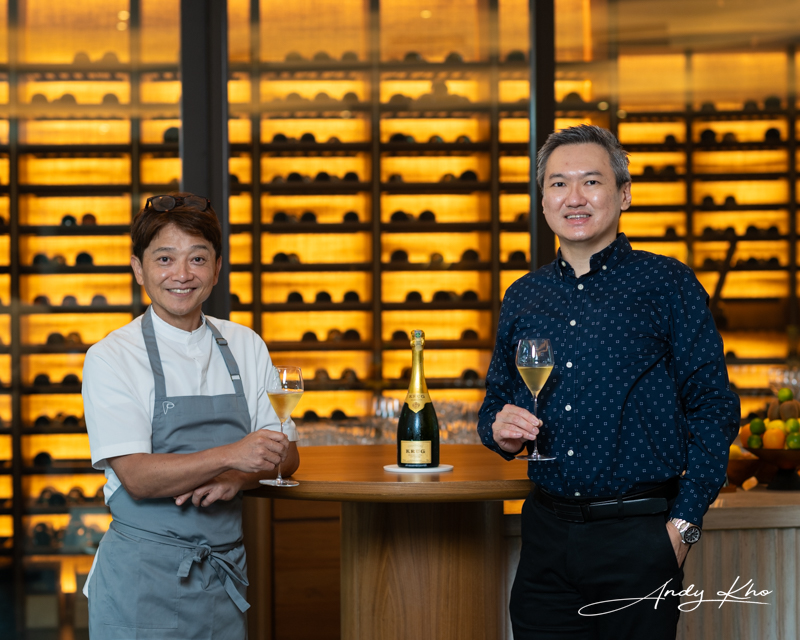
The following is the transcript of our conversation with Chef Masashi of Potager Kuala Lumpur.
Tim Chew: What did Potager’s first Michelin star mean to you personally, and how are you supporting your team as they respond to the higher expectations?
Chef Masashi: I see Potager’s first Michelin star not as a personal achievement, but as recognition of the hard work of the entire team. It means a great deal to us that the way we approach our food and service has been recognised by our guests and the Michelin inspectors. At the same time, earning a star has raised expectations for everything we do.
To meet those expectations, I believe it is important to share the purpose behind each dish and the standards we are aiming for, rather than focusing only on the result. Especially during busy periods, I try to communicate clearly and create an environment where everyone can work with confidence. Our goal is not simply to retain the star. It is to help the whole team grow and consistently deliver a memorable experience every day.
Tim Chew: What makes dining at Potager an experience worth seeking out?
Chef Masashi: At Potager, we use French culinary techniques to bring out the character of Malaysian ingredients and the region. We carefully draw out each ingredient’s natural qualities and create menus that reflect the seasons, the producers, and the ideas behind our cooking.
A memorable meal is about more than the food alone. From the moment guests arrive until the end of their meal, the cuisine, service, and atmosphere should come together as one experience. I hope our guests leave thinking not only, “That was delicious,” but also, “My time at Potager will stay with me.” That is what makes a visit worth seeking out.
Tim Chew: What sets Potager apart from other restaurants?
Chef Masashi: Potager’s identity comes from placing vegetables at the heart of our cooking and expressing the character of Malaysian ingredients and producers through French culinary techniques. We do not treat vegetables simply as accompaniments. We focus on their aroma, texture, and seasonality, giving them a central role on the plate.
We also aim to create an experience that feels distinctly Potager, through our service and atmosphere as well as our food. We bring together ingredients rooted in this region with the technique and refinement of French cuisine. I believe that balance is what makes Potager special.
Tim Chew: How would you describe your leadership style, and how has it evolved over time?
Chef Masashi: I believe in setting a clear standard through my own approach to cooking and work, and in being present alongside the team. Simply giving instructions is not enough to create great food or a strong team. A leader also needs to explain why the work matters and help each person think and act with confidence.
As I have gained experience, I have come to understand that drawing out the team’s strengths is more important than trying to do everything myself. I try not only to share my own ideas, but also to listen to the staff and learn from what is happening on the floor and in the kitchen. I believe that approach helps the whole team grow.
Tim Chew: What is the most important skill a leader needs today?
Chef Masashi: I believe it is the ability to listen to others and communicate a clear sense of direction. A restaurant cannot succeed through the efforts of one person alone. The kitchen, service team, and everyone involved in reservations and operations need to understand the same goals and work towards them together.
Technical ability and sound judgement are also essential. But a leader does not need to have all the answers. It is important to make decisions when needed, take responsibility when things do not go as planned, and use those experiences to improve.
Tim Chew: How do you motivate and support your team during challenging times?
Chef Masashi: During difficult times, I try to be clear about what I expect from the team and what we need to prioritise. When the situation feels uncertain, unclear instructions can add to people’s anxiety. I believe it is important to look at the situation together and help everyone focus on what we can do next.
I also try to recognise daily effort and improvement, not just the final result. When a problem arises, I prefer to look at its cause together and discuss what we can change, rather than blame an individual. I believe that being present and facing the same challenges alongside the team helps build trust.
Tim Chew: What kind of work culture drives high performance and employee motivation?
Chef Masashi: I believe it is a workplace where people can aim for high standards while feeling comfortable learning and sharing their ideas. Attention to detail and high expectations are essential in a restaurant, but if those expectations create fear, staff may find it harder to think independently or take on new challenges.
By setting clear standards, recognising effort and growth, and creating an environment where people can learn from mistakes, each person can develop a sense of responsibility and pride in their work. I believe the growth of the team ultimately leads to a better experience for our guests.
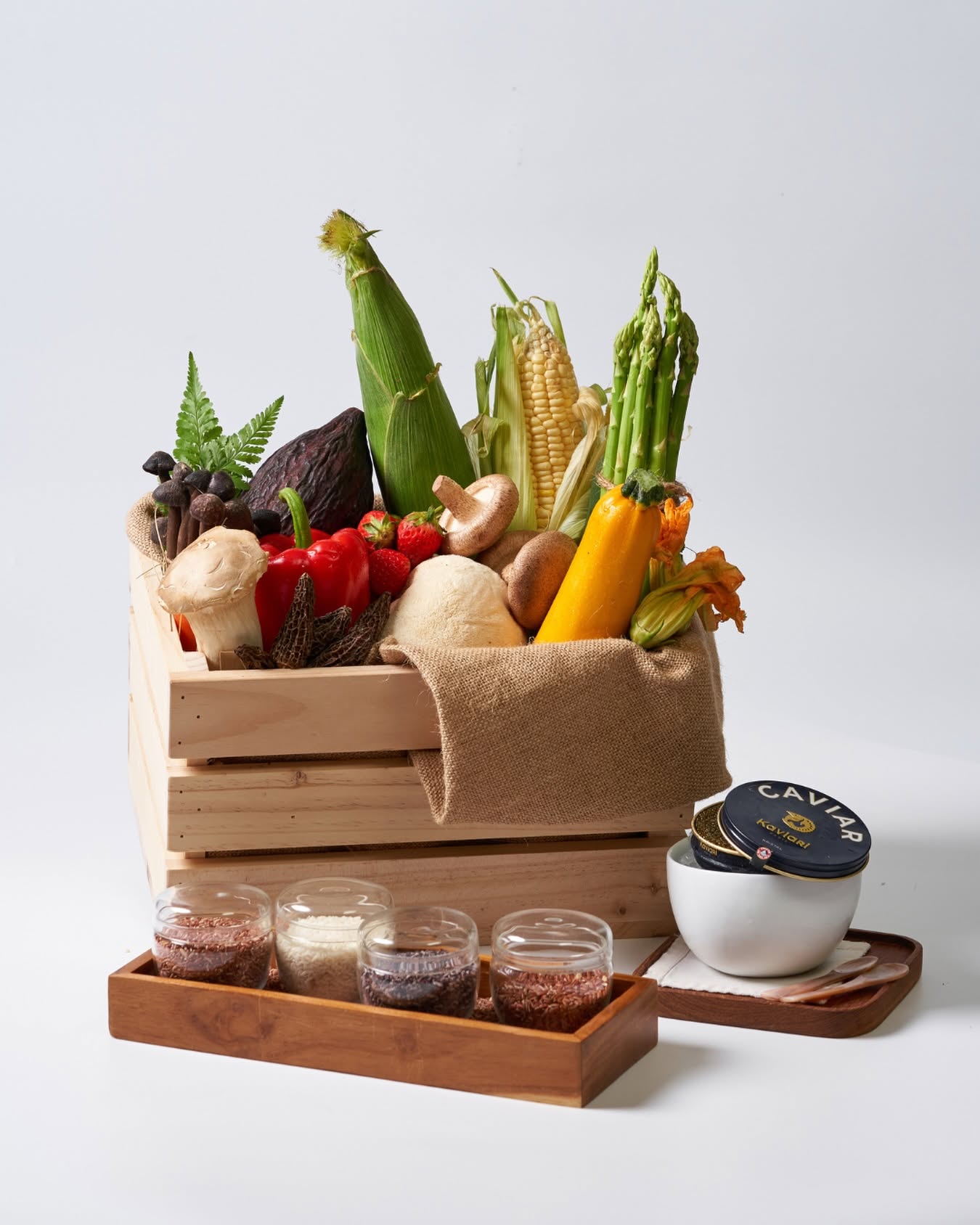
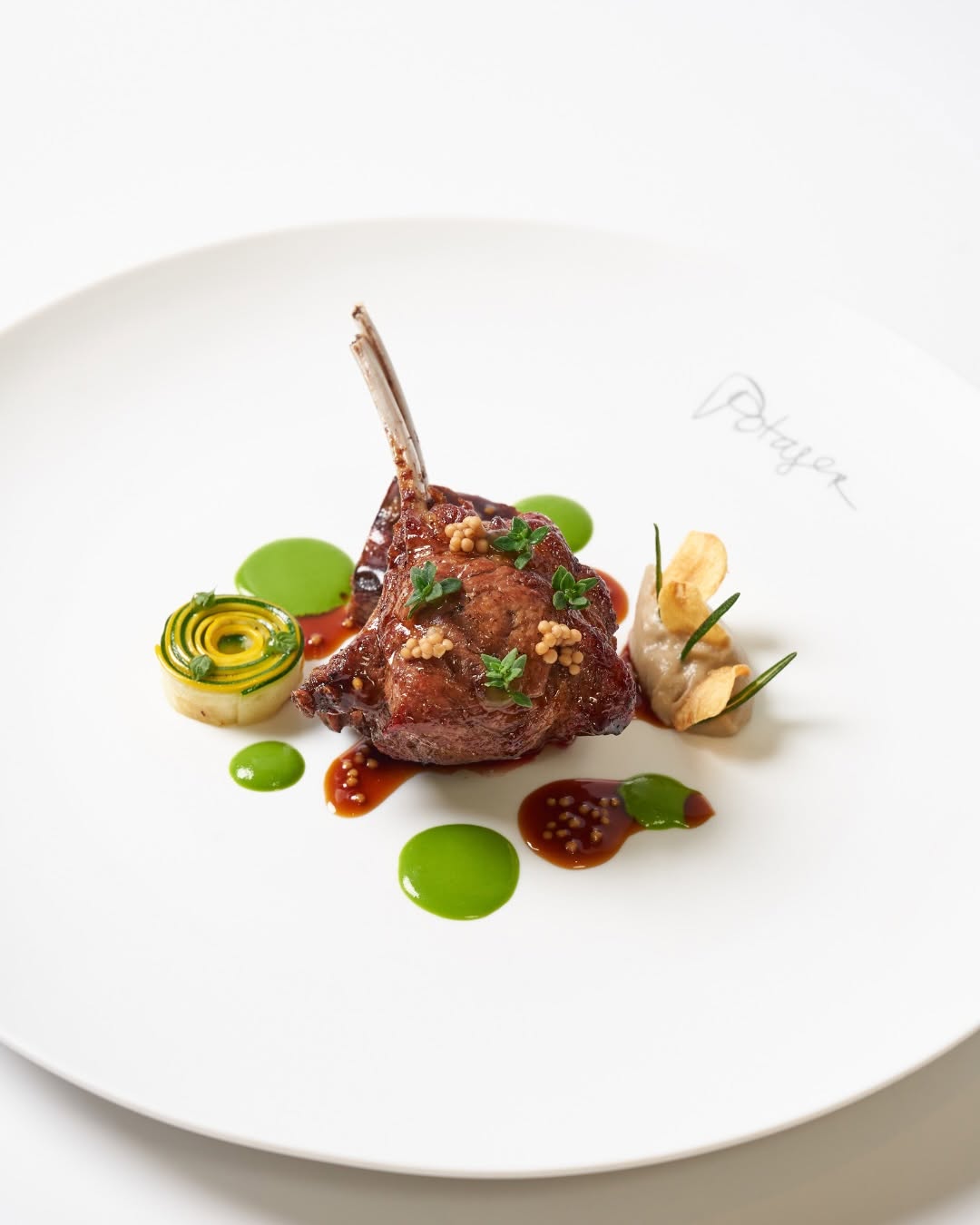
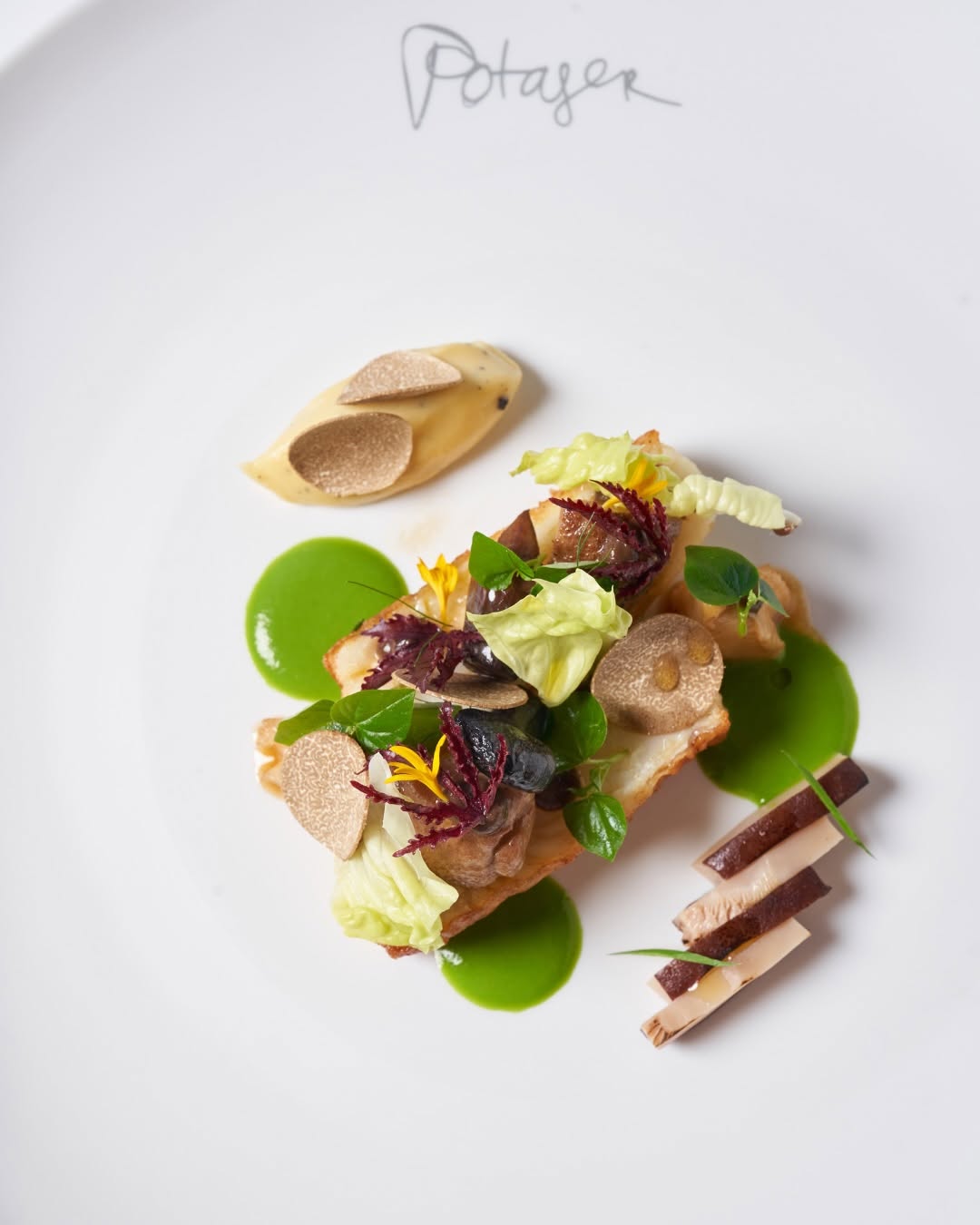
Potager is French for a kitchen garden, and the idea behind the restaurant follows from it: a place that nurtures produce, producers and community together. Its motto, “Celebrating The Hands That Laboured,” extends the thought to the farmers, artisans and artists whose work shapes the experience. Potager describes itself as more than a restaurant, a meeting point of gastronomy and the arts, where the line between a crafted dish and a work of art is meant to blur and engage every sense.
That idea shows in the food. The cooking pairs French technique with Japanese precision, and the tasting menu is built so that diners think about the stories and journeys behind each ingredient. The current summer menu moves through a corn scallop, pigeon, lobster, asparagus with morels and a Chitose strawberry dessert, before a cheese selection and a closing course of sweets. At lunch, cacao also makes an appearance. A plant-focused Harvest menu follows the same arc through zucchini, corn, bamboo, asparagus, beetroot and mushroom.
Corn is the signature, and it traces back to a walk through the Cameron Highlands that reminded Horiuchi of cornfields from his childhood in Fukuoka. The wine pairings carry the garden theme as well: they are named for flowers, from the peony promenade and camellia path to the magnolia trail and orchid passage.
Meals are paced to be unhurried – its five-course menu unfolds over 90 to 120 minutes and the eight-course over 150 to 180 minutes. The setting suits that rhythm. Bamboo Hills sits along the DUKE Highway, between Jalan Ipoh and Jalan Kuching, moments from the city centre, yet the compound feels leafy and serene, with an open-air garden that photographs well if you arrive before sunset. Inside, the open kitchen puts guests in front of the cooking, so the meal becomes part of the evening.
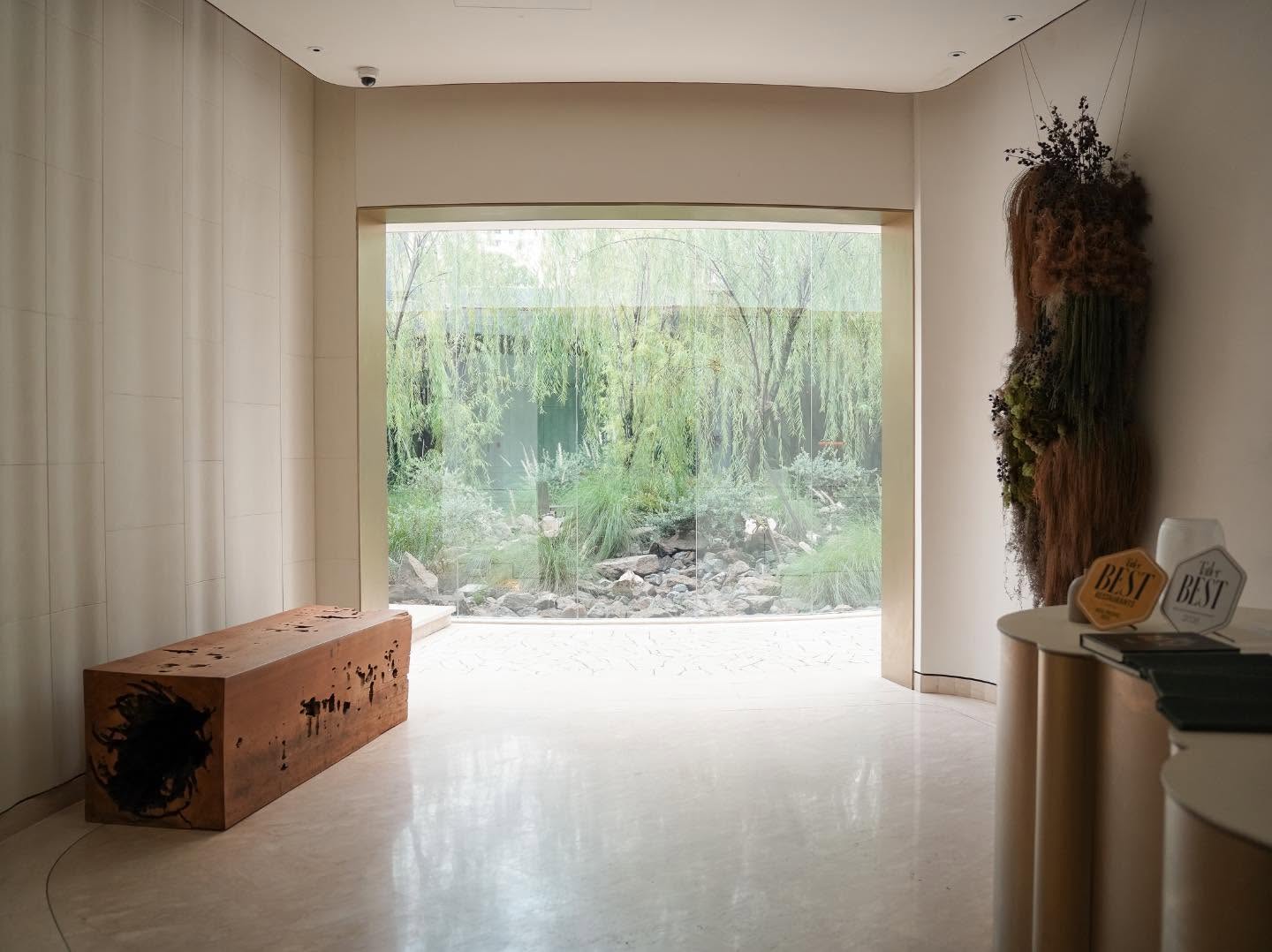
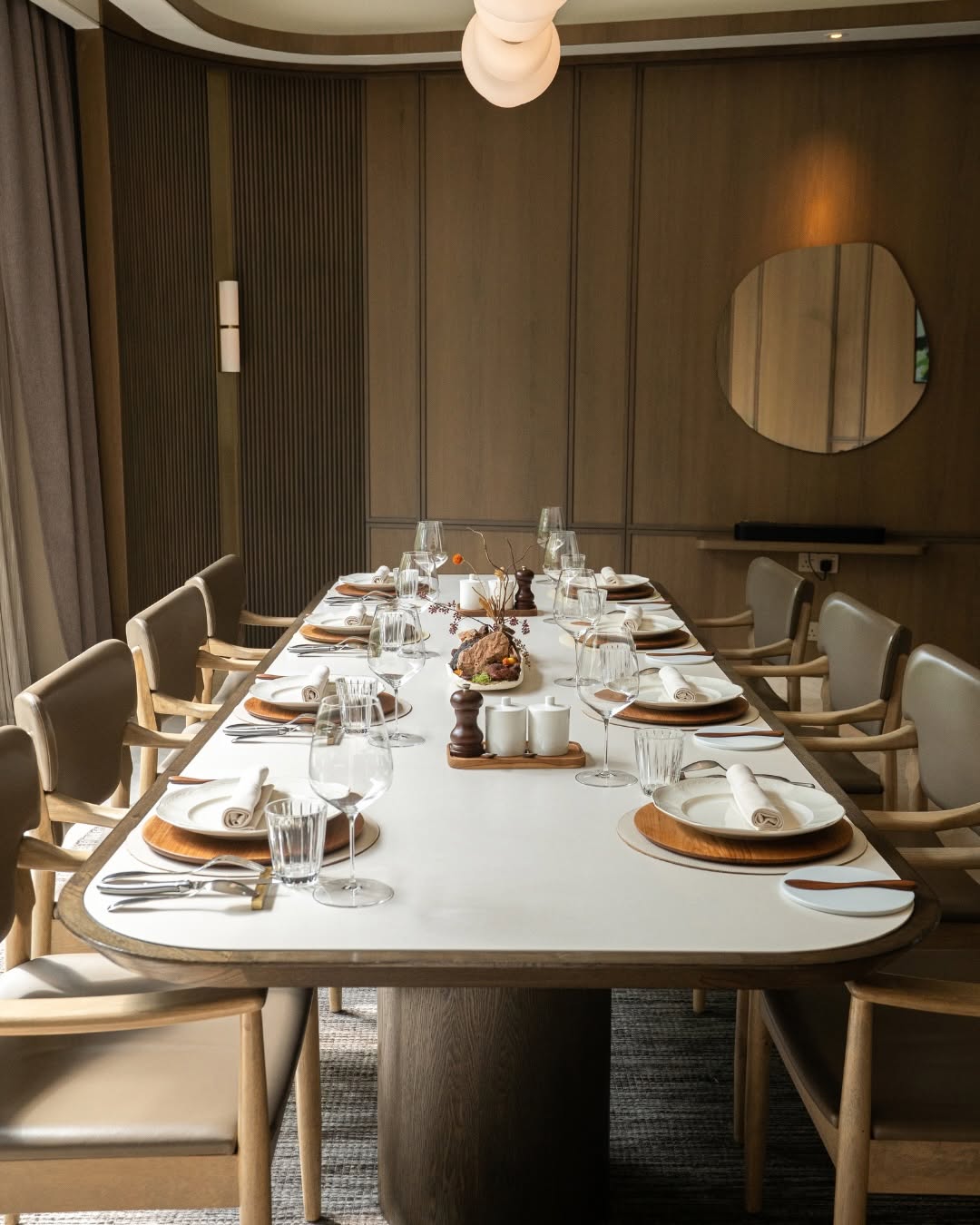
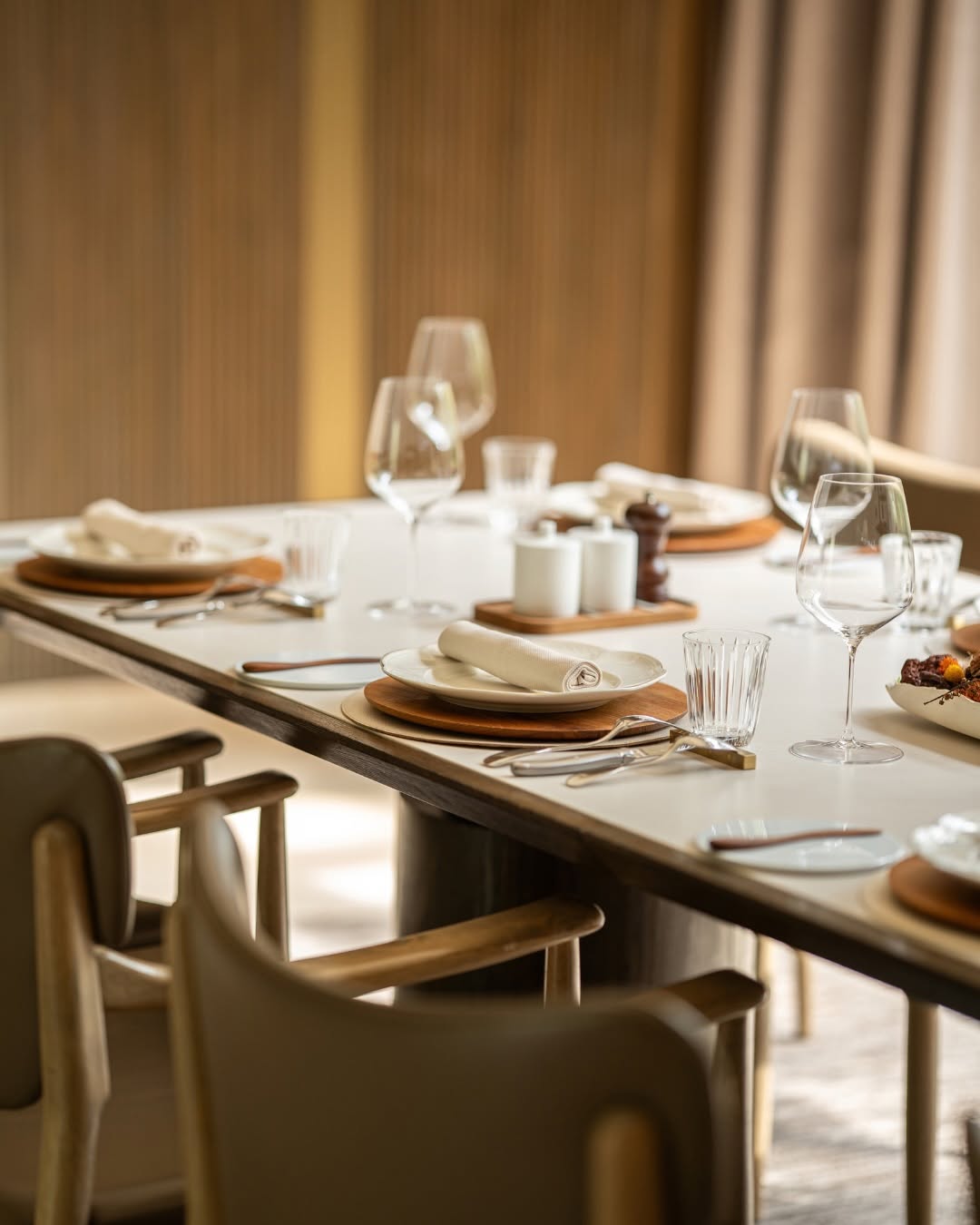
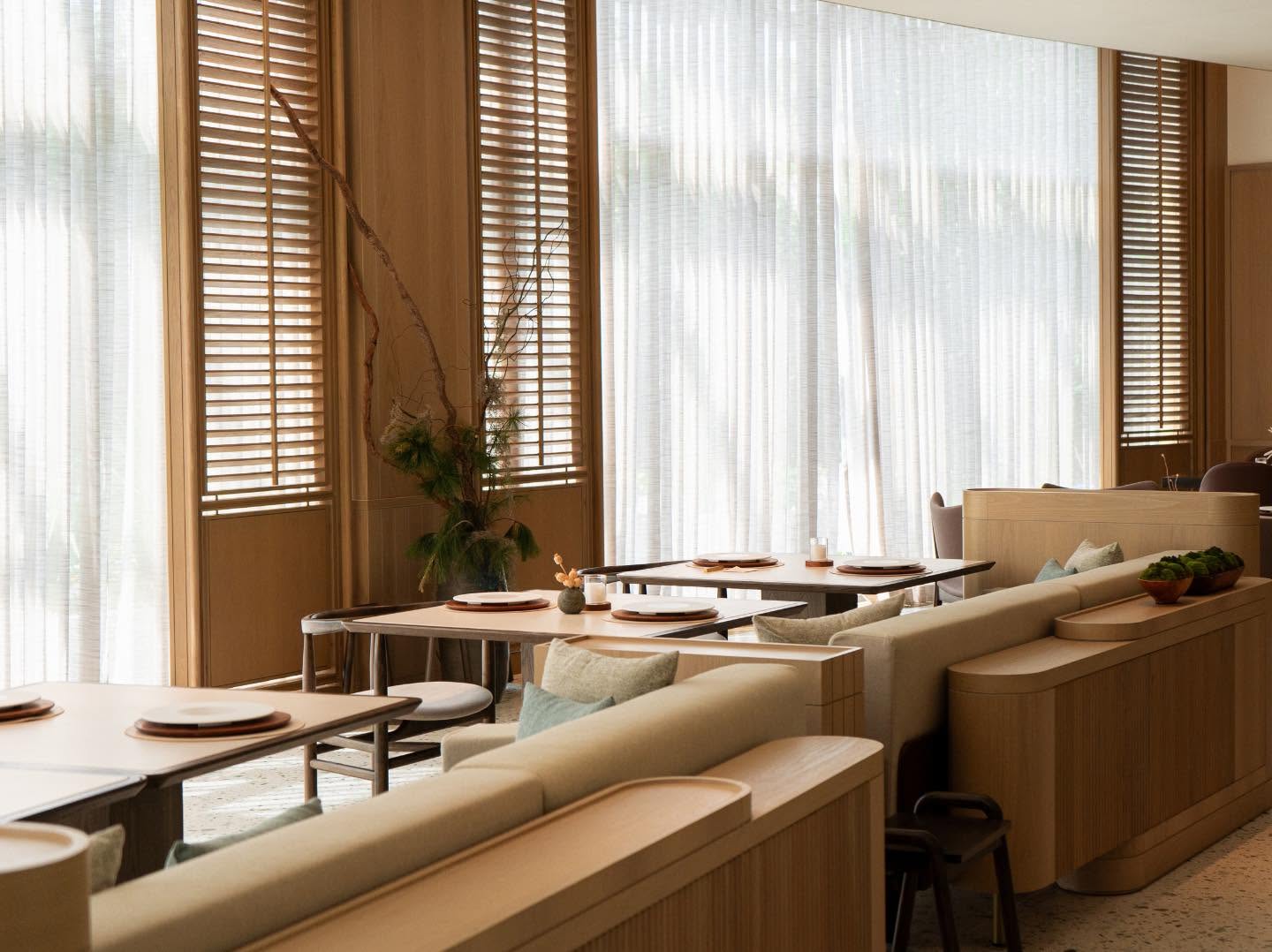
Little about the space is accidental. Design, conceptualisation and construction began roughly two years before Potager opened, and the brief was a restaurant unlike any other in Kuala Lumpur. The interior was entrusted to Singapore-based 932 Design, named Best Design Firm at the 2022 Singapore Interior Design Awards and recognised with awards in Europe and the United States.
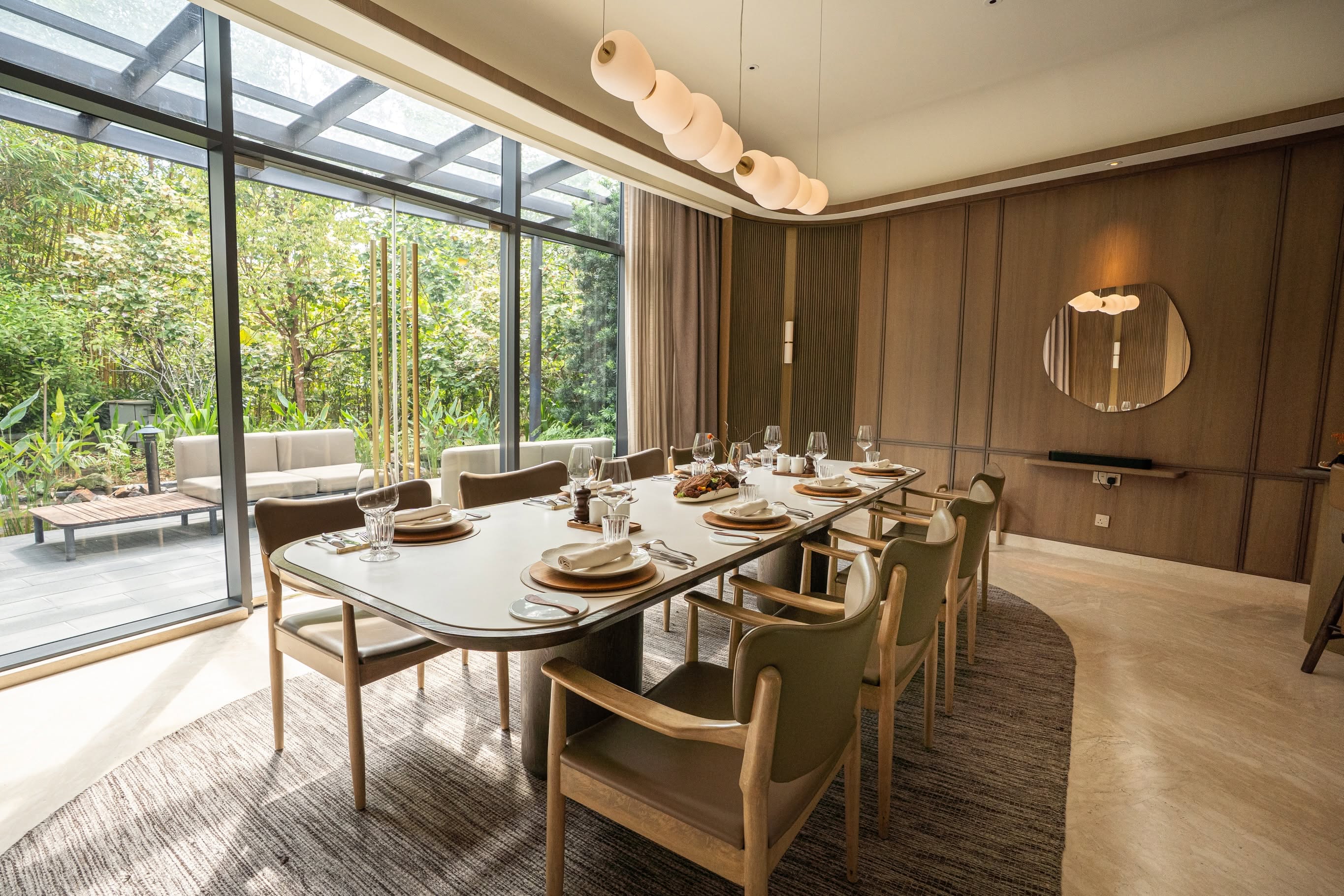
The result starts with the building itself: intentionally circular, to give those who enter a sense of connection and flow. Horiuchi describes the glass structure’s undulating spiral as a sensory environment where “architecture, nature, and gastronomy converge.” A bamboo-lined path leads to the entrance, and expansive glass windows flood the interior with natural light, creating the feel of a courtyard garden without the heat and humidity. At the heart of the Japandi-style room sits the show kitchen, and artworks by Malaysian artists, including a hanging “forest poem” installation in the lobby, bring the restaurant’s gastronomy and art theme to life. Artisanal finishes and bespoke furniture echo the “hands that laboured” idea that runs through the restaurant.
The private spaces carry the same care, and suit both corporate and intimate gatherings. The private dining rooms seat up to 10 guests each, some in darker tones and others lighter, all dressed in local art, and the restaurant offers to craft a bespoke ambiance for each occasion. An open-air patio looks out over a stone creek and tropical landscape, and the main dining area can also be booked for private events of up to 30 seated guests.
The rest of the compound lets guests dine at a gentler pace. Oeno, the wine lounge, holds more than 1,000 bottles of French-focused wines in its wine cellar, leaning towards Champagne and Burgundy and curated by head sommelier Chin Voon Ping. It serves tapas and cocktails, and hosts wine-pairing evenings and workshops. L’Entrecôte de Potager is a casual, steak-only offshoot with a simple two-course menu of soup or salad followed by steak and fries, for a more relaxed yet premium meal.
Potager is also a Krug Ambassade restaurant, an affiliation dating from 2024, and in November 2026 it earned its first Michelin star.
Potager is located at Unit No P11, Bamboo Hills, Taman Bamboo, Segambut, 51200 Kuala Lumpur, Kuala Lumpur.
For more info, head over to https://potagerkl.com/home-page/
Portrait and interview photos: Andy Kho Photography (http://andykho.com )
Outlet, group and food photos: Potager
Feature and interview conducted in partnership with Potager.


