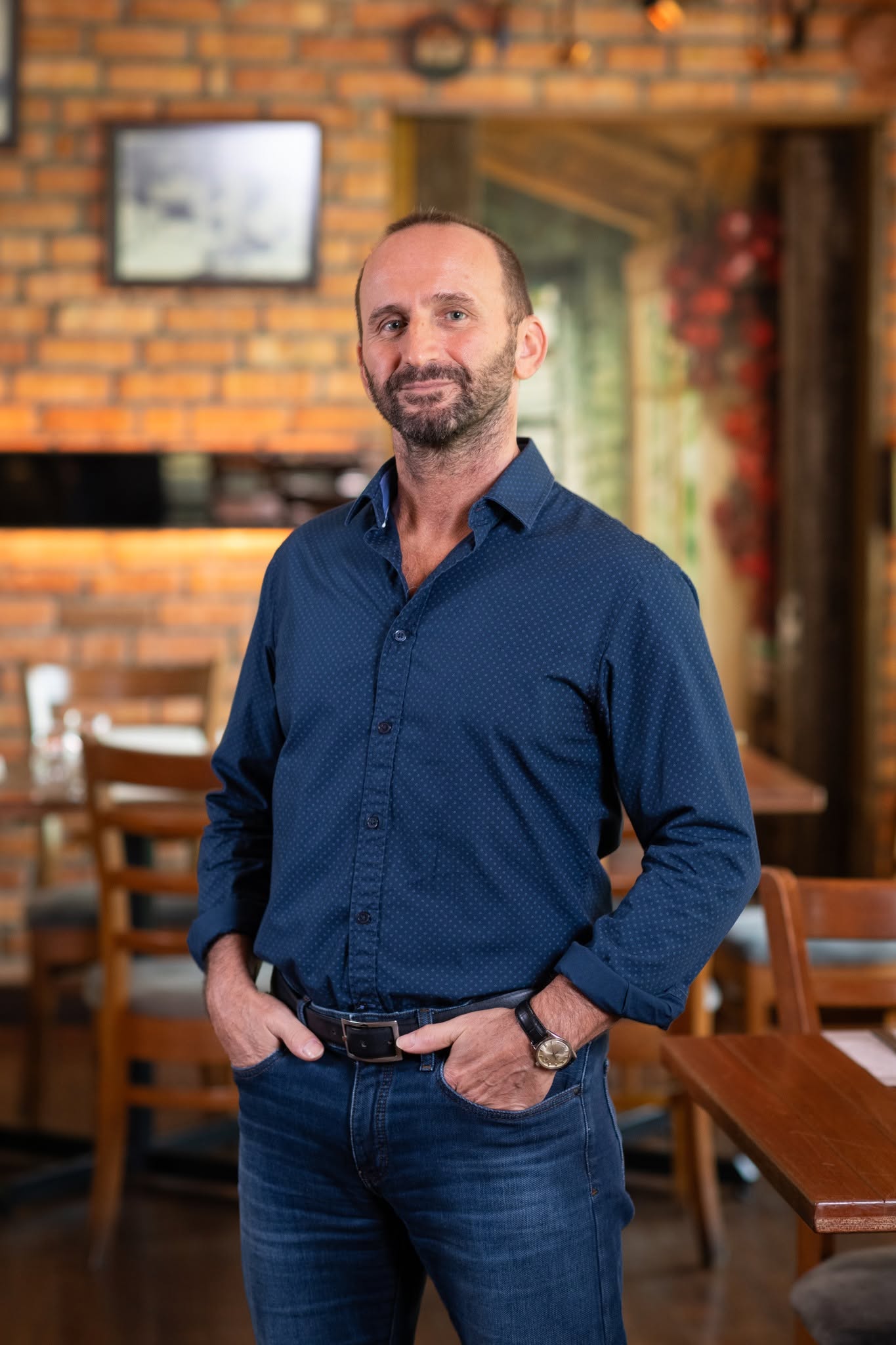
Kuala Lumpur’s food and beverage landscape has been reshaped many times over the past three-and-a-half decades — by economic cycles, changing consumer habits and, more recently, the relentless churn of social media trends. Through all of it, one restaurant tucked off Jalan Tun Razak in downtown Kuala Lumpur has kept its doors open under the same leadership: Ciao Ristorante.
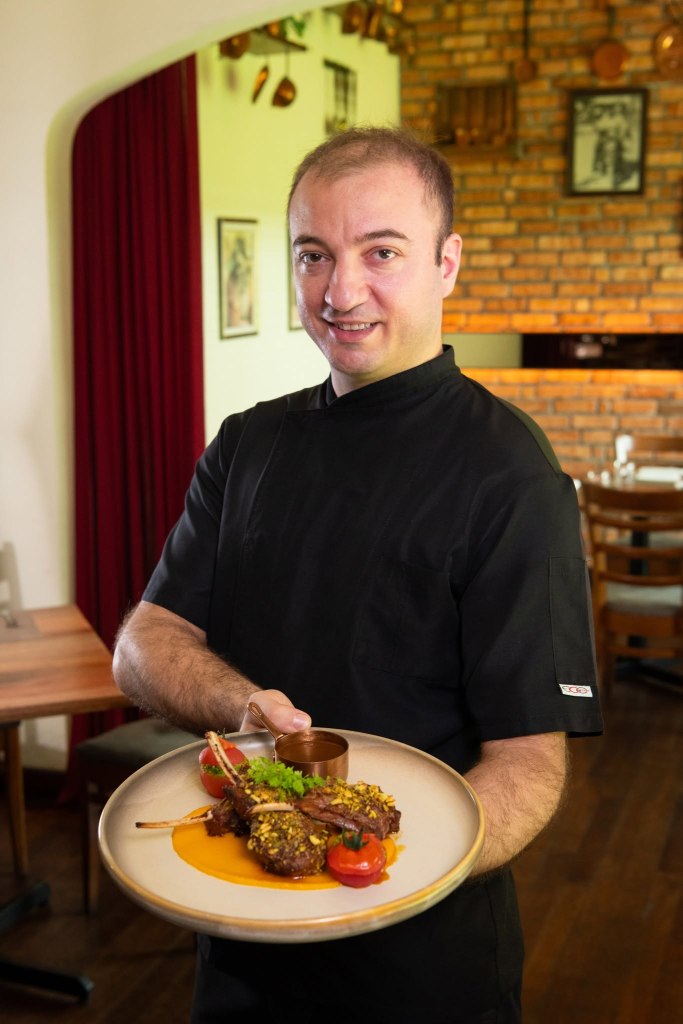
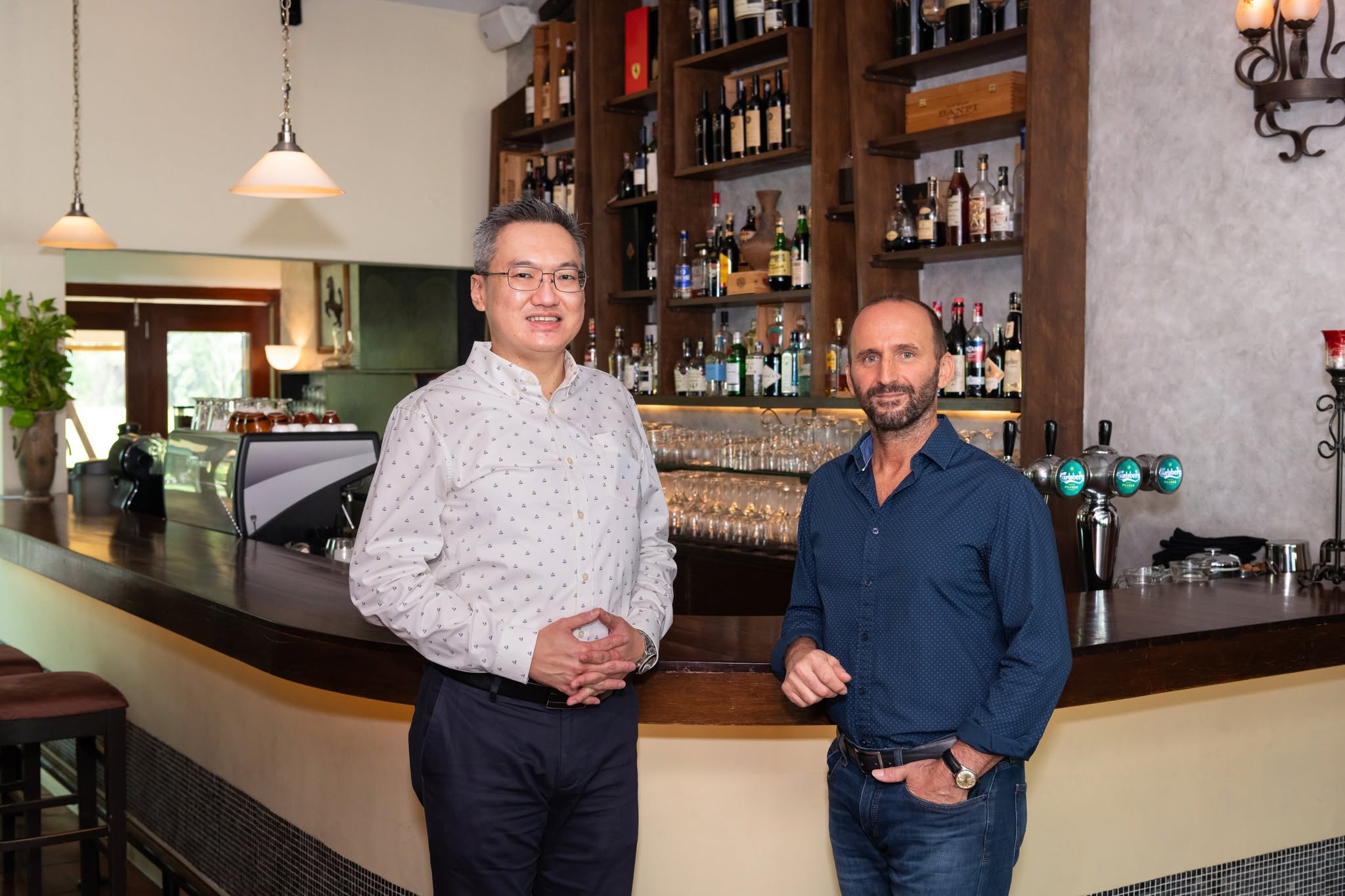
Founded in 1991, Ciao is widely regarded as the oldest Italian restaurant in the city. Since 1998, Rudy Stecca has helmed it, an Italian restaurateur whose journey into hospitality began decades earlier and thousands of kilometres away, in Venice.
Stecca’s path into the industry started young. At 14, while attending a hotelier school in Castelfranco Veneto, he took on his first kitchen apprenticeship. By 17, in 1989, he had moved to London, working at established Italian restaurants in Mayfair and Knightsbridge, including Cecconi’s and Signor Sassi — both of which remain open today.
He then spent a brief stint in Paris before returning to Italy to complete his military service. He then spent two more years in his native Venice, working at two luxury hotels and sharpening his grounding in hospitality and service.
At 23, Stecca relocated to Malaysia. Three years later, in 1998, he took over Ciao Ristorante, which had already been operating since 1991. What followed was a near three-decade commitment to running the restaurant under one continuous leadership — a rarity in an industry known for high turnover of both operators and concepts.
“The city has changed enormously since 1991, and so has the F&B industry, yet Ciao has remained standing strong through it all, under the same leadership”
Rudy Stecca, proprietor of Ciao Ristorante
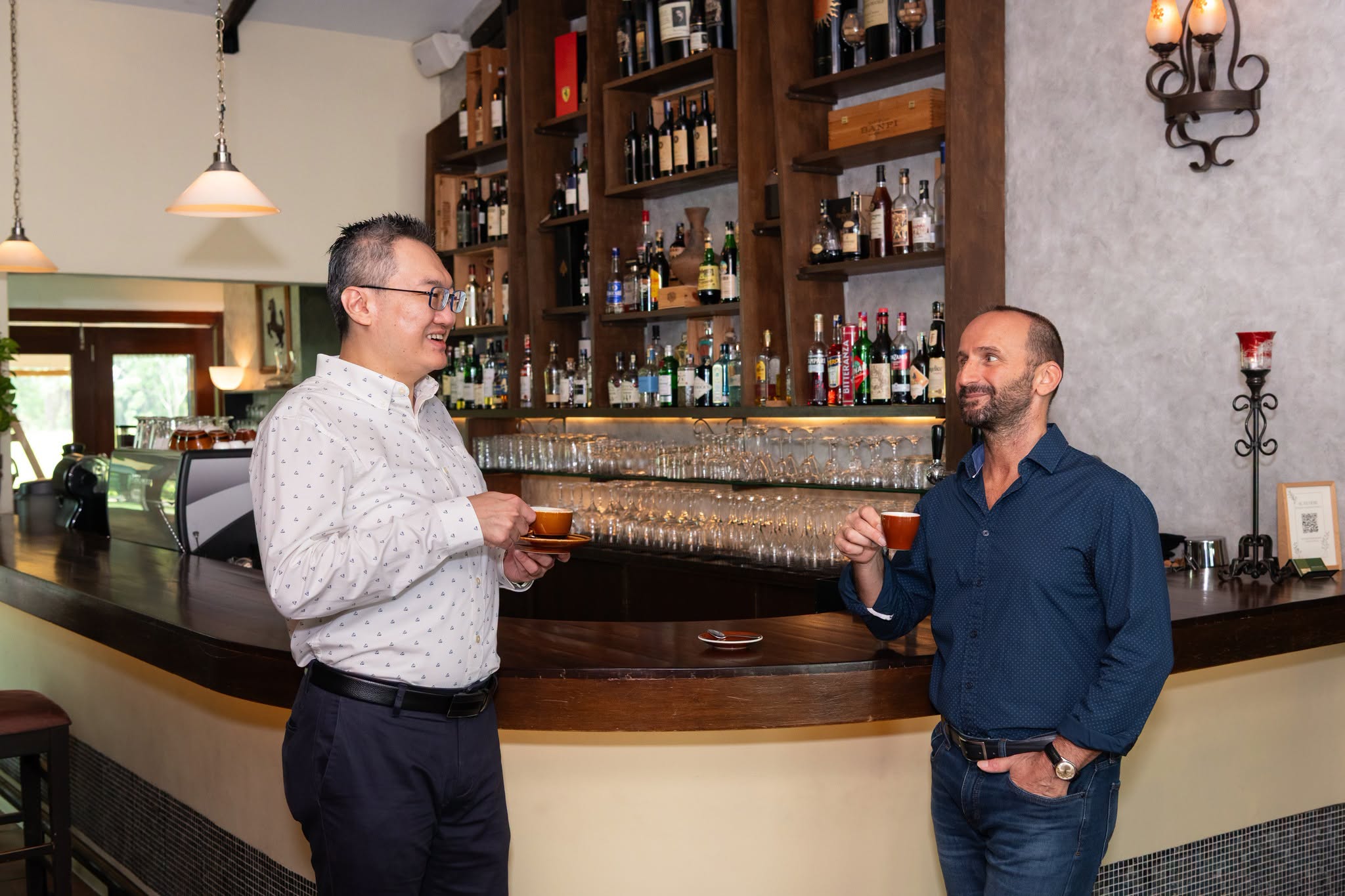
The following is the transcript of our conversation with Rudy Stecca of Ciao Ristorante Kuala Lumpur.
Tim Chew: What makes dining at your establishment a unique experience?
Rudy: Dining at the oldest Italian restaurant in the city — one that has been open for 35 years — is a special experience in itself. The city has changed enormously since 1991, and so has the F&B industry, yet Ciao has remained standing strong through it all, under the same leadership. That continuity reflects the passion and long-term commitment we have to our establishment and to our patrons.
Tim Chew: How would you describe your leadership style?
Rudy: Throughout these years, I’ve been very demanding when it comes to simplicity, quality, and consistency. As a leader, I’ve always stayed close to the operations to make sure my team follows that philosophy. While I hold my team to high standards, I also work hard to maintain a harmonious working environment. Over the decades, we’ve worked alongside several different generations of staff, each with their own mindset, and we’ve had to adapt to every one of them.
Tim Chew: What are the biggest challenges your company is facing?
Rudy: We operate in an environment where the F&B industry has become increasingly driven by viral trends — and viral things, by nature, tend to pass quickly and rarely last. While we do need to stay attuned to the trends to remain relevant in the market, ultimately we take a moderate approach. We can’t simply reshape our identity, one that has defined us for the past 35 years.
Tim Chew: What do you do to develop and retain talent?
Rudy: Honestly, not much in the conventional sense — you can’t force people to stay in this business. Team members come and go, especially when they’re young, and that’s exactly how it should be if they want to grow and learn. That said, we do have people who have been with us for 30, 20, and 10 years. We always keep our door open when someone leaves, and quite a few have come back after gaining experience elsewhere. That might be the real secret to retaining talent: let them go when it’s their time, and if they choose to come back, it means they’ve truly chosen you.
Tim Chew: How do you measure success for yourself?
Rudy: Beyond the financial side, what feels most rewarding is simply having lasted this long. We didn’t just navigate the changes in the F&B industry — we lived through the transformation of the city itself. We went through two major land acquisitions, each forcing us to reinvest and start over with new financing and new teams. My belief in keeping the brand alive has been rewarded by this longevity, and that, to me, is success.
Tim Chew: What habit or routine has contributed to your longevity?
Rudy: My habits and routines have always evolved — shaped by age, by the mindset of whichever generation I’m working with, and by shifting expectations from the public and our patrons. I’ve constantly adapted, always trying to put my private life first while staying conscious of the commitment this demanding business requires. In the F&B world, you can’t hold onto fixed habits and routines unless you’re purely an investor standing at a distance.
Tim Chew: Can you share a failure or setback you’ve experienced?
Rudy: I’ve opened and closed two restaurants within a fairly short period of time, but I don’t consider that a failure. Every time you open a new restaurant, you have to accept it might succeed or it might not — and if it doesn’t, you need the mental strength to move on while keeping the same passion and commitment toward your remaining outlet and team.
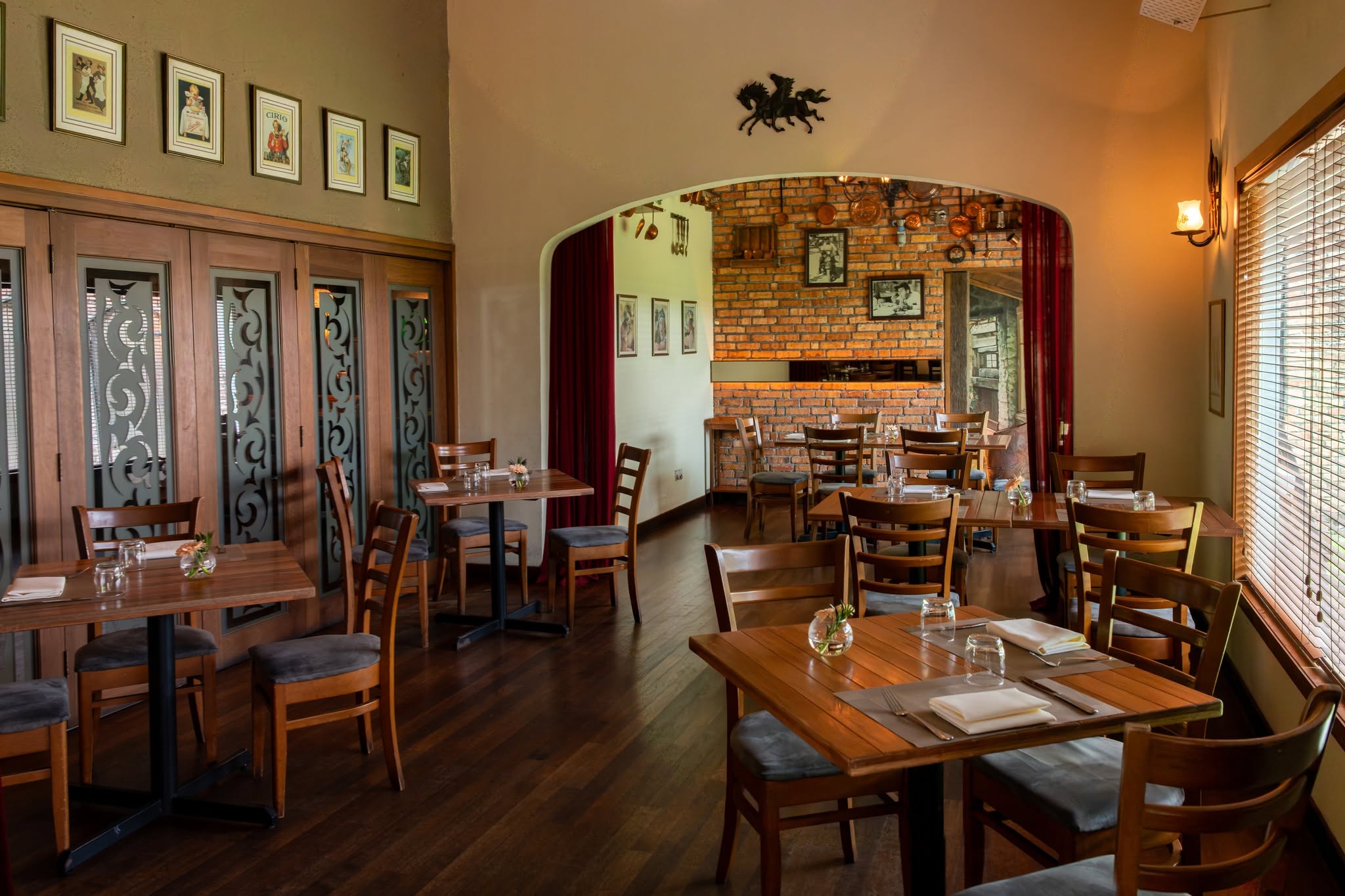
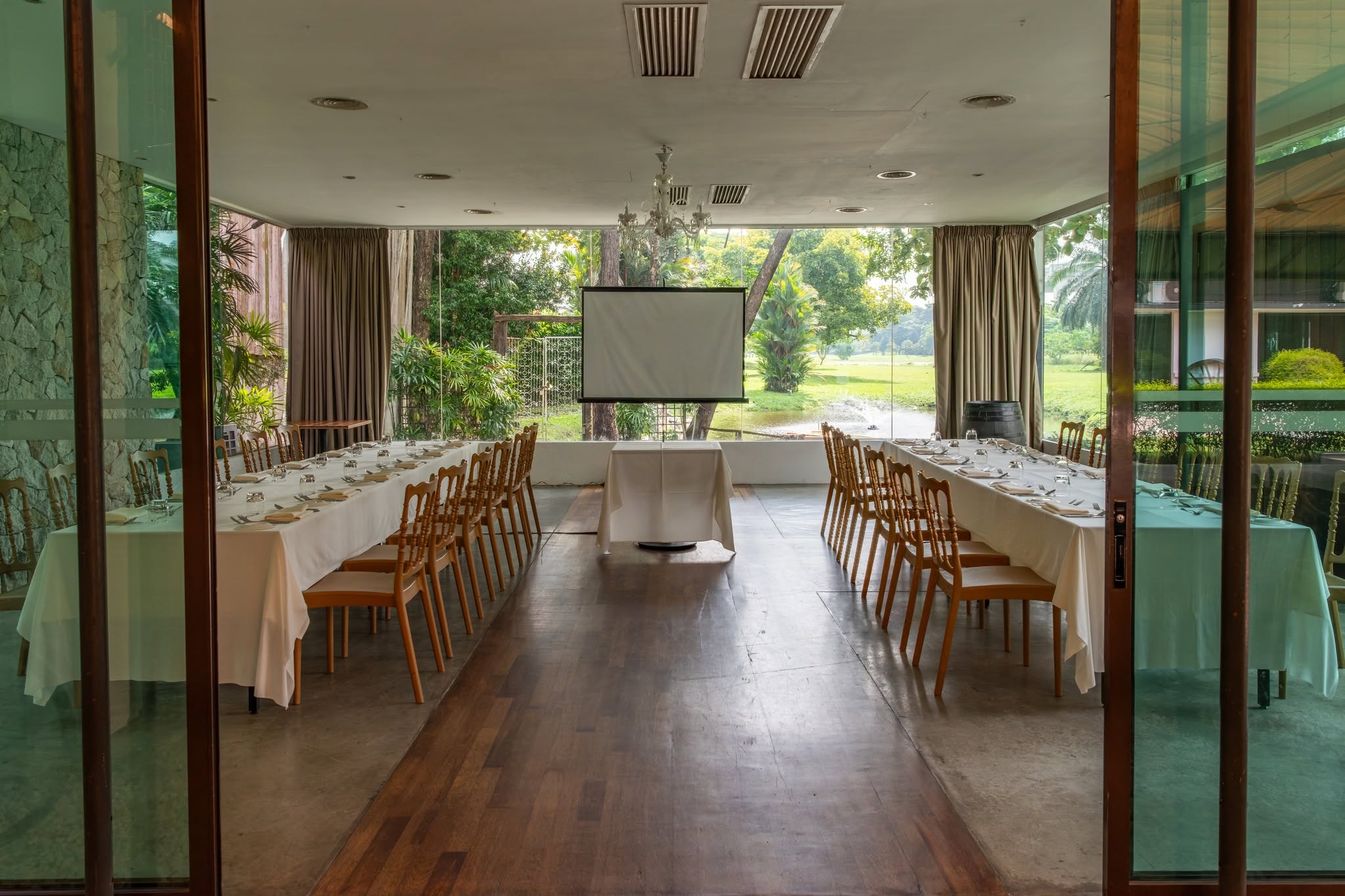
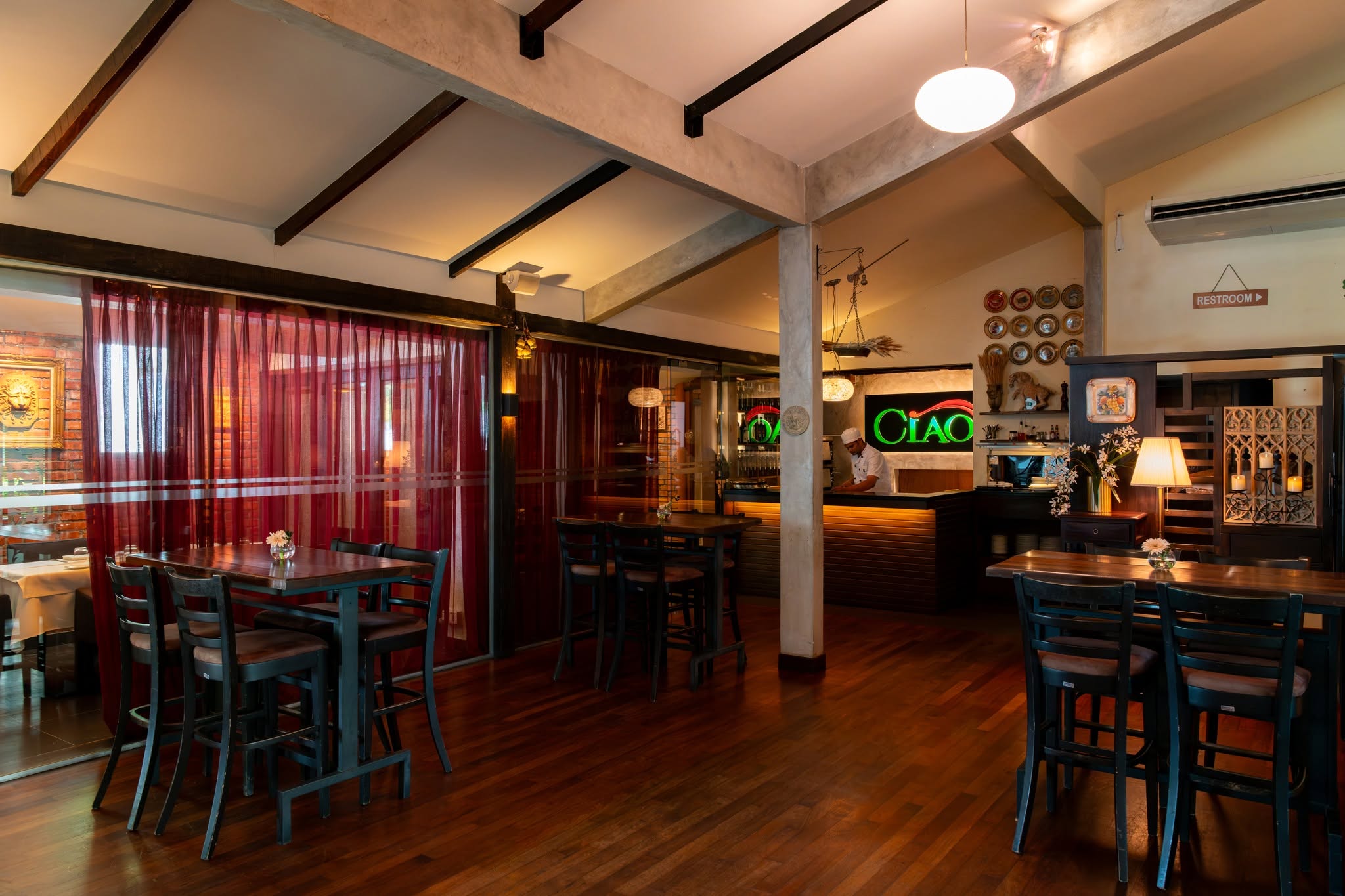
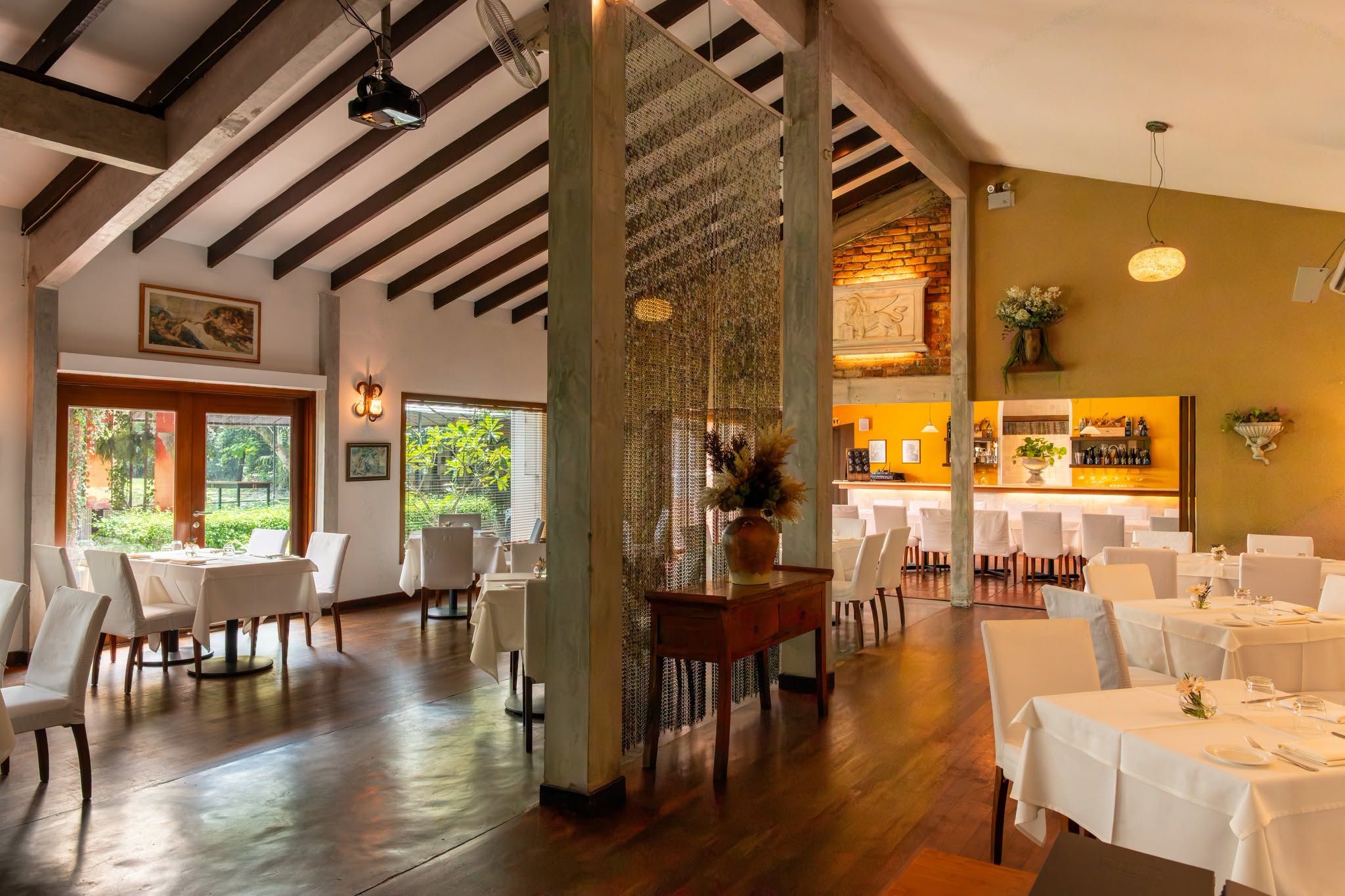
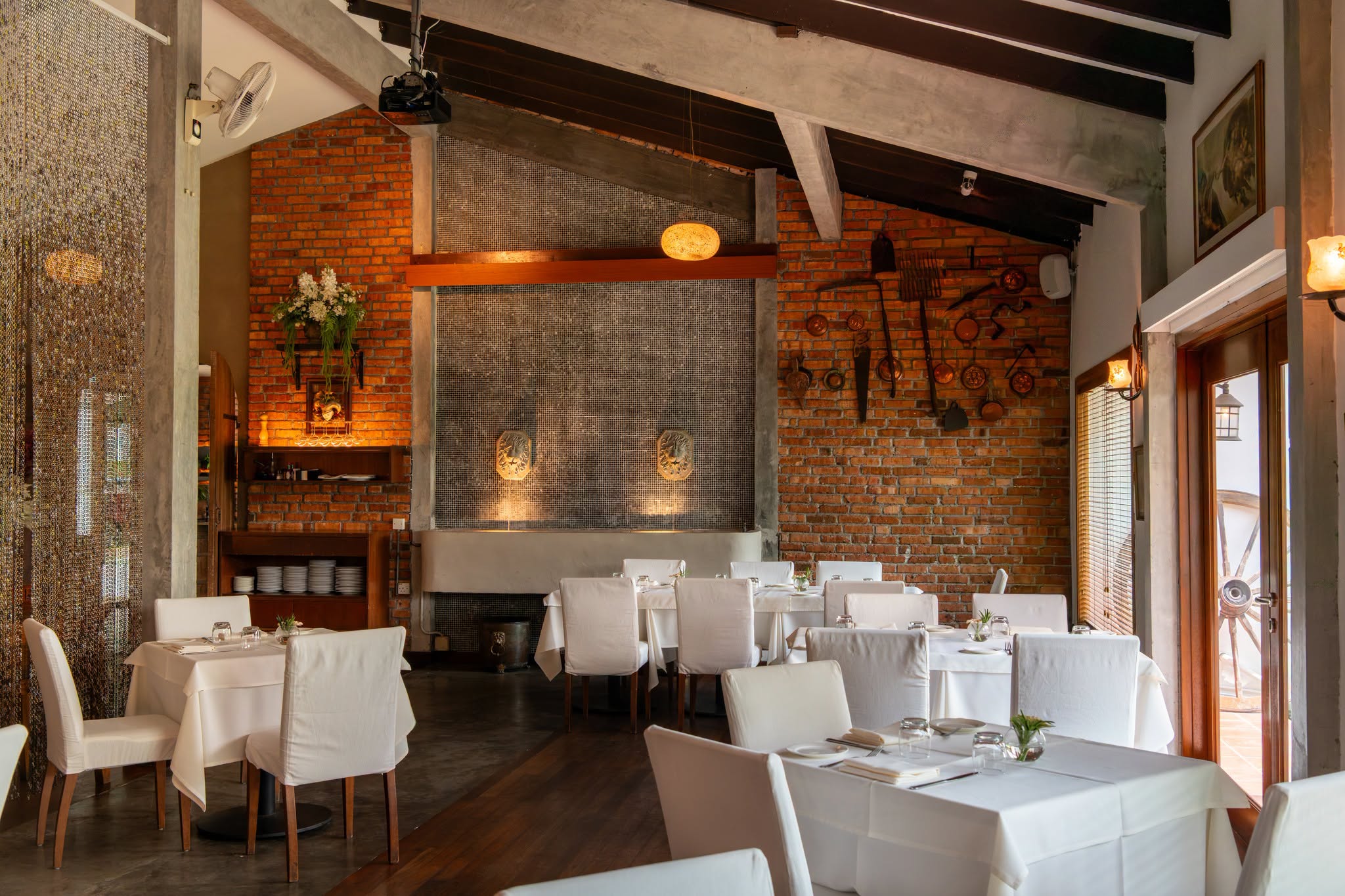
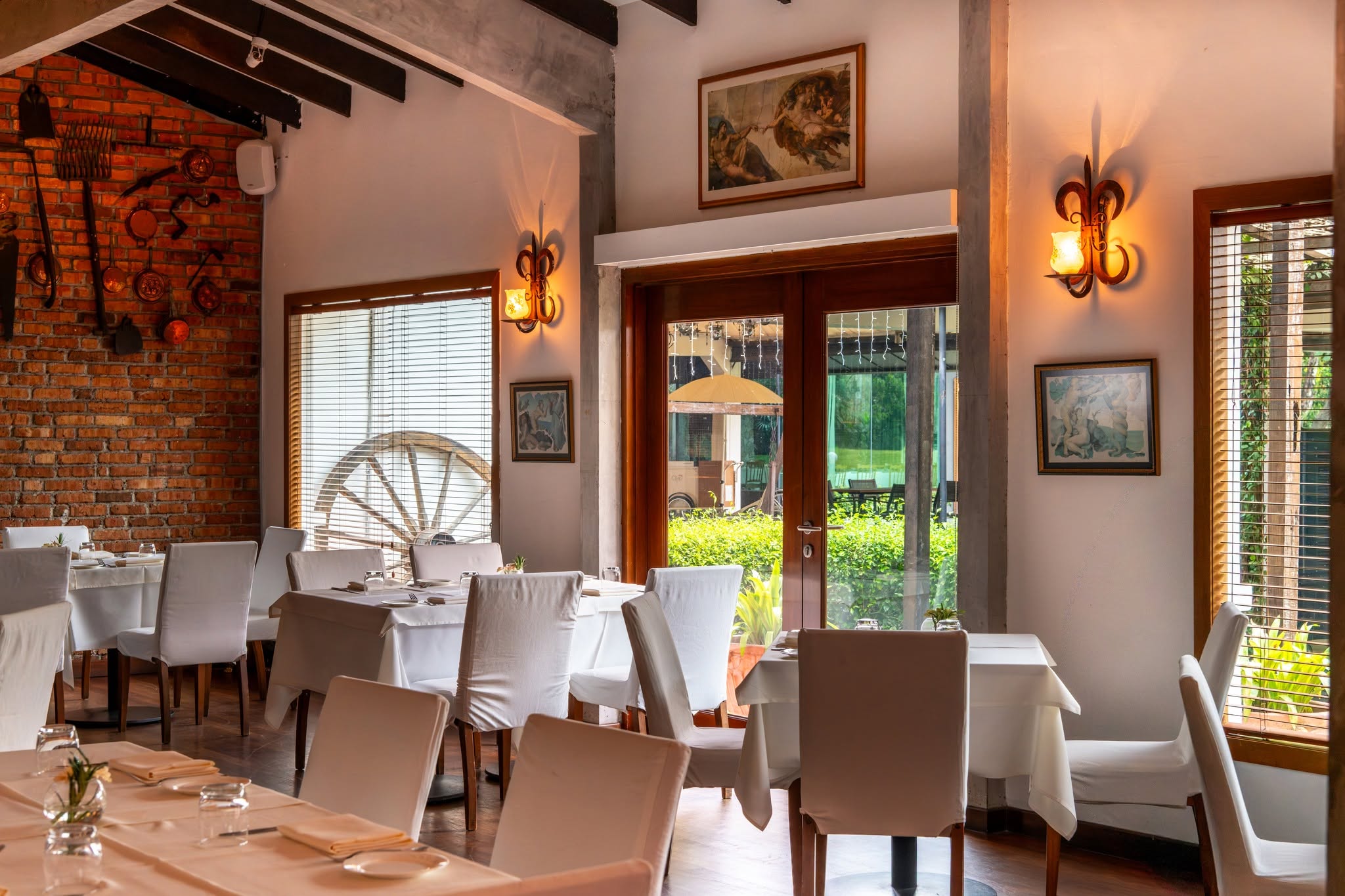
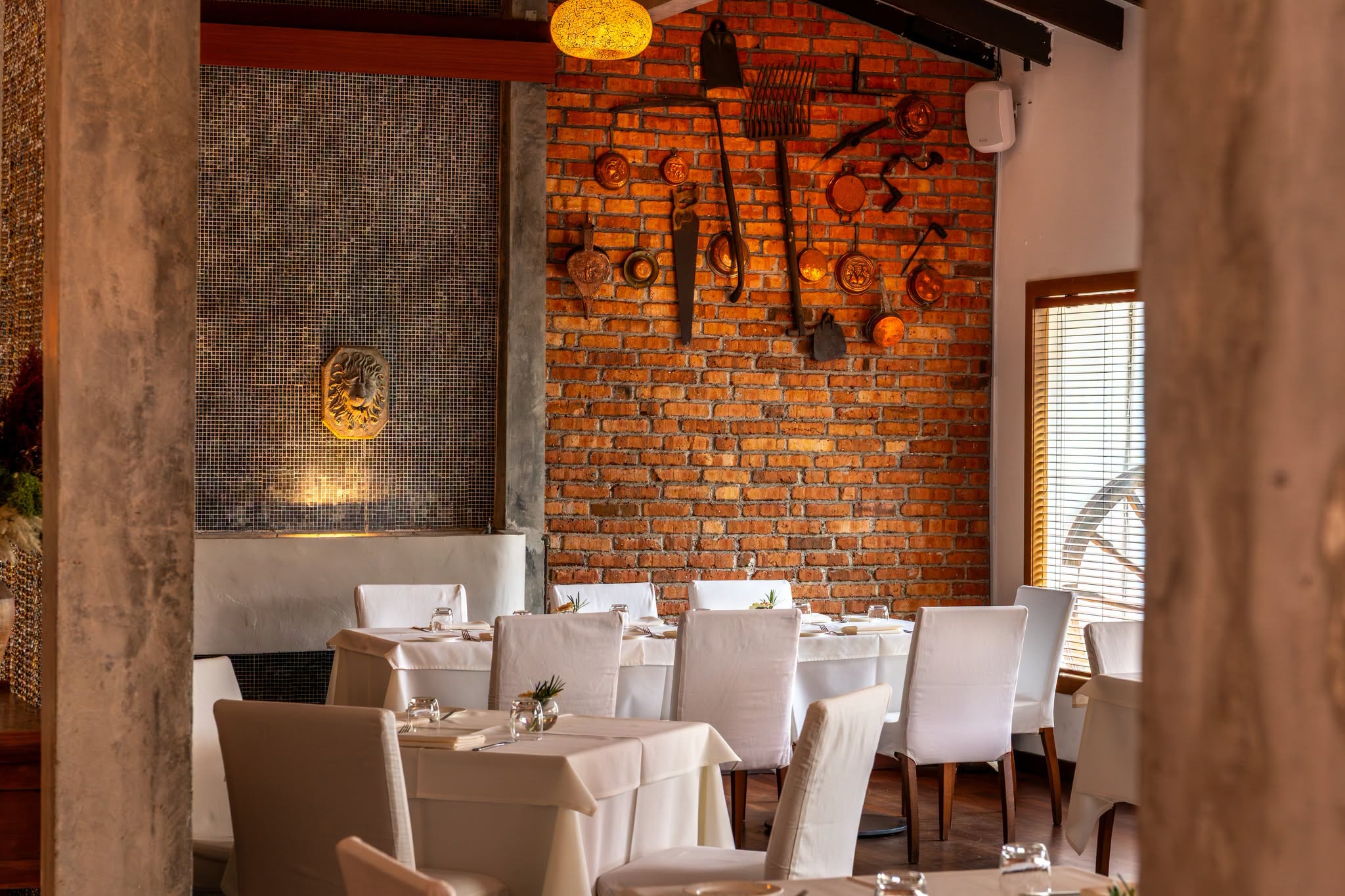
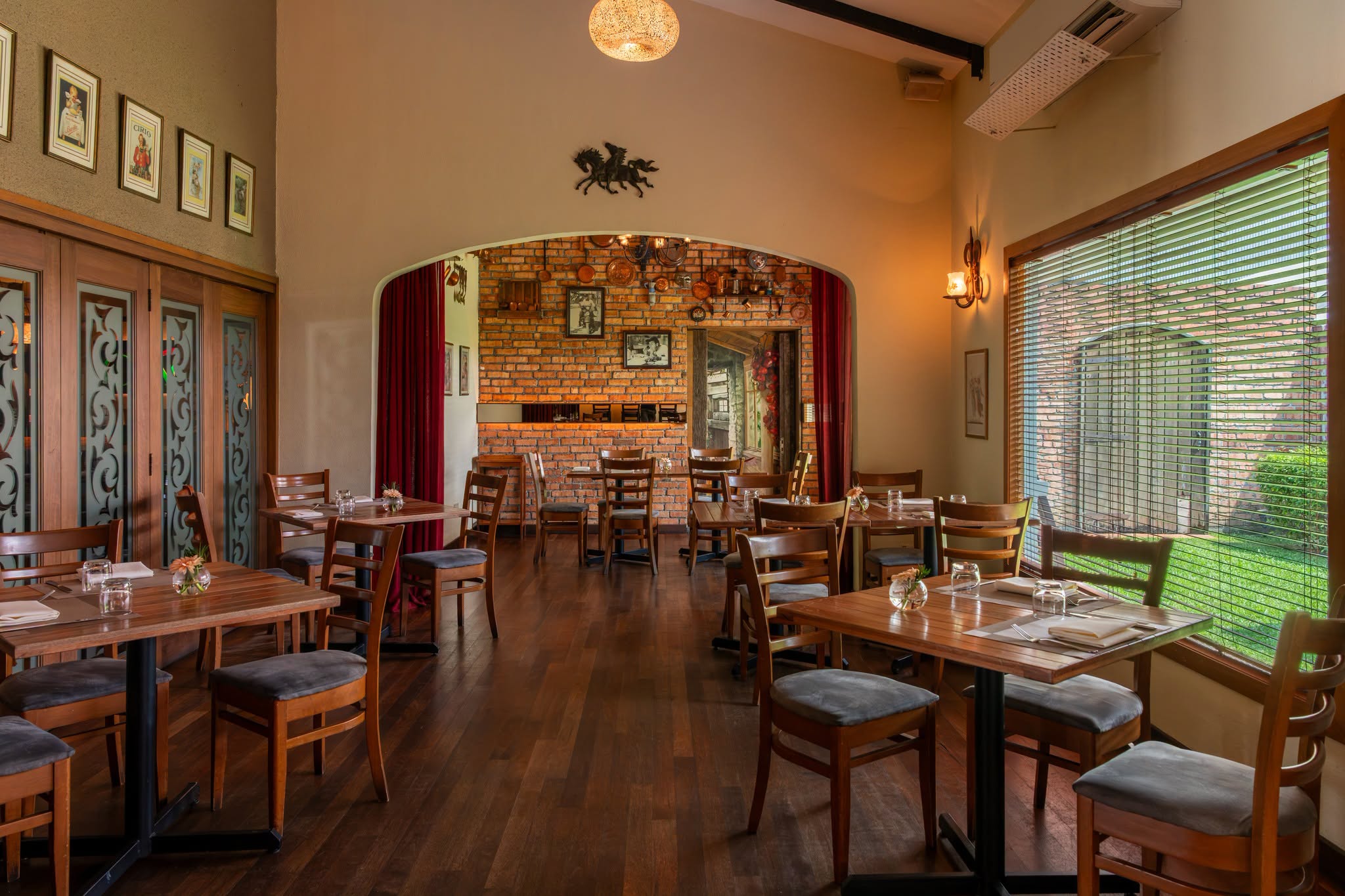
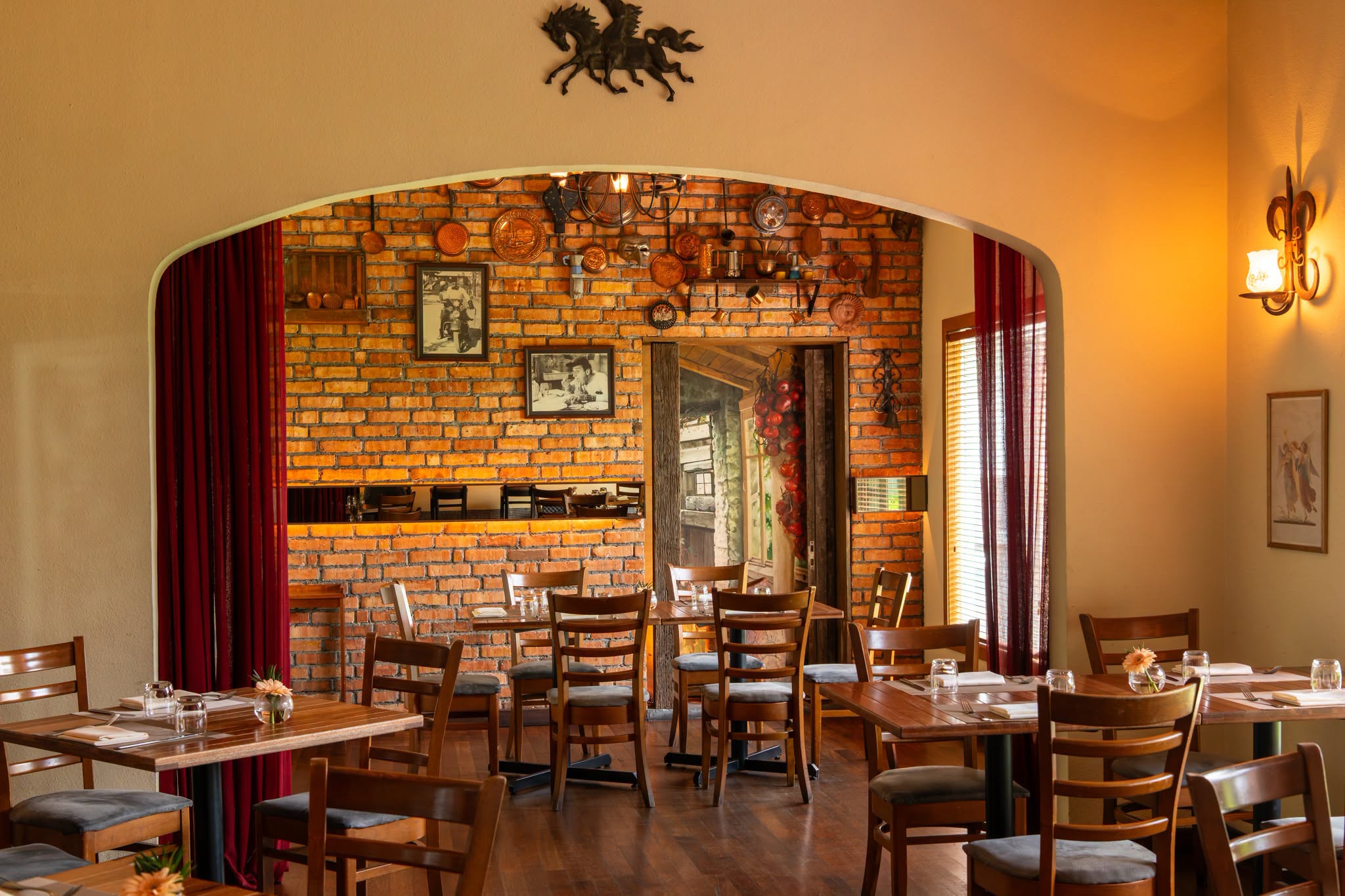
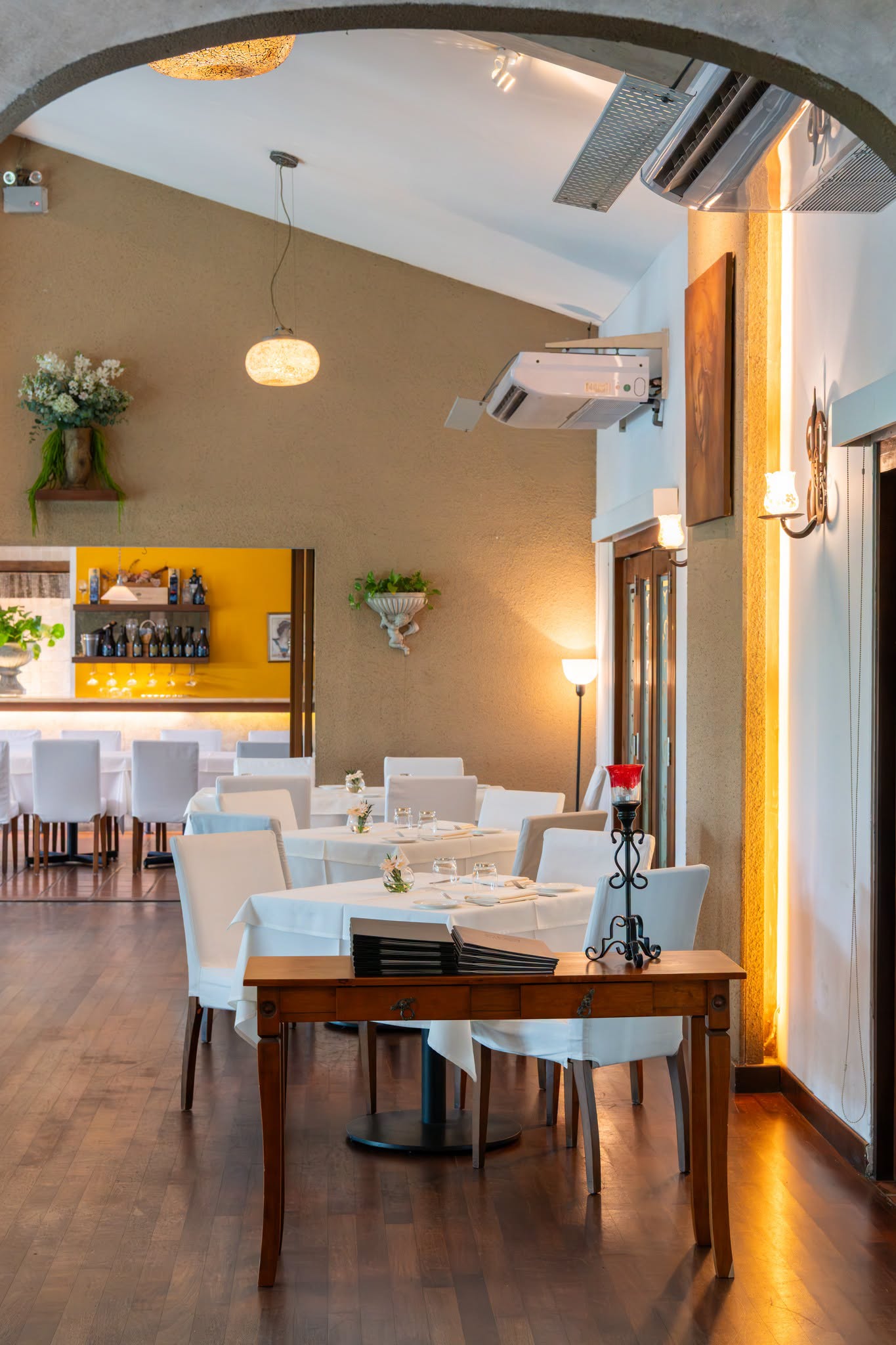
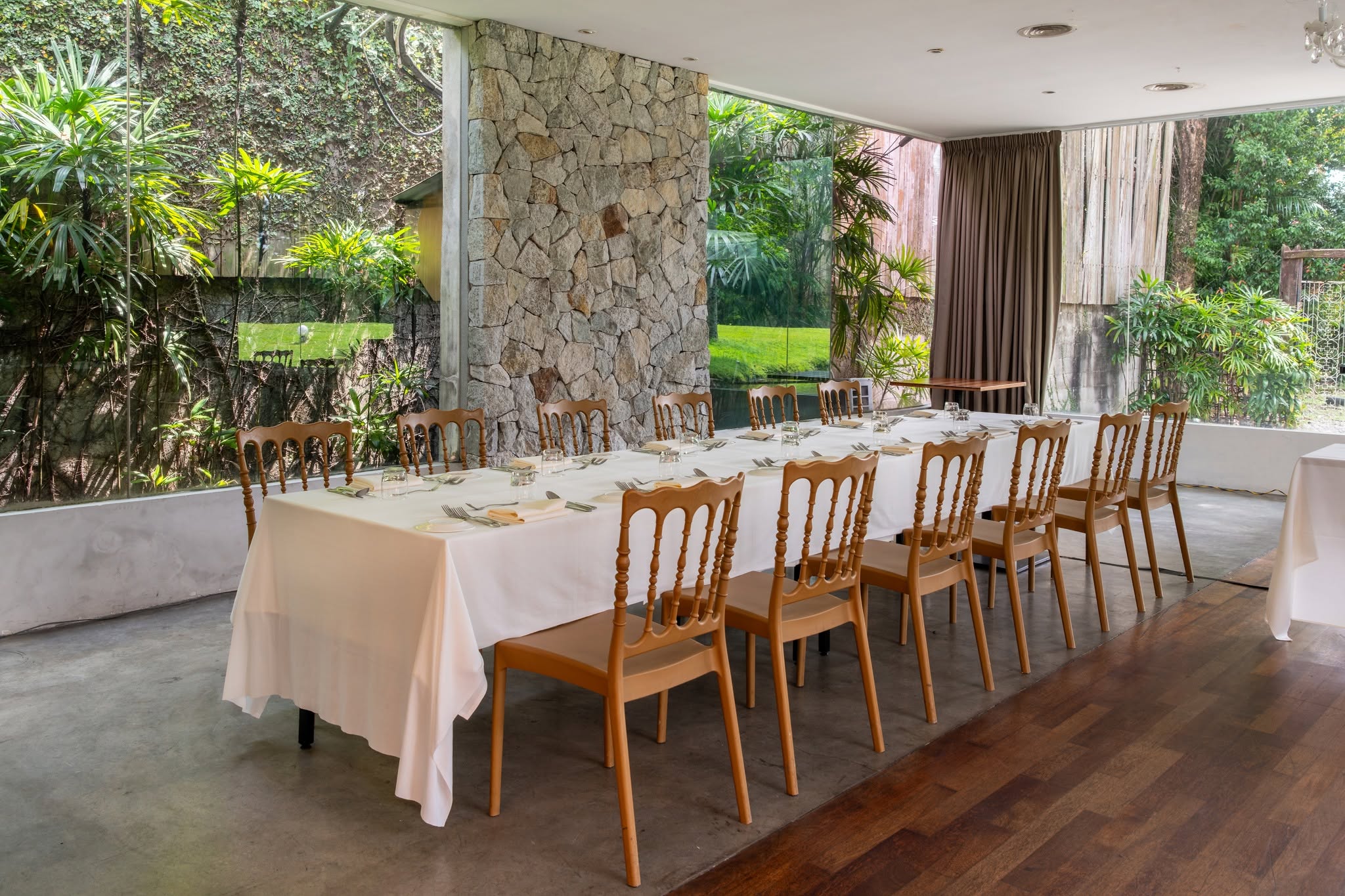
For corporate leaders weighing where to bring clients, host a management lunch or plan a milestone celebration, Ciao’s positioning is shaped as much by its physical setting as by its longevity. The restaurant is designed around a garden and a small lake overlooking an adjacent golf course as well as the magnificent The Exchange TRX, giving it an outdoor character that is uncommon among Italian restaurants in the city.
The property is split between outdoor and indoor event spaces. Outdoor areas — the Canopy, Glass House and Main Bar Area — can accommodate up to 300 guests, with the Canopy alone fitting 30 round banquet tables and a covered stage. Indoor spaces, comprising the Main Dining Room, Lounge Bar and Veranda, hold up to 150 guests, with the Main Dining Room fitted with a ceiling-mounted projector and PA system for corporate presentations.
Practical considerations for larger gatherings are also addressed: parking for approximately 60 vehicles with complimentary valet service depending on event scale, motorised roller blinds and covered walkways for wet weather, and external decoration and audio-visual vendors permitted at no additional charge. That combination of flexibility and scale has made the restaurant a recurring choice not only for corporate functions, but for weddings, registrations of solemnisation of marriage, proposals and anniversary celebrations, with the Glass House in particular suited to smaller, theatre-style ceremonies.
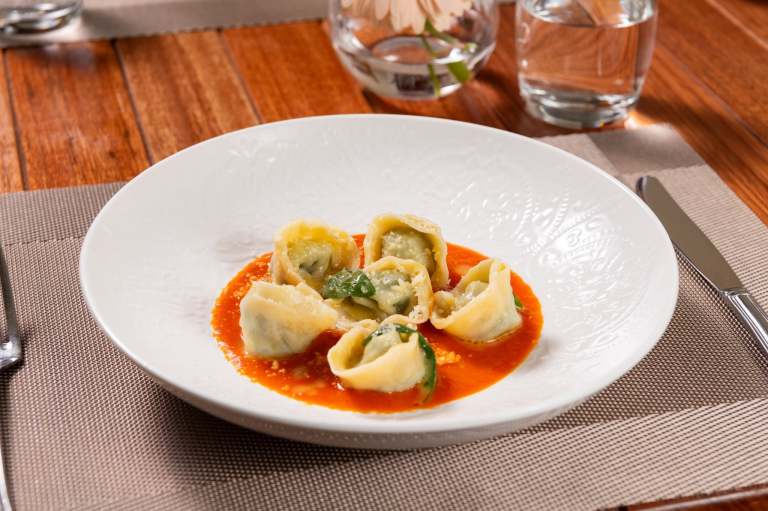
For senior office workers weighing a working lunch against the clock, Ciao’s weekday set lunch — served Monday to Friday from noon, with last order at 2.30pm — is structured as a three-course meal with a choice of dish at each stage. Starters range from mushroom or tomato soup to a beetroot, pear and rocket salad with feta and walnuts, or a stewed beef tripe “alla Romana.”
Mains are split into two tiers. The pasta option, priced at RM68, offers a choice of spaghetti, penne or fettuccine paired with sauces including carbonara, bolognese, tomato basil, vongole or aglio-olio. The second tier, at RM78, includes seabass or Norwegian salmon in garlic-anchovy sauce, grilled organic spring chicken with piquillo pepper sauce, or grilled wagyu sausages with mushroom-truffle sauce. Dessert options include homemade gelato, Sicilian cannoli and panna cotta, rounded off with espresso, americano or tea. The set menu is not offered for bulk bookings of 10 or more.
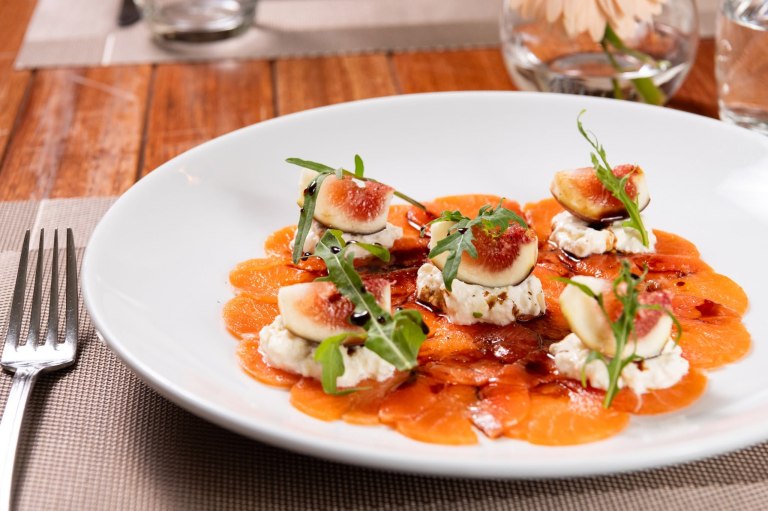
Beyond the set lunch, the a la carte menu extends to dinners and events with a considerably broader Italian repertoire. Starters range from the burrata (RM48) and carpaccio classico (RM48) already mentioned to a carpaccio di salmone with burrata, fresh figs and balsamic glaze (RM58), and a tagliere di formaggi cheese platter of Gorgonzola, Brie, Manchego and Parmesan, priced for one or two persons (RM42/RM78) — a natural shared starter for a table of colleagues or guests.
The home-made pasta and risotto selection includes ravioli di carne ai funghi, filled with beef cheeks and served with mushrooms and truffle sauce (RM68), and capellini all’aragosta, an angel hair pasta with lobster tails, cherry tomatoes and lobster bisque (RM118), alongside more familiar options such as spaghetti alle vongole (RM58) and a lasagna classica (RM58).
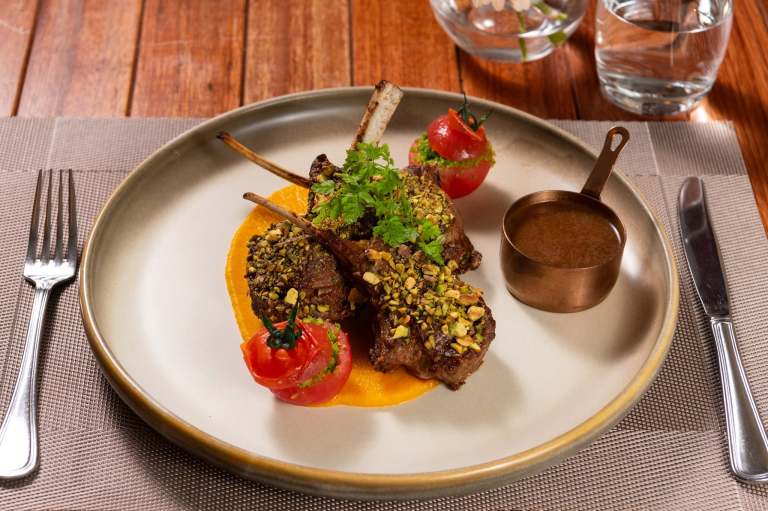
Mains and pizzas offer a similarly wide span for groups with different appetites and budgets, from a costolette di agnello — pistachio-crusted New Zealand lamb rack (RM138) — and the Australian Black Angus rib-eye (RM188), up to the RM528, 1kg Fiorentina wagyu T-bone steak, alongside pizzas such as the signature CIAO with air-dried beef and truffle oil (RM58) or the simpler Margherita (RM42).
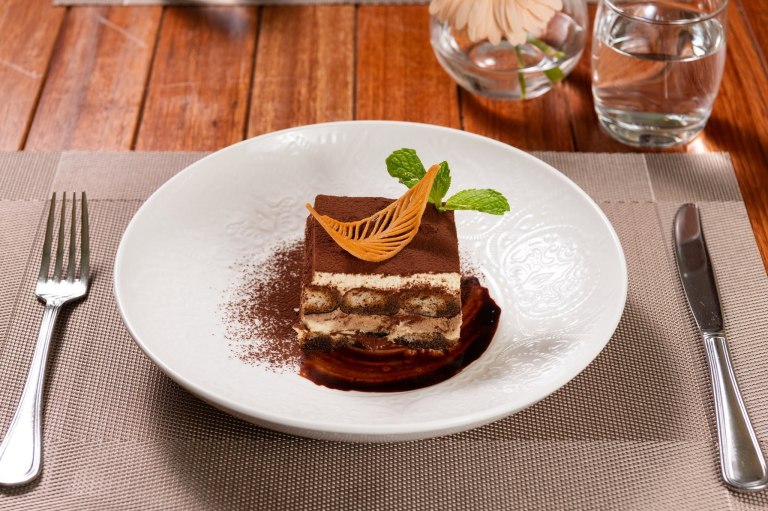
To close, the dessert list includes a classic tiramisu (RM42), Sicilian cannoli (RM36), pear tarte tatin with macadamia ice cream (RM42) and a crème brûlée (RM32) — the kind of familiar, crowd-pleasing finish that suits both a client dinner and a birthday or anniversary celebration.
Thirty-five years on, Ciao’s story is inseparable from Stecca’s own. As the restaurant marks the milestone, its continuity under one leadership — through changing tastes, two major land acquisitions that forced the business to reinvest and rebuild, and a hospitality industry now driven by viral moments — stands as its own quiet argument for why some establishments are trusted with occasions that matter, corporate or personal.
Ciao Ristorante is located at 20A, Jalan Kampung Pandan, Off Jalan Tun Razak, 55100 Kuala Lumpur.
For enquiries, call 03 – 9285 4827, WhatsApp 018 – 328 1835 or visit ciao.com.my
Reservations can be made at https://reservation.umai.io/en/widget/ciao-ristorante

 timchew.net