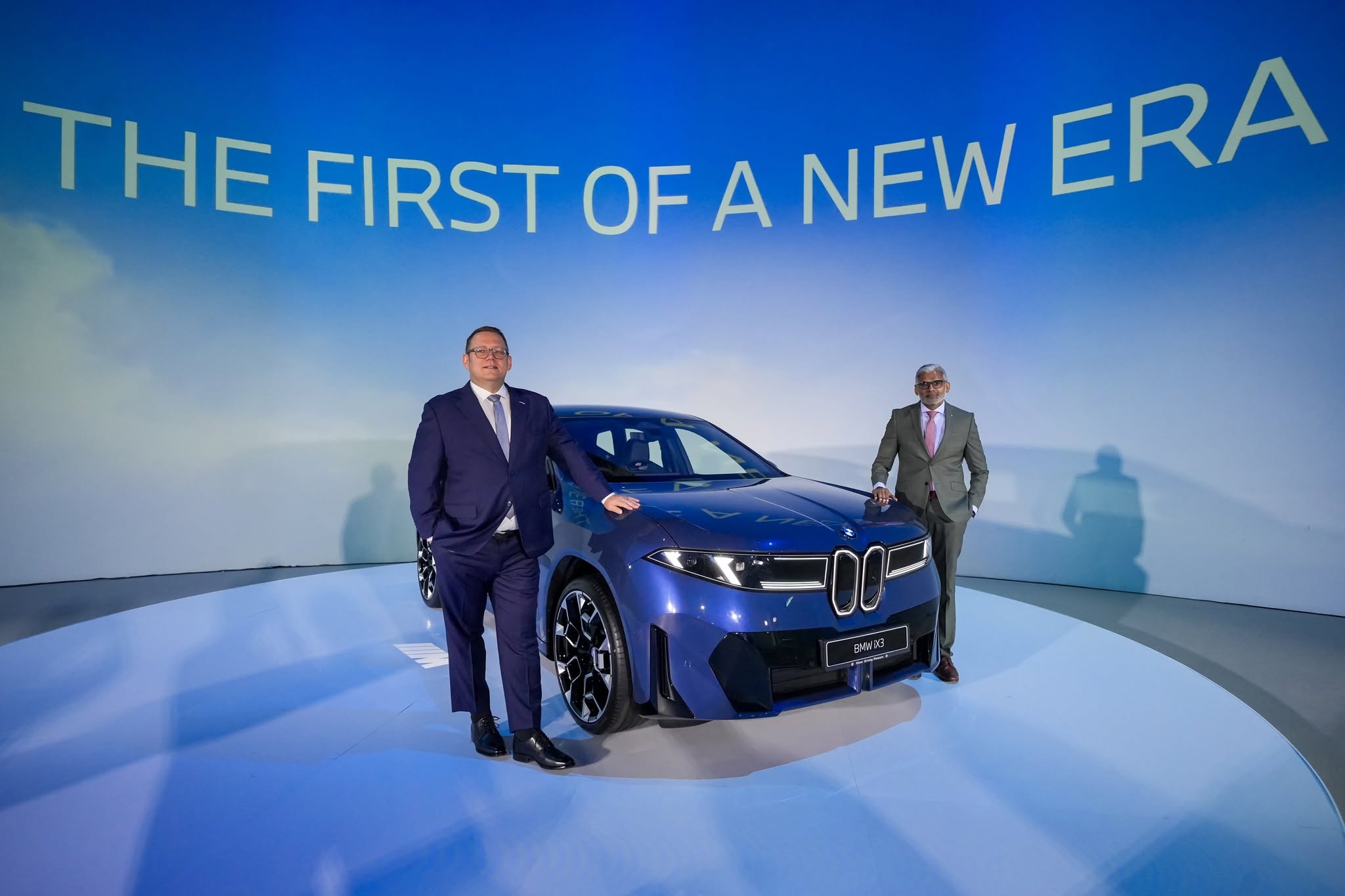
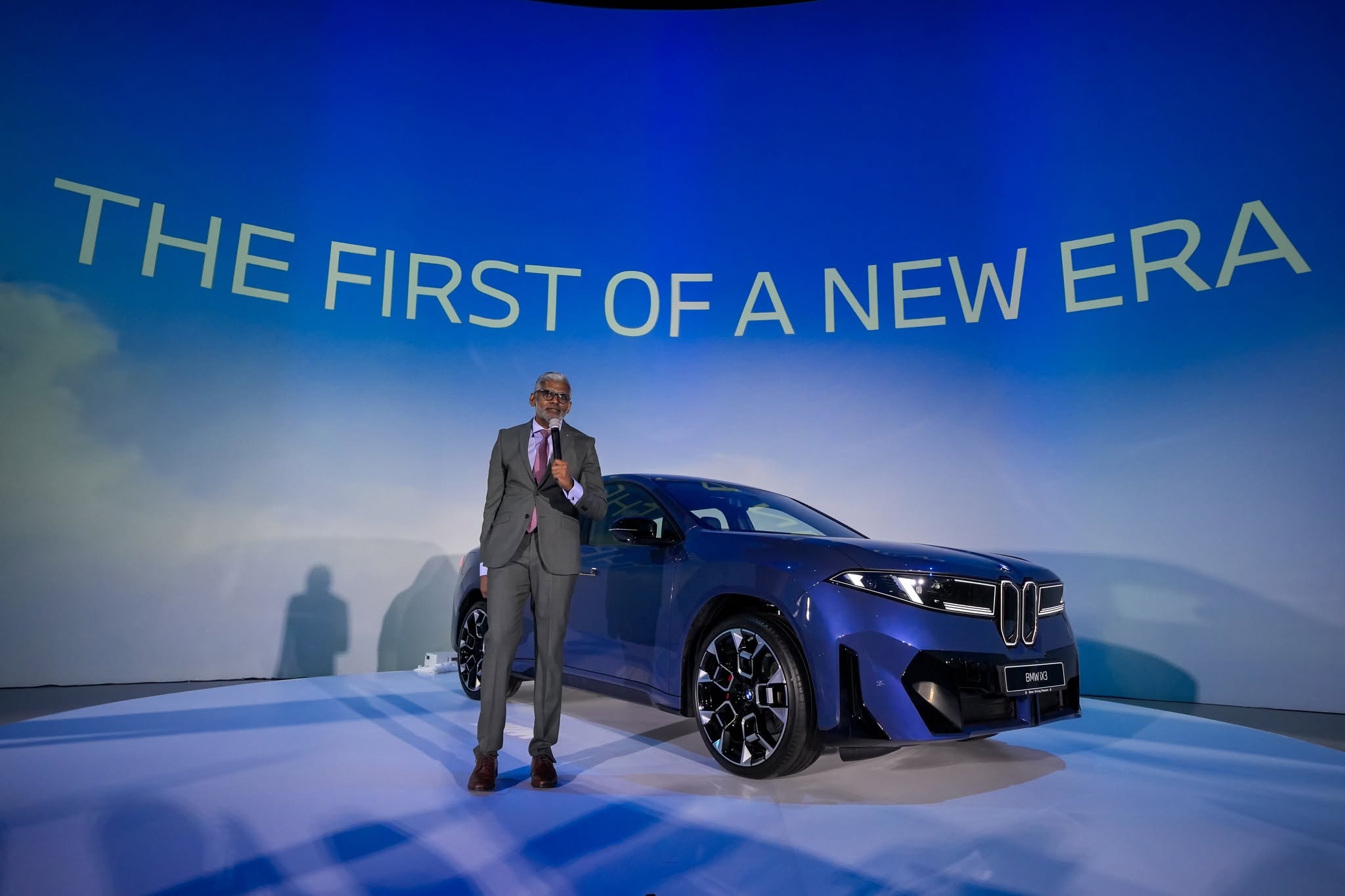
BMW Malaysia on 6 August 2026 introduced the New BMW iX3 50 xDrive M Sport Pro, the first model from the automaker’s Neue Klasse platform to arrive in the country and, according to the company, its most significant new model in a generation.
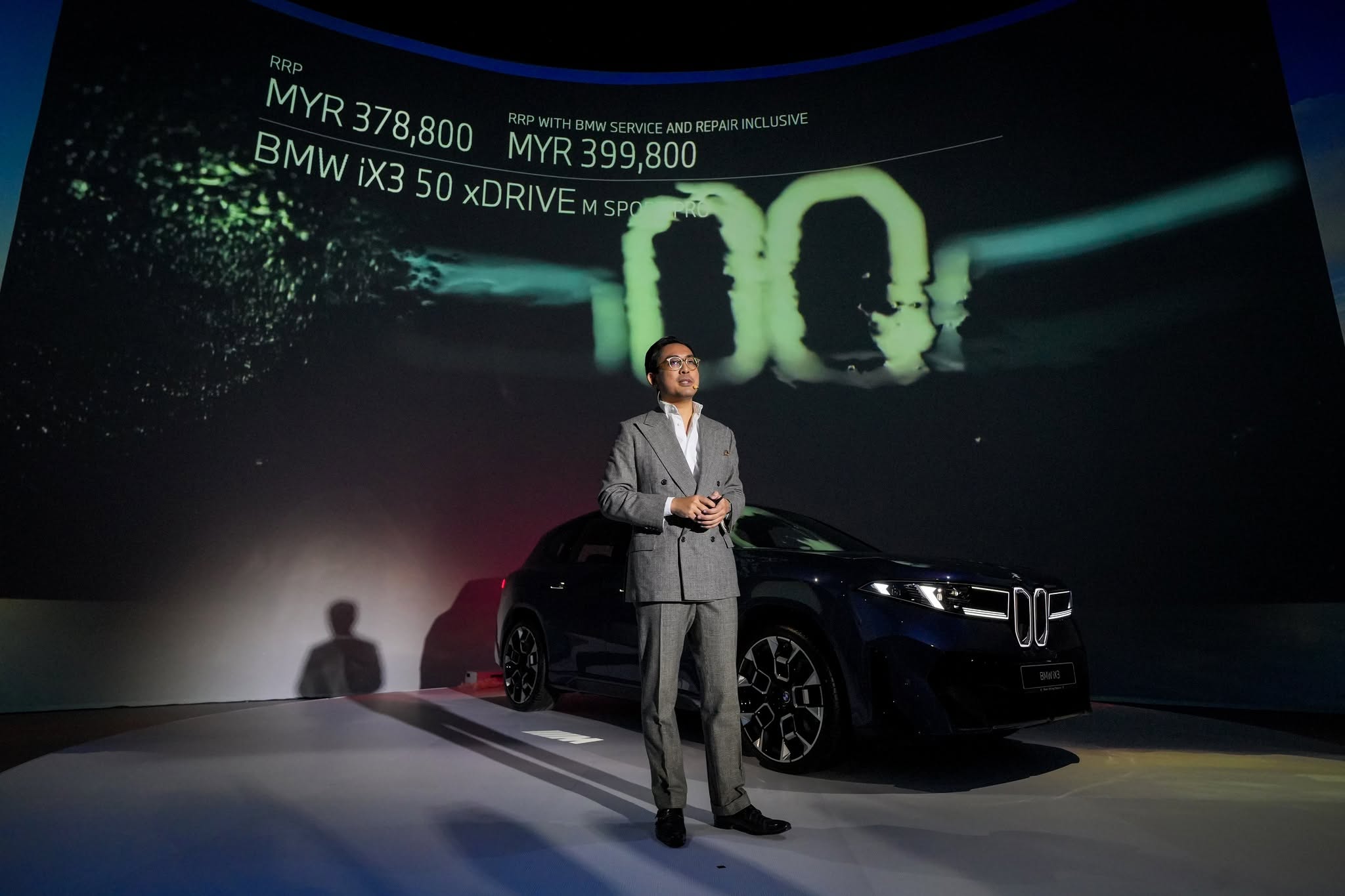
The electric sport activity vehicle was named World Car of the Year and World Electric Vehicle of the Year for 2026 by an international jury of 98 motoring journalists before its Malaysian debut. It goes on sale at all authorised BMW dealerships nationwide starting Aug. 8, with a recommended retail price of RM378,800, or RM399,800 when bundled with BMW’s Service & Repair Inclusive package
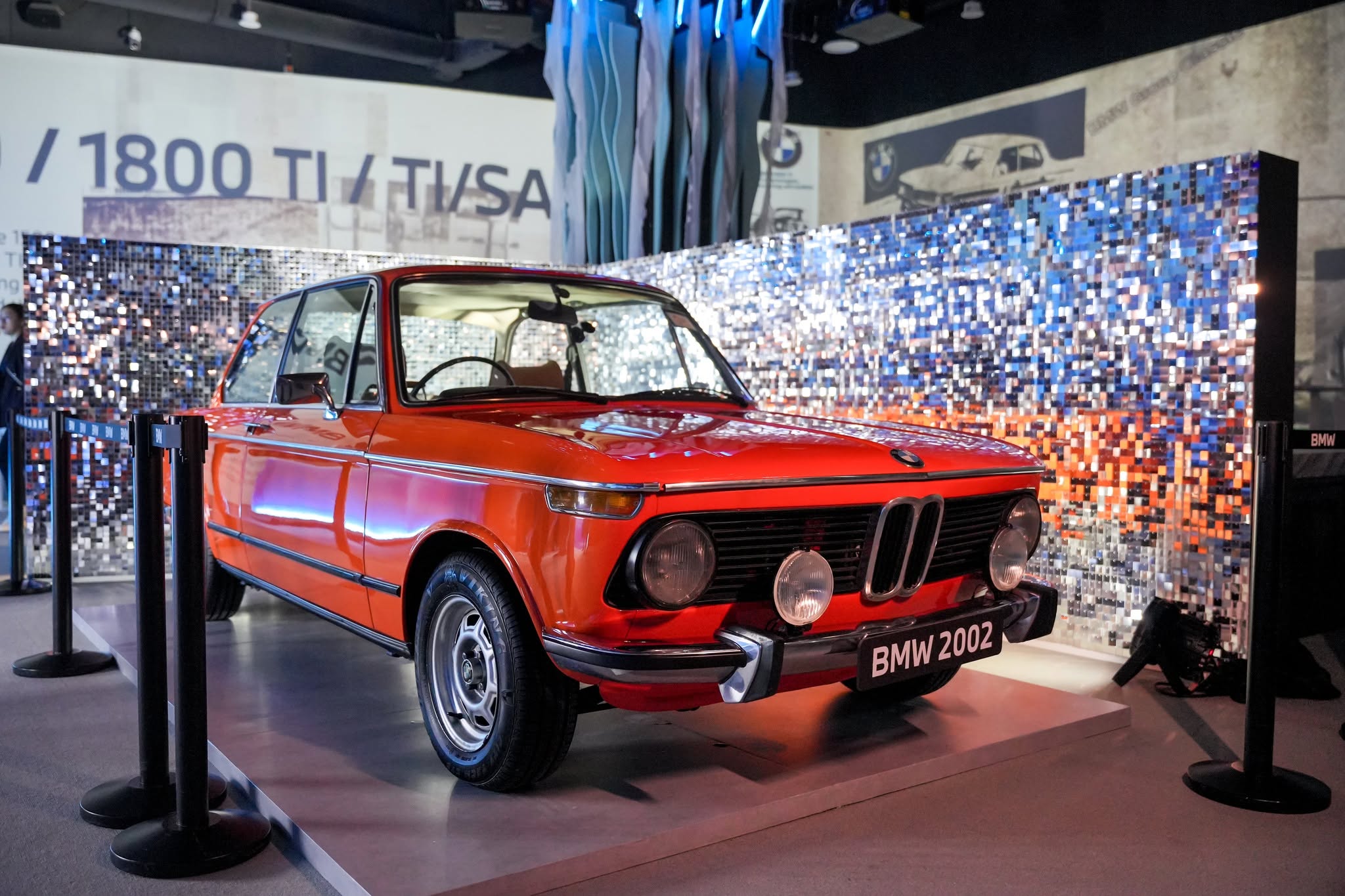
“As the leader in the premium segment of the automotive industry, the BMW Group always sets the benchmark for the segment, changing what you believe is possible for vehicles in the premium segment. In the 1960s, the original Neue Klasse, beginning with the BMW 1500, transformed not only what BMW was capable of but the entire premium segment itself, setting the direction and benchmark for every vehicle in the segment. Today, the New BMW iX3 and the modern concept of the Neue Klasse is that vehicle for this generation. Already named World Car of the Year and World Electric Vehicle of the Year 2026, the New BMW iX3 is redefining the experience of every BMW and the premium segment itself moving forward. There is a quality to the way the BMW iX3 responds to customers today — from steering input and dynamic driving capabilities to advanced technological capabilities including Artificial Intelligence abilities to Circularity and modern methods and thinking in its creation. This is the Ultimate Driving Machine that will offer nothing but Sheer Driving Pleasure at a level that has not existed before and is best understood from behind the wheel. What makes this moment significant for Malaysia is not simply that this vehicle is here but the future of the BMW brand that arrives with the introduction of the First New Vehicle from the portfolio of Neue Klasse.”
Benjamin Nagel, managing director of BMW Group Malaysia
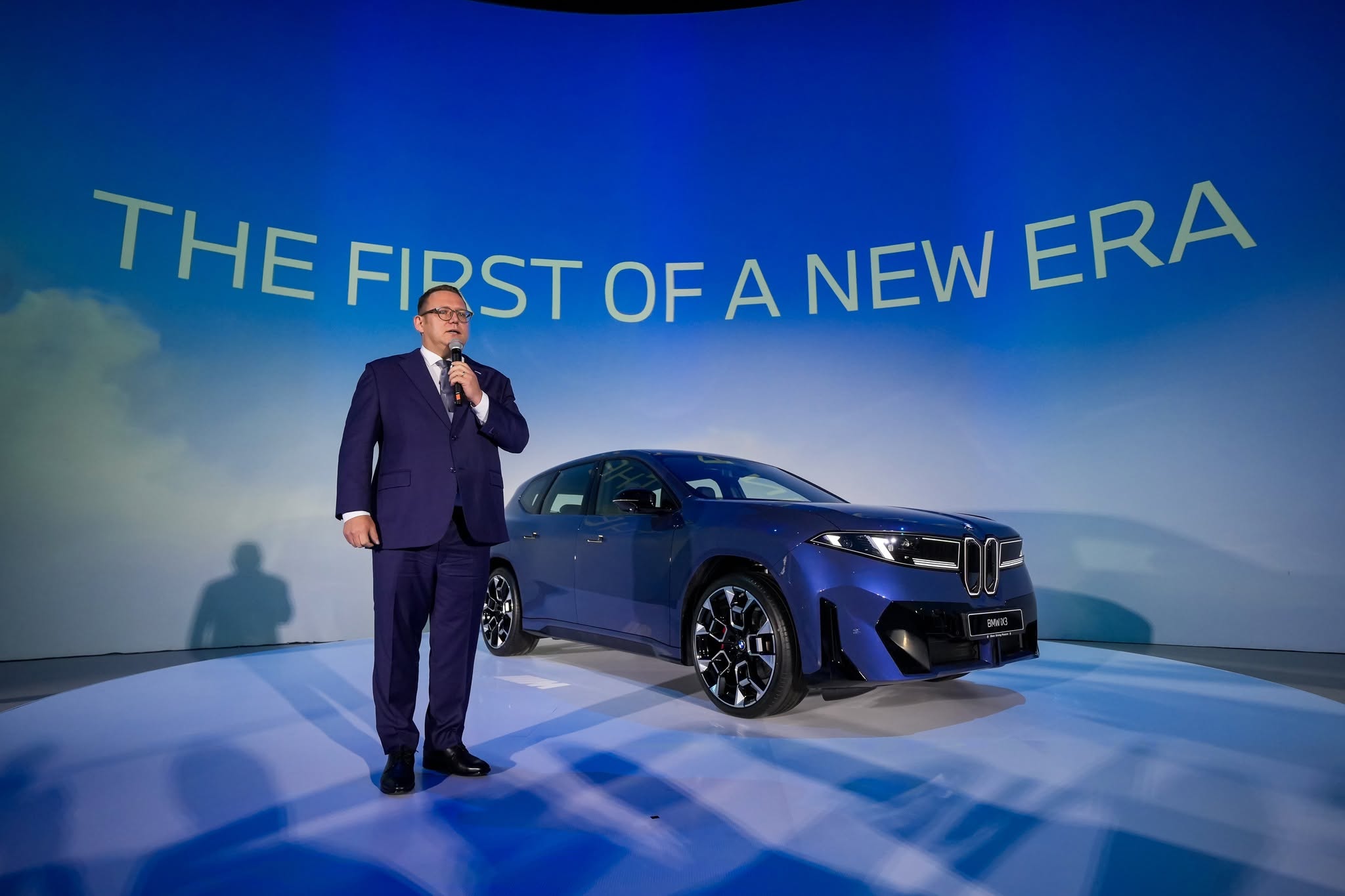
The iX3 50 xDrive M Sport Pro is the first production vehicle to use BMW’s sixth-generation eDrive technology, built on an 800-volt electrical architecture. Its high-voltage battery uses cylindrical cells arranged in a cell-to-pack configuration, giving a usable energy content of 108.7 kWh in what BMW describes as a more compact, space-efficient form. The battery housing is integrated into the vehicle’s underbody, which the company says lowers the center of gravity.
Two electric motors, one on each axle, produce a combined 345 kilowatts, or 469 horsepower, and 645 newton-meters of torque, sent through a single-speed automatic transmission to BMW’s xDrive all-wheel-drive system, which is rear-biased. BMW lists acceleration from zero to 100 km/h at 4.9 seconds and a top speed of 210 km/h.
The vehicle’s control unit, which BMW calls the Heart of Joy, governs drive power and handling and is said to respond about 10 times faster than conventional systems. BMW said recuperation — the process of recovering energy during deceleration — accounts for about 98% of all braking manoeuvres on average and can bring the vehicle to a complete stop without conventional brake activation.
Rated WLTP range is up to 805 kilometers, with energy consumption of 15.1 to 17.9 kWh per 100 km and a drag coefficient of 0.24, which BMW says makes it the most efficient battery-electric Sports Activity Vehicle it has produced. The 800-volt architecture supports DC fast charging at up to 400 kW, which BMW says can add up to 372 kilometers of range in 10 minutes. The system remains compatible with 400-volt charging infrastructure.
When route guidance is active, the vehicle preconditions its battery in advance so charging can begin at the highest possible rate on arrival at a station. At charging points reached through BMW’s navigation system, the charging flap opens automatically when the driver’s door is opened and closes once the cable is unplugged; the system can also use artificial intelligence to recognise previously visited charging points by the vehicle’s direction of approach, a function that requires BMW Digital Key Plus.
The car introduces BMW Panoramic iDrive, a new interface built around a 43.3-inch projection — called BMW Panoramic Vision — that spans the windshield from pillar to pillar. Driving data appears directly above the steering wheel, while up to six widgets covering navigation, weather, media and other functions can be arranged elsewhere in the display. BMW said the display remains legible when viewed through polarised sunglasses.
A separate BMW 3D Head-Up Display projects navigation and driver-assistance information as a three-dimensional image with adjustable perspective. A 17.9-inch central touch display, described by BMW as having a “Free-Cut” design, houses the controls for the BMW Operating System X software, accessible through the system’s QuickSelect menu; favourite widgets can be moved from the central display onto the panoramic projection.
The system is paired with an updated BMW Intelligent Personal Assistant capable of natural-language interaction for navigation, communication, entertainment and vehicle functions, along with proactive suggestions and saved routines that can run automatically at the start of a trip. Two voice options are offered, with functionality expanded when a BMW ID is active in the vehicle.
The multifunction M steering wheel is flattened at the top and bottom, with contextual “Shy Tech” controls on the left spoke that appear only when relevant, and infotainment controls on the right spoke; all controls use a haptic-feedback surface.
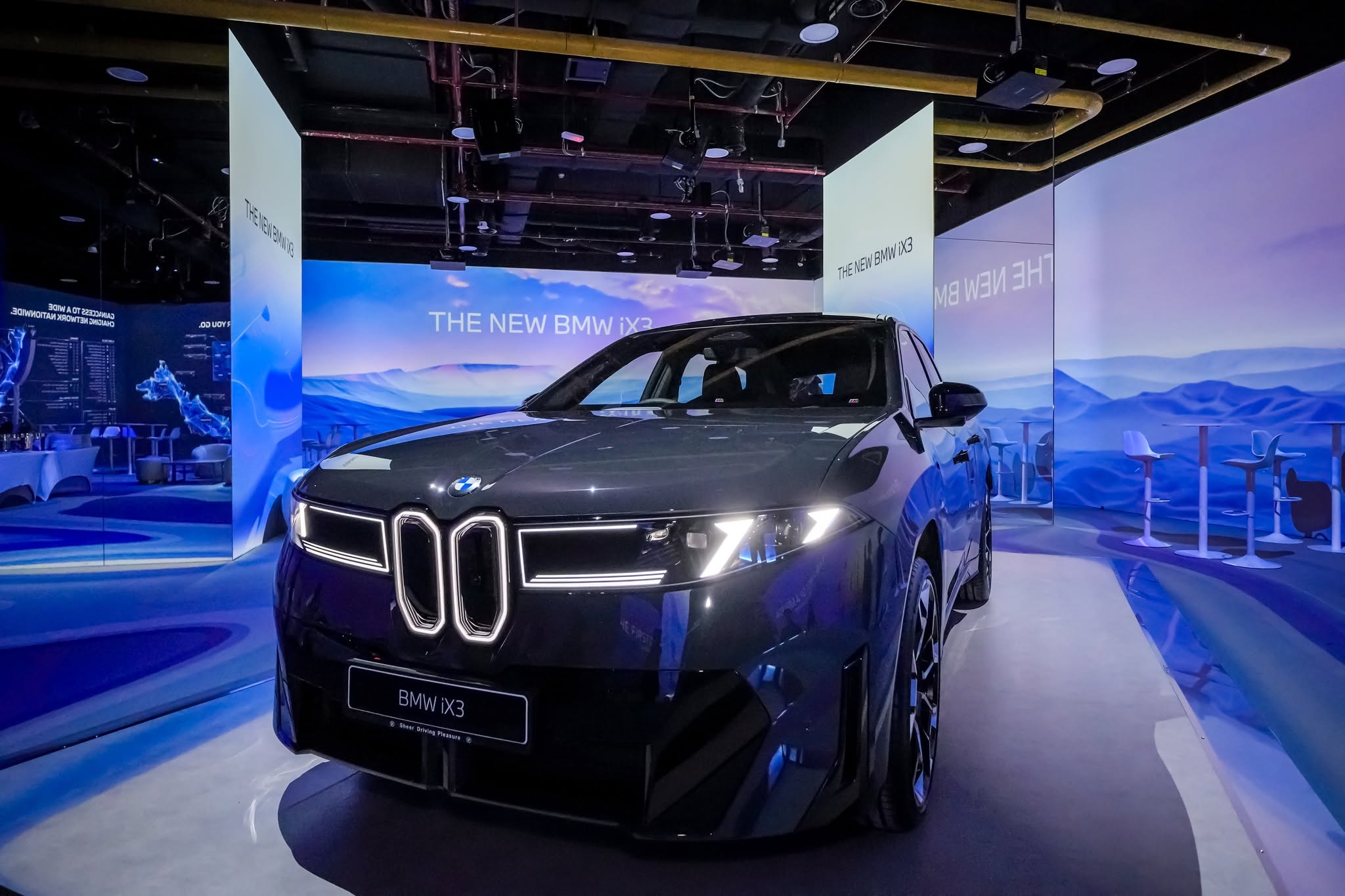
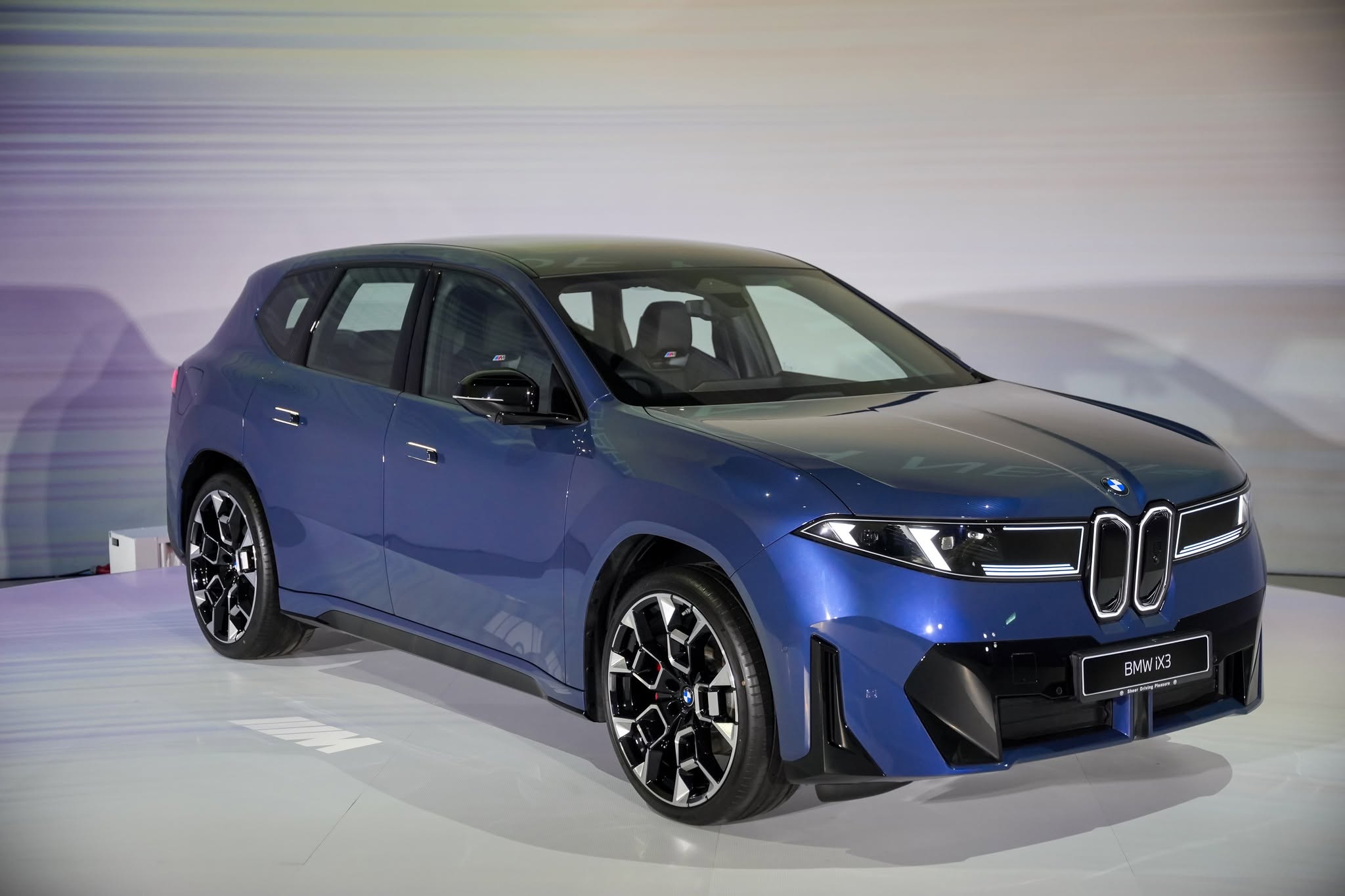
BMW described the exterior as introducing a new design language for the brand, with smooth surfaces and restrained lines. At the front, a vertical kidney grille is lit using the company’s Iconic Glow lighting rather than chrome trim. M Sport package elements include painted bumpers and side sills, flush door handles with contour lighting, and window trim finished in black to the Hofmeister kink, a design reference to the rear side window line historically associated with BMW models. An automatic charging flap is integrated into the rear quarter panel.
At the rear, BMW said large light clusters frame a redesigned badge above horizontal lines. The test model rides on staggered 22-inch Y-spoke style 1054 M bicolour wheels — 9J x 22 with 255/35 R22 tires at the front and 9.5J x 22 with 275/35 R22 tires at the rear — with M Sport brakes finished in red.
Inside, the cabin uses the Interior Design BMW M in black, with a textile-finished instrument panel that includes backlighting and integrated, electrically adjustable air vents. M Sport front seats include a seven-program massage function, electric adjustment with memory settings, heating for the driver and front passenger, and heated steering wheel controls, all fitted as standard along with M seat belts, the Comfort Access keyless entry system and a wireless phone-charging tray. Audio is handled by a 430-watt, 13-speaker Harman Kardon system.
Rear-seat passengers get adjustable seatbacks, a center armrest with cup holders, two USB-C ports and a touch display for independent control of the three-zone climate system. A panoramic sunroof with UV-filtering glazing is fitted. Cargo capacity is 520 liters, expanding to 1,750 liters with the rear seats folded in a 40/20/40 split. BMW said the vehicle includes a 58-liter storage compartment under the hood — a first for the brand — built partly from recycled maritime material, which the company said accounts for 30% of the compartment’s construction.
Six exterior colours are offered, all paired with the black M interior: Alpine White, Black Sapphire, M Brooklyn Grey, Space Silver, and two new finishes, Ocean Wave Blue and Polarised Grey.
Standard equipment includes Driving Assistant, with lane-keeping assistance, lane-departure warning, side-collision warning, emergency-stop assistance, cruise control, lane-change warning and speed-limit information. The M Sport Pro trim adds Driving Assistant Plus, which provides steering and braking support, adaptive speed and following-distance control, automatic adjustment to detected speed limits, and automatic slowing near corners, roundabouts and junctions.
For parking, the standard Parking Assistant suite includes active park-distance control, drive-off monitoring, crossing-traffic warning, reversing assistance and exit warning. Parking Assistant Professional, included on this trim, adds a 360-degree camera view, a parking-manoeuvre system operable by smartphone from up to six meters away, and forward-and-backward remote parking movement with the driver nearby.
Connectivity features include Apple CarPlay and Android Auto integration, with navigation shown on the panoramic display and head-up display; BMW Digital Premium, which provides streaming audio, video, gaming and navigation services; and a parking-collision recorder that alerts the driver’s phone through the My BMW app if the parked car is struck. BMW Digital Key Plus, using ultra-wideband technology, serves as the primary key and can recognise an approaching driver without the key being removed from a pocket or bag, triggering exterior lighting and automatically extending door handles. Each vehicle ships with a setup card, a physical backup key and a service card. The car also includes Intelligent Emergency Call and Teleservices connectivity.
The recommended retail price, on the road without insurance, is RM378,800 for the base configuration and RM399,800 with the Service & Repair Inclusive package. BMW said prices and specifications are subject to change and that global semiconductor supply constraints could affect availability of some features.
The iX3’s arrival matters less for any single spec sheet and more for what it signals about where BMW’s electric lineup — and the broader premium EV market in Malaysia — is heading. The Neue Klasse platform is the foundation BMW plans to build much of its next generation of vehicles on, so the iX3 effectively previews the technology, software and design cues that are likely to appear across other BMW models in the coming years. For buyers deciding whether to commit to an electric SUV now or wait, that makes this launch a reasonable benchmark for what “current” will look like for BMW electric vehicles through the rest of the decade.
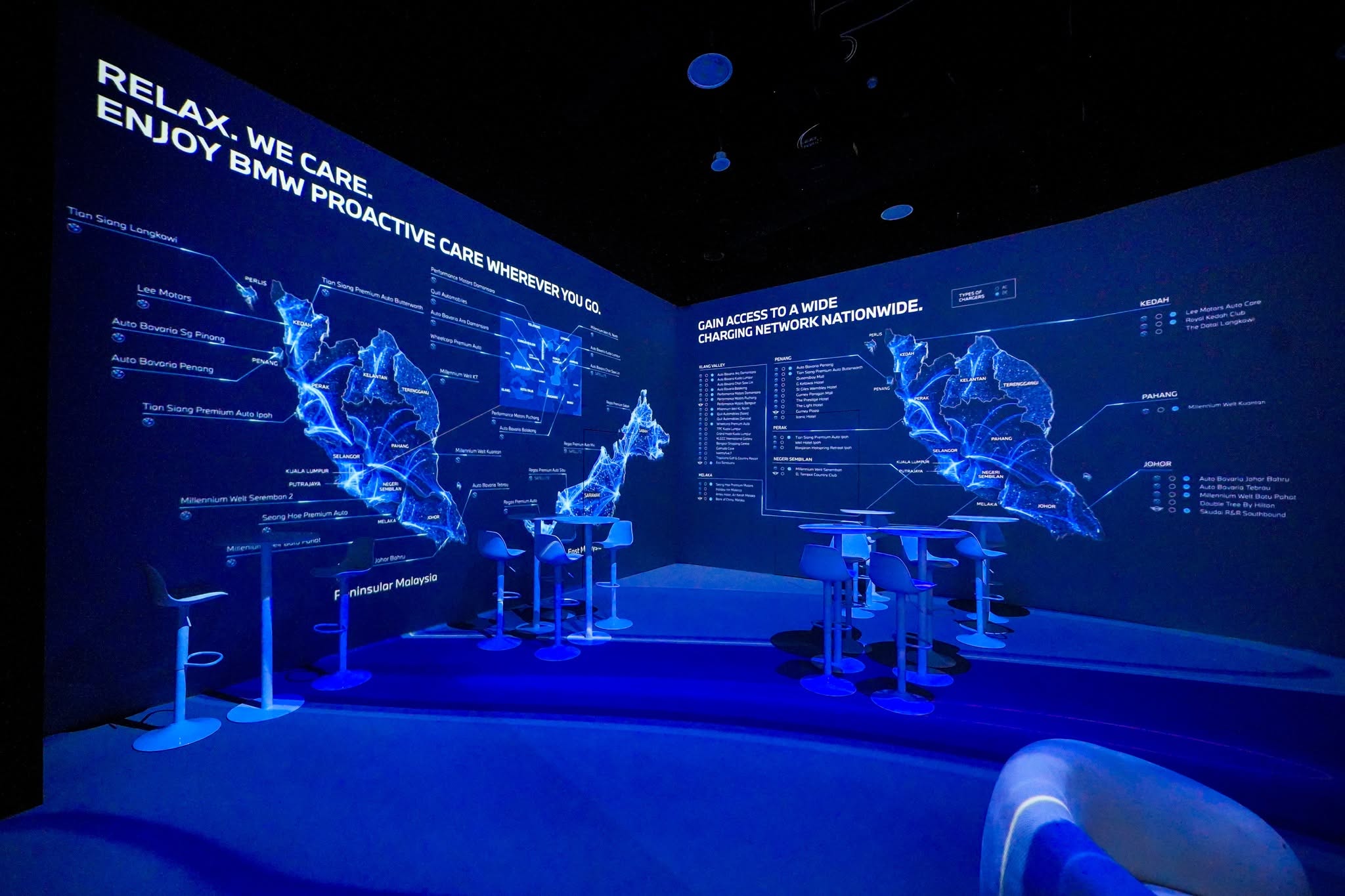
On practical terms, the specifications address two of the most common hesitations Malaysian buyers have cited about EVs: range anxiety and charging speed. A WLTP-rated range of up to 805 km and DC fast-charging that can add roughly 372 km in 10 minutes bring the iX3 closer to the refuelling convenience of a combustion vehicle, provided charging infrastructure capable of delivering those speeds is available where a buyer actually drives. That caveat matters — Malaysia’s public high-power charging network is still expanding, and real-world charging speeds will depend on which stations are accessible along a given route, not just what the vehicle itself can theoretically accept.
Pricing and financing structure will likely be the more immediate factors for most shoppers. At RM378,800 to RM399,800 on the road, the iX3 sits in the upper-premium SUV segment, and the promoted monthly instalment figures (from RM4,504 under Easy Drive or RM4,632 under Straight-Line Financing) are based on an 80% loan margin and specific tenures, so actual payments will vary with a buyer’s down payment, credit terms and chosen tenure. The Easy Drive plan’s guaranteed future value and end-of-term flexibility to keep, return or upgrade the vehicle is worth weighing against Straight-Line Financing’s ownership-from-day-one structure, depending on how long a buyer intends to keep the car. The bundled service and warranty coverage — including an eight-year battery warranty — also offers a longer horizon of cost predictability than is typical for a first-generation vehicle platform, which may reassure buyers wary of early-adopter risk on new EV architecture.
Photos by BMW Malaysia.

 timchew.net