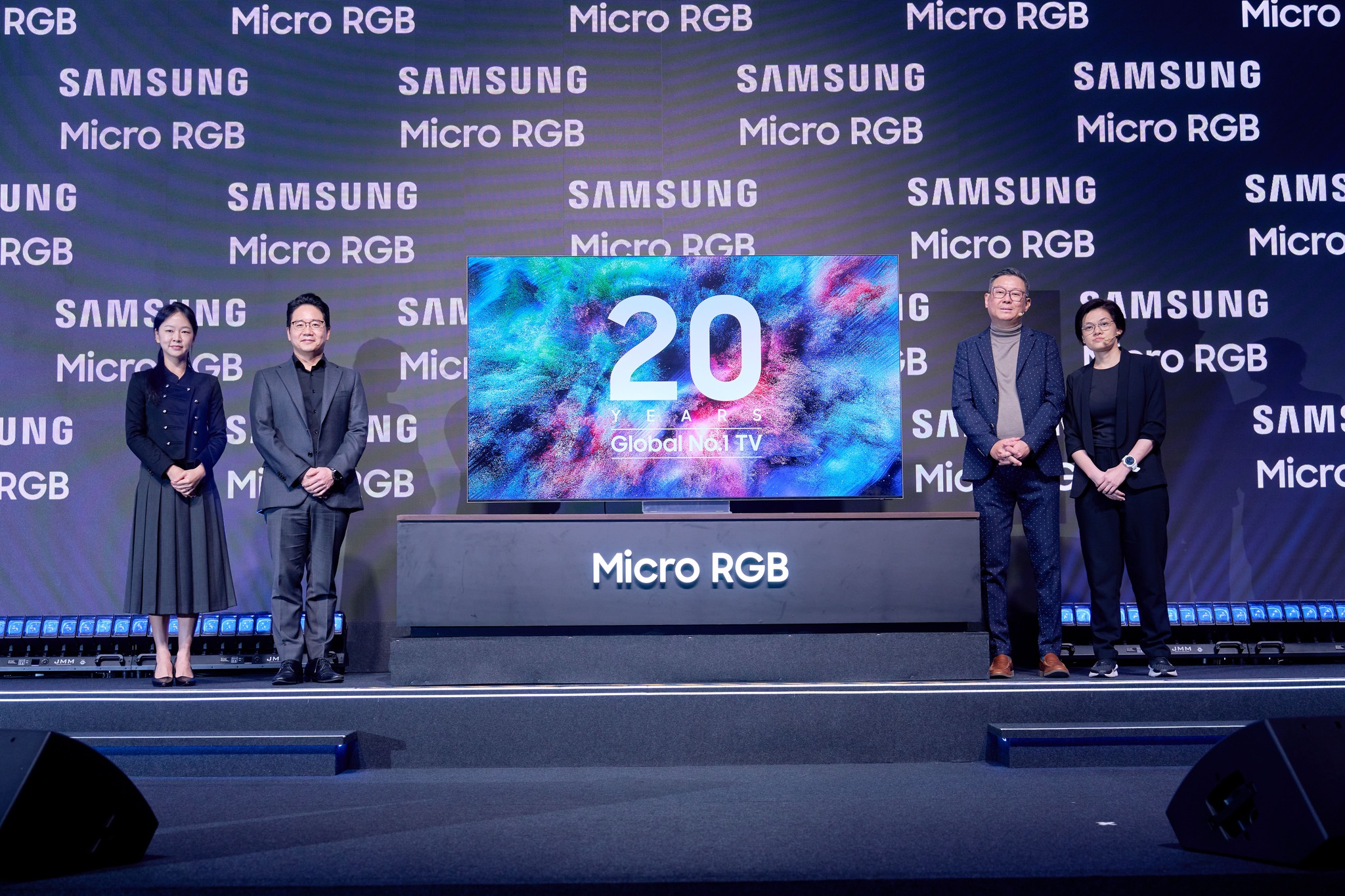
Samsung Malaysia launched its full 2026 television lineup in Kuala Lumpur on 18 May 2026, extending AI-powered features across all new models — from its premium Micro RGB and OLED tiers to mainstream Mini LED and UHD ranges — in what the company describes as a decisive move into the AI TV era.
The announcement marks Samsung’s 20th consecutive year as the world’s top-selling TV brand. This year’s lineup is defined by the expansion of Vision AI Companion (VAC), a platform integrating AI assistants including Bixby, Perplexity and Microsoft Copilot into the television experience. VAC is now available across all 4K-and-above models, bringing personalised content guidance and context-aware features to a wider range of screen sizes and price points than any previous Samsung TV cycle.
“Samsung’s 2026 AI TV lineup reflects our vision of making intelligent and connected home entertainment more accessible to consumers in MalaysiaWith Samsung Vision AI, we are transforming the TV into more than just a screen — it becomes a smart companion that delivers more personalised viewing, immersive entertainment and seamless connectivity within the home ecosystem. Together with our latest Q-Series Soundbars featuring Dolby Atmos spatial audio technology, consumers can enjoy a more cinematic and elevated entertainment experience at home.”
Charles Kim, President of Samsung Malaysia Electronics

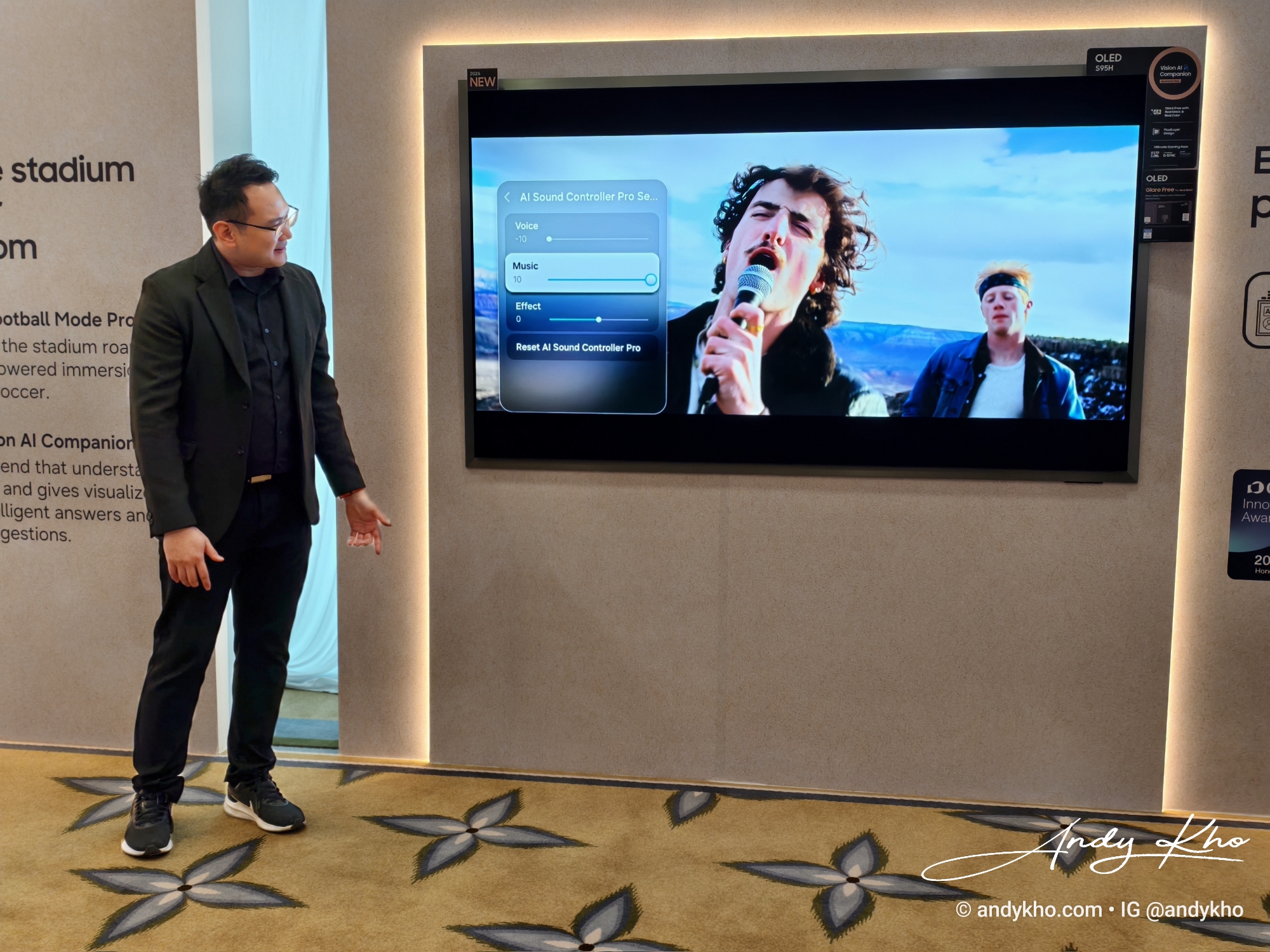
Across the lineup, Samsung has introduced several AI-driven enhancements. AI Upscaling Pro analyses and refines lower-resolution content in real time, while Color Booster Pro handles scene-by-scene colour optimisation. AI Soccer Mode — a feature likely to appeal to Malaysian viewers given the country’s strong football following — processes match footage in real time to optimise picture and audio, including crowd noise and commentary balance. AI Sound Controller Pro extends similar real-time processing to the broader audio track.
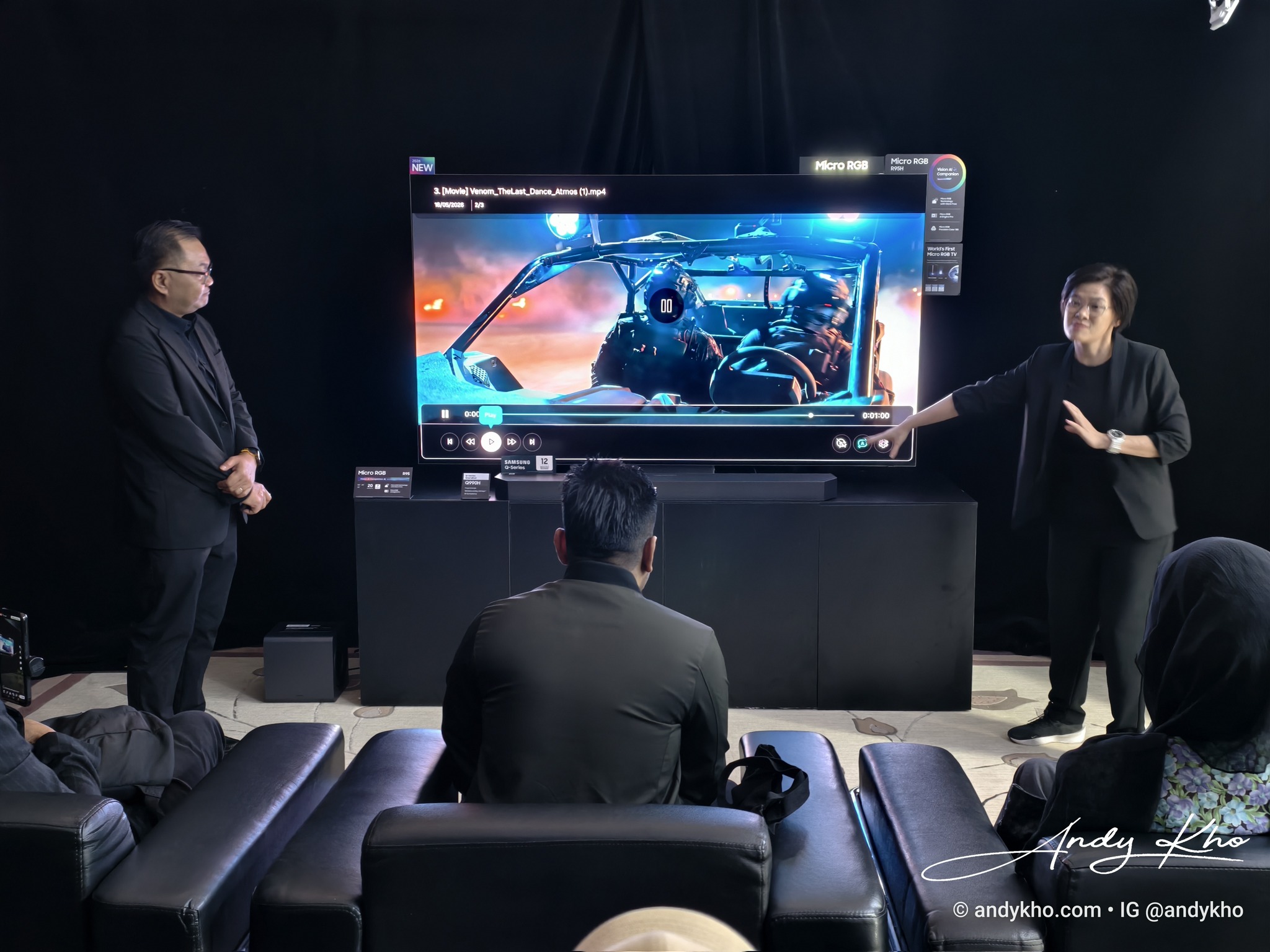
At the premium end, the Micro RGB lineup — available in the R95H and R85H series from 65 to 115 inches — uses individually controlled red, green and blue micro LEDs for precise light control, richer colour and improved contrast. The R95H has received Safety for Eyes and Circadian Rhythm Display certifications from VDE, a German testing institute, a distinction Samsung positions as relevant to extended viewing comfort.
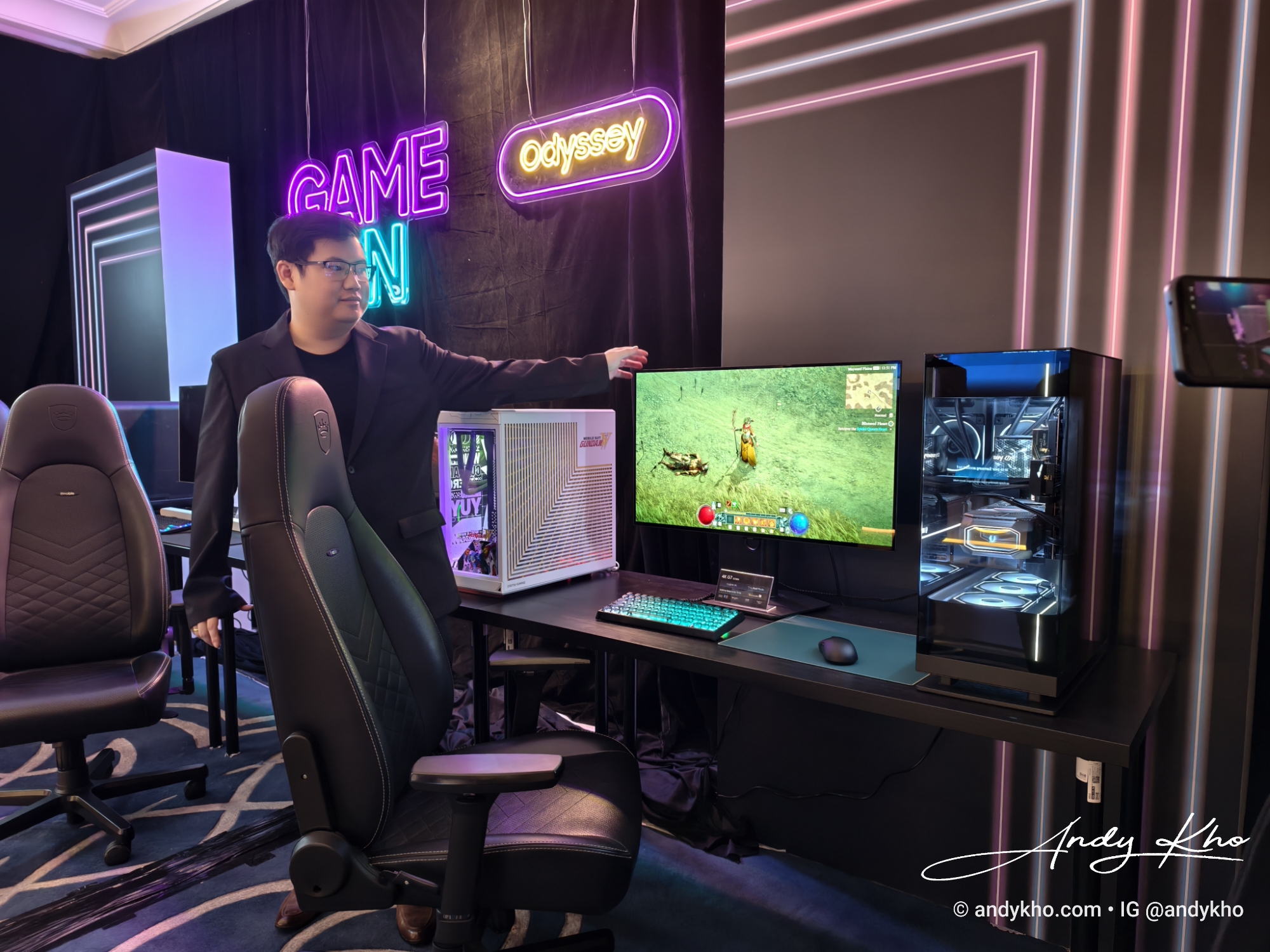
The 2026 OLED range covers three models — the S95H, S90H and S85H — with Glare Free technology, previously exclusive to the S95F, now extended to both the S95H and S90H. The flagship S95H adds Pantone Validated ArtfulColor and Art Store integration, while the series supports the Ultimate Gaming Pack, featuring Motion Xcelerator at 165Hz and compatibility with AMD FreeSync Premium Pro and NVIDIA G-SYNC.
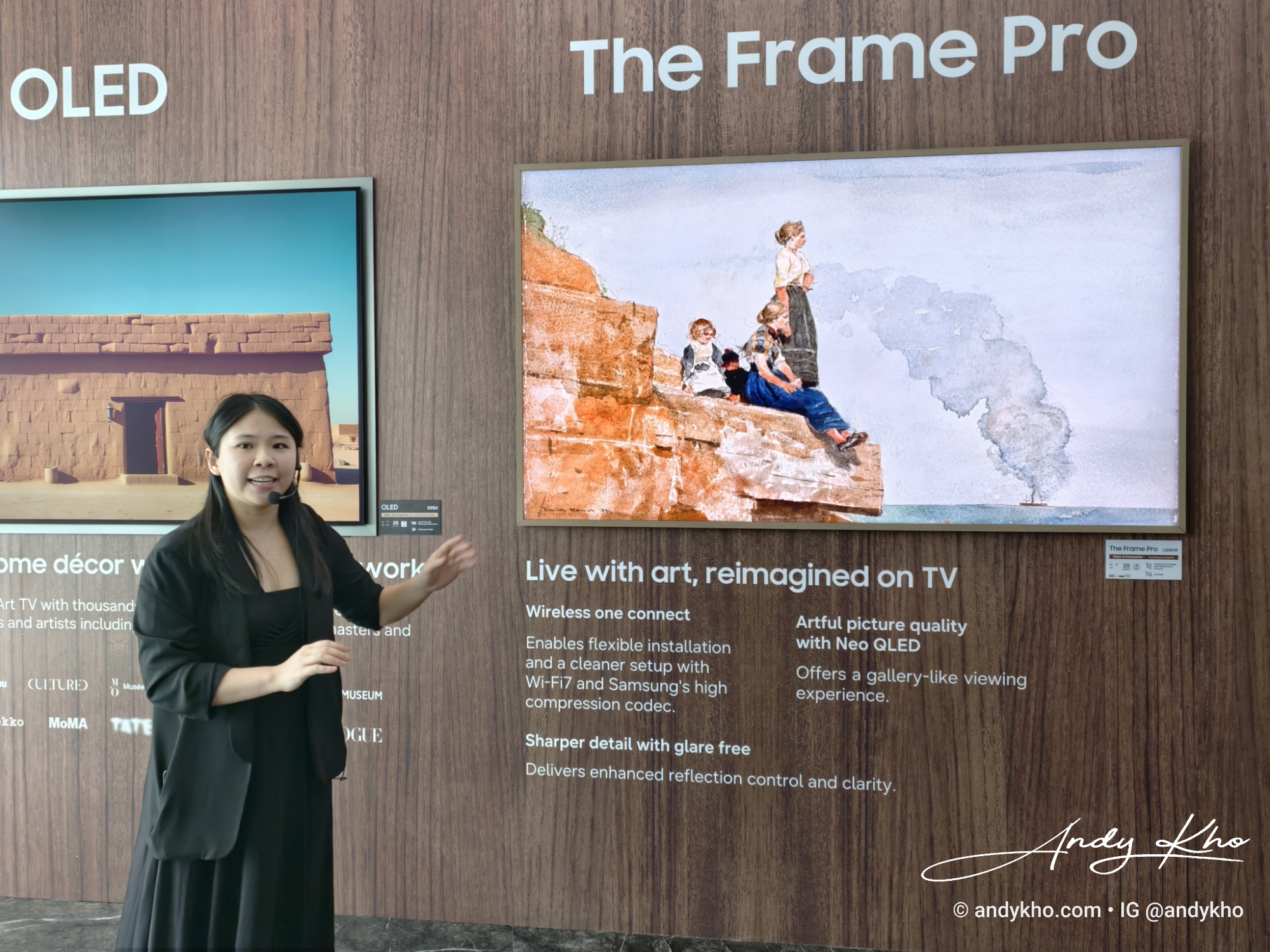
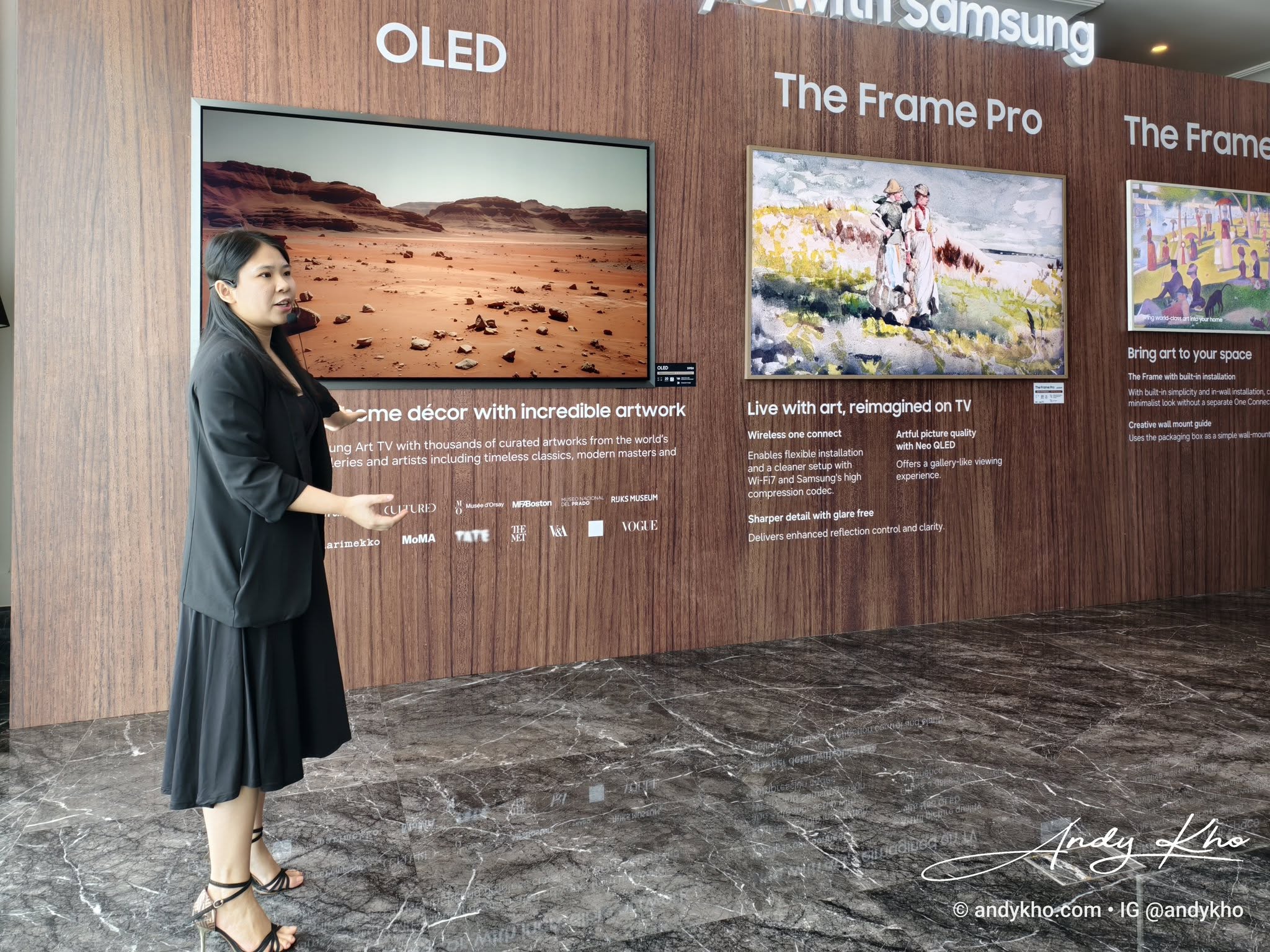
Neo QLED’s QN80H and QN70H bring Quantum Mini LED precision and NQ4 AI Processor optimisation across screen sizes from 43 to 100 inches. The Frame lineup adds a Pro variant — the LS03HW — featuring Neo QLED picture quality, Wireless One Connect, a slim 24.9mm profile and access to more than 5,000 curated artworks through Art Mode.
The Mini LED range is split between the M80H, which delivers the more advanced AI feature set including Motion Xcelerator 144Hz and the NQ4 AI Gen2 Processor, and the more accessible M70H, which brings core Mini LED performance to screens starting from 43 inches.
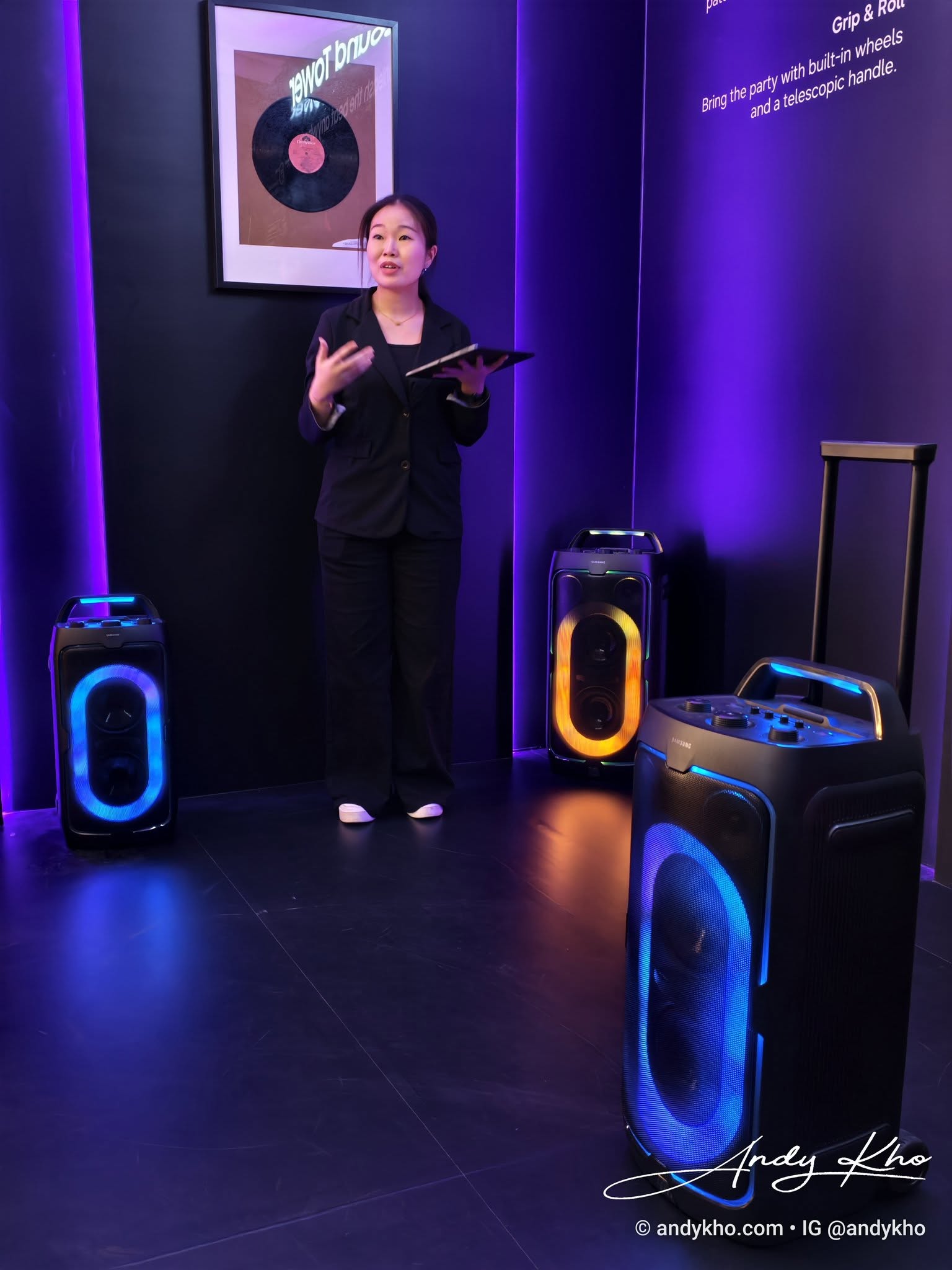
Samsung is accompanying the TV launch with its Q-Series Soundbar lineup, led by the flagship HW-Q990H — an 11.1.4-channel system featuring Sound Elevation technology and Dolby Atmos integration. The Music Studio 7 and Music Studio 5 lifestyle speakers, designed by Erwan Bouroullec, round out the audio range with support for Hi-Resolution Audio and Dolby Atmos.
“We are thrilled to be working with Samsung to bring the Dolby Atmos immersive sound experience to households in Malaysia. Customers will connect more deeply with their favourite entertainment when experiencing it in Dolby Atmos as the sound will come alive with more layers and sharper details.”
Ashim Mathur, Vice President of APAC Marketing at Dolby Laboratories
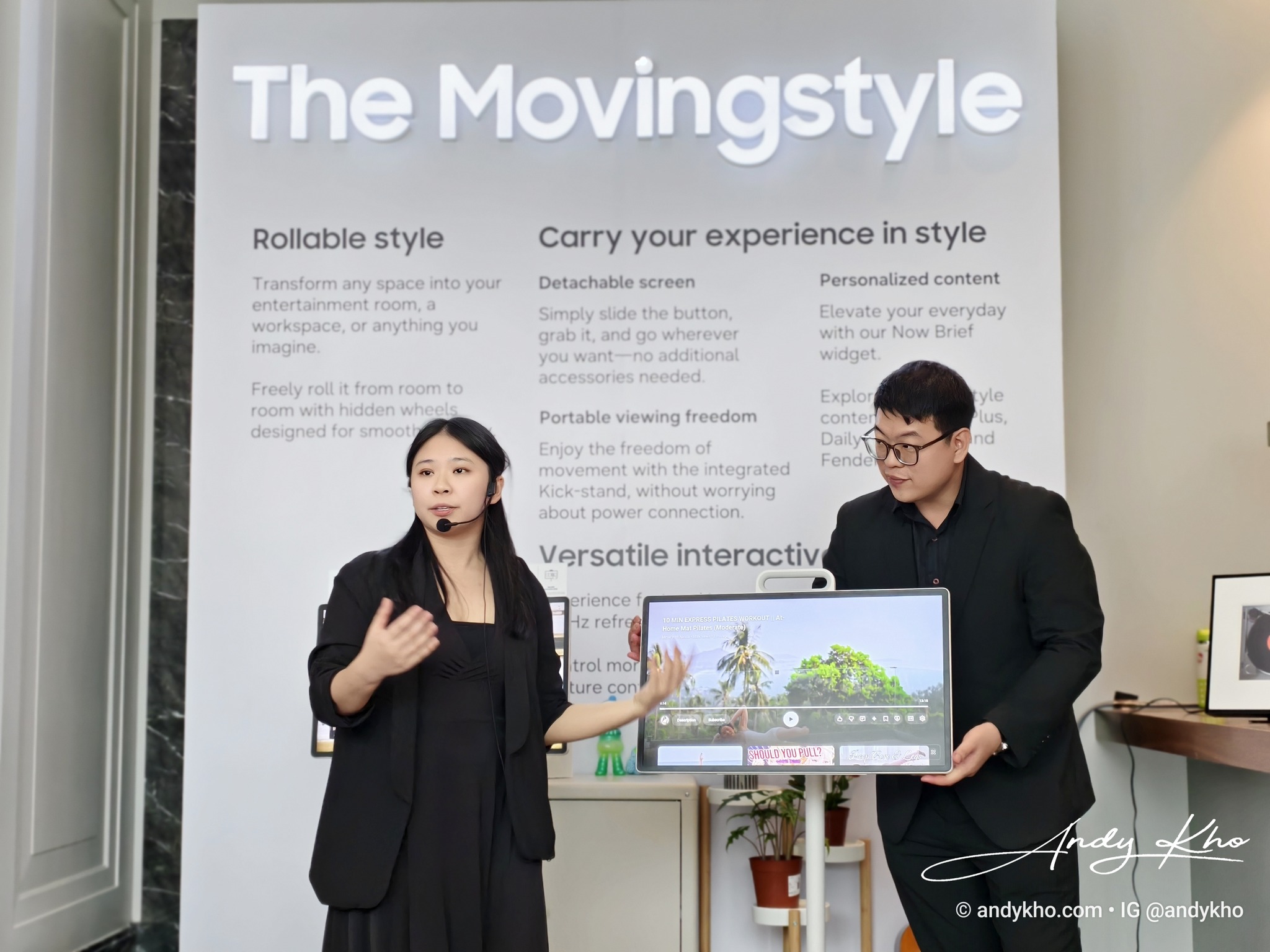
The 2026 lineup introduces Google Cast on select Mini LED, Neo QLED and Crystal UHD models, enabling wireless streaming from compatible devices. Google Photos integration is also rolling out on eligible models, surfacing personal memories through Samsung Daily+ and the Daily Board widget, with additional features planned later in the year.
The 2026 Samsung AI TV range is available now through Samsung’s official website and major retailers nationwide. Until May 31, customers purchasing selected models are eligible for launch gifts including the Samsung Galaxy Z Flip 7, Nintendo Switch 2 and Galaxy Tab S10 Lite, depending on model. TV and soundbar bundle purchases qualify for Touch ‘n Go eWallet rebates of up to RM500. Promotional pricing on the 85-inch Micro RGB R95H begins at RM26,999, with the Mini LED M80H range opening at RM5,799 for the 75-inch model.
For Malaysian consumers, the significance of Samsung’s 2026 lineup lies not only at the premium tier but in how far AI-driven features have migrated down the price curve. Capabilities such as real-time upscaling, adaptive sound processing and personalised content discovery — previously confined to flagship models — are now available across mainstream Mini LED and UHD tiers. That shift makes the 2026 lineup relevant to a substantially broader segment of the market, particularly first-time upgraders and households investing in a home entertainment setup for the first time.
The integration of AI assistants, Google Cast and the Q-Symphony multi-device audio ecosystem also reflects a changing expectation of what a living room screen should do. As Malaysians increasingly use the television as a central hub rather than a single-purpose viewing device, the ability to query information, manage connected devices and personalise content from a single interface carries real practical value. Paired with Samsung’s broader SmartThings ecosystem, the 2026 range positions the television less as a standalone appliance and more as the anchor of a connected home — a proposition that aligns with how urban Malaysian households are increasingly living and consuming media.
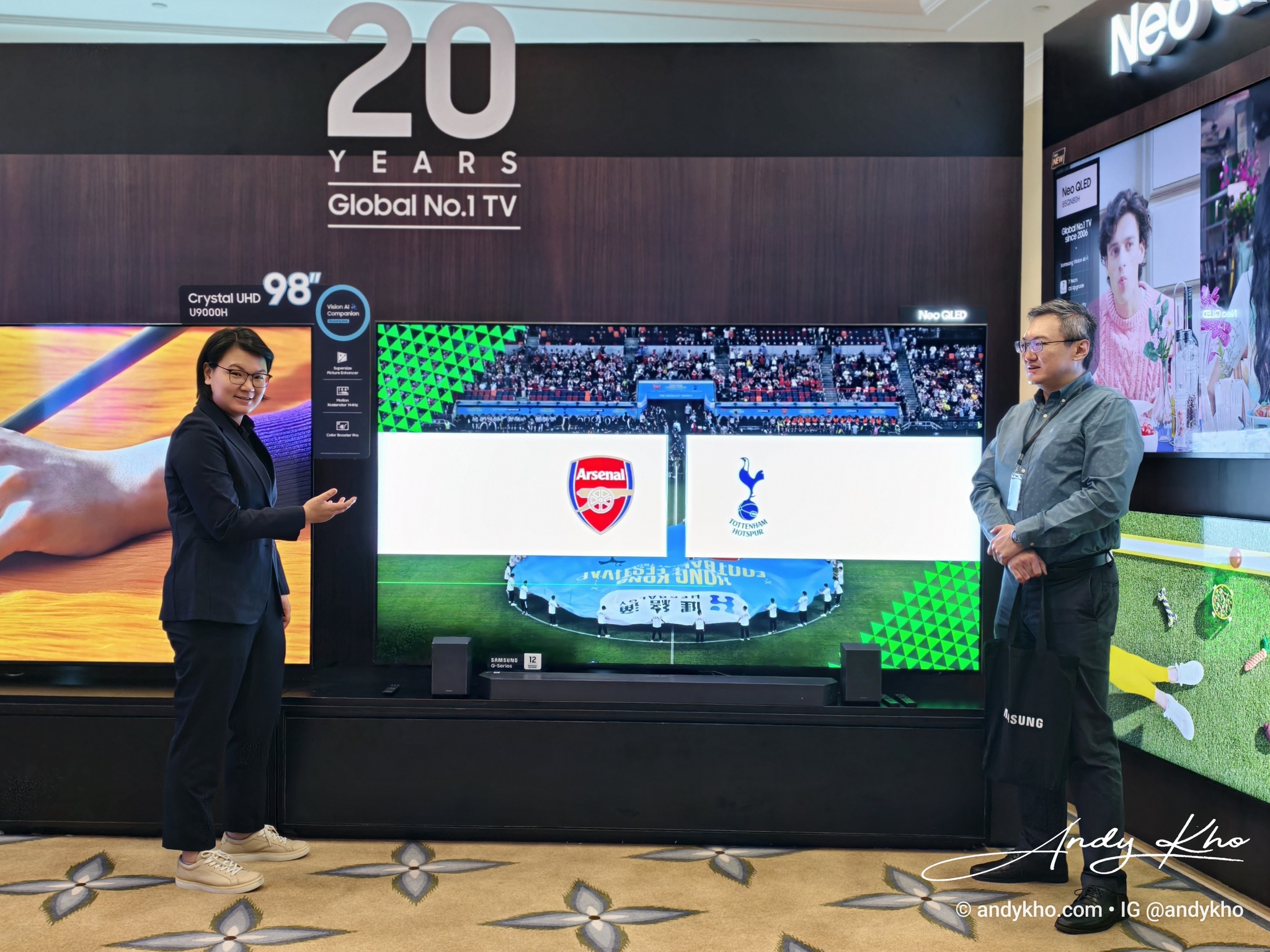
Photos by Samsung Malaysia and Andy Kho using a flagship smartphone


